
In the world of corporate identity and market positioning, brands are often judged by their revenue, user base, or social media engagement. However, in the high-stakes arena of academic publishing, the most potent measure of a brand’s strength is not found on a balance sheet, but in a numerical score known as the Impact Factor (IF). For a scientific journal, the Impact Factor is more than just a statistic; it is the cornerstone of its brand strategy, determining its prestige, its ability to attract top-tier global talent, and its long-term commercial viability.
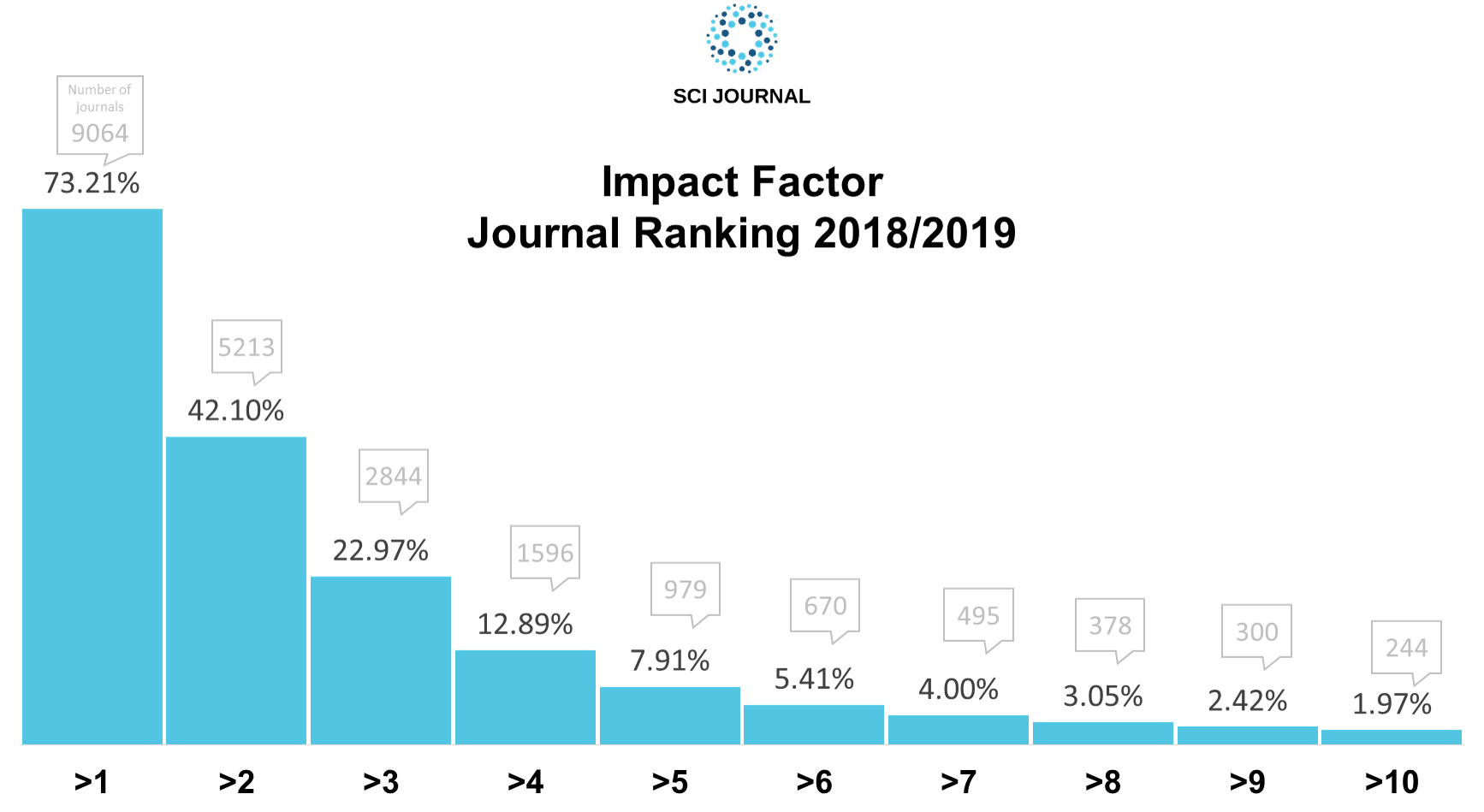
Understanding the Impact Factor through the lens of brand strategy reveals a fascinating ecosystem where intellectual capital is converted into market authority. This metric serves as a shorthand for quality, a signal to the “consumer” (the researcher), and a badge of honor for the “contributor” (the author). In this exploration, we will dissect what the Impact Factor is, how it functions as a brand valuation tool, and why it remains the most influential—and controversial—marketing asset in the academic world.
Understanding the Impact Factor as a Brand Valuation Tool
At its core, the Journal Impact Factor (JIF) is a proprietary metric managed by Clarivate (formerly part of Thomson Reuters) and published annually in the Journal Citation Reports (JCR). While it may seem like a dry mathematical equation, it functions similarly to a “Brand Equity Index” in the corporate world. It measures the frequency with which the “average article” in a journal has been cited in a particular year.
Defining the Metric: More Than Just a Number
The calculation of the Impact Factor is deceptively simple: it is the number of citations received in a given year to articles published in that journal during the preceding two years, divided by the total number of “citable items” published in those same two years.
From a brand perspective, this represents “earned media.” Just as a fashion brand’s prestige is elevated when its designs are worn by celebrities, a journal’s brand is elevated when its published research is “worn” (cited) by other scholars. A high Impact Factor signals that the journal is a central hub for discourse, a thought leader that dictates the direction of its industry. For a brand manager—or in this case, a journal editor—the Impact Factor is the primary KPI for measuring the journal’s influence within its niche.
The Calculation: Quantifying Brand Authority
Why does the two-year window matter? In branding, consistency is key. The Impact Factor doesn’t just measure a one-off viral success; it measures sustained relevance over a short-term horizon. By focusing on recent citations, the metric ensures that the journal’s brand remains current.
For many journals, achieving a high Impact Factor is a multi-year brand building exercise. It requires a strategic selection of papers that are likely to garner attention. This is analogous to a luxury brand carefully selecting which products to feature in its flagship store to maximize foot traffic and prestige. If a journal’s IF rises, its brand value skyrockets, allowing it to charge higher “Article Processing Charges” (APCs) and command higher subscription fees from university libraries.
The Strategic Role of Impact Factor in Journal Brand Positioning
In a crowded marketplace with thousands of competing titles, a journal must differentiate itself to survive. The Impact Factor acts as the ultimate differentiator, positioning a journal within a hierarchy of quality. This hierarchical positioning creates a “halo effect” that impacts every stakeholder involved with the brand.
Attracting Elite Talent: Researchers as Brand Ambassadors
In personal branding, researchers and scientists are the ultimate influencers. To advance their careers, secure tenure, and win grants, they need to associate their personal brands with high-authority corporate brands. A researcher who publishes in Nature (which boasts an exceptionally high Impact Factor) instantly gains a level of professional “clout” that would take years to build elsewhere.
The journal, in turn, uses its Impact Factor to recruit these elite researchers. It is a virtuous cycle: high-quality research leads to more citations, which raises the Impact Factor, which attracts even higher-quality research. From a marketing standpoint, this is the pinnacle of brand positioning. The journal becomes a “Gated Community,” where the high Impact Factor serves as the barrier to entry, ensuring that only the most “prestigious” content is associated with the brand name.
Market Dominance and Subscription Value
The Impact Factor also plays a critical role in the B2B (Business-to-Business) relationship between publishers and institutional libraries. When university librarians decide which journal bundles to purchase, they look at the Impact Factor as a primary indicator of ROI.

A journal with a high IF is considered an essential “must-have” for the university’s researchers. This creates a brand moat. Even if a competitor offers lower prices, the “Brand Power” of a high-IF journal makes it indispensable. Publishers like Elsevier, Springer Nature, and Wiley leverage these metrics to maintain their market dominance, using the Impact Factor as a tool to justify the premium pricing of their “Big Deal” subscription packages.
Challenges to the Metric: When Brand Perception Meets Reality
No brand is immune to criticism, and the Impact Factor has faced significant backlash over the years. Critics argue that relying on a single number to judge the quality of a journal is a reductive branding strategy that can lead to unintended consequences and “brand dilution.”
The Risks of Metric Manipulation
Just as some brands use “vanity metrics” or buy fake followers to appear more popular, some journals have been accused of “gaming the system” to artificially inflate their Impact Factor. This can include “coercive citation” (where editors suggest authors cite other papers from the same journal) or “citation cartels” (where groups of journals agree to cite each other’s work).
When a journal is caught manipulating its metrics, the damage to its brand reputation can be catastrophic. Clarivate has been known to “suppress” journals from its reports if suspicious citation patterns are detected. For a journal, being suppressed is the equivalent of a “brand de-platforming.” It loses its status, its submissions drop, and its market value plummets overnight. This highlights the danger of building a brand identity solely around a single, vulnerable metric.
The Rise of Alternative Brand Metrics (Altmetrics)
In response to the limitations of the Impact Factor, the industry has seen the rise of “Altmetrics”—alternative metrics that track a journal’s brand reach through social media mentions, news coverage, and policy document citations.
From a brand strategy perspective, Altmetrics represent a shift from “prestige” to “impact.” While the Impact Factor measures influence within the academic bubble, Altmetrics measure the brand’s footprint in the real world. Many modern journals are now adopting a multi-metric branding approach, showcasing their Impact Factor alongside their Altmetric scores to present a more holistic and modern brand identity.
Future-Proofing the Academic Brand in a Digital-First World
As the academic publishing landscape shifts toward Open Access (OA) and digital-first models, the traditional Impact Factor is being re-evaluated. Brands that fail to adapt to these changes risk becoming obsolete, regardless of their historical citation counts.
Open Access and Brand Reach
The Open Access movement is the academic equivalent of “Freemium” branding. By making content free to read, journals can significantly increase their “Brand Reach.” However, this often puts them at odds with high-Impact Factor strategies, which have historically relied on the exclusivity of subscription models.
Strategic brand managers in the publishing world are now finding ways to marry Open Access with high Impact Factors. They recognize that “virality” in the digital age can drive citations faster than traditional models. A journal that is both highly prestigious (high IF) and highly accessible (Open Access) creates a powerful brand proposition that is difficult to beat.
Building a Multi-Dimensional Brand Identity
The journals of the future are moving away from being seen merely as repositories of data and are instead positioning themselves as “Thought Leadership Platforms.” This involves building a brand that extends beyond the annual Impact Factor release.
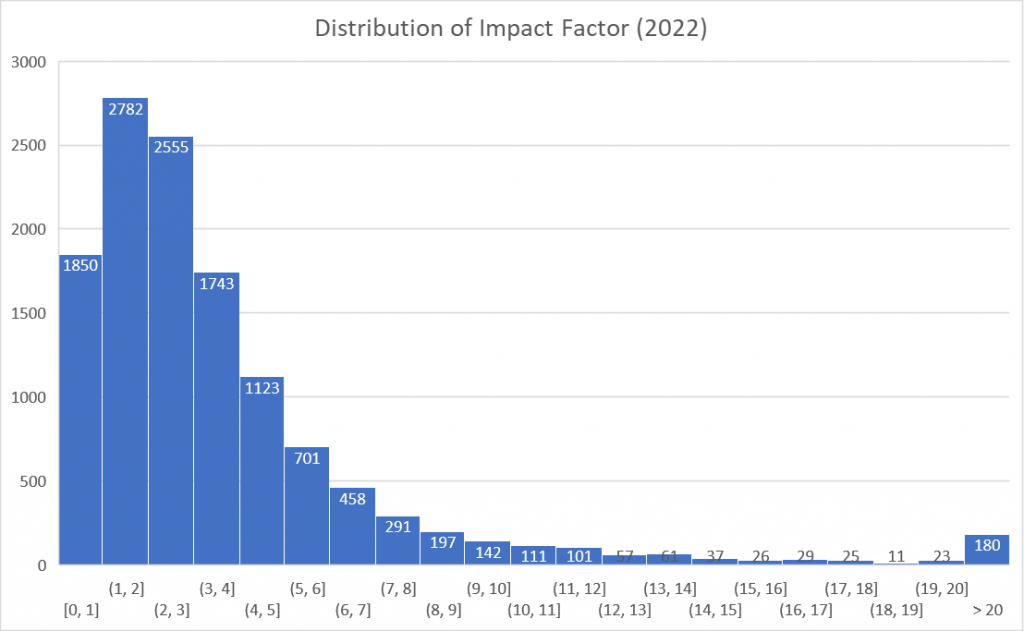
Through podcasts, webinars, and interactive data visualizations, journals are engaging with their audiences in more dynamic ways. The Impact Factor remains the “gold standard” of their brand equity, but it is increasingly supported by a broader ecosystem of brand touchpoints. By diversifying their brand identity, journals ensure that they are not just defined by a two-year citation window, but by their overall contribution to the global knowledge economy.
In conclusion, the Impact Factor is the most significant branding tool in the world of scholarly communication. It defines the competitive landscape, dictates the movements of the industry’s most valuable “influencers,” and serves as a barometer for market authority. While it is a flawed metric, its role in brand strategy is undeniable. For any journal looking to establish a dominant corporate identity, mastering the Impact Factor is not just a mathematical necessity—it is a strategic imperative.
aViewFromTheCave is a participant in the Amazon Services LLC Associates Program, an affiliate advertising program designed to provide a means for sites to earn advertising fees by advertising and linking to Amazon.com. Amazon, the Amazon logo, AmazonSupply, and the AmazonSupply logo are trademarks of Amazon.com, Inc. or its affiliates. As an Amazon Associate we earn affiliate commissions from qualifying purchases.