
The First Amendment of the United States Constitution guarantees the right of the people peaceably to assemble. This fundamental pillar of American democracy allows citizens to voice grievances, advocate for political change, and engage in public discourse. However, this right is not absolute. When a protest crosses the line from a protected activity into criminal behavior, it is classified as an illegal protest. Understanding the nuance between protected speech and illegal conduct is essential for organizers, participants, and observers alike.
The Legal Framework of Public Assembly
To understand what constitutes an illegal protest, one must first understand the concept of “time, place, and manner” restrictions. The government holds a legitimate interest in maintaining public order, ensuring safety, and protecting the rights of others. Consequently, while the content of speech is protected, the logistics of how and where that speech occurs are subject to regulation.
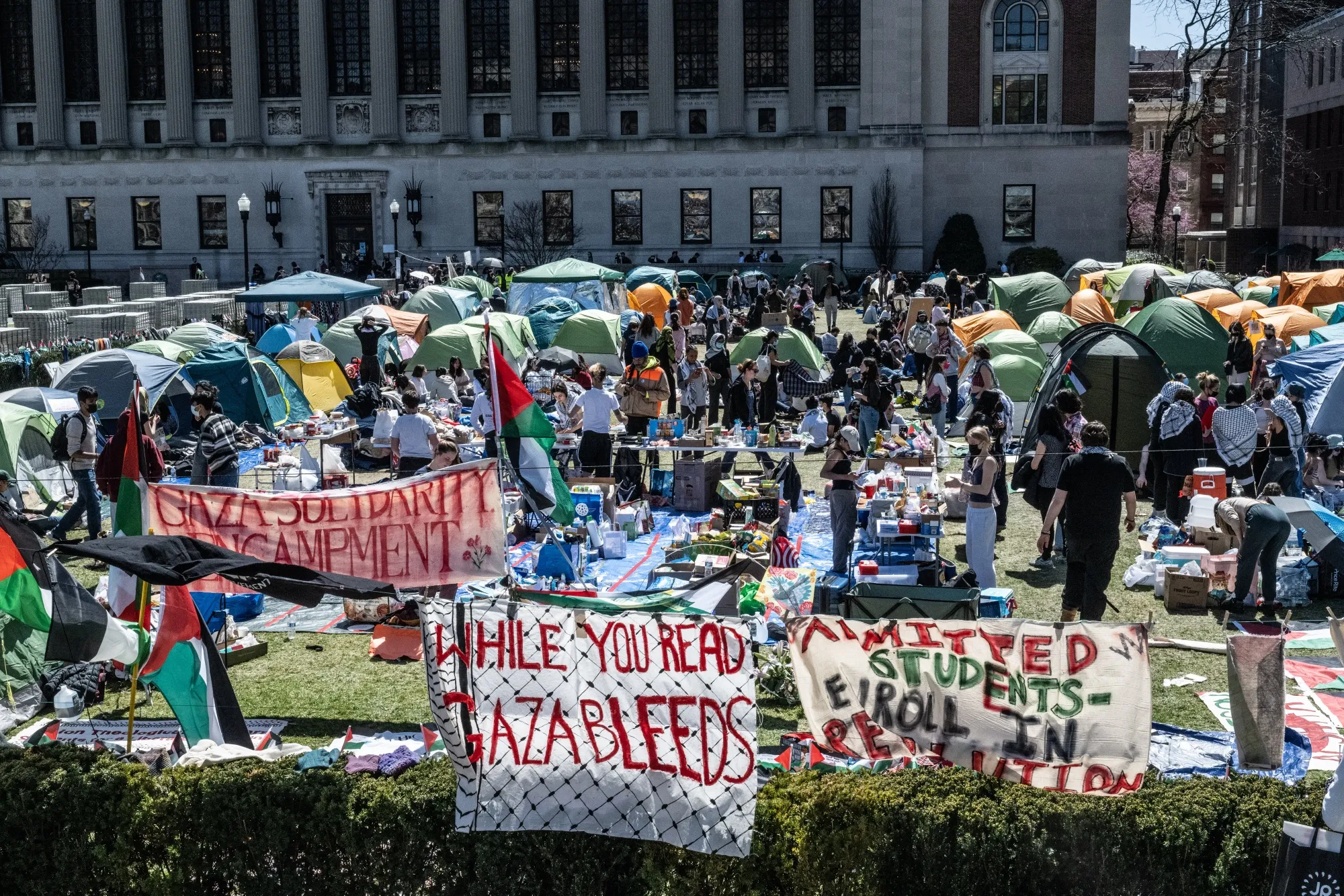
Time, Place, and Manner Restrictions
Courts have long held that the government may impose reasonable restrictions on the time, place, and manner of protests, provided these restrictions are content-neutral. For instance, a city may require a permit for a march that obstructs traffic or uses sound amplification equipment in residential neighborhoods during late-night hours. These regulations are deemed legal as long as they are narrowly tailored to serve a significant governmental interest and leave open ample alternative channels for communication. An assembly becomes “illegal” if it violates these established ordinances, such as failing to obtain a required permit for a large-scale demonstration that blocks major thoroughfares.
The Distinction Between Protected Speech and Conduct
The legal threshold often hinges on the distinction between speech and conduct. Pure speech—such as holding a sign, chanting, or wearing specific attire—is afforded the highest level of protection. Conduct, however, is subject to scrutiny. When protest activity shifts from symbolic speech to actions that threaten physical safety or damage property, it loses its constitutional protection. This is where the legal definition of an illegal protest solidifies, often triggered by behaviors that breach the peace or violate criminal statutes.
Identifying Illegal Conduct During Protests
A protest that begins as a legal and peaceful gathering can be declared “unlawful” by law enforcement if the behavior of the crowd or individuals within it violates specific criminal codes. The transition from legal to illegal is typically marked by behaviors that jeopardize public safety or infringe upon the rights of others.
Trespassing and Occupying Private Property
The First Amendment protects the right to assemble on “traditional public forums,” such as streets, sidewalks, and public parks. It does not, however, grant an unlimited right to protest on private property or within government buildings that are not open to the public. Protesters who enter private business premises without authorization, or who refuse to vacate public buildings after business hours or after being ordered to leave by authorities, are committing trespassing. Such actions transform an otherwise peaceful protest into an illegal assembly due to the violation of property rights.
Incitement to Violence and True Threats
While the Supreme Court has set a high bar for what constitutes “incitement,” a protest becomes illegal when speech is intended to, and is likely to, produce imminent lawless action. This goes beyond fiery rhetoric or political hyperbole. If protest leaders or participants call for immediate violence against specific individuals or groups, or encourage the destruction of property, that speech crosses the line. Similarly, “true threats”—statements where the speaker means to communicate a serious expression of an intent to commit an act of unlawful violence to a particular individual—are not protected and can serve as the legal basis for declaring an assembly illegal.

Obstruction and Civil Disobedience
Civil disobedience is a strategy often used in protests, involving the intentional breaking of laws to draw attention to a cause. While morally driven, civil disobedience is, by definition, an illegal act. Blocking emergency exits, preventing the movement of ambulances, or chaining oneself to structures to obstruct public access are all activities that law enforcement may cite to disperse a crowd. When a protest obstructs the normal operations of government or private enterprise to the point of creating a public nuisance or safety hazard, it is frequently labeled as an unlawful assembly.
The Role of Law Enforcement and Dispersal Orders
When a protest is deemed illegal, law enforcement agencies are authorized to intervene. This intervention generally follows a tiered approach, moving from observation to warning, and finally, to dispersal and potential arrest.
The Declaration of an Unlawful Assembly
Before making mass arrests, police are generally expected to declare an assembly unlawful. This is a formal process where authorities notify the participants that their behavior—or the behavior of the crowd as a whole—has violated the law. This warning provides participants with a reasonable opportunity to disperse and leave the area. If the participants refuse to comply with a lawful order to disperse, they may be subject to arrest for charges such as “failure to disperse,” “disorderly conduct,” or “obstruction of justice.”
Excessive Force and Due Process
The interplay between protesters and police is a frequent subject of litigation. While police have the authority to maintain order, they are also bound by the Fourth Amendment, which protects against unreasonable search and seizure, and the Fourteenth Amendment, which guarantees due process. An illegal protest does not give law enforcement carte blanche to use excessive force. The use of crowd control measures—such as tear gas, rubber bullets, or physical containment (often referred to as “kettling”)—must be proportionate to the threat posed by the crowd. If authorities use force that is considered unreasonable under the circumstances, the legality of the dispersal order itself may be challenged in court.
The Consequences of Participating in Illegal Protests
Individuals participating in protests that are deemed illegal face significant personal and professional risks. Beyond the immediate threat of arrest and incarceration, the long-term implications can be substantial.
Criminal Charges and Records
Depending on the jurisdiction and the specific actions taken, protesters may face a range of criminal charges. These can include misdemeanors, such as disorderly conduct or trespassing, or more serious felonies, such as rioting, inciting a riot, or assaulting a police officer. A criminal record resulting from protest activities can impact future employment opportunities, professional licensing, and even travel rights. It is crucial for participants to understand that once a protest is declared illegal, any further presence in the area can result in arrest, even for those who were not personally involved in the violent or disruptive acts that led to the declaration.
The “Chilling Effect” on Civic Engagement
One of the primary concerns among civil liberties advocates is the “chilling effect” that aggressive enforcement of illegal protest laws can have on free speech. If the definition of an illegal protest is stretched too far, or if law enforcement uses heavy-handed tactics to suppress dissent, citizens may become afraid to exercise their constitutional rights. This creates a tension between the need for public security and the maintenance of a vibrant, democratic society. Balancing these interests remains a central, unresolved challenge in American legal and social discourse.

Protecting Your Rights as a Protester
For those engaged in activism, understanding the legal landscape is the best form of protection. This includes researching local laws regarding permits, knowing the specific boundaries of public and private property, and maintaining awareness of the environment during a demonstration. Having a plan for legal support and understanding the rights one retains if detained—such as the right to remain silent and the right to an attorney—is standard practice for seasoned activists. Ultimately, while the right to assemble is a cornerstone of American identity, it is a right exercised most effectively when it operates within the framework of the law, ensuring that the message, rather than the conduct, remains the focus of the public eye.
aViewFromTheCave is a participant in the Amazon Services LLC Associates Program, an affiliate advertising program designed to provide a means for sites to earn advertising fees by advertising and linking to Amazon.com. Amazon, the Amazon logo, AmazonSupply, and the AmazonSupply logo are trademarks of Amazon.com, Inc. or its affiliates. As an Amazon Associate we earn affiliate commissions from qualifying purchases.