
In the competitive landscape of global commerce, a brand’s name is often its most valuable intangible asset. While much focus is placed on the “root” of a name—the core word that conveys the business’s primary function—the most sophisticated brand strategists understand that the real magic often happens at the tail end. When asking “what is an example of a suffix,” a grammarian might point to “-ing” or “-ed,” but a brand strategist points to the engines of modern corporate identity. In branding, a suffix is more than a linguistic modifier; it is a strategic tool used to evoke emotion, imply functionality, and carve out a unique space in a crowded market.
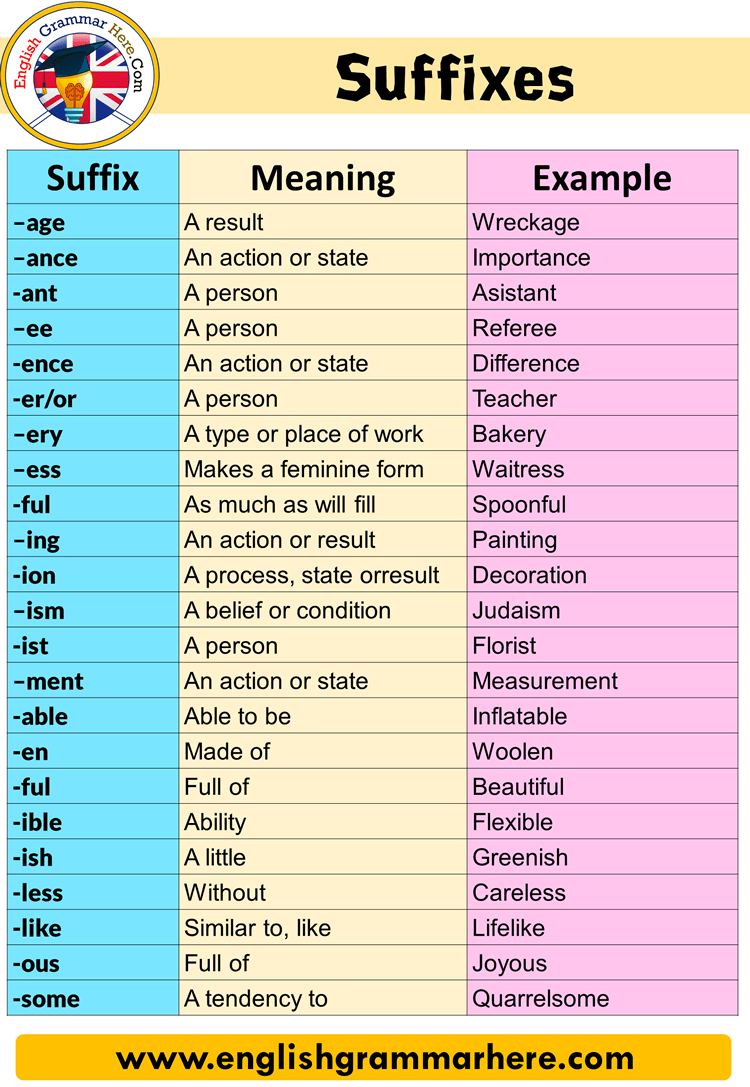
From the tech-heavy “-ify” to the approachable “-ly,” suffixes define how a consumer perceives a company’s mission before they ever interact with a product. This article explores the strategic application of suffixes in brand architecture, analyzing how these small linguistic additions drive brand equity and market positioning.
The Linguistic Foundation of Brand Architecture
To understand the role of a suffix in branding, one must first understand the concept of “morphological branding.” This is the practice of manipulating the smallest units of meaning in a language—morphemes—to create a new identity that feels both familiar and innovative.
Defining the Suffix in a Corporate Context
In a traditional sense, a suffix is a letter or group of letters added to the end of a word to change its grammatical function or meaning. In the world of brand strategy, however, a suffix serves as a “semantic anchor.” It takes a common noun or verb and transforms it into a proprietary entity. For instance, the word “Shop” is a generic location. By adding the suffix “-ify,” it becomes “Shopify”—a transformative platform that empowers the act of shopping. The suffix here does not just change the word; it creates a brand promise of enablement and digitalization.
Why Morphemes Matter to Marketers
Consumers process brand names through a lens of “phonetic symbolism.” Certain sounds and word structures trigger subconscious associations. A suffix can provide a rhythmic cadence that makes a name more “sticky” or memorable. Furthermore, suffixes allow brands to move from being “descriptive” (which is difficult to trademark) to being “suggestive.” By adding a suffix to a common root, a company can satisfy legal requirements for a unique trademark while still benefiting from the immediate recognition of the root word’s meaning.
Common Branding Suffixes and Their Psychological Impact
Different suffixes carry different “tonal weights.” Choosing the right one is a matter of aligning the linguistic DNA of the name with the intended brand persona.
The “-ify” Revolution: Creating Action and Modernity
The “-ify” suffix, derived from the Latin facere (to make or do), has become the gold standard for the “Platform as a Service” (PaaS) and “Software as a Service” (SaaS) sectors. Examples like Spotify, Shopify, and Clarify demonstrate a brand’s ability to take a complex process and make it seamless.
- Psychological Effect: It implies a transformation. It suggests that the brand is an active agent that “verbifies” a noun. It communicates efficiency, automation, and modern digital capability.
- Market Positioning: This suffix is best suited for brands that want to be seen as tools or facilitators of a specific result.
The “-ly” and “-y” Trend: Humanizing the Technical
During the rise of Web 2.0, the “-ly” suffix (Grammarly, Bitly, Optimizely) became ubiquitous. This suffix turns nouns or adjectives into adverbs, describing the manner in which a service is performed.
- Psychological Effect: It creates a sense of approachability and friendliness. Because it mimics the way we describe actions in everyday conversation, it reduces the “coldness” of technology.
- Market Positioning: This is ideal for consumer-facing apps and services that want to feel like a personal assistant or a helpful companion rather than a sterile corporate entity.
The “-er” and “-or” Designation: Defining the User Role
Suffixes like “-er” (Flickr, Tumblr—notably with the ‘e’ dropped for stylistic and domain availability reasons) or “-or” (investor, creator) focus on the persona.
- Psychological Effect: These suffixes are agentive; they denote a person or thing that performs a specific action.
- Market Positioning: By using an agentive suffix, a brand positions itself as a community or a tool for a specific type of person. It shifts the focus from what the product does to what the user becomes by using it.
Strategic Considerations for Naming Your Brand

Selecting a suffix is not merely an aesthetic choice; it is a strategic decision that affects everything from search engine optimization (SEO) to international scalability.
Creating Scalability Through Morphological Flexibility
A well-chosen suffix allows a brand to scale its architecture as it grows. For example, a company might start with a primary brand name and use suffixes to denote different tiers of service or sub-brands. If a parent company uses a specific linguistic “rhyme” or suffix pattern, it creates a “brand family” feeling that allows for easier cross-selling and consumer trust. This consistency helps in building “brand fluency,” where the consumer instinctively understands how a new product fits into the existing ecosystem based on its linguistic structure.
Avoiding the Pitfalls of Overused Suffixes
One of the greatest risks in brand strategy is “trend fatigue.” When a suffix becomes too popular, it loses its ability to differentiate. In the early 2010s, the market was so saturated with “-ly” startups that new companies using the suffix began to appear derivative rather than innovative.
- The “Me-Too” Effect: If your brand name sounds exactly like ten other startups in your niche, you lose the “distinctiveness” required for high brand equity.
- The Domain Name Struggle: Often, suffixes are chosen because the primary “.com” for the root word is taken. While this solves a short-term technical problem, it can lead to long-term branding issues if the suffix doesn’t actually align with the brand’s core values.
Case Studies: Suffixes That Defined an Era
Looking at successful brands allows us to see how the “example of a suffix” translates into billions of dollars in market cap.
Spotify and the Rise of the Integration Suffix
When Spotify launched, the music industry was fragmented by piracy and difficult-to-use digital stores. The name “Spotify” combined “Spot” and “Identify.” The “-ify” suffix didn’t just make it a verb; it signaled a new way to interact with media. It suggested that music was now a service that could be “identified” and “spotted” instantly. This choice helped the brand pivot away from the “file-sharing” connotations of the era toward a “utility” and “service” model.
Grammarly and the Adverbial Brand Persona
Grammarly could have been named “Grammar Check” or “Perfect Syntax.” Instead, by choosing the “-ly” suffix, they shifted the focus from the technical correction of prose to the quality of the writing experience. The suffix suggests a continuous state of being—writing “Grammarly” means writing with precision and ease. It transformed a boring utility into an essential lifestyle tool for professionals.
The Rise of “-io” and “-ai” as Pseudo-Suffixes
While technically top-level domains (TLDs), in modern branding, “.io” and “.ai” often function as suffixes in the consumer’s mind. Brands like Jasper.ai or Greenhouse.io use these endings to signal their industry niche. This demonstrates how the concept of the suffix is evolving beyond linguistics into the very structure of the internet address, serving as a shorthand for “Tech-Forward” or “Artificial Intelligence-Driven.”
Future-Proofing Your Brand Identity
As we look toward the next decade of brand strategy, the use of suffixes will likely move away from the “startup-y” trends of the past toward more classic, enduring constructions.
Moving Beyond Suffix Trends toward Timelessness
The most enduring brands—Apple, Nike, Amazon—often eschew trendy suffixes in favor of strong, singular nouns. However, for new entrants in crowded digital markets, a suffix remains a vital tool for carving out space. The key to future-proofing is to ensure the suffix provides “semantic value” rather than just “phonetic filler.” Ask yourself: if you remove the suffix, does the brand lose its soul? If the answer is yes, the suffix is doing its job.

Globalization and Cross-Cultural Linguistics
In a globalized economy, the “example of a suffix” must be tested across languages. A suffix that sounds professional in English might have negative connotations in another language or be difficult to pronounce in key markets. Strategic branding requires a “linguistic audit” to ensure that the chosen suffix doesn’t inadvertently limit the brand’s geographic reach. For instance, suffixes that are easy to conjugate in Romance languages often have a smoother transition into global markets than those based on complex Germanic clusters.
In conclusion, a suffix is never “just” an ending. In the world of brand strategy, it is a deliberate choice that signals a company’s category, its relationship with the user, and its technological prowess. Whether you are “identifying” with Spotify or “optimizing” with Optimizely, you are experiencing the profound impact of linguistic engineering. By understanding the psychological and strategic weight of these morphemes, businesses can build identities that are not only memorable but also meaningful.
aViewFromTheCave is a participant in the Amazon Services LLC Associates Program, an affiliate advertising program designed to provide a means for sites to earn advertising fees by advertising and linking to Amazon.com. Amazon, the Amazon logo, AmazonSupply, and the AmazonSupply logo are trademarks of Amazon.com, Inc. or its affiliates. As an Amazon Associate we earn affiliate commissions from qualifying purchases.