
In an age saturated with information and fleeting attention spans, the power of a name, a slogan, or a brand narrative has never been more critical. Businesses strive to forge connections, convey values, and evoke specific emotions through their chosen language. But how many truly delve into the historical strata beneath these words, exploring their origins, evolutions, and potential hidden resonances? This is precisely where the often-underestimated discipline of etymology, and the expertise of an etymologist, becomes a secret weapon in the arsenal of brand strategy.
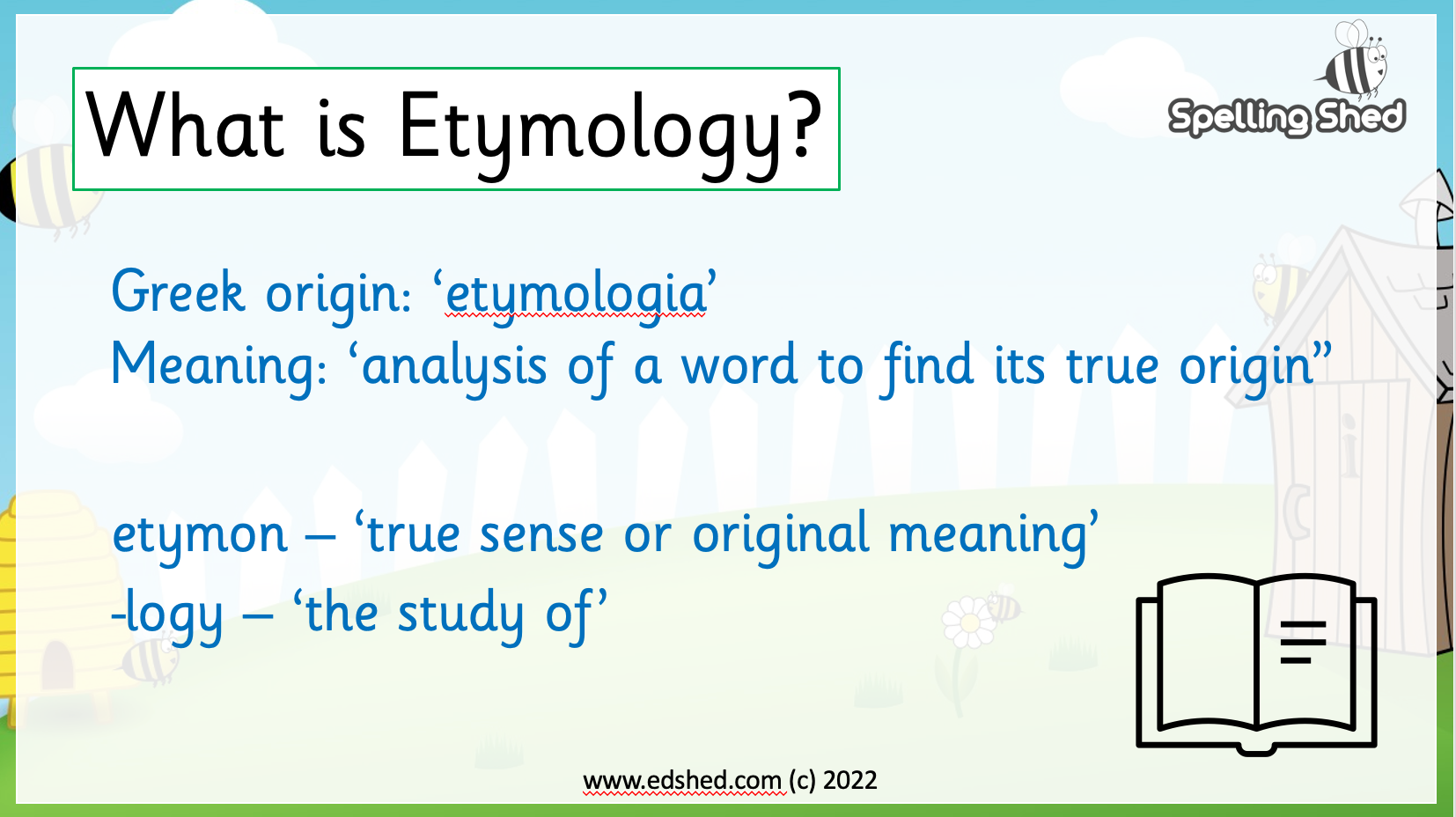
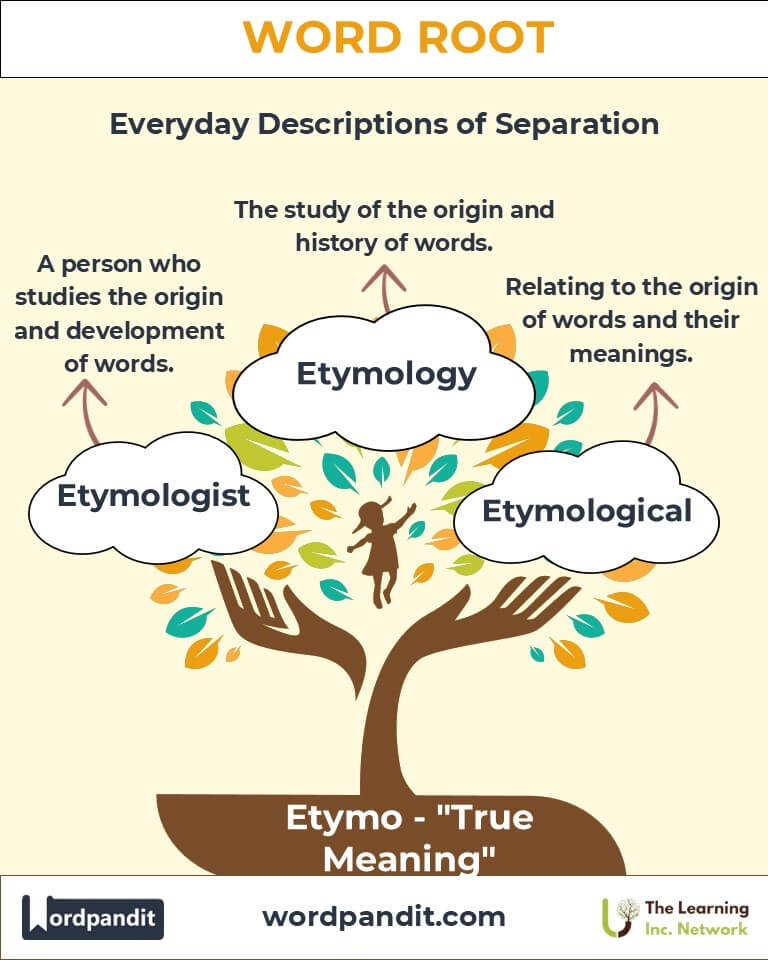
An etymologist is a linguistic historian, a meticulous archaeologist of words. They investigate the origins of words, tracing their journey through time, across languages, and through semantic shifts. Their work uncovers the “true meaning” not just in a dictionary sense, but in a deeper, historical, and cultural context. For a brand aspiring to communicate authenticity, build trust, and resonate deeply with its audience, this profound understanding of language is not merely academic—it is strategically vital.
The Core Discipline: Decoding Word Origins
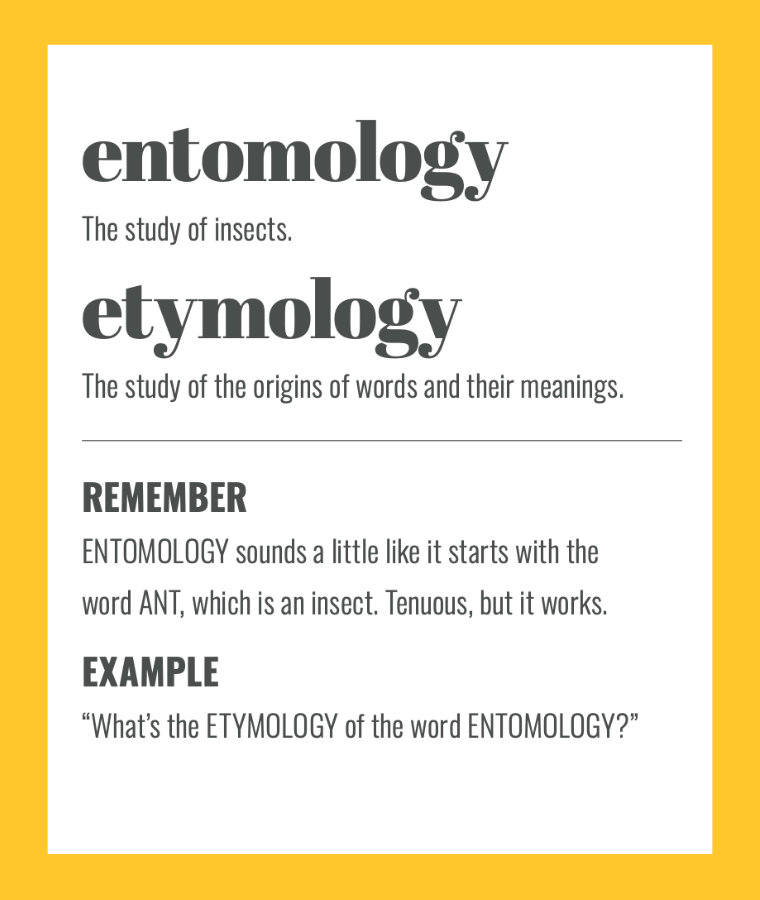
At its heart, etymology is the study of the history of words. It’s about understanding where a word came from, how its form and meaning have changed over centuries, and what connections it has to other words, both within and across languages. This discipline goes far beyond a simple dictionary definition; it delves into the very soul of a word.
Unearthing Linguistic Histories
An etymologist’s primary task is to trace a word back to its earliest known form and meaning. This often involves navigating complex linguistic family trees, examining ancient texts, and comparing cognates (words with a common etymological origin) across various languages. For instance, understanding that “brand” itself originates from an Old Norse word meaning “to burn” (referring to the practice of branding livestock with a hot iron) gives us a richer, more visceral appreciation of its historical association with ownership, identification, and indelible marking. This isn’t just trivia; it’s an insight into the deeply ingrained cultural concept that gives the modern word its power. They explore how words borrowed from Latin, Greek, Old English, French, and countless other languages have shaped our contemporary vocabulary, often carrying echoes of their original contexts. This deep historical dive reveals layers of meaning that can be leveraged or avoided in brand communication.
The Scholarly Pursuit of Etymology
The work of an etymologist is rigorous and analytical. It involves a deep understanding of phonetics, morphology, semantics, and historical linguistics. They employ various methods, including comparative linguistics (comparing languages to find common ancestors), internal reconstruction (reconstructing earlier stages of a language based on its current forms), and the analysis of sound shifts and grammatical changes over time. They are, in essence, detectives of language, piecing together clues to reconstruct the past lives of words. While often associated with academia, this scholarly pursuit yields practical insights invaluable to industries far beyond the university walls—especially in the competitive arena of branding.
Etymology’s Unexpected Intersection with Brand Identity
In the realm of brand development, every choice—from the corporate name to the product tagline—is a strategic decision. Yet, too often, these choices are made based on superficial appeal or current trends without a deeper investigation into the words themselves. This oversight can lead to disastrous consequences or, at best, missed opportunities.
Crafting Impactful Brand Names
A brand name is often the first, and sometimes only, point of contact a potential customer has with a company or product. Its etymology can imbue it with an instant sense of history, gravitas, innovation, or trustworthiness. Consider names like “Google,” an accidental misspelling of “googol,” a mathematical term for a 1 followed by 100 zeros, perfectly reflecting the company’s mission to organize vast amounts of information. Or “Nike,” named after the Greek goddess of victory. These names aren’t just phonetic; they carry a weight of meaning, whether intentional or serendipitous. An etymologist can guide this process, identifying names whose historical roots align perfectly with desired brand attributes, ensuring that the chosen moniker carries the right conceptual baggage. They can help unearth words with powerful, positive, and enduring connotations that resonate across cultures and generations.
Ensuring Positive Semantic Resonance
The historical journey of a word can lead it to acquire multiple meanings, some positive, some neutral, and some surprisingly negative. What might seem like an innocuous, catchy name in one context could have an unfortunate or even offensive etymology in another. An etymologist performs a vital “semantic risk assessment.” They can uncover hidden meanings, archaic uses, or culturally specific connotations that could unintentionally derail a brand’s message. For example, a word that sounds futuristic in English might derive from a root meaning “failure” in another widely spoken language, or have an obsolete but negative association that could resurface. This due diligence ensures that a brand’s language consistently reinforces its positive image and avoids any unintended negative associations, safeguarding its reputation from the outset.
Avoiding Linguistic Pitfalls
The global nature of modern branding makes etymological expertise even more critical. A name chosen for its appeal in one language market might have an utterly different, and often undesirable, meaning or association when translated or encountered in another. Pepsi’s “Come alive with the Pepsi Generation” famously translated to “Pepsi brings your ancestors back from the grave” in Chinese. While not purely etymological, this highlights the critical need for deep linguistic understanding. An etymologist can help identify these cross-cultural linguistic pitfalls, ensuring that a brand’s name and core messaging are not only meaningful but also culturally appropriate and resonant across diverse markets, preventing costly rebrands and reputational damage.
Elevating Brand Messaging Through Word Wisdom
Beyond just naming, etymology enriches every aspect of brand communication. It allows for a more nuanced, precise, and impactful use of language in slogans, mission statements, marketing copy, and corporate narratives.
The Power of Purposeful Language
Understanding the etymology of words enables brands to choose language with greater precision and purpose. For example, a company wanting to convey “innovation” might use words stemming from roots meaning “new” or “forward movement,” rather than those rooted in “change” (which can imply instability). A financial institution might lean into words with etymologies signifying “trust,” “foundation,” or “security.” This intentional selection of words, informed by their historical essence, deepens the meaning of brand messages, making them more authentic, memorable, and persuasive. It transforms generic buzzwords into powerful, targeted communication that truly resonates with the target audience on an intellectual and emotional level.
Cultural Nuances and Global Branding
Etymology is not just about tracing words back to Latin or Greek; it also involves understanding how words have evolved within specific cultural contexts. This is invaluable for global brands that need to tailor their messaging to diverse audiences. An etymologist can provide insights into how a word’s meaning might have been shaped by historical events, cultural practices, or religious beliefs in different regions. This allows brands to craft messages that are not only grammatically correct but also culturally intelligent, respectful, and genuinely appealing to local sensitivities, fostering stronger connections and avoiding potential misinterpretations that could alienate an international customer base.
The Etymologist as a Strategic Brand Asset
Integrating etymological expertise into brand development is a forward-thinking strategy that offers distinct competitive advantages. It transforms brand communication from a superficial exercise into a deeply considered, culturally informed, and historically grounded endeavor.
Consulting for Corporate Identity
An etymologist can serve as a vital consultant during the foundational stages of corporate identity development. From assisting in the naming of a new venture or product line to refining a company’s mission statement, their insights ensure that the chosen language truly embodies the brand’s core values and aspirations. They can help articulate a brand’s story through language that feels ancient yet modern, stable yet innovative, perfectly balancing tradition with contemporary relevance. This partnership ensures that every linguistic element of a brand’s identity is robust, meaningful, and strategically sound, creating a powerful and authentic narrative from the ground up.
Future-Proofing Brand Narratives
In a rapidly evolving world, brand narratives need to be resilient and adaptable. Words can fall in and out of favor, or acquire new meanings over time. By understanding the deeper etymological roots of a brand’s core vocabulary, companies can build narratives that are less susceptible to transient trends and more enduring. A brand name or slogan with strong, positive etymological foundations is more likely to withstand the test of time and cultural shifts, maintaining its integrity and resonance for years to come. An etymologist helps craft a brand’s linguistic legacy, ensuring that its story remains powerful and relevant through changing eras, truly future-proofing its voice and identity.
In conclusion, while the work of an etymologist might seem niche, its application in the world of branding is both profound and practical. In an economy where brands are built on trust, connection, and narrative, the ability to wield words with historical insight and semantic precision is an indispensable asset. Understanding “what is an etymologist” is to recognize a critical partner in the creation of powerful, authentic, and enduring brand identities that resonate deeply, meaningfully, and successfully across the global marketplace.
aViewFromTheCave is a participant in the Amazon Services LLC Associates Program, an affiliate advertising program designed to provide a means for sites to earn advertising fees by advertising and linking to Amazon.com. Amazon, the Amazon logo, AmazonSupply, and the AmazonSupply logo are trademarks of Amazon.com, Inc. or its affiliates. As an Amazon Associate we earn affiliate commissions from qualifying purchases.