
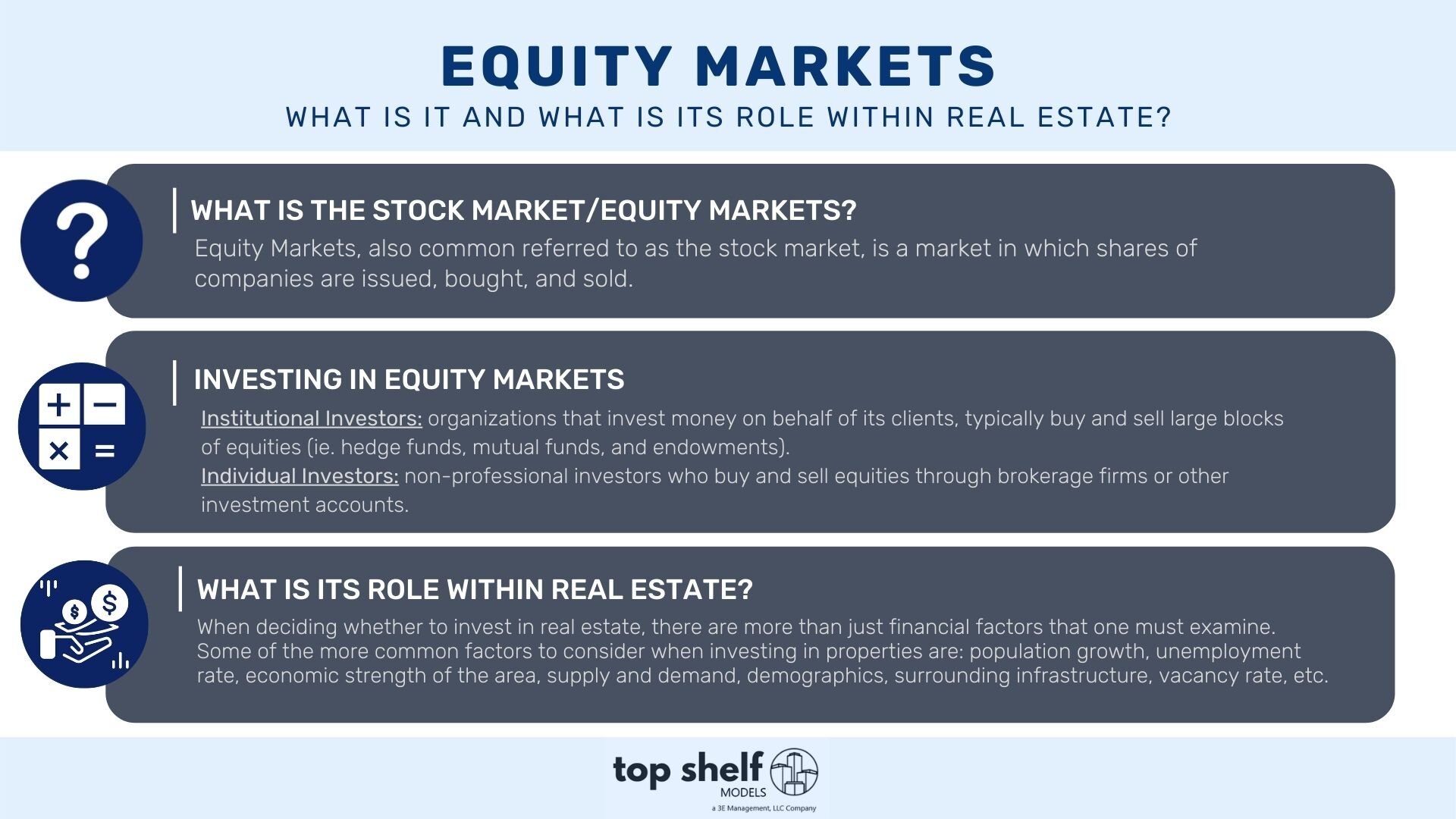
The equity market, often referred to as the stock market, is a foundational pillar of the global financial system. It serves as a crucial arena where ownership stakes in companies are bought and sold, facilitating capital formation for businesses and offering investors avenues for wealth accumulation. Far more than just a place to trade shares, the equity market is a complex ecosystem reflecting economic sentiment, corporate performance, and investor psychology. Understanding its mechanics, functions, and participants is essential for anyone looking to comprehend modern finance, whether you’re a budding investor, a business owner seeking capital, or simply a citizen observing economic trends. This comprehensive guide will demystify the equity market, breaking down its core components, vital functions, and the opportunities and risks it presents.
The Fundamentals of Equity Markets
At its core, an equity market is where financial instruments representing ownership (equities or stocks) are issued and traded. These markets are dynamic, influenced by a myriad of factors ranging from company-specific news to broad macroeconomic indicators and geopolitical events.
Defining Equity
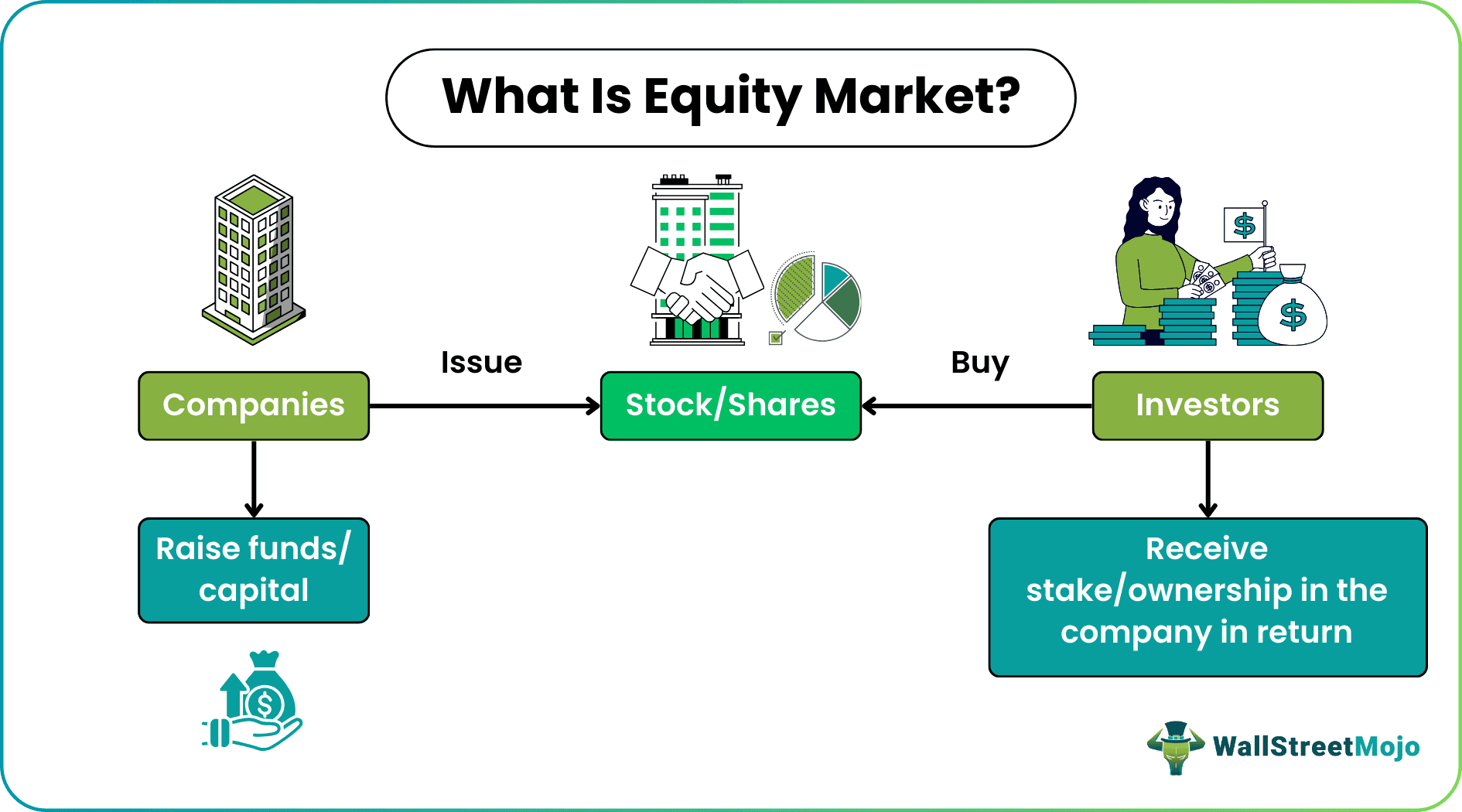
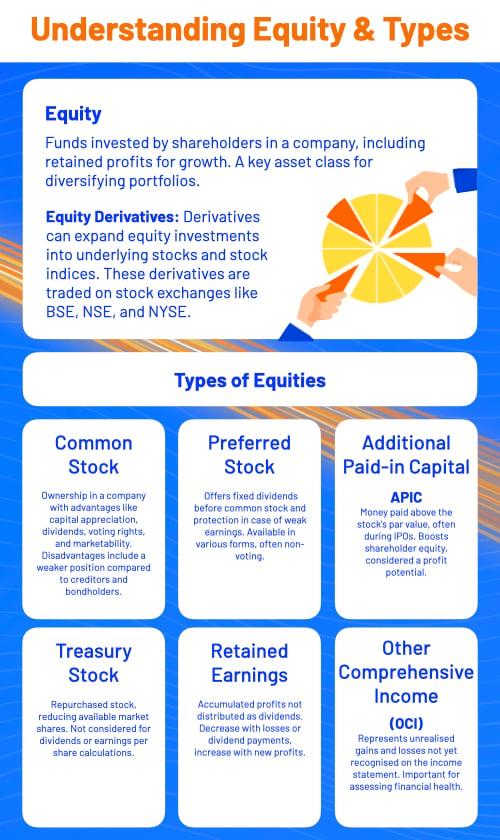
Equity, in the context of an equity market, represents ownership in a company. When you buy a share of stock, you are purchasing a small fraction of that company, making you a shareholder. This ownership typically comes with certain rights, most commonly the right to a portion of the company’s profits (dividends) and the right to vote on significant corporate matters, such as the election of the board of directors. The value of equity can fluctuate based on the company’s performance, industry trends, and overall market sentiment. Companies issue equity to raise capital for growth, expansion, or to fund operations, thereby diluting existing ownership but gaining access to vital funds.
Primary vs. Secondary Markets
The equity market operates through two distinct but interconnected segments: the primary market and the secondary market.
- Primary Market: This is where new securities are issued for the first time. Companies looking to raise capital directly from investors will sell their shares through an Initial Public Offering (IPO) or a subsequent offering (like a rights issue). In an IPO, a private company offers its shares to the public for the first time, converting from private to public ownership. The funds raised in the primary market go directly to the issuing company, which uses them for its business objectives. Investment banks typically facilitate these transactions, acting as underwriters who help price and distribute the shares.
- Secondary Market: Once shares have been issued in the primary market, they are then traded among investors in the secondary market. This is the more commonly recognized “stock market” where individual and institutional investors buy and sell existing shares from each other. The company that originally issued the shares does not directly receive any money from trades in the secondary market; the transaction occurs solely between buyers and sellers. Examples include major stock exchanges like the New York Stock Exchange (NYSE) and the Nasdaq. The secondary market provides liquidity for investors, allowing them to easily convert their stock holdings into cash, making primary market investments more attractive.
Key Participants
A diverse group of participants drives the equity market, each with their own motives and strategies:
- Issuers: These are the companies that raise capital by selling shares to the public. They seek funding to grow, innovate, or manage their operations.
- Investors: This broad category includes individuals (retail investors), institutional investors (pension funds, mutual funds, hedge funds, insurance companies), and sovereign wealth funds. Investors buy shares with the expectation of capital appreciation (the stock’s value increasing) or income generation (through dividends).
- Intermediaries: Investment banks, brokers, and dealers act as facilitators. Investment banks help companies issue shares, while brokers execute trades on behalf of investors. Dealers trade for their own accounts, providing liquidity to the market.
- Regulators: Government bodies and self-regulatory organizations (e.g., the Securities and Exchange Commission in the US) oversee the market to ensure fairness, transparency, and investor protection.
- Market Makers: These are firms or individuals who stand ready to buy and sell specific stocks at quoted prices, helping to ensure liquidity and smooth trading by narrowing the bid-ask spread.
Functions and Significance of Equity Markets
Beyond facilitating transactions, equity markets perform several critical functions that are vital for economic growth and stability.
Capital Formation for Businesses
Perhaps the most crucial function of an equity market is to enable companies to raise significant capital. By issuing shares, businesses can access a broad pool of investor capital without incurring debt. This equity financing allows companies to fund research and development, expand operations, acquire other businesses, or simply stabilize their balance sheets. For startups and rapidly growing companies, access to equity markets can be transformative, providing the necessary fuel for innovation and job creation. Without robust equity markets, many businesses would struggle to find the financing required to scale and compete effectively.
Wealth Creation for Investors
For investors, the equity market offers a powerful mechanism for wealth creation and accumulation. Historically, equities have outperformed other asset classes like bonds and cash over the long term, making them an attractive option for retirement planning and long-term financial goals. Investors can benefit from capital gains (selling shares at a higher price than bought) and dividend income. The ability to invest in a diverse portfolio of companies across various industries allows individuals to participate in economic growth and build substantial wealth over time, leveraging the power of compounding.
Price Discovery and Valuation
The continuous buying and selling activity in the secondary market leads to price discovery. The market price of a stock at any given moment reflects the collective opinion of all buyers and sellers regarding the company’s current value and future prospects. This “discovery” mechanism is crucial because it provides a real-time valuation of companies, guiding management decisions, M&A activities, and capital allocation. Analysts and investors use these market prices, along with fundamental data, to assess whether a stock is overvalued or undervalued, leading to more efficient allocation of capital across the economy.
Economic Barometer
Equity markets are often considered a leading economic indicator or an “economic barometer.” Stock market performance tends to anticipate future economic conditions. A rising market often signals investor confidence in future corporate earnings and economic growth, while a declining market can reflect fears of recession or slow growth. While not always perfectly predictive, the equity market provides valuable insights into the health and direction of the broader economy, influencing policy decisions and business strategies.
Types of Equity Markets and Trading Mechanisms
The global equity market is a vast network of exchanges and platforms, each with its own characteristics and rules.
Stock Exchanges
Stock exchanges are centralized marketplaces where listed securities are traded. They provide a regulated environment with established rules for listing, trading, and settlement. Major global exchanges include:
- New York Stock Exchange (NYSE): Known for its “auction market” model, where brokers meet on the trading floor to execute orders, though electronic trading now dominates. It lists many of the world’s largest and most established companies.
- Nasdaq Stock Market: Primarily an electronic exchange, Nasdaq is known for listing technology and growth companies. It operates on a “dealer market” model, where market makers provide bid and ask prices.
- London Stock Exchange (LSE): A primary exchange in Europe, offering markets for a wide range of companies.
- Tokyo Stock Exchange (TSE): The largest exchange in Asia, crucial for Japanese and international companies.
These exchanges provide infrastructure, regulatory oversight, and transparency, ensuring fair and orderly trading.
Over-the-Counter (OTC) Markets
In contrast to centralized exchanges, OTC markets are decentralized. Securities traded OTC are not listed on formal exchanges but are instead traded directly between two parties through a dealer network. This market is often used for smaller companies, illiquid securities, or those that do not meet the stringent listing requirements of major exchanges. Examples include the OTC Bulletin Board (OTCBB) and Pink Sheets in the US. While offering flexibility, OTC markets can have less liquidity and transparency compared to exchange-traded markets, leading to potentially higher risks for investors.
Electronic Trading Systems
The vast majority of equity trading today occurs electronically. High-speed computer networks match buy and sell orders, often within milliseconds. This has led to:
- Algorithmic Trading: Using complex algorithms to execute trades at high speeds, often exploiting tiny price discrepancies.
- High-Frequency Trading (HFT): A subset of algorithmic trading characterized by extremely rapid execution and cancellation of orders.
- Dark Pools: Private trading venues where institutional investors can trade large blocks of shares anonymously, minimizing market impact.
Electronic trading has significantly increased market efficiency and liquidity but also introduced new complexities and concerns regarding market stability and fairness.
Understanding Equity Market Indices and Performance
To gauge the overall health and direction of the equity market, investors and analysts rely heavily on market indices.
Major Global Indices
An equity market index is a hypothetical portfolio of stocks representing a segment of the market or the market as a whole. They serve as benchmarks for performance.
- S&P 500 (US): Tracks 500 of the largest publicly traded companies in the United States, widely regarded as the best gauge of large-cap U.S. equities and a proxy for the overall health of the U.S. economy.
- Dow Jones Industrial Average (DJIA) (US): Comprises 30 large, publicly owned companies traded on the NYSE and Nasdaq. While historically significant, its small number of components makes it less representative than the S&P 500.
- FTSE 100 (UK): Consists of the 100 largest companies by market capitalization listed on the London Stock Exchange.
- Nikkei 225 (Japan): A price-weighted average of 225 large, publicly owned companies in Japan.
- DAX (Germany): Tracks the performance of 40 major German blue-chip companies traded on the Frankfurt Stock Exchange.
- Hang Seng Index (Hong Kong): Measures the performance of the largest companies listed on the Hong Kong Stock Exchange.
These indices allow investors to track general market trends, compare their portfolio performance, and understand macro-economic shifts.
Factors Influencing Market Performance
Equity market performance is a complex interplay of various factors:
- Corporate Earnings: Company profits and revenue growth are fundamental drivers. Strong earnings reports typically boost stock prices.
- Economic Growth: A healthy economy generally translates to higher corporate profits and consumer spending, positively impacting stock markets.
- Interest Rates: Lower interest rates can make equity investments more attractive relative to bonds, and reduce borrowing costs for companies, stimulating growth.
- Inflation: High inflation can erode purchasing power and corporate profits, often leading to market downturns, especially if interest rates rise to combat it.
- Geopolitical Events: Wars, trade disputes, and political instability can introduce uncertainty and volatility, causing market fluctuations.
- Technological Advancements: Innovation can create new industries and disrupt old ones, leading to significant shifts in market leadership.
- Investor Sentiment: Psychological factors, such as fear and greed, can drive irrational exuberance or panic selling, leading to market bubbles or crashes.
Risks and Opportunities in Equity Investing
Investing in equity markets comes with both substantial risks and significant opportunities. A balanced perspective and a strategic approach are crucial.
Market Volatility and Risk Management
Equity markets are inherently volatile. Stock prices can fluctuate dramatically over short periods due to market sentiment, economic news, or company-specific events. Key risks include:
- Market Risk: The risk that the entire market or a broad segment will decline, impacting even fundamentally sound companies.
- Company-Specific Risk (Idiosyncratic Risk): Risks unique to a particular company, such as poor management, product failures, or legal issues.
- Liquidity Risk: The risk of not being able to sell shares quickly enough without significantly affecting the price, more common in less-traded stocks.
- Inflation Risk: The risk that inflation will erode the real returns on investment.
Effective risk management involves diversification (spreading investments across different companies, industries, and geographies), asset allocation (balancing stocks with other asset classes like bonds), and investing for the long term to ride out short-term fluctuations.
Long-Term Growth Potential
Despite short-term volatility, equities have historically offered superior returns over the long run compared to other asset classes. The power of compounding, where returns generate further returns, allows modest initial investments to grow substantially over decades. Companies that continuously innovate, expand, and return value to shareholders through dividends and share buybacks can provide significant capital appreciation. Long-term investors who focus on quality companies and maintain a disciplined approach are often rewarded.
Diversification Strategies
Diversification is the cornerstone of prudent equity investing. By not putting all eggs in one basket, investors can reduce the impact of any single stock or industry performing poorly. Strategies include:
- Industry Diversification: Investing across various sectors (e.g., technology, healthcare, finance, consumer staples).
- Geographic Diversification: Investing in companies from different countries and regions to mitigate country-specific risks.
- Market Cap Diversification: Including large-cap, mid-cap, and small-cap stocks in a portfolio, as they often behave differently.
- Style Diversification: Balancing “growth” stocks (companies expected to grow earnings faster than the market) with “value” stocks (companies trading below their intrinsic value).
Regulatory Frameworks
Robust regulatory frameworks are critical for maintaining confidence and fairness in equity markets. Regulators like the SEC in the US or the FCA in the UK impose rules on disclosure, trading practices, and corporate governance to protect investors from fraud, manipulation, and insider trading. These regulations aim to ensure transparency, promote ethical conduct, and provide recourse for investors, thereby fostering a stable and trustworthy investment environment.
In conclusion, the equity market is a sophisticated and indispensable component of the modern financial landscape. It serves as a vital conduit for capital, a driver of economic growth, and a powerful tool for wealth creation. While it presents inherent risks due to its dynamic nature, a thorough understanding of its fundamentals, functions, and the strategies for managing risk can empower investors to navigate its complexities and harness its immense opportunities for long-term financial success.
aViewFromTheCave is a participant in the Amazon Services LLC Associates Program, an affiliate advertising program designed to provide a means for sites to earn advertising fees by advertising and linking to Amazon.com. Amazon, the Amazon logo, AmazonSupply, and the AmazonSupply logo are trademarks of Amazon.com, Inc. or its affiliates. As an Amazon Associate we earn affiliate commissions from qualifying purchases.