
The environmental sector is a rapidly evolving and increasingly crucial field, driven by growing global awareness of ecological challenges and the imperative for sustainable practices. Within this vital industry, environmental technicians play an indispensable, hands-on role, acting as the frontline workforce in data collection, monitoring, and the practical implementation of environmental protection strategies. Far from being solely theoretical, their work is grounded in the tangible assessment and remediation of our planet’s health, directly impacting the quality of air, water, and soil that we all depend on. Understanding the role of an environmental technician is key to appreciating the practical mechanisms behind environmental science and policy.
The Core Responsibilities of an Environmental Technician
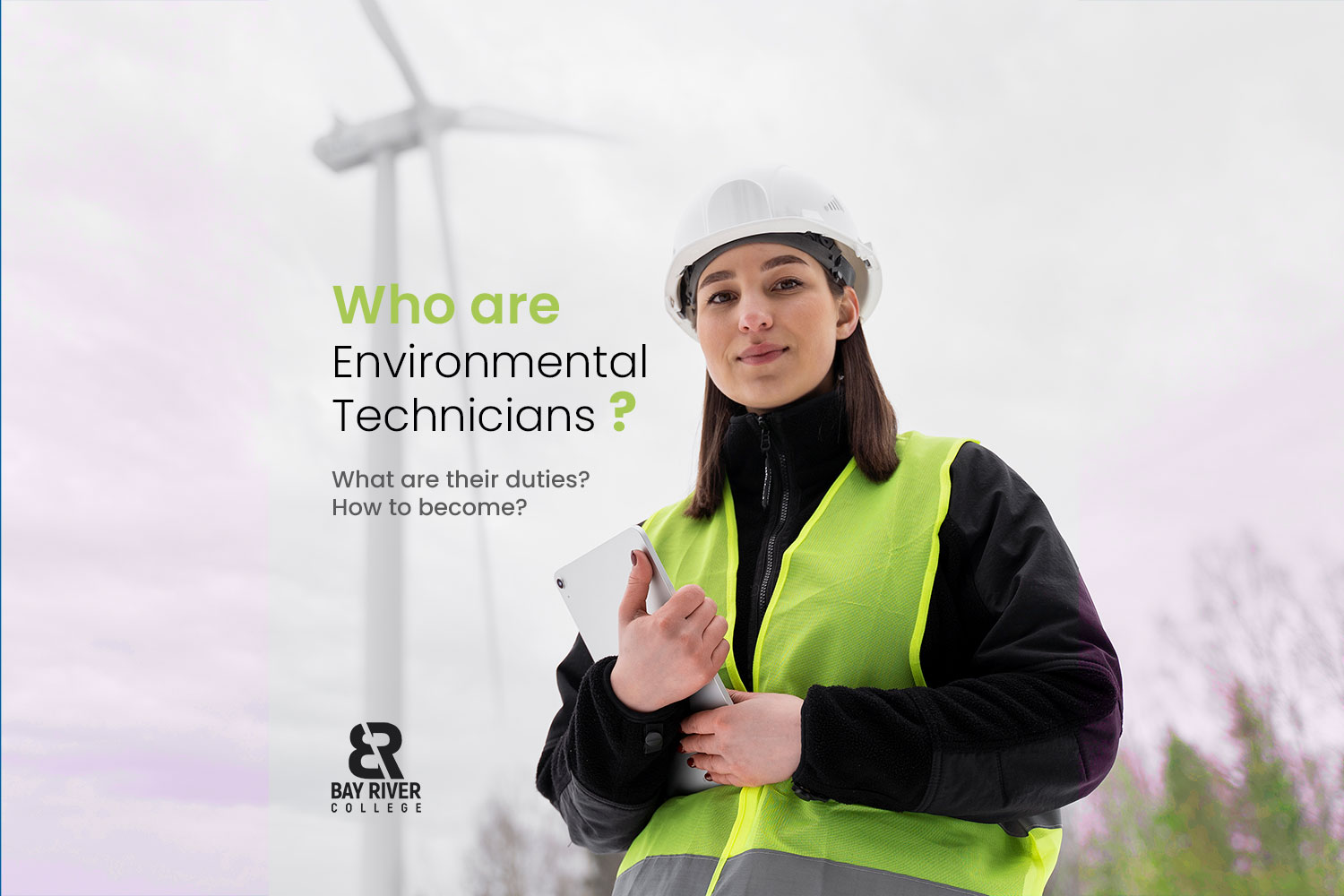
Environmental technicians are the backbone of many environmental initiatives, tasked with the crucial job of gathering the data that informs critical decisions. Their work bridges the gap between scientific theory and practical application, ensuring that environmental regulations are met and that remediation efforts are effective. This often involves venturing into diverse and sometimes challenging environments, requiring a blend of technical skill, scientific understanding, and a commitment to safety.
Field Data Collection and Sampling
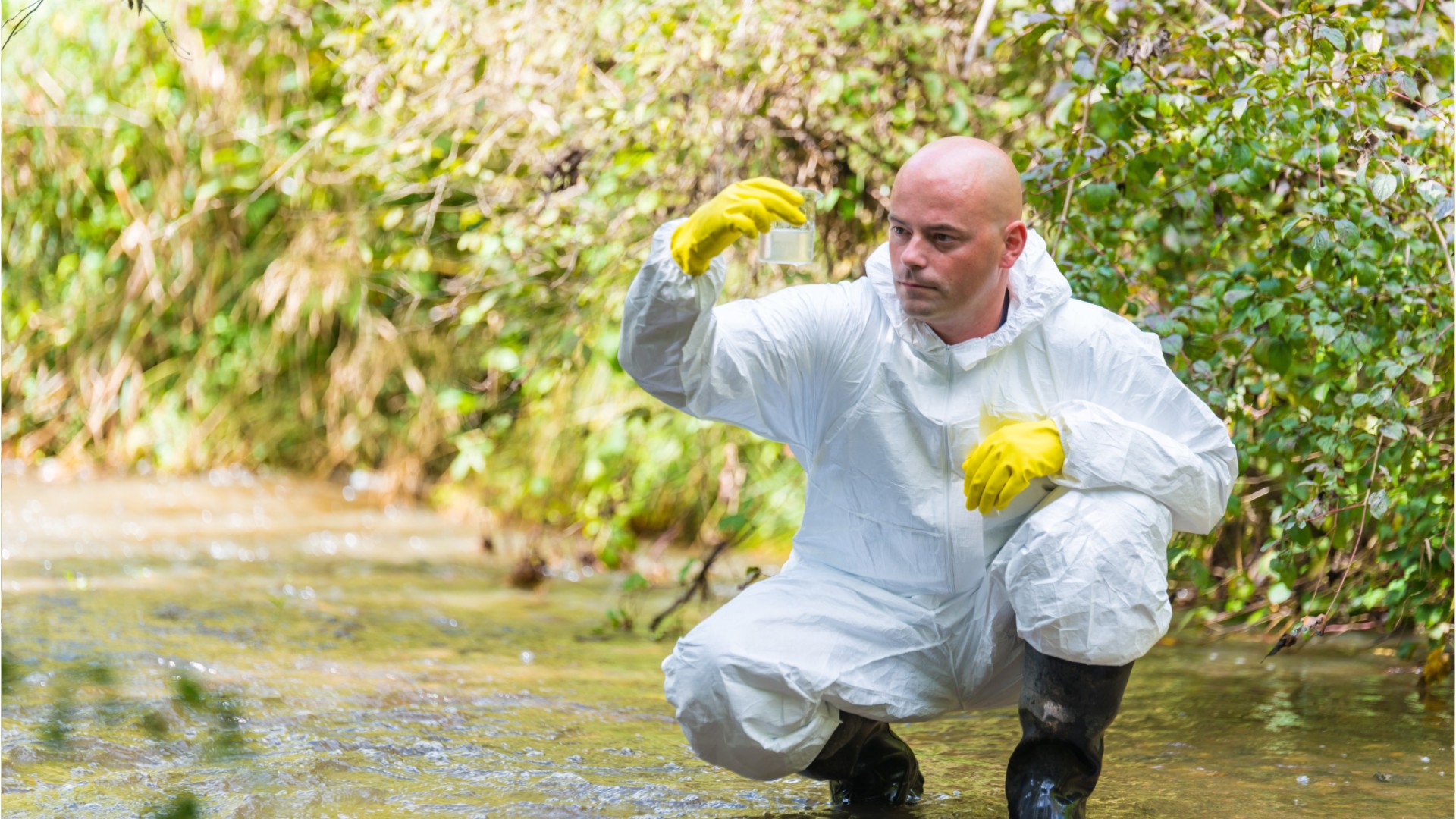
A significant portion of an environmental technician’s role involves direct fieldwork. This encompasses a wide array of activities designed to assess environmental conditions. They might collect samples of soil, water, or air from various locations, meticulously documenting the conditions under which these samples are taken. For instance, a technician might be tasked with monitoring a river’s water quality, taking measurements for parameters such as pH, dissolved oxygen, turbidity, and temperature at different points along its course. This data is crucial for identifying sources of pollution and understanding the ecological health of the waterway. Similarly, air quality monitoring might involve setting up and calibrating specialized equipment in urban areas or near industrial sites to measure particulate matter, ozone, or other airborne pollutants. Soil sampling can be equally diverse, ranging from collecting samples in agricultural fields to assess nutrient levels to gathering samples from potentially contaminated industrial sites for chemical analysis. The precision and accuracy with which these samples are collected and documented are paramount, as they form the basis for subsequent laboratory analysis and the development of environmental management plans.
Laboratory Analysis and Sample Processing
Once collected, environmental samples are often transported to laboratories for further analysis. While some technicians may specialize in fieldwork, others are integral to the laboratory component of environmental assessment. In a lab setting, environmental technicians operate and maintain sophisticated analytical instruments. This can include spectrophotometers, chromatographs, and other equipment used to identify and quantify chemical contaminants or biological agents. They follow strict protocols and standard operating procedures to ensure the reliability and accuracy of their results. This might involve preparing samples for analysis, running tests, and recording the findings. For example, a water sample might be tested for the presence of heavy metals like lead or mercury, or for agricultural runoff chemicals such as nitrates and phosphates. Soil samples might be analyzed for heavy metal contamination, petroleum hydrocarbons, or pesticide residues. The meticulous attention to detail required in laboratory work is as critical as in the field, as any error in processing or analysis can lead to misinterpretations of environmental data and, consequently, flawed decision-making.
Equipment Operation and Maintenance
Environmental technicians are proficient in the use and upkeep of a wide range of specialized equipment. This includes everything from simple sampling tools and personal protective gear to sophisticated monitoring devices and laboratory instrumentation. Regular calibration and maintenance are essential to ensure that this equipment functions accurately and reliably. A faulty sensor or improperly calibrated instrument can render an entire data set useless, or worse, lead to incorrect conclusions about environmental conditions. Therefore, technicians are responsible for performing routine checks, troubleshooting minor issues, and coordinating repairs for more complex problems. This expertise ensures the integrity of the data collected and the efficiency of environmental monitoring programs. This responsibility extends to understanding the technical specifications of different devices, knowing when and how to deploy them for optimal results, and being aware of their limitations.
The Technological Landscape of Environmental Technicianry
The field of environmental technology is in constant flux, driven by advancements in sensor technology, data analytics, and automation. Environmental technicians are at the forefront of adopting and utilizing these new tools, which enhance the efficiency, accuracy, and scope of their work. Staying abreast of these technological trends is not merely beneficial but essential for career progression and for effectively addressing complex environmental challenges.
Advanced Monitoring Devices and Sensors
Modern environmental technicians utilize an array of sophisticated electronic devices and sensors that provide real-time or near real-time data on environmental parameters. These can range from portable, handheld meters that measure air quality indexes or water pH on-site, to more complex stationary monitoring stations that continuously track pollutants like sulfur dioxide, nitrogen oxides, or volatile organic compounds. The development of remote sensing technologies, including drones equipped with multispectral cameras and LiDAR systems, has revolutionized the way large areas are surveyed for environmental impacts, such as deforestation, land degradation, or the presence of oil spills. In aquatic environments, automated buoys equipped with sensors can monitor water temperature, salinity, dissolved oxygen, and chlorophyll levels, transmitting data wirelessly for analysis. These technologies allow for more comprehensive and continuous environmental surveillance, often in remote or hazardous locations, thereby reducing the need for extensive manual sampling and increasing the breadth of data coverage.
Data Acquisition and Management Software
The sheer volume of data generated by advanced monitoring equipment necessitates robust data acquisition and management systems. Environmental technicians work with specialized software designed to collect, organize, store, and analyze environmental data. This can include Geographic Information Systems (GIS) for mapping and spatial analysis, which allows technicians to visualize the distribution of pollutants or the extent of environmental damage. Laboratory Information Management Systems (LIMS) are used to track samples, manage analytical results, and ensure compliance with regulatory standards. Furthermore, cloud-based platforms are increasingly being adopted for real-time data sharing and collaborative analysis, enabling teams to access and interpret environmental information from anywhere. Proficiency in using these software tools is crucial for processing raw data into meaningful insights that can inform environmental policy and action. This includes understanding database structures, performing queries, and generating reports and visualizations.
Emerging Technologies: AI and Machine Learning in Environmental Monitoring
The integration of Artificial Intelligence (AI) and Machine Learning (ML) is a significant emerging trend in environmental monitoring. AI algorithms can be trained to detect anomalies in sensor data, predict pollution events, and optimize sampling strategies. For instance, ML models can analyze historical weather patterns and emissions data to forecast air quality levels with greater accuracy. AI can also be used to interpret satellite imagery for identifying illegal logging activities or changes in land use patterns. For environmental technicians, this means the ability to leverage these advanced analytical tools to gain deeper insights from their collected data. They may be involved in feeding data into AI models, validating the outputs of AI analyses, or using AI-generated predictions to guide their fieldwork. This technological evolution signifies a shift from purely reactive environmental monitoring to a more proactive and predictive approach, allowing for earlier intervention and more effective environmental management.
Career Paths and Educational Requirements for Environmental Technicians
The role of an environmental technician is a gateway to a fulfilling career in a field with significant societal impact. The educational pathways and career progression within this profession are diverse, catering to individuals with varying levels of technical background and aspirations. The demand for skilled environmental technicians continues to grow, driven by an increasing need for environmental stewardship and regulatory compliance across various industries.
Educational Foundations and Certifications
The typical educational background for an environmental technician involves a post-secondary diploma or associate’s degree in environmental technology, environmental science, or a related field from a college or technical institute. These programs provide students with a strong foundation in biology, chemistry, physics, mathematics, and the principles of environmental science, alongside practical training in data collection, laboratory techniques, and environmental regulations. Some positions may also be attainable with a bachelor’s degree in environmental science or a related discipline, particularly for roles involving more advanced analysis or project management. Beyond formal education, obtaining professional certifications can significantly enhance an environmental technician’s qualifications and career prospects. Organizations like the National Registry of Environmental Professionals (NREP) offer certifications in various specializations, demonstrating competence and adherence to professional standards. These certifications often require a combination of education, experience, and passing a comprehensive examination, signaling to employers a commitment to expertise and ethical practice.
Diverse Work Environments and Industries
Environmental technicians are employed across a broad spectrum of industries and government agencies, reflecting the ubiquitous nature of environmental concerns. They can be found working for environmental consulting firms, which provide services to other businesses and organizations seeking to comply with environmental regulations or assess environmental risks. Manufacturing and industrial companies often employ environmental technicians to monitor their operations and ensure compliance with emissions standards. Utility companies, such as power plants and water treatment facilities, rely on technicians to monitor water and air quality. Government agencies at the federal, state, and local levels, including environmental protection agencies and park services, hire technicians for regulatory enforcement, research, and conservation efforts. Furthermore, roles exist within the mining, oil and gas, and agricultural sectors, as well as in non-profit environmental organizations and academic research institutions. This diversity of work environments offers ample opportunities for technicians to specialize in areas that align with their interests, whether it be water resource management, air quality control, hazardous waste management, or ecological restoration.
Advancement Opportunities and Specializations
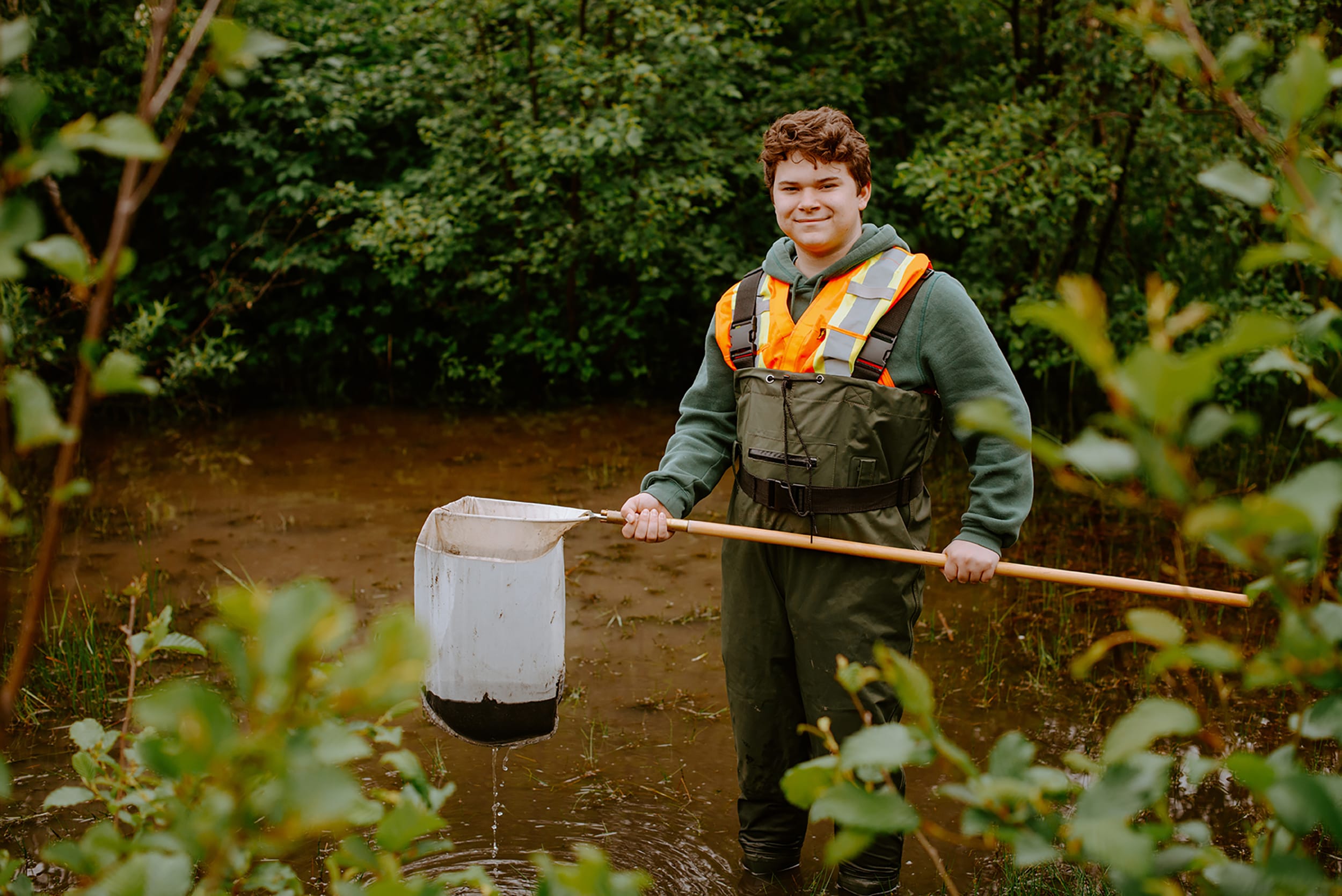
Within the field of environmental technology, there are numerous avenues for career advancement and specialization. With experience, environmental technicians can progress into roles such as senior technician, project coordinator, or environmental specialist. Some may choose to pursue further education to transition into roles like environmental scientist, environmental engineer, or environmental manager, which involve more in-depth research, policy development, or oversight. Specialization is also a common career trajectory. Technicians might focus on specific areas such as:
- Air Quality Monitoring: Specializing in the measurement and analysis of air pollutants.
- Water Quality Management: Focusing on the assessment and protection of surface and groundwater resources.
- Wastewater Treatment: Working in facilities to ensure water is treated effectively before discharge.
- Hazardous Waste Management: Involved in the safe handling, disposal, and remediation of hazardous materials.
- Ecology and Conservation: Assisting in fieldwork related to biodiversity surveys, habitat assessment, and restoration projects.
- Environmental Auditing and Compliance: Ensuring that organizations adhere to environmental laws and regulations.
These specializations often require additional training or certifications but can lead to more focused and impactful career paths, contributing directly to solutions for pressing environmental issues. The continuous evolution of environmental science and technology ensures that the role of the environmental technician remains dynamic and essential.
aViewFromTheCave is a participant in the Amazon Services LLC Associates Program, an affiliate advertising program designed to provide a means for sites to earn advertising fees by advertising and linking to Amazon.com. Amazon, the Amazon logo, AmazonSupply, and the AmazonSupply logo are trademarks of Amazon.com, Inc. or its affiliates. As an Amazon Associate we earn affiliate commissions from qualifying purchases.