
The intersection of medicine and technology has never been more critical than in the realm of neurology. Specifically, when addressing an embolic stroke—a condition where a blood clot forms elsewhere in the body and travels to the brain—the speed and precision of modern technology can mean the difference between full recovery and permanent disability. As we navigate the third decade of the 21st century, the definition of what an embolic stroke is has expanded beyond a biological event into a data-driven challenge that tech innovators are determined to solve.
Defining the Embolic Stroke in the Digital Age
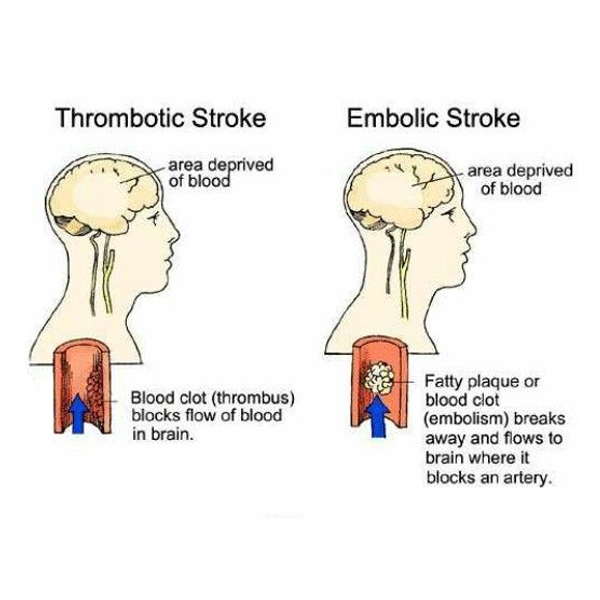
At its core, an embolic stroke occurs when a “traveling” clot (embolus) lodges in a narrow artery of the brain. Unlike a thrombotic stroke, where the clot forms directly within the brain’s blood vessels, an embolic stroke is often a secondary symptom of a systemic issue, most commonly Atrial Fibrillation (Afib). In the tech sector, we view this not just as a medical crisis, but as a failure of early warning systems.
The Mechanics of Embolisms: A Systems Perspective
To understand the embolic stroke through a tech lens, one must view the human circulatory system as a complex hydraulic network controlled by bio-electric signals. When the heart’s electrical system malfunctions, blood pools and clots. The subsequent journey of that clot to the brain is a high-stakes logistics problem. Technology’s role is to map this journey, predict the clot’s trajectory, and intervene before the “bandwidth” of the brain—its oxygen supply—is compromised.
Why Precision Tech Matters for Identification
Identifying an embolic stroke traditionally relied on physical symptoms like facial drooping or slurred speech. However, by the time these symptoms appear, neurological damage is already occurring. Digital health tools are shifting the paradigm from reactive treatment to proactive monitoring. By utilizing high-frequency data collection, clinicians can now identify the “pre-embolic” state, catching the irregularities in heart rhythm that precede the formation of the clot.
Diagnostic Breakthroughs: From Advanced Imaging to AI Algorithms
The “Gold Standard” for diagnosing a stroke has long been neuroimaging. However, the software layer sitting atop the hardware is where the most significant technological leaps are occurring. Today, a CT scan or MRI is more than just a picture; it is a rich dataset that Artificial Intelligence (AI) can analyze in seconds.
Next-Gen Neuroimaging: Enhancing Clarity and Speed
Modern imaging hardware, such as 3-Tesla MRI machines, provides unprecedented resolution. But the real innovation lies in automated perfusion software. These programs use complex algorithms to measure blood flow in real-time, distinguishing between the “infarct core” (tissue already lost) and the “penumbra” (tissue that can still be saved). This data allows surgeons to make split-second decisions about whether to proceed with aggressive interventions.
AI-Powered Clot Detection Systems
The emergence of AI platforms like Viz.ai and RapidAI has revolutionized the triage process. These AI tools are integrated directly into the hospital’s imaging pipeline. As soon as a patient is scanned, the AI scans the images for signs of a Large Vessel Occlusion (LVO)—the hallmark of a severe embolic stroke. If a clot is detected, the software automatically alerts the entire stroke team via an encrypted mobile app. This removes the “human lag” of waiting for a radiologist to read the scan, potentially saving millions of neurons.
Wearable Technology and Continuous Monitoring Systems
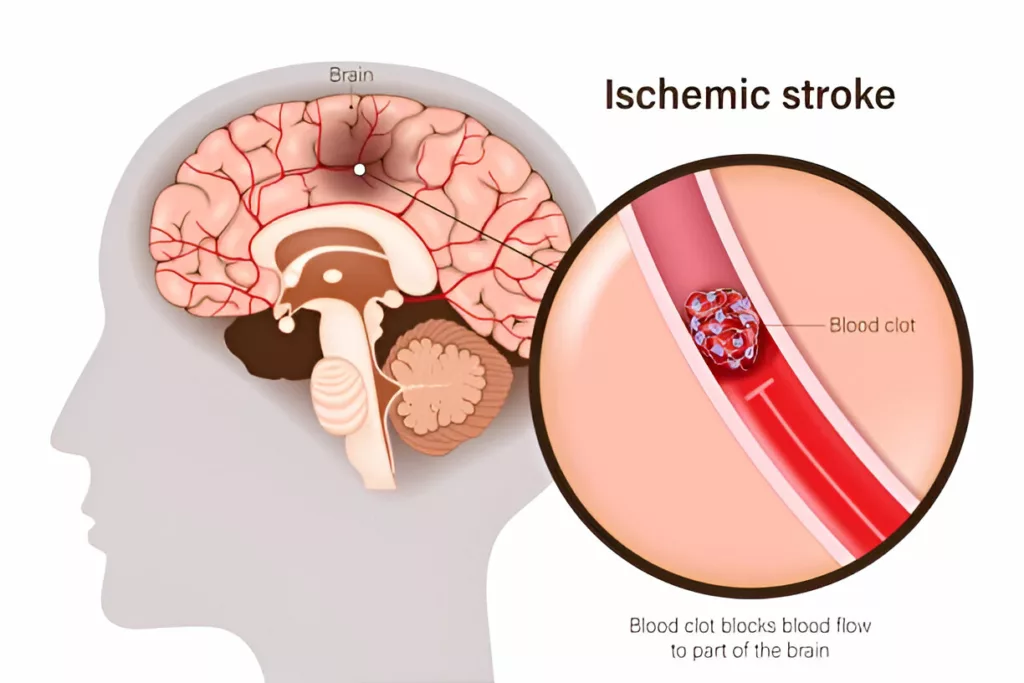
The greatest challenge with embolic strokes is that they are often “cryptogenic,” meaning the source is unknown. Often, this is because the heart arrhythmia (Afib) is intermittent. This is where consumer-grade and medical-grade wearables have become game-changers in digital health.
Monitoring Atrial Fibrillation via Smartwatches
The democratization of health tech through the Apple Watch, Samsung Galaxy Watch, and Fitbit has placed ECG-grade monitoring on the wrists of millions. These devices use photoplethysmography (PPG) sensors to detect irregular pulse rates. For a patient at risk of an embolic stroke, a notification from their smartwatch can prompt an early doctor’s visit, leading to the prescription of anticoagulants before a clot ever has the chance to form. This is a prime example of “preventative tech” reducing the global burden of stroke.
Remote Patient Monitoring (RPM) and Post-Stroke Care
For those who have already suffered an embolic stroke, the risk of a recurrence is high. Remote Patient Monitoring (RPM) platforms allow neurologists to track patient vitals 24/7. Advanced bio-patches and implantable loop recorders (ILRs) stream data directly to the cloud. If the system detects a heart rhythm anomaly, an automated alert is triggered, allowing for immediate pharmacological adjustment. This integration of IoT (Internet of Things) into stroke recovery is fundamentally changing the long-term prognosis for survivors.
Robotic Surgery and Tele-Neurology: The Future of Intervention
When an embolic stroke is in progress, “Time is Brain.” Technological intervention has moved beyond the pharmacy and into the operating room, where robotics and high-speed telecommunications are redefining surgical limits.
Robotic-Assisted Thrombectomy
Mechanical thrombectomy is the process of physically removing a clot from the brain. It is a delicate procedure requiring immense precision. New robotic platforms allow interventionalists to guide micro-catheters through the arterial system with haptic feedback and sub-millimeter accuracy. These robots can filter out a surgeon’s natural hand tremors, making it possible to navigate the tortuous vessels of the brain that were previously considered “unreachable.”
The Rise of Telestroke Networks
Not every hospital has a world-class neurologist on-site 24/7. Telestroke technology bridges this gap. Using high-definition video conferencing and remote access to imaging data, a specialist at a major “Comprehensive Stroke Center” can examine a patient at a rural clinic hundreds of miles away. They can diagnose an embolic stroke and authorize the administration of clot-busting drugs (like tPA or TNK) via a digital interface. This use of “Tele-Tech” ensures that geographical location no longer dictates a patient’s survival rate.
Data Security and the Ethics of Neurological Health Data
As we digitize the management of embolic strokes, we encounter a new set of challenges: the security of the data itself. Neurological data is some of the most sensitive information a human can generate, and protecting it is a top priority for the digital security sector.
Protecting Sensitive Patient Biometrics
With the rise of cloud-based AI diagnostics and wearable data, the attack surface for cybercriminals has expanded. Healthcare institutions are now investing heavily in end-to-end encryption and blockchain technology to secure patient records. In the context of embolic strokes, ensuring that an AI-generated alert is authentic and hasn’t been tampered with is critical. A “man-in-the-middle” attack on a telestroke network could have fatal consequences, making cybersecurity an integral part of modern stroke care.
The Ethics of Predictive Algorithms
As software becomes better at predicting who might suffer an embolic stroke, ethical questions arise. If a wearable device predicts a 90% chance of a stroke within the next year, how does that affect insurance premiums or employment? Tech leaders and medical ethicists are currently working on frameworks to ensure that the data used to save lives isn’t weaponized against the patients themselves. Transparency in AI “black boxes” is essential so that clinicians—and patients—understand why a specific technological intervention is being recommended.

Conclusion: A Tech-Forward Approach to Stroke Care
What is an embolic stroke? In the modern era, it is a formidable medical challenge that is increasingly being met with sophisticated technological solutions. From the AI that identifies a clot in seconds to the wearable on a patient’s wrist that prevents the clot from ever forming, the “Tech” niche is the primary driver of progress in this field.
As hardware becomes more precise and software more intelligent, the mortality and disability rates associated with embolic strokes are poised to plummet. The future of neurology is not just in the hands of doctors, but in the code written by developers, the sensors designed by engineers, and the secure networks maintained by IT professionals. By viewing the embolic stroke as a problem of data, timing, and precision, we are finally gaining the upper hand over one of the most sudden and devastating conditions known to man.
aViewFromTheCave is a participant in the Amazon Services LLC Associates Program, an affiliate advertising program designed to provide a means for sites to earn advertising fees by advertising and linking to Amazon.com. Amazon, the Amazon logo, AmazonSupply, and the AmazonSupply logo are trademarks of Amazon.com, Inc. or its affiliates. As an Amazon Associate we earn affiliate commissions from qualifying purchases.