
In an increasingly interconnected world, the concept of an “eco footprint” has risen to prominence as a critical metric for understanding our environmental impact. While often discussed in ecological terms, its implications extend deeply into the realm of finance, influencing personal budgets, corporate strategies, and global economic stability. An eco footprint, at its core, quantifies the land and sea area required to support a population’s lifestyle and absorb its waste. From a financial perspective, this measure illuminates the hidden costs and burgeoning opportunities associated with our resource consumption and waste generation, compelling a re-evaluation of how we earn, spend, save, and invest. This article delves into the eco footprint through a dedicated financial lens, exploring its monetary significance, the financial imperative for reduction, and the strategic opportunities it presents for individuals and businesses alike.
Understanding Your Eco Footprint: A Financial Perspective
Every choice we make, from the food we buy to the energy we consume, carries both a direct financial cost and an indirect environmental one. The eco footprint framework helps us aggregate these environmental costs, revealing a comprehensive picture of our demand on Earth’s natural capital. When viewed through a financial lens, it becomes clear that our ecological impact is inextricably linked to our economic well-being and long-term financial stability.
Defining the Eco Footprint and its Monetary Significance
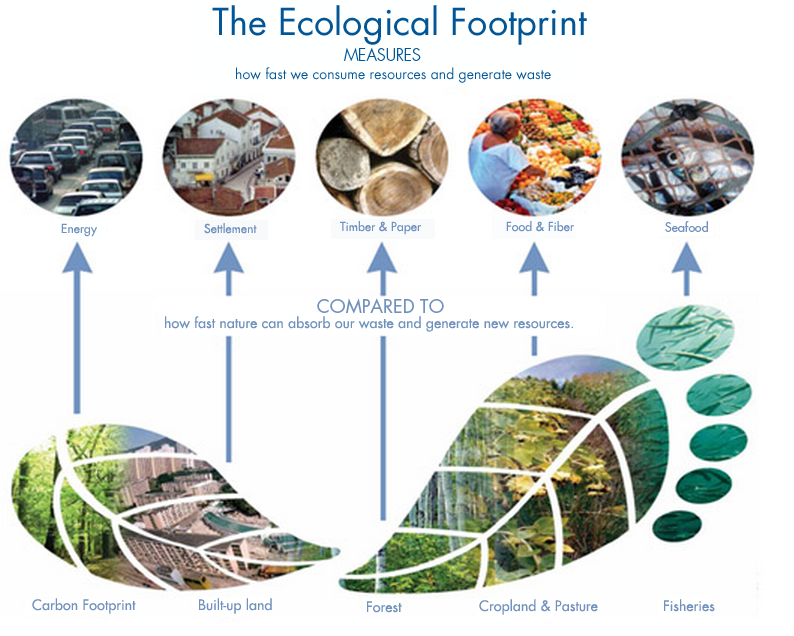
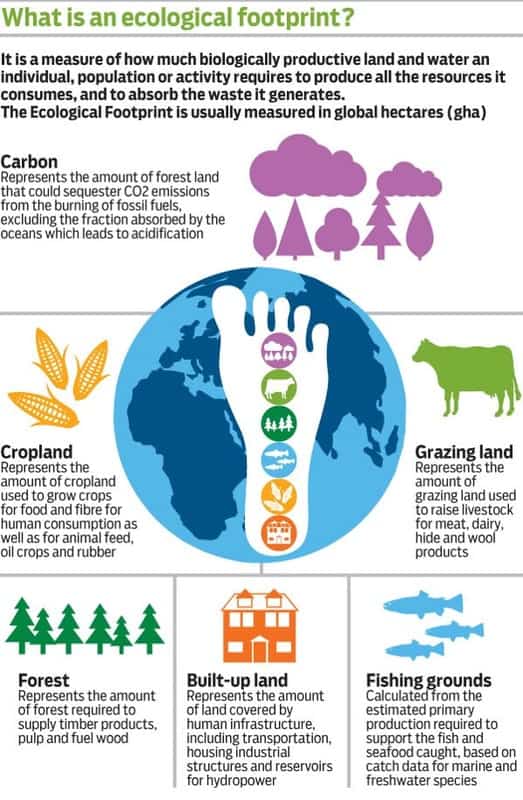
An eco footprint represents the biologically productive land and sea area needed to produce the resources we consume and to assimilate the waste we generate. It’s a comprehensive accounting measure that includes cropland, grazing land, forest land, fishing grounds, and built-up land, as well as the area required to absorb carbon dioxide emissions. For individuals and businesses, this isn’t merely an abstract environmental concept; it’s a tangible economic indicator. Every kilowatt-hour of electricity consumed, every gallon of fuel burned, and every product purchased has a monetary price tag. Beyond this direct cost, there’s an embedded ecological cost – the resources extracted, the energy expended in production, and the waste left behind.
From a financial standpoint, a large eco footprint can be seen as an unacknowledged liability. It signifies a reliance on resource-intensive practices that are vulnerable to price volatility, supply chain disruptions, and future regulatory penalties like carbon taxes. Conversely, a reduced eco footprint often translates into tangible financial benefits: lower utility bills, reduced material costs, and enhanced resilience against environmental shocks. Understanding one’s eco footprint is therefore the first step in auditing environmental liabilities and identifying financial opportunities for efficiency and sustainability. It encourages us to view natural resources not as infinite free goods, but as valuable capital, the depletion of which will incur significant future economic costs.
Key Components and Their Financial Implications
The eco footprint is typically broken down into several key components, each with distinct financial implications for households and corporations:
- Carbon Footprint (Energy & Transport): This is often the largest component and directly relates to energy consumption. For individuals, this translates into utility bills (electricity, gas) and fuel costs for transportation. Investing in energy-efficient appliances, home insulation, or renewable energy sources like solar panels incurs an upfront cost but promises significant long-term savings on energy bills, often with government rebates or tax credits further sweetening the financial proposition. For businesses, energy efficiency reduces operational costs, while investments in fleet electrification or renewable energy infrastructure can be substantial, yet offer long-term cost stability and market differentiation.
- Food Footprint: Our dietary choices have profound financial and ecological consequences. The cost of meat and dairy, for instance, is often higher than plant-based alternatives, and their production requires significantly more land, water, and energy. Opting for locally sourced, seasonal produce can reduce transportation costs and support local economies. Furthermore, food waste is a direct financial drain for households and businesses, representing the monetary value of food purchased but never consumed. Implementing efficient meal planning and composting not only shrinks the eco footprint but also cuts down grocery expenses.
- Housing Footprint: The size, construction, and energy efficiency of our homes significantly contribute to our eco footprint. Larger homes typically require more materials to build and more energy to heat and cool, leading to higher mortgage payments, property taxes, and utility bills. Investments in green building materials, smart home technology, and efficient heating/cooling systems might increase initial costs but yield substantial savings over the lifespan of the property. For real estate developers, building green can command premium prices and attract environmentally conscious buyers, offering a competitive financial edge.
- Goods & Services Footprint: This category encompasses the consumption of manufactured goods and the environmental impact embedded in services. The prevailing “take-make-dispose” linear economy encourages frequent purchases, often of lower-quality, disposable items. While these items might appear cheaper upfront, their short lifespan and the need for frequent replacement can accumulate significant long-term financial costs. Investing in durable goods, embracing repair culture, or participating in sharing economies (e.g., car-sharing, tool libraries) can significantly reduce this footprint, leading to substantial personal savings and a more resilient financial profile. For businesses, designing products for longevity and recyclability can reduce material costs, enhance brand loyalty, and unlock new revenue streams through product-as-a-service models.
The Financial Imperative of Reducing Your Eco Footprint
Beyond environmental altruism, there is a compelling financial case for individuals and businesses to actively reduce their eco footprint. This imperative manifests in both immediate cost savings and strategic long-term financial growth and resilience.
Personal Finance: Saving Money Through Sustainable Choices
For individuals, reducing an eco footprint often aligns directly with smart personal finance strategies, translating into tangible savings that enhance financial security.
- Energy Efficiency: Retrofitting homes with insulation, upgrading to energy-efficient appliances (like ENERGY STAR certified models), and switching to LED lighting can significantly lower monthly utility bills. The initial investment is frequently offset by government rebates, tax credits, and the cumulative savings over time, representing a strong return on investment (ROI).
- Reduced Consumption: Adopting a minimalist or conscious consumption approach – buying less, choosing quality over quantity, repairing instead of replacing, and borrowing/renting instead of owning – directly impacts spending. This practice not only shrinks the goods and services footprint but frees up discretionary income, bolstering savings or allowing for investment in other financial goals.
- Sustainable Transport: Opting for walking, cycling, or public transport over private vehicle use can lead to substantial savings on fuel, vehicle maintenance, insurance, and parking. For those who need a car, choosing a fuel-efficient or electric vehicle can reduce operational costs, with governments often providing financial incentives for EV adoption.
- Dietary Shifts: A diet rich in plant-based foods, especially seasonal and local produce, can often be more cost-effective than one heavily reliant on meat and processed foods. Reducing food waste through better meal planning and storage further maximizes grocery budgets. These choices positively impact both the food footprint and the wallet.
Investing for a Greener Tomorrow: Financial Growth with Environmental Responsibility
The financial sector is increasingly recognizing that environmental performance is a key indicator of long-term financial health and risk. This has given rise to new investment opportunities focused on sustainability.
- ESG Investing: Environmental, Social, and Governance (ESG) investing integrates ethical and sustainable factors into investment decisions. Investors increasingly seek companies with strong environmental performance, lower carbon footprints, and robust sustainability strategies, believing these companies are better positioned for long-term growth and resilience.
- Green Bonds and Funds: These financial instruments specifically finance projects that have positive environmental benefits, such as renewable energy infrastructure, sustainable agriculture, or green buildings. Investing in green bonds or sustainability-focused mutual funds allows individuals and institutions to align their financial growth with ecological regeneration, often with competitive returns.
- Impact Investing: A subset of ESG, impact investing aims to generate not only financial returns but also measurable positive social and environmental impact. This approach recognizes that addressing global environmental challenges, including reducing eco footprints, can unlock significant economic value and foster innovation.
- Divestment Strategies: Conversely, many investors are choosing to divest from industries with high eco footprints, such as fossil fuels, due to concerns about stranded assets, regulatory risks, and reputational damage. This strategic reallocation of capital signals a broader market shift towards valuing environmental sustainability.
Corporate Finance and the Eco-Footprint: Risk, Opportunity, and ROI
For businesses, the eco footprint transcends simple compliance; it’s a critical factor in risk management, market positioning, and long-term profitability. Corporations are increasingly scrutinized for their environmental impact, with financial markets and consumers alike demanding greater accountability.
Managing Environmental Risk and Financial Liability

A large corporate eco footprint exposes businesses to a myriad of financial risks:
- Regulatory Costs: Governments worldwide are implementing stricter environmental regulations, carbon pricing mechanisms, and pollution taxes. Non-compliance can result in hefty fines, legal battles, and operational disruptions, all leading to significant financial losses. Proactive measures to reduce the eco footprint can mitigate these future liabilities.
- Reputational Damage: Consumers, investors, and employees are increasingly aware of corporate environmental performance. Negative publicity stemming from environmental mismanagement can severely damage brand equity, leading to decreased sales, loss of market share, and difficulty attracting talent – all with profound financial implications.
- Supply Chain Vulnerabilities: Companies reliant on resource-intensive supply chains face risks from resource scarcity, price volatility of raw materials, and the physical impacts of climate change (e.g., extreme weather disrupting logistics or agricultural yields). Diversifying supply chains and sourcing sustainably can reduce these financial risks.
- Stranded Assets: Investments in high-carbon assets, such as fossil fuel infrastructure, risk becoming “stranded” or obsolete due prematurely due to evolving climate policies and market shifts towards renewables. This represents a significant financial risk for companies with substantial holdings in such assets.
Seizing Green Opportunities: Innovation and Market Advantage
Reducing the eco footprint also opens doors to significant financial opportunities and competitive advantages for businesses:
- Cost Savings Through Efficiency: Implementing eco-efficient production processes, optimizing logistics, and minimizing waste directly reduces operational costs. Energy efficiency upgrades, water conservation measures, and circular economy principles (e.g., recycling, remanufacturing) can lead to substantial savings on resource inputs and waste disposal.
- New Revenue Streams and Market Expansion: Developing sustainable products and services, such as electric vehicles, plant-based foods, or renewable energy solutions, taps into growing consumer demand for eco-friendly options. Companies that innovate in sustainability can capture new market segments and enhance their brand appeal.
- Enhanced Brand Value and Customer Loyalty: A strong commitment to reducing the eco footprint can differentiate a brand, attract environmentally conscious consumers, and foster loyalty. This can translate into premium pricing power and increased market share.
- Access to Capital: Lenders and investors are increasingly favoring companies with strong ESG credentials, offering better financing terms and attracting sustainable investment funds. A lower eco footprint can therefore improve a company’s cost of capital and access to funding.
Measuring and Monetizing Impact: The Role of Financial Tools
Integrating eco footprint considerations into corporate finance requires robust measurement and reporting tools:
- Carbon Accounting and ESG Reporting: Companies are increasingly required to measure and report their carbon emissions and broader environmental performance (e.g., water usage, waste generation). This data is then integrated into financial reports, influencing investor decisions and stakeholder trust.
- Life Cycle Costing (LCC): This financial analysis method considers all costs associated with a product or system over its entire lifespan, from raw material extraction to disposal. LCC helps identify opportunities for eco-efficiency and demonstrates the long-term financial benefits of sustainable design choices.
- Return on Investment (ROI) for Green Investments: Just like any other capital expenditure, investments in sustainability (e.g., installing solar panels, upgrading to energy-efficient machinery) are evaluated based on their expected financial returns. Tools for calculating ROI, payback periods, and net present value help companies justify green initiatives.
- Internal Carbon Pricing: Some progressive companies implement an internal carbon price, effectively assigning a monetary cost to their carbon emissions. This encourages departments to reduce their footprint and helps evaluate the financial viability of low-carbon investments.
Policy, Global Economics, and the Future of the Eco-Footprint
The magnitude of the global eco footprint necessitates systemic change, driven by government policies and international economic cooperation. These macro-level influences shape the financial landscape within which individuals and businesses operate.
Government Policies and Economic Incentives
Governments play a pivotal role in internalizing the external environmental costs associated with a large eco footprint:
- Carbon Pricing: Mechanisms like carbon taxes and cap-and-trade systems assign a monetary cost to carbon emissions, incentivizing businesses to reduce their footprint to avoid these charges. This directly impacts production costs and consumer prices.
- Subsidies and Tax Breaks: Governments often offer financial incentives for adopting eco-friendly practices, such as subsidies for renewable energy development, tax credits for electric vehicles, or grants for energy-efficient home improvements. These measures lower the financial barrier to sustainable choices.
- Regulatory Frameworks: Environmental laws and regulations, from emissions standards to waste management policies, impose financial costs on non-compliant entities but also foster innovation in cleaner technologies and practices.
- Green Procurement: Public sector procurement policies can prioritize goods and services with a lower eco footprint, creating market demand for sustainable products and influencing supply chains.
The Concept of Earth Overshoot Day and Economic Limits
Earth Overshoot Day marks the date when humanity has consumed more natural resources than the Earth can regenerate in a given year. From a financial perspective, this is akin to consistently overdrawing a bank account. Each year, we operate in ecological deficit, consuming our planet’s natural capital faster than it can be replenished. This “ecological debt” carries significant economic risks:
- Resource Depletion: Over-extraction of resources like timber, fish, and freshwater leads to scarcity, driving up commodity prices and increasing production costs for businesses.
- Ecosystem Collapse: The degradation of ecosystems (e.g., deforestation, ocean acidification) undermines essential natural services like clean air and water, pollination, and climate regulation, which are fundamental to economic activity but difficult to replace artificially. The financial costs of repairing or replacing these services are astronomical.
- Economic Instability: The consequences of a persistent ecological deficit, such as climate-related disasters, resource wars, and mass migrations, can lead to widespread economic instability, disrupting global trade and investment.
Investing in Resilience: A Financial Strategy for a Changing Climate
As the financial risks associated with a large global eco footprint become more apparent, investments in resilience are gaining traction as a vital financial strategy:
- Adaptation Finance: This involves funding projects and initiatives aimed at helping societies and economies adapt to the inevitable impacts of climate change, such as building sea walls, developing drought-resistant crops, or upgrading infrastructure. These investments mitigate future financial losses from climate-related events.
- Insurance Markets: The insurance industry is recalibrating its models to account for increased climate risks (e.g., extreme weather, wildfires), leading to higher premiums in vulnerable areas and highlighting the financial consequences of an unchecked eco footprint. Conversely, innovations in parametric insurance linked to climate indicators are emerging.
- Valuing Natural Capital: There’s a growing movement to assign monetary value to natural capital (e.g., forests for carbon sequestration, wetlands for flood control) to integrate these assets into financial decision-making and incentivize their protection and restoration. This shifts the perception of conservation from a cost to an investment.
Taking Financial Action: Empowering Sustainable Living and Investing
The interconnectedness of financial well-being and ecological health offers a powerful impetus for change. By strategically managing our eco footprint, we can foster both personal prosperity and planetary health.
Practical Steps for a Financially Sound, Lower-Impact Life
Individuals have significant agency in aligning their financial decisions with a smaller eco footprint:
- Budgeting for Sustainability: Integrate eco-friendly choices into your personal budget. Prioritize durable goods, invest in energy-efficient home improvements, and allocate funds for sustainable transport or local, organic food where feasible. Recognize that many sustainable choices, while potentially having a higher upfront cost, offer long-term financial savings.
- Auditing Consumption: Regularly review your spending habits to identify areas where consumption is high, both financially and environmentally. Consider the “true cost” of cheap, disposable items versus the long-term value of quality, repairable alternatives. Use financial tracking apps to link spending to potential eco-impacts.
- Exploring Green Financial Products: Research banks that invest ethically, consider green mortgages or loans for energy-efficient homes, and explore investment platforms offering ESG funds or impact investing opportunities. Your financial institutions can be powerful levers for positive change.
- Reducing Waste and Maximizing Value: Embrace the principles of the circular economy in your daily life: refuse unnecessary items, reduce consumption, reuse what you have, repair broken items, and recycle responsibly. These actions directly reduce waste management costs (for society) and extend the life of your purchases, saving you money.
The Interconnectedness of Financial Well-being and Ecological Health
Ultimately, the journey towards a reduced eco footprint is not merely about environmental responsibility; it’s a strategic pathway to greater financial resilience and long-term prosperity. A lower eco footprint often signifies a more efficient, less wasteful lifestyle or business operation, which directly translates into reduced expenses and enhanced savings. For businesses, this means lower operating costs, increased market appeal, and reduced regulatory risks. For individuals, it means greater control over personal finances, reduced dependency on volatile resource markets, and a more secure future.
By integrating the financial dimensions of an eco footprint into our decision-making, we empower ourselves to make choices that are simultaneously beneficial for our wallets and the planet. This holistic approach paves the way for a more sustainable, equitable, and financially robust future, demonstrating that ecological stewardship is not a burden, but a wise and profitable investment.
aViewFromTheCave is a participant in the Amazon Services LLC Associates Program, an affiliate advertising program designed to provide a means for sites to earn advertising fees by advertising and linking to Amazon.com. Amazon, the Amazon logo, AmazonSupply, and the AmazonSupply logo are trademarks of Amazon.com, Inc. or its affiliates. As an Amazon Associate we earn affiliate commissions from qualifying purchases.