
Navigating the modern automotive market requires more than just a preference for a specific make or model; it demands a sophisticated understanding of macroeconomics, personal finance, and long-term asset management. In recent years, the “average” price of a vehicle has shifted from a predictable metric into a volatile figure that reflects broader inflationary pressures, supply chain complexities, and a fundamental shift in consumer financing. For the modern consumer, understanding what constitutes an average price is the first step in protecting one’s net worth while securing reliable transportation.
The Current Landscape of Automotive Costs
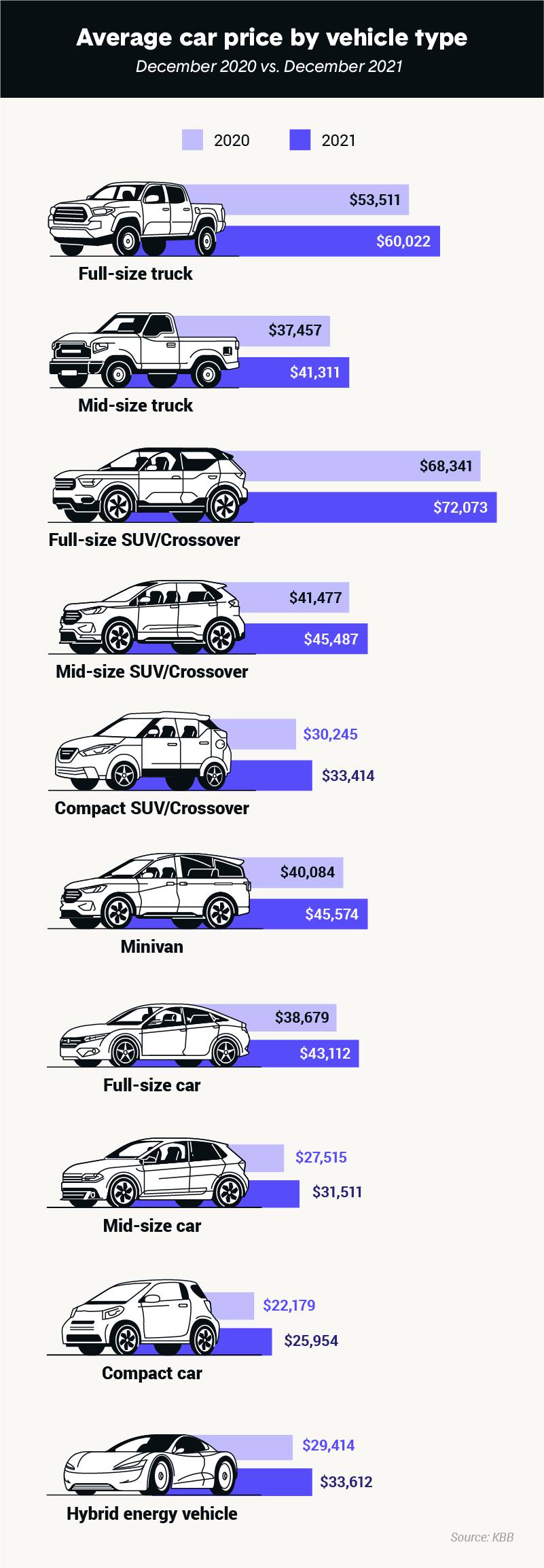
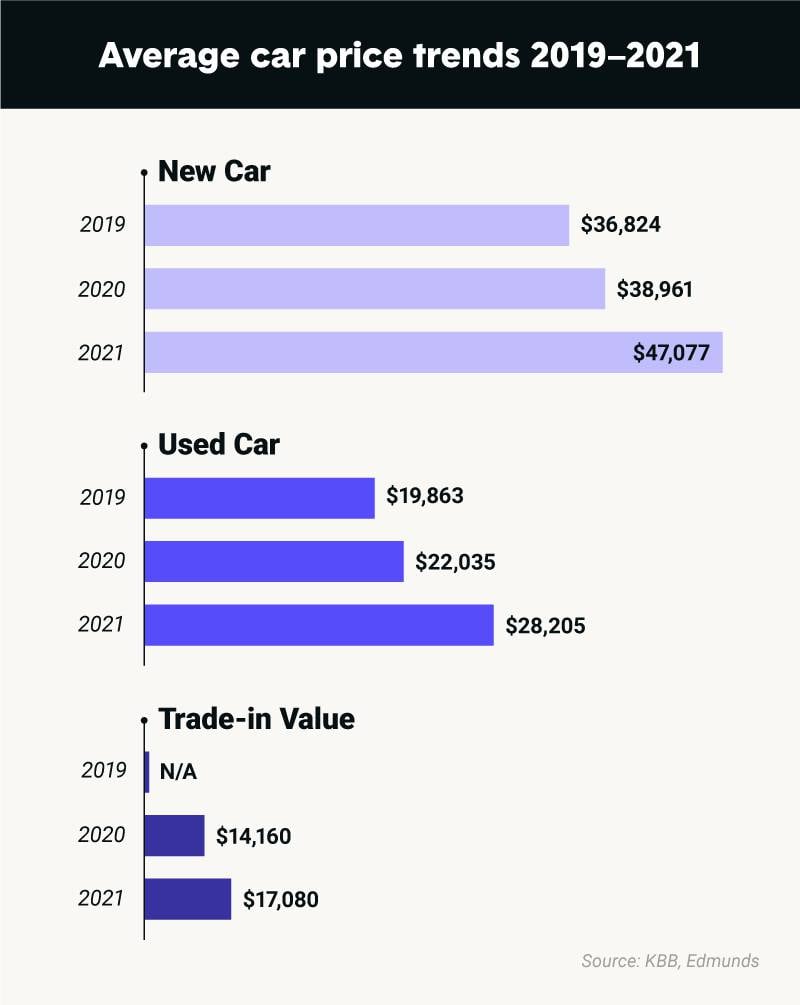
As of the current fiscal year, the average price of a new vehicle has stabilized at an unprecedented high, hovering near the $48,000 mark. This is a significant departure from the pre-pandemic era, where a $35,000 budget could secure a well-equipped mid-sized SUV or a near-luxury sedan. The upward trajectory of these prices is not merely a result of corporate greed but is rooted in the increased cost of raw materials, the integration of expensive safety technologies, and a strategic pivot by manufacturers away from low-margin “economy” cars.
New vs. Used Market Disparities
While the $48,000 figure represents the new car market, the used car market tells a different financial story. The average price for a used vehicle currently sits between $25,000 and $27,000. While this is significantly lower than buying new, it represents a historical peak for the secondary market. Previously, the “entry-level” used car—often priced under $15,000—was a staple for young professionals and budget-conscious families. Today, that segment has largely evaporated, forcing buyers to either extend their financing terms or allocate a larger portion of their savings to a depreciating asset.
The Death of the Budget Vehicle
One of the most profound shifts in the financial landscape of the automotive industry is the disappearance of the sub-$20,000 new car. Manufacturers have largely phased out compact hatchbacks and entry-level sedans in favor of high-margin crossovers and trucks. For the consumer, this means the “floor” for entering the new car market has risen. When the lowest available price point moves upward, it exerts pressure on the entire ecosystem, effectively raising the average price by removing the lower-cost variables from the equation.
The Financial Mechanics Behind the Sticker Price
Understanding the average price of a car requires looking past the Manufacturer’s Suggested Retail Price (MSRP) and into the world of debt financing and interest rates. Most consumers do not pay the average price in cash; instead, they “buy” a monthly payment. This shift in perspective has allowed prices to rise because consumers are often more focused on liquidity—what they can afford to pay each month—than the total capital outlay.
The Impact of Interest Rates and APR
The Federal Reserve’s monetary policy has a direct correlation with what you pay for a car. In a high-interest-rate environment, the “real” price of a car—the total amount paid over the life of a loan—can be 15% to 25% higher than the sticker price. For example, a $45,000 car financed at a 7% interest rate over 72 months results in nearly $10,000 in interest alone. This brings the total cost to $55,000, a figure that significantly exceeds the “average” price most buyers initially perceive.
Loan Duration and Equity Risk
To keep monthly payments manageable in the face of rising prices, the average loan term has stretched to 68 or even 72 months. While this assists with immediate cash flow, it creates a significant financial risk: negative equity. Because cars are depreciating assets, a long-term loan often results in the buyer owing more on the car than it is worth for a majority of the loan’s duration. This “upside-down” status can be a major hurdle if the owner needs to sell the vehicle or if it is totaled in an accident, potentially leading to a “gap” that must be covered out of pocket.
Total Cost of Ownership: The Hidden Financial Variable
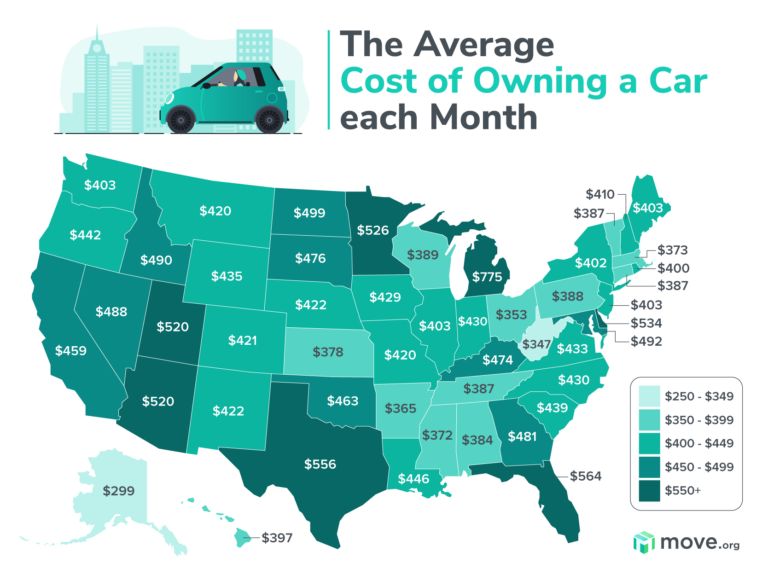
The average price of a car is only the price of admission. To truly understand the financial impact of a vehicle purchase, one must calculate the Total Cost of Ownership (TCO). This includes insurance, maintenance, fuel or charging costs, and the most significant hidden cost of all: depreciation.
Insurance and Maintenance Premiums
As the average price of cars has risen, so has the cost of insuring them. Modern vehicles are packed with sensors, cameras, and proprietary technology. What used to be a simple bumper replacement is now a multi-thousand-dollar repair involving the recalibration of Advanced Driver Assistance Systems (ADAS). These high repair costs are passed on to the consumer through higher insurance premiums. Furthermore, scheduled maintenance for luxury or specialized electric vehicles can deviate significantly from the averages seen in traditional internal combustion engine (ICE) vehicles.
The Depreciation Curve
Depreciation remains the single largest expense of vehicle ownership, yet it is rarely factored into the “average price” discussion. On average, a new car loses about 15% to 20% of its value in the first year. Over five years, that figure can climb to 60%. When evaluating the price of a car, a savvy buyer looks at the “residual value”—what the car will be worth when it is time to sell. A $50,000 car that retains 50% of its value is a much better financial decision than a $40,000 car that only retains 30%.
Strategic Budgeting for Your Next Vehicle
Given that the average price of a car is now a significant percentage of the average American household income, strategic budgeting is essential. Financial experts often suggest specific frameworks to ensure that a vehicle purchase does not derail long-term wealth-building goals.
The 20/4/10 Rule
A gold standard in personal finance for vehicle purchasing is the 20/4/10 rule. This suggests:
-
20% Down Payment: Putting at least 20% down ensures you have immediate equity in the vehicle, protecting you from the steepest part of the depreciation curve.
-
4-Year Loan Term: Limiting the loan to 48 months minimizes interest payments and ensures you aren’t paying for a car long after its “new” feel has worn off.
-
10% of Income: Total transportation costs (including loan payments, insurance, and fuel) should not exceed 10% of your gross monthly income.
Following this rule in an era where the average price is $48,000 reveals a stark reality: many people buying “average” cars are overextending their finances.
Leasing vs. Buying: A Net Worth Perspective
Leasing is often marketed as a way to “afford” a more expensive car for a lower monthly payment. From a wealth-building perspective, however, leasing is frequently the most expensive way to operate a vehicle because you are essentially paying for the steepest period of depreciation without ever gaining an asset. However, for business owners who can deduct lease payments as a business expense, or for individuals who prioritize driving a vehicle under warranty at all times, leasing can be a strategic cash-flow decision.
Future-Proofing Your Investment
The automotive industry is in the midst of a transition toward electrification and increased automation. This transition adds another layer of complexity to the “average price” question. While the average price of an Electric Vehicle (EV) is currently higher than its ICE counterpart, the total cost of ownership over five to ten years may be lower due to reduced fuel and maintenance costs.
Evaluating the EV Premium
Currently, the average price for a new EV is roughly $53,000. While this is a premium over the standard average, federal and state tax credits can bridge that gap. When calculating the financial viability of an EV, it is crucial to perform a break-even analysis. If the $5,000 premium is offset by $1,500 in annual fuel savings and $500 in reduced maintenance, the “average” price of the EV becomes functionally lower than a cheaper gasoline car within three years.
Resale Value in a Changing Market
As the market shifts, the resale value of traditional gasoline vehicles may become more volatile. Conversely, as battery technology improves, older EVs may suffer from accelerated depreciation. To protect your investment, look for brands with high historical reliability and high demand in the used market. In the financial world, liquidity is king; a car that is easy to sell at a fair price is always a better investment than one with a low entry price but no secondary market demand.
In conclusion, the “average price” for a car is a multifaceted figure that serves as a pulse for the broader economy. By looking beyond the sticker price and analyzing the true financial impact of financing, depreciation, and total operating costs, you can make a purchase that fits your lifestyle without compromising your financial future. Whether you are buying new or used, the goal remains the same: maximizing value while minimizing the drain on your capital.
aViewFromTheCave is a participant in the Amazon Services LLC Associates Program, an affiliate advertising program designed to provide a means for sites to earn advertising fees by advertising and linking to Amazon.com. Amazon, the Amazon logo, AmazonSupply, and the AmazonSupply logo are trademarks of Amazon.com, Inc. or its affiliates. As an Amazon Associate we earn affiliate commissions from qualifying purchases.