
The question “what is a good annual income?” is deceptively simple, yet profoundly complex. Unlike a universally agreed-upon benchmark, the definition of a “good” income is intensely personal, shaped by a kaleidoscope of individual circumstances, geographical realities, lifestyle aspirations, and financial goals. There is no magic number that guarantees financial contentment or success; what feels abundant to one person might be barely sufficient for another. To truly understand what constitutes a good annual income, one must delve beyond mere figures and explore the intricate interplay of factors that define financial well-being in a highly individualized context. This article will dissect the multifaceted nature of income, providing frameworks and insights to help you determine what “good” means for your own life.
Defining “Good”: Beyond the Absolute Number
The notion of a “good” income extends far beyond a raw numerical value. It’s not just about how much money flows into your bank account, but rather how far that money stretches and what it enables you to achieve. This fundamental subjectivity is often overlooked when people compare their earnings to others or to national averages.
The Cost of Living Conundrum
One of the most significant determinants of whether an income is “good” is the cost of living in a particular geographic area. A salary of $70,000 might afford a comfortable, even luxurious, lifestyle in a smaller Midwestern city, allowing for homeownership, regular savings, and discretionary spending. The very same $70,000 in a high-cost urban center like New York City, San Francisco, or London, however, could leave an individual struggling to cover basic necessities such as rent, groceries, transportation, and utilities, let alone save for the future. Housing, in particular, often represents the largest expenditure and varies wildly from one region to another, making it a critical factor in evaluating an income’s real purchasing power. Therefore, an income that is “good” in one location can be entirely inadequate in another, illustrating that a raw number provides an incomplete picture.
Lifestyle Expectations and Discretionary Spending
Another pivotal element in defining a “good” income is an individual’s desired lifestyle. Does “good” mean simply covering bills, or does it encompass a broader spectrum of experiences and material possessions? For some, a good income allows for daily comforts like dining out, regular leisure activities, and modest travel. For others, it might mean the ability to afford luxury items, frequent international vacations, or prestigious private school tuition for their children. The amount of discretionary income—money left over after essential expenses are paid—is a strong indicator of how well an income supports one’s chosen lifestyle. An income that provides ample room for both necessities and desired luxuries, without causing financial stress, is often perceived as “good.” Conversely, an income that solely covers bills and leaves little for personal enjoyment or savings can quickly feel restrictive, regardless of its nominal value.
The Role of Location
Expanding on the cost of living, the specific location’s economic environment, tax structure, and access to amenities also heavily influence income perception. States or countries with higher income taxes or sales taxes effectively reduce net income, even if the gross salary appears substantial. Conversely, areas with lower taxes or robust public services (like good schools or public transportation) can make an income feel more valuable. The presence of cultural attractions, recreational opportunities, and job market health also contributes to the overall quality of life supported by an income. A “good” income often implies the freedom to live in a desirable location that aligns with one’s personal and professional aspirations, without undue financial strain.
Key Factors Shaping Your Personal “Good” Income
Beyond the external factors of location and lifestyle, several internal and personal circumstances play a crucial role in determining what a good annual income means to you. These factors create a unique financial blueprint for every individual and household.
Household Size and Dependents
The number of people an income needs to support dramatically alters its sufficiency. A single individual with no dependents will naturally find a specific income level more than adequate compared to a household with two adults and three children. Each additional dependent, whether a child, an elderly parent, or another family member, introduces a new layer of financial responsibility, including increased costs for food, healthcare, education, clothing, and housing. What might be a “good” income for a couple could be insufficient for a family of four seeking the same quality of life, necessitating a higher collective income to meet their expanded needs and goals.
Debt Obligations
Outstanding debt—ranging from student loans and credit card balances to car payments and mortgages—can significantly diminish the practical value of an income. Even a seemingly high annual salary can feel constrained if a substantial portion of it is siphoned off each month to service high-interest debts. An income that allows for the comfortable management and, ideally, aggressive reduction of debt, freeing up capital for savings and investments, is often perceived as “good.” Conversely, an income that barely covers minimum debt payments can lead to chronic financial stress, regardless of the gross amount. The goal is not just to earn, but to have a positive net cash flow after debt obligations, contributing to true financial freedom.
Financial Goals and Aspirations
Your personal and long-term financial goals are paramount in defining a “good” income. For someone aiming to retire early, buy a dream home, fund their children’s college education, start a business, or travel the world, a “good” income will necessarily be higher than for someone whose primary goal is simply to cover current expenses comfortably. These ambitious goals require substantial savings and investment, which means a larger portion of current income must be allocated towards the future. An income that not only covers present needs but also consistently allows for significant progress towards these future aspirations is inherently “good” because it aligns with and facilitates personal growth and security.
Personal Values and Priorities
Ultimately, an individual’s core values and priorities cast a long shadow over their perception of a “good” income. For some, freedom and flexibility are paramount, leading them to value an income that supports a less demanding work schedule or allows for entrepreneurial pursuits, even if it means a lower overall figure. Others might prioritize philanthropic giving or investing in causes they believe in. If an income enables a person to live authentically, pursue their passions, and contribute meaningfully, it can be considered “good,” irrespective of how it compares to societal norms. Aligning one’s earnings with their deepest values is often a key to financial contentment.
Benchmarking Income: A Look at Averages and Medians
While highly personal, it’s natural to seek external benchmarks to contextualize one’s income. Statistical data, such as national averages and median incomes, can provide a snapshot of the economic landscape, but it’s crucial to understand their limitations and apply them with caution.
National Averages vs. Personal Reality
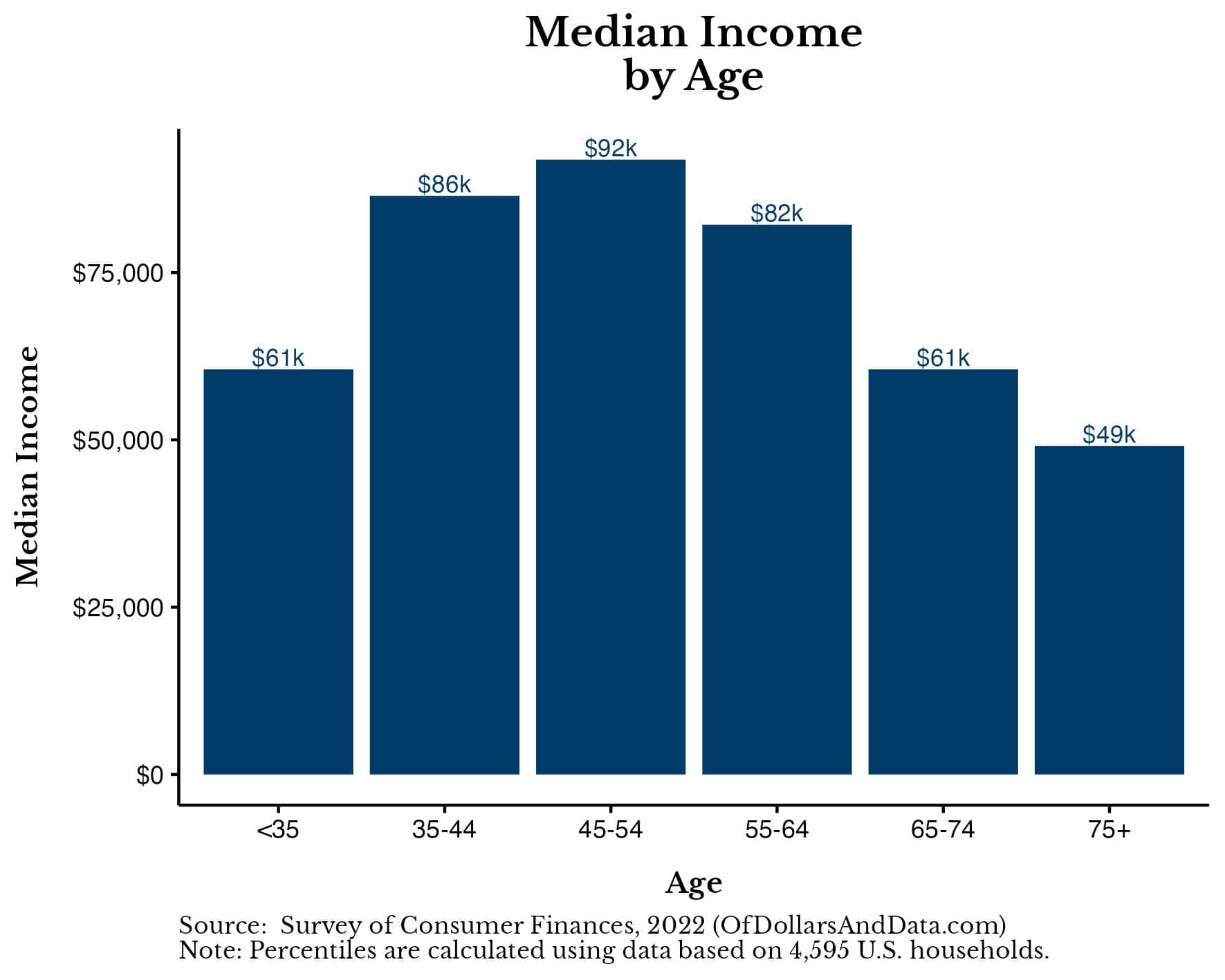
National average income figures, such as the average household income, can be misleading. They are often skewed by extremely high earners, creating an inflated sense of what a typical person earns. Furthermore, these averages rarely account for the vast differences in the cost of living across diverse regions of a country. For instance, an average income in a populous, economically vibrant state might be significantly higher than in a rural, less affluent state, yet the purchasing power might be similar due to differing costs. Relying solely on national averages without considering individual circumstances and local economic realities can lead to unrealistic expectations or unnecessary dissatisfaction.
Median Income and Income Percentiles
A more accurate and often preferred benchmark is the median income. The median represents the exact middle point of all incomes, meaning half of the population earns more and half earns less. This measure is less susceptible to being skewed by outliers than the average. Looking at income percentiles (e.g., what income puts you in the top 25%, 10%, or 1% of earners) can provide a more nuanced understanding of where one stands in the broader economic hierarchy. While useful for broad context, these statistics are purely descriptive. They tell you where you are relative to others, but they do not dictate whether that income is “good” for your specific needs, debts, and goals. A high percentile income with unsustainable debt or high expenses might still not feel “good.”
The Limitations of Statistical Data
It’s vital to remember that statistical income data provides only a partial picture of financial well-being. These figures rarely incorporate crucial elements like net worth, debt levels, savings rates, or access to benefits (like healthcare, retirement plans, or equity compensation). A person with a moderate income but substantial savings, no debt, and a robust investment portfolio may be in a far stronger financial position than someone with a significantly higher income but crippling debt and no assets. Therefore, while benchmarks offer a useful comparative lens, they should never be the sole determinant of whether your income is “good.” True financial health is a holistic concept that goes beyond just the annual salary number.
Strategies for Achieving and Sustaining Your Financial Ideal
Once you’ve defined what a “good” income means for you personally, the next step is to strategize how to achieve and sustain it. This involves a combination of proactive earning, astute money management, and long-term financial planning.
Comprehensive Budgeting and Financial Planning
The cornerstone of financial health is a well-structured budget and a robust financial plan. Budgeting involves meticulously tracking your income and expenses to understand where your money is going. This clarity allows you to identify areas for cost reduction, allocate funds purposefully towards your goals (savings, debt repayment, investments), and ensure your spending aligns with your values. Financial planning extends this by setting long-term objectives, such as retirement savings, homeownership, or college funds, and creating a roadmap to achieve them. Tools like the 50/30/20 rule (50% for needs, 30% for wants, 20% for savings/debt repayment) or zero-based budgeting can provide effective frameworks for managing your money intentionally.
Increasing Earning Potential
To reach your ideal income, you may need to actively increase your earning potential. This can involve several strategies:
-
Skill Development and Education: Investing in new skills, certifications, or higher education can open doors to higher-paying roles or promotions within your current field.
-
Career Advancement: Proactively seeking promotions, taking on more responsibility, and consistently demonstrating value to your employer can lead to salary increases.
-
Negotiation: Regularly negotiating your salary during job changes or annual reviews can significantly boost your income over time.
-
Side Hustles and Entrepreneurship: Starting a side business, freelancing, or taking on part-time work outside your primary job can supplement your income and diversify your revenue streams.
-
Switching Industries/Roles: Sometimes, a complete career pivot to a higher-paying industry or role is necessary to achieve a desired income level.
Smart Investing and Wealth Building
Earning a good income is just one part of the equation; making your money work for you is equally crucial. Smart investing allows your wealth to grow exponentially over time through the power of compounding. This includes:
-
Retirement Accounts: Maxing out contributions to tax-advantaged accounts like 401(k)s, IRAs, and HSAs is a fundamental step.
-
Diversified Portfolio: Investing in a mix of assets such as stocks, bonds, and real estate, tailored to your risk tolerance and time horizon.
-
Long-Term Perspective: Avoiding speculative trends and focusing on consistent, long-term growth.
-
Automated Investments: Setting up automatic transfers to investment accounts ensures consistent savings without conscious effort.
Proactive Debt Management and Reduction
High-interest debt is a significant impediment to financial freedom and can make even a high income feel inadequate. Prioritizing debt management is essential:
-
Debt Reduction Strategies: Employing methods like the debt snowball (paying off smallest debts first) or debt avalanche (paying off highest interest debts first) can provide a structured approach to becoming debt-free.
-
Refinancing: Consolidating or refinancing high-interest debts, such as credit card balances or student loans, can lower monthly payments and total interest paid.
-
Avoiding New Debt: Cultivating a habit of living within your means and avoiding unnecessary new debt is crucial for maintaining financial health.
The Psychological Dimension: Income, Happiness, and Well-being
While money is undoubtedly a tool for security and opportunity, research suggests that the relationship between income and happiness is not linear. Understanding this psychological aspect is key to defining a “good” income that genuinely contributes to overall well-being.
The Income-Happiness Plateau
Extensive research, notably from Nobel laureates Daniel Kahneman and Angus Deaton, indicates that while increased income generally correlates with increased happiness and life satisfaction up to a certain point, there’s often an income-happiness plateau. Beyond a threshold, typically cited around $75,000 to $100,000 for an individual income (adjusted for cost of living), additional money tends to contribute less to daily emotional well-being. While higher earners might report greater overall life satisfaction (feeling good about their life), their day-to-day experience of happiness (joy, lack of stress) doesn’t necessarily improve significantly. This suggests that a “good” income is often one that comfortably removes the stressors associated with financial scarcity, rather than simply maximizing wealth.
Financial Security vs. Affluence
It’s important to distinguish between financial security and affluence. Financial security means having enough money to comfortably cover your essential needs, handle unexpected emergencies, and make consistent progress towards your future goals. This state often brings profound peace of mind and reduces anxiety. Affluence, on the other hand, implies an abundance of wealth far beyond basic needs. While affluence can offer more choices and opportunities, it doesn’t automatically equate to greater happiness or contentment. Many find that achieving financial security—the ability to live without constant money worries—is more impactful on their well-being than the pursuit of limitless wealth. A “good” income, therefore, often prioritizes creating a foundation of security over an endless chase for more.
Finding Contentment and Purpose
Ultimately, a truly “good” annual income is one that enables you to live a life aligned with your values, pursue your passions, and find genuine contentment. It’s about optimizing your financial resources to support your personal definition of success and well-being, rather than conforming to external benchmarks or societal pressures. This might mean earning less to gain more time with family, or earning more to fund a specific philanthropic endeavor. The psychological aspect reminds us that money is a means to an end, not an end in itself. An income is good when it empowers you to build the life you truly desire, free from undue financial stress, and filled with purpose.
In conclusion, “what is a good annual income?” has no single answer. It is a deeply personal metric, influenced by geographical cost of living, individual lifestyle choices, family structure, debt obligations, and ambitious financial goals. While statistical benchmarks offer context, they never supersede the unique circumstances of your own financial journey. A “good” income is ultimately one that provides financial security, supports your desired lifestyle without undue stress, and enables you to make meaningful progress towards your long-term aspirations, all while aligning with your core values and contributing to your overall well-being. By thoughtfully evaluating these factors, you can define your own “good” income and chart a deliberate path towards achieving it.
aViewFromTheCave is a participant in the Amazon Services LLC Associates Program, an affiliate advertising program designed to provide a means for sites to earn advertising fees by advertising and linking to Amazon.com. Amazon, the Amazon logo, AmazonSupply, and the AmazonSupply logo are trademarks of Amazon.com, Inc. or its affiliates. As an Amazon Associate we earn affiliate commissions from qualifying purchases.