
Navigating the landscape of homeownership is one of the most significant financial journeys an individual will ever undertake. At the heart of this journey lies a single, pivotal number: the interest rate. When prospective buyers ask, “What is an average interest rate for a home loan?” they are rarely looking for a static figure. Instead, they are seeking to understand the cost of borrowing in a fluctuating economy and how that cost impacts their long-term financial health.
The “average” rate is a moving target, influenced by global bond markets, central bank policies, and individual creditworthiness. To truly understand what you will pay, you must look beyond the daily headlines and examine the mechanics of the mortgage industry, the historical context of lending, and the strategies available to secure the most competitive terms possible.

The Mechanics of Mortgage Rates: What Drives the Numbers?
Interest rates do not exist in a vacuum. They are the result of a complex interplay between government policy, investor sentiment, and economic indicators. To understand why your local bank quotes a specific percentage, it is essential to look at the foundations of the financial market.
The Influence of the Federal Reserve and Treasury Yields
While the Federal Reserve does not directly set mortgage rates, its actions heavily influence them. When the Fed adjusts the federal funds rate to combat inflation or stimulate growth, it sends ripples through the entire financial system. Mortgage lenders typically look to the 10-year Treasury yield as a benchmark. Because mortgages are often packaged into Mortgage-Backed Securities (MBS) and sold to investors, the yield on these bonds must be high enough to attract buyers while remaining competitive with other low-risk investments. When inflation is high, investors demand higher yields, which pushes mortgage rates upward.
Fixed-Rate vs. Adjustable-Rate Mortgages (ARMs)
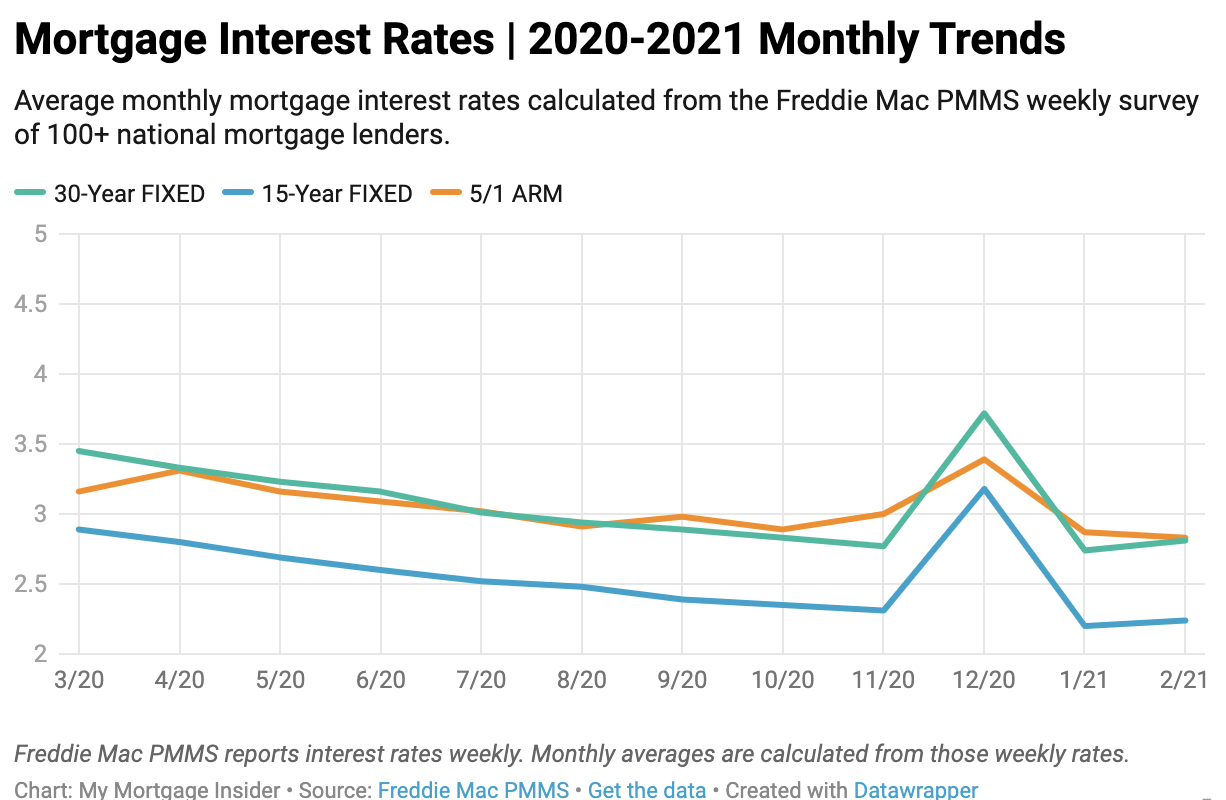
The “average” rate also depends heavily on the structure of the loan. The 30-year fixed-rate mortgage remains the gold standard in personal finance because it offers stability; your interest rate remains identical from the first payment to the 360th. However, 15-year fixed rates are typically lower because the shorter duration represents less risk for the lender.
Alternatively, Adjustable-Rate Mortgages (ARMs) often offer a lower “teaser” rate for an initial period (such as five or seven years) before adjusting based on market conditions. In a high-rate environment, ARMs often see a surge in popularity as borrowers bet on the possibility of refinancing before the rate resets.
Factors That Determine Your Personal Interest Rate
When you see an “average” rate advertised on a financial news site, it usually refers to a borrower with a pristine financial profile. In reality, the rate you are offered is a reflection of the risk you pose to the lender. Personal finance is, by definition, personal.
The Power of the Credit Score
Your FICO score is perhaps the most influential factor in determining your specific interest rate. Lenders categorize borrowers into tiers. Those with a score of 760 or higher are viewed as low-risk and are eligible for the lowest possible rates. Conversely, a borrower with a score in the mid-600s might face a rate that is 1% to 1.5% higher than the prime rate. Over the life of a 30-year loan, that small percentage gap can translate into tens of thousands of dollars in extra interest payments. Maintaining a clean credit report by paying bills on time and keeping credit utilization low is the most effective way to beat the “average.”
Debt-to-Income (DTI) and Loan-to-Value (LTV) Ratios
Lenders also scrutinize your Debt-to-Income (DTI) ratio—the percentage of your gross monthly income that goes toward paying debts. A lower DTI suggests you have the financial breathing room to handle a mortgage payment. Similarly, the Loan-to-Value (LTV) ratio, which is determined by your down payment, plays a critical role. If you put 20% down, you have immediate equity in the home, which reduces the lender’s risk. If you put 3% down, the lender may compensate for the higher risk by increasing the interest rate or requiring Private Mortgage Insurance (PMI).
The Historical Context: Putting Today’s Rates in Perspective

To evaluate whether today’s average interest rate is “good,” one must look at the history of the American housing market. Perspective is a powerful tool in financial planning, helping buyers avoid the paralysis of waiting for “perfect” conditions that may never return.
Comparing the 1980s to the 2010s
Newer investors and homebuyers often view the ultra-low rates of 2020 and 2021—where 30-year fixed rates dipped below 3%—as the baseline. However, from a historical standpoint, those rates were an anomaly caused by unprecedented global economic intervention. If we look back to the early 1980s, mortgage rates peaked at over 18% as the Federal Reserve fought rampant inflation.
Throughout the 1990s and early 2000s, an average rate of 6% to 8% was considered quite standard and even favorable. When viewed through this lens, the current average rates, while higher than the recent past, are actually very close to the 50-year historical mean.
Why the “Average” Rate Fluctuates with Inflation
Inflation is the primary enemy of fixed-income investors. If a lender lends money at a 4% interest rate but inflation is running at 5%, the lender is effectively losing purchasing power. Therefore, as inflation rises, the “average” interest rate for a home loan must rise along with it to ensure that lenders and investors receive a real return on their capital. Understanding this correlation helps borrowers predict where rates might go based on Consumer Price Index (CPI) reports and other economic data.
Strategies to Secure a Below-Average Rate
Knowing the average is only half the battle; the goal of any savvy financial actor is to outperform the average. There are several proactive steps you can take to lower the cost of your home loan.
The Importance of Shopping and Comparing Lenders
Many homebuyers make the mistake of simply using the bank where they have their checking account. However, mortgage pricing can vary significantly between big banks, credit unions, and independent mortgage brokers. By obtaining at least three different Loan Estimates, you can compare not just the interest rate, but also the closing costs and origination fees. Even a difference of 0.25% in your rate can result in significant savings over time.
Buying Down the Rate with Discount Points
In a high-interest environment, many borrowers utilize “mortgage points.” One point typically costs 1% of the total loan amount and reduces your interest rate by a specific increment (usually 0.25%). This is essentially a way of prepaying interest to lower your monthly obligation. This strategy is particularly effective for those who plan to stay in their home for a long period—long enough to reach the “break-even point” where the monthly savings exceed the initial cost of the points.
Considering Government-Backed Loans
For those who may not qualify for the lowest conventional rates, government-backed options like FHA, VA, or USDA loans can be a lifeline. While these loans sometimes come with specific insurance requirements, their interest rates are often highly competitive—and sometimes lower than conventional averages—because the government guarantees a portion of the loan, reducing the risk for the lender.
Long-Term Financial Planning: “Date the Rate, Marry the House”
In the world of personal finance, a common adage has emerged: “Date the rate, marry the house.” This philosophy suggests that if you find the right property at a price you can afford, you should not let a higher-than-average interest rate deter you.
Interest rates are not permanent. If rates drop in the future, you have the option to refinance your mortgage into a new loan with a lower rate. However, the purchase price of the home is fixed once you close. By focusing on the intrinsic value of the real estate and your ability to manage the monthly payment today, you can build equity now and optimize your interest costs later.
An average interest rate for a home loan is a useful benchmark, but it is not a ceiling or a floor. By improving your credit profile, understanding market cycles, and shopping strategically, you can navigate the complexities of the mortgage market with confidence. Whether rates are at 3% or 7%, the fundamentals of sound financial decision-making remain the same: spend within your means, understand your contract, and always keep an eye on the long-term horizon of wealth creation.
aViewFromTheCave is a participant in the Amazon Services LLC Associates Program, an affiliate advertising program designed to provide a means for sites to earn advertising fees by advertising and linking to Amazon.com. Amazon, the Amazon logo, AmazonSupply, and the AmazonSupply logo are trademarks of Amazon.com, Inc. or its affiliates. As an Amazon Associate we earn affiliate commissions from qualifying purchases.