
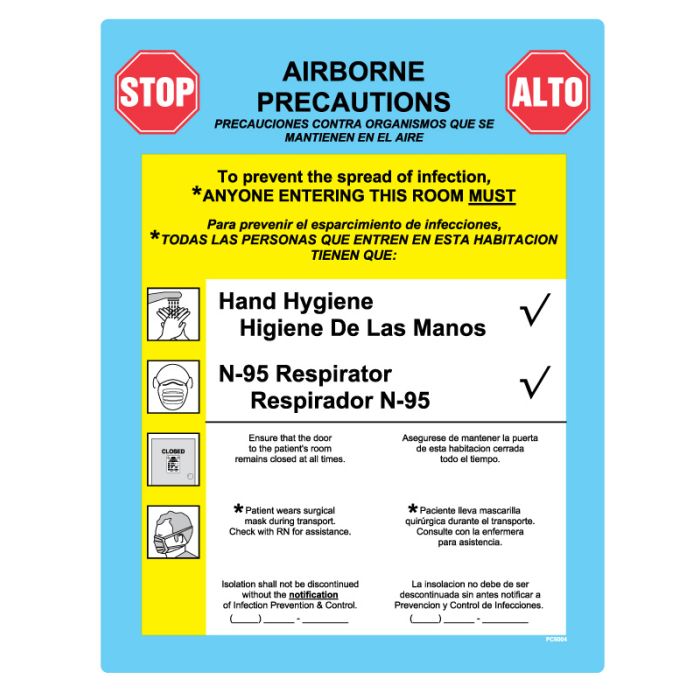
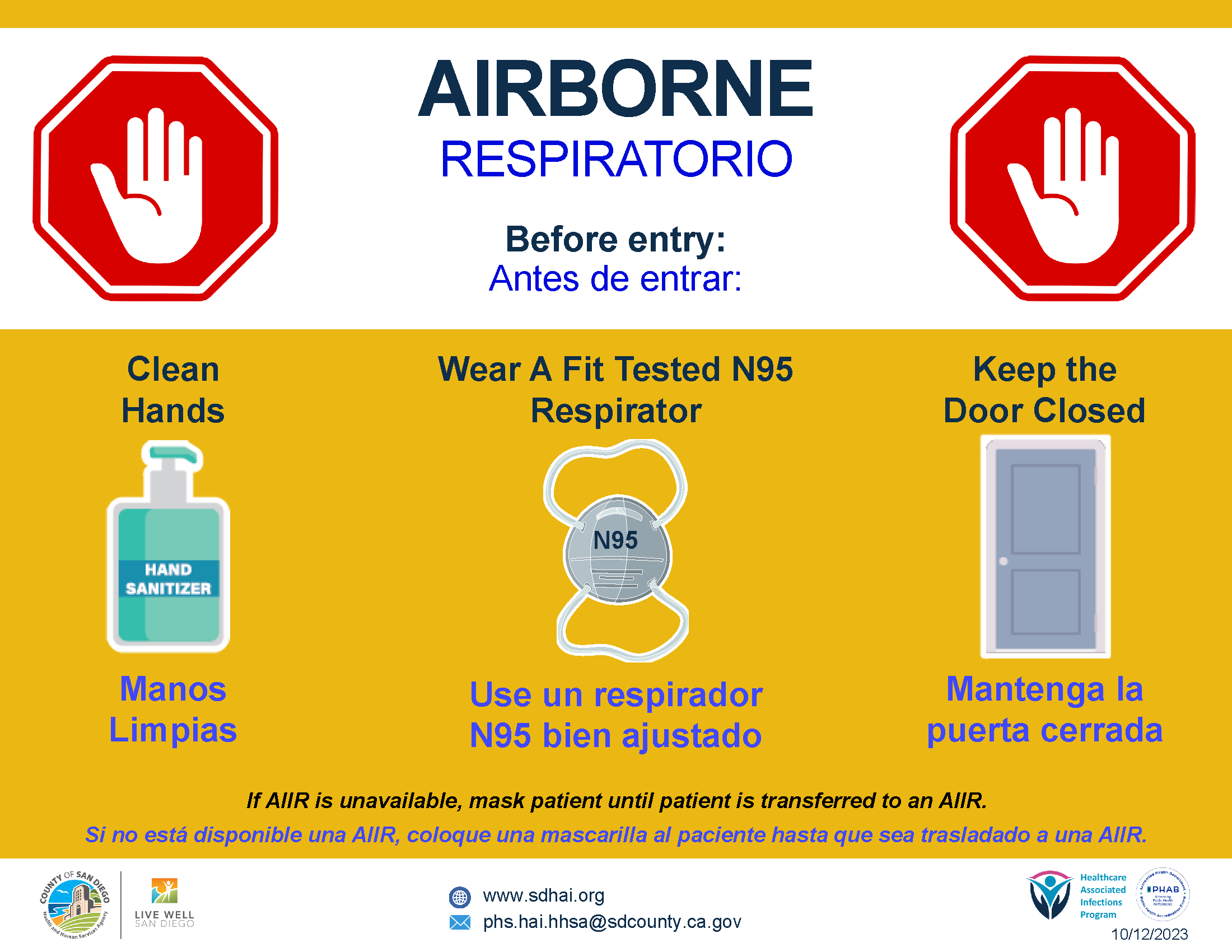
In an increasingly interconnected world, understanding and implementing effective airborne precautions has never been more critical. Traditionally, airborne precautions are a set of infection control practices designed to prevent the spread of pathogens that can travel long distances on air currents and remain suspended in the air for extended periods. These microscopic biological agents, invisible to the naked eye, pose significant risks in various environments, from healthcare settings to public spaces and even workplaces. While the fundamental principles of containing such threats—like isolation, specialized ventilation, and personal protective equipment—remain constant, the methodologies and tools employed have been revolutionized by technology. This article delves into the contemporary definition of airborne precautions, emphasizing the pivotal role technology plays in their design, deployment, and efficacy, transforming them from basic clinical protocols into sophisticated, data-driven defense strategies.

The Technological Foundation of Modern Airborne Precautions
The evolution of airborne precautions has moved far beyond simple face masks and open windows. Today, a robust technological infrastructure underpins effective pathogen containment, leveraging digital innovation to create safer environments. This foundational shift empowers institutions and individuals with advanced capabilities to detect, monitor, and mitigate airborne risks with unprecedented precision and responsiveness.
Advanced Air Management Systems
The cornerstone of modern airborne precautions lies in sophisticated air management systems. These aren’t just about moving air; they’re about actively purifying it and controlling its flow to minimize contamination.
- HEPA Filtration and UV-C Disinfection: High-Efficiency Particulate Air (HEPA) filters are critical for trapping tiny airborne particles, including bacteria and viruses, with an efficiency of 99.97% for particles 0.3 micrometers in size. Complementing this, UV-C (ultraviolet-C) germicidal irradiation technology is increasingly integrated into HVAC systems and standalone air purifiers. UV-C light directly targets and inactivates the DNA/RNA of microorganisms, preventing their replication and effectively sterilizing the air. The combined application of these technologies provides a formidable barrier against airborne pathogens in high-risk areas.
- Intelligent Ventilation and Airflow Dynamics: Smart HVAC systems are now capable of dynamically adjusting ventilation rates based on occupancy levels, air quality data, and even predictive models of pathogen spread. Computational Fluid Dynamics (CFD) simulations, a sophisticated engineering tool, are used to design optimal airflow patterns in critical environments like isolation rooms. These simulations help identify and eliminate “dead zones” where air can stagnate, ensuring a constant exchange of clean air and preventing the accumulation of infectious aerosols. Negative pressure rooms, a specific application of controlled airflow, create environments where air can only flow into the room, preventing contaminated air from escaping.
IoT and Sensor Networks for Real-time Monitoring
The Internet of Things (IoT) has dramatically enhanced our ability to monitor environmental conditions pertinent to airborne pathogen transmission in real-time. This ubiquitous connectivity provides continuous vigilance against unseen threats.
- Environmental Monitoring Devices: Networks of smart sensors can continuously monitor critical environmental parameters. These include particulate matter (PM2.5, PM10) levels, temperature, humidity, CO2 concentrations (as a proxy for ventilation effectiveness), and even specific volatile organic compounds (VOCs). Data from these sensors is transmitted wirelessly to centralized dashboards, providing immediate insights into air quality and potential risks.
- Occupancy and Proximity Tracking: Beyond environmental factors, IoT solutions can also monitor human activity. Proximity sensors, Bluetooth beacons, or Wi-Fi triangulation can track occupancy levels in various zones, helping to identify areas of high density where transmission risk might be elevated. This data can inform automated ventilation adjustments or trigger alerts for staff to manage crowding. In some advanced systems, wearables can even track close contacts, facilitating rapid contact tracing in the event of an outbreak.
Digital Tools for Protocol Management and Training
Effective airborne precautions are not solely about physical infrastructure; they also rely heavily on robust protocols and well-trained personnel. Digital platforms offer powerful solutions for managing complex guidelines and ensuring staff readiness.
Automated Compliance and Workflow Management
Managing the myriad protocols associated with airborne precautions—from PPE donning and doffing procedures to cleaning schedules and patient isolation guidelines—can be overwhelming. Digital tools streamline these processes.
- Electronic Health Records (EHR) Integration: Modern EHR systems play a crucial role by automatically flagging patients requiring airborne precautions based on their diagnosis or symptoms. This integration ensures that appropriate protocols are initiated promptly and consistently, including triggering alerts for specialized room assignments or specific PPE requirements.
- Digital Checklists and Task Management Systems: Healthcare facilities and other organizations increasingly use digital checklists and workflow management software to ensure adherence to airborne precaution protocols. These systems can guide staff through complex procedures step-by-step, log compliance, and flag any deviations. They can also automate reminders for critical tasks like filter changes or room disinfection, reducing human error.
Virtual and Augmented Reality for Training
Traditional training methods for complex procedures can be limited. Virtual Reality (VR) and Augmented Reality (AR) offer immersive, hands-on experiences that significantly enhance training for airborne precaution protocols.
- Immersive Simulation for PPE Training: VR simulations allow healthcare workers to practice donning and doffing various types of PPE (N95 respirators, gowns, gloves, face shields) in a realistic, risk-free environment. Trainees can experience different scenarios, receive immediate feedback on their technique, and build muscle memory for critical steps. This reduces the learning curve and improves confidence and competence in real-world situations.
- Scenario-Based Training and Emergency Response: AR and VR can create complex scenario-based training modules, simulating airborne infectious disease outbreaks or exposure events. This allows staff to practice emergency response protocols, decision-making under pressure, and coordination with other team members in a controlled environment. Such immersive training helps reinforce protocols and improve readiness for high-stakes situations without endangering actual patients or staff.
Data Analytics and AI for Predictive Risk Assessment
The sheer volume of data generated by modern technological systems presents an unprecedented opportunity for proactive risk management. Artificial intelligence (AI) and advanced data analytics are transforming our ability to predict and prevent airborne pathogen transmission.
Predictive Modeling of Outbreaks
AI algorithms can process vast datasets—including epidemiological data, environmental sensor readings, patient demographics, and even social mobility patterns—to identify subtle trends and predict potential outbreaks.
- Early Warning Systems: Machine learning models can analyze real-time data streams to detect anomalies that might indicate an emerging airborne threat. For example, a sudden increase in specific respiratory symptoms coupled with unusual CO2 levels in a particular zone could trigger an early warning alert, allowing for immediate investigation and intervention before widespread transmission occurs.
- Resource Allocation Optimization: Predictive analytics can also help optimize the allocation of critical resources. By forecasting areas or populations at higher risk, hospitals can strategically deploy PPE, allocate specialized isolation rooms, and staff critical units more effectively, preventing resource shortages during peak demand.
AI-Driven Environmental Control
AI is moving beyond just monitoring to actively controlling environments to minimize airborne risks.
- Dynamic HVAC Optimization: AI can analyze data from occupancy sensors, weather forecasts, and internal air quality monitors to dynamically adjust HVAC settings. This includes optimizing filtration rates, airflow direction, and pressure differentials in real-time to maintain optimal air quality and containment, rather than relying on static, pre-set schedules.
- Automated Disinfection Protocols: In the future, AI-powered robotics equipped with UV-C or specialized disinfectant sprays could autonomously navigate and decontaminate spaces, particularly during off-hours. These robots could learn the layout of a facility, identify high-touch surfaces, and execute precise disinfection protocols, minimizing human exposure to hazardous cleaning agents and ensuring thoroughness.
The Future Landscape of Tech-Enhanced Airborne Precautions
The trajectory of airborne precautions is one of increasing sophistication and integration with emerging technologies. As our understanding of pathogen transmission grows, so too does our capacity to leverage innovation for defense.
Personalized Protection and Wearable Tech
The next frontier in airborne precautions includes highly personalized protective measures.
- Smart Respirators: Future respirators may incorporate embedded sensors that monitor the wearer’s breathing patterns, filter integrity, and even detect specific airborne pathogens. These smart devices could provide real-time feedback on fit and effectiveness, ensuring optimal protection, and even alert the wearer to potential exposure.
- Wearable Environmental Monitors: Beyond traditional smartwatches, specialized wearables could provide individuals with personalized air quality data, informing them of localized airborne risks and prompting them to take immediate precautions or seek safer environments.
Nanotechnology and Advanced Materials
Breakthroughs in material science, particularly nanotechnology, promise to revolutionize the effectiveness and comfort of protective equipment and environmental controls.
- Self-Cleaning and Antimicrobial Surfaces: Research is ongoing into developing surfaces and materials for PPE and facility infrastructure that inherently repel or actively neutralize pathogens. Nanocoatings with antimicrobial properties could be applied to high-touch surfaces, reducing the persistence of airborne infectious agents.
- Next-Generation Filtration Media: Nanofiber filters, with their extremely small pore sizes and high surface area, offer even greater filtration efficiency than current HEPA filters, potentially trapping even smaller viral particles with less resistance to airflow, leading to more effective and energy-efficient air purification systems.
Global Digital Surveillance and Collaboration
The ultimate technological safeguard against airborne threats may lie in globally integrated digital systems for surveillance, data sharing, and collaborative response.
- Integrated Public Health Platforms: Imagine a global network of public health agencies sharing anonymized data on airborne pathogen detection, genomic sequencing, and epidemiological trends in real-time. AI could process this vast dataset to identify emerging threats, predict their spread patterns, and inform coordinated international responses, dramatically reducing the time lag between outbreak detection and effective intervention.
- Telepresence and Remote Care: Telemedicine and robotic telepresence will further reduce the need for physical contact in infectious disease contexts, allowing healthcare professionals to assess, monitor, and even deliver certain aspects of care to patients in isolation from a safe distance, thereby minimizing staff exposure and preserving vital PPE.
Conclusion
“What are airborne precautions?” in the 21st century is no longer a question with a purely medical answer. It is a query that demands a deep understanding of technology’s transformative power. From advanced HVAC systems and ubiquitous IoT sensors to sophisticated AI analytics and immersive VR training, technology has redefined the capabilities and reach of airborne precaution strategies. As we continue to face evolving microbial threats, the ongoing integration of cutting-edge innovations will be paramount in strengthening our defenses, creating healthier environments, and safeguarding global public health against the invisible, airborne dangers that surround us. The future of airborne precautions is undeniably a technological one, driven by data, intelligent systems, and groundbreaking materials, all working in concert to create a safer, more resilient world.
aViewFromTheCave is a participant in the Amazon Services LLC Associates Program, an affiliate advertising program designed to provide a means for sites to earn advertising fees by advertising and linking to Amazon.com. Amazon, the Amazon logo, AmazonSupply, and the AmazonSupply logo are trademarks of Amazon.com, Inc. or its affiliates. As an Amazon Associate we earn affiliate commissions from qualifying purchases.