
In the dynamic world of fitness technology, where innovation constantly pushes the boundaries of human performance, certain pieces of equipment achieve legendary status not just for their effectiveness, but for their ingenious engineering. Among these, the “assault bike” stands out as a formidable machine, a true testament to functional design in the pursuit of peak physical conditioning. Often referred to more generically as an “air bike” or “fan bike,” the Assault AirBike by Assault Fitness is arguably the most recognizable and synonymous brand within this category, lending its name to the entire class of apparatus. But beyond the intimidating moniker, what precisely constitutes an assault bike, and what technological principles underpin its widespread adoption in gyms, CrossFit boxes, and home fitness spaces worldwide?

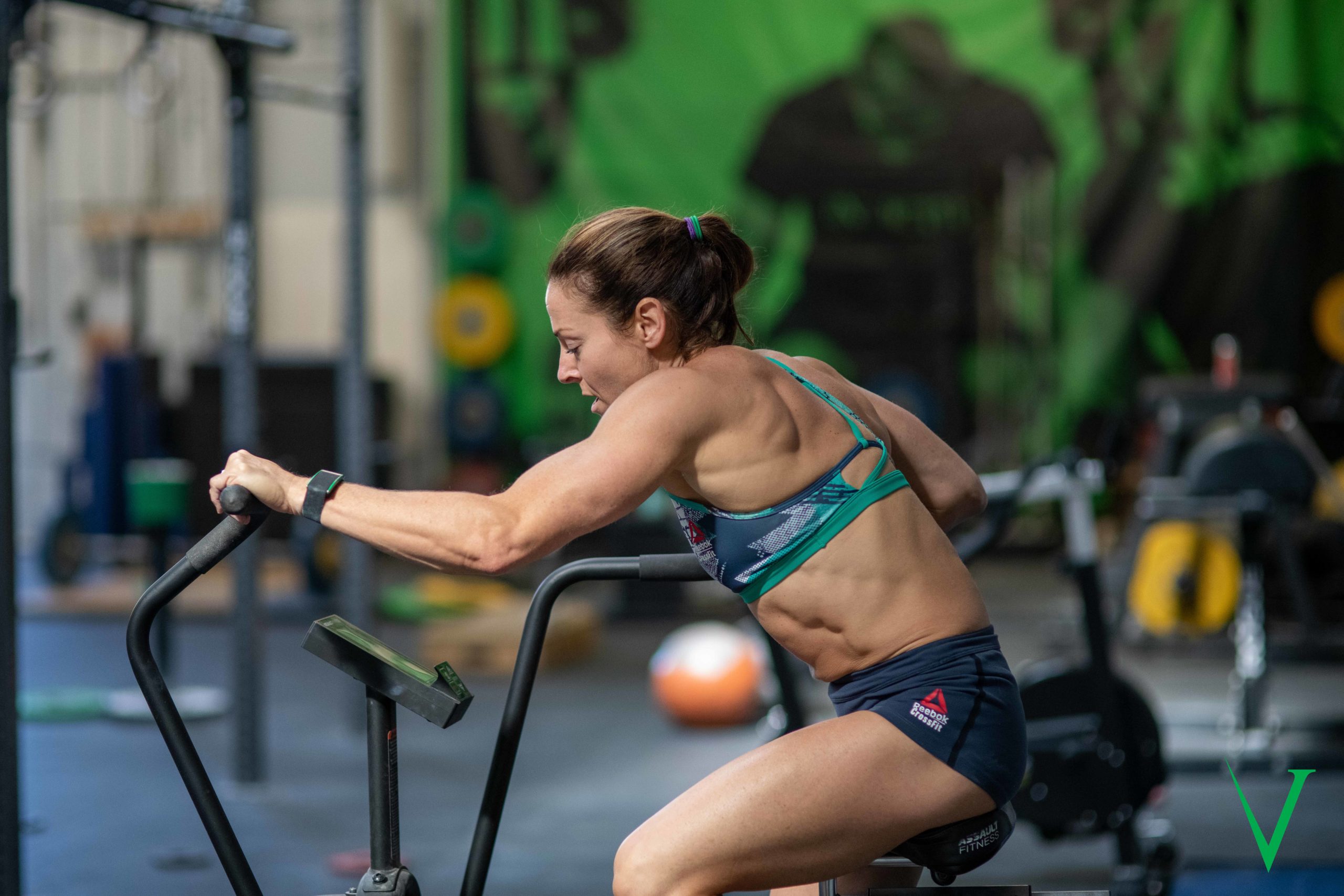
An assault bike is a stationary exercise bicycle distinguished primarily by its unique air-resistance mechanism and dual-action design. Unlike traditional stationary bikes that use magnetic or friction resistance, an assault bike employs a large, front-mounted fan connected to the pedals and handlebars. The harder and faster the user pedals and pushes/pulls the handles, the faster the fan spins, and exponentially greater resistance is generated. This simple yet profound technological distinction is the core of its brutal efficiency and makes it a staple for high-intensity interval training (HIIT), endurance conditioning, and rehabilitation. It is a masterclass in mechanical engineering applied to human exertion, creating a dynamic, user-dependent resistance curve that challenges athletes of all levels.
The Engineering Behind the Beast: How Assault Bikes Work
At the heart of an assault bike’s effectiveness lies a brilliantly simple yet incredibly powerful engineering principle: air resistance. This mechanism provides a scalable, responsive, and virtually limitless challenge, adapting instantly to the user’s output. Understanding its mechanical design reveals why these machines are so uniquely effective.
The Air-Resistance Mechanism
The defining feature of an assault bike is its large, exposed fan, typically made of durable metal or high-impact plastic blades, positioned at the front of the frame. This fan is directly connected via a chain or belt drive system to the bike’s pedals and, crucially, to the moving handlebars. When the user begins to pedal and pump the handles, the fan rotates. The genius of air resistance is its non-linear nature: the power required to double the fan’s speed is not merely double, but eight times greater. This cubed relationship means that resistance escalates exponentially with increased effort. This “infinity resistance” system ensures that the machine never tops out; it will always challenge the user proportional to their maximum output, making it suitable for both beginner warm-ups and elite athlete conditioning. There are no resistance levels to manually adjust, no complicated electronics to manage the load—the machine intrinsically responds to the user’s power output, providing an immediate and unyielding feedback loop. This direct, mechanical responsiveness is a hallmark of its robust design.
Dual-Action Design: Full-Body Engagement
Beyond the air resistance, the assault bike’s dual-action mechanism is another critical engineering aspect that sets it apart from conventional exercise bikes. Unlike a spin bike where only the lower body is engaged, assault bikes incorporate long, reciprocating handlebars that move back and forth in sync with the pedals. This design compels the user to push and pull with their arms, chest, shoulders, and back while simultaneously pedaling with their legs, glutes, and core. This synchronized movement transforms the machine into a full-body conditioning tool, engaging major muscle groups from head to toe. The integration of upper and lower body movement demands greater cardiovascular output, burns more calories, and provides a more comprehensive muscular workout in a shorter amount of time. The mechanical linkage between the arms and legs is precisely calibrated to allow for a smooth, natural, yet incredibly challenging reciprocal action, ensuring that no energy is wasted and maximum power transfer is achieved.
Robust Construction and Durability
Given the high-intensity nature of workouts performed on these machines, the construction quality of an assault bike is paramount. Manufacturers engineer these bikes to withstand extreme abuse, often employing heavy-gauge steel frames, reinforced crank arms, and industrial-grade bearings. The frame’s stability is crucial to prevent wobbling or instability during powerful bursts of speed and force. The fan blades themselves are designed for high RPMs and continuous air displacement, typically protected by a shroud or cage. Chains are often heavy-duty, similar to those found on motorcycles, designed for longevity and minimal maintenance, though some models may opt for belt drives for quieter operation. Every component, from the saddle post to the footpegs, is over-engineered to handle the relentless demands of repetitive, high-impact usage in commercial and home environments. This focus on durability is a key technological feature, ensuring the long-term reliability and functionality of a device subjected to immense mechanical stress.
Beyond the Basics: Key Technological Features and Innovations
While the core mechanics of an assault bike are relatively straightforward, modern iterations and competing models often incorporate advanced technological features designed to enhance the user experience, provide valuable data, and improve overall training efficacy. These innovations bridge the gap between pure mechanical genius and digital intelligence.
The Console: Data Tracking and Performance Metrics
A crucial component of any contemporary fitness machine is its console, and assault bikes are no exception. Modern assault bike consoles provide real-time feedback on various performance metrics. These typically include:
- Time: Duration of the workout.
- Distance: Calculated based on revolutions and estimated effort.
- Calories Burned: An estimate based on power output.
- RPM (Revolutions Per Minute): Measures pedaling and arm stroke speed.
- Watts: A direct measure of power output, reflecting the user’s mechanical work rate. This is perhaps the most critical metric for precise performance tracking and comparing efforts.
- Heart Rate: Many consoles are compatible with external heart rate monitors (e.g., ANT+ or Bluetooth chest straps), allowing users to train within specific heart rate zones.
More advanced consoles might offer pre-programmed workouts (e.g., Tabata, custom intervals), target settings (e.g., train for X calories, Y distance), and even competitive modes. The display technology itself ranges from basic LCD screens to more sophisticated, back-lit digital interfaces, all designed for clear visibility during intense training sessions when quick glances are all that’s possible. The precision of these sensors and the algorithms used to convert mechanical input into meaningful data represent significant technological advancements.
Connectivity and Smart Integration
The broader trend in fitness technology is connectivity, and assault bikes are beginning to integrate into this ecosystem. While the original Assault AirBike was purely mechanical, newer models from various manufacturers often feature Bluetooth or ANT+ connectivity. This allows the bike to:
- Pair with fitness apps: Data can be sent to popular tracking platforms (e.g., Strava, MyFitnessPal, Zwift) for detailed analysis, progress tracking, and sharing.
- Connect to third-party devices: This includes heart rate monitors, smartwatches, and even virtual training platforms.
- Firmware updates: Some bikes can receive updates to improve console functionality or add new features, much like a smart device.
This smart integration transforms the bike from a mere exercise tool into a data-generating, network-connected fitness hub, allowing for more personalized training, competitive interaction, and comprehensive health monitoring. The ability to visualize performance trends over time, compare metrics, and engage with online communities adds a powerful motivational and analytical layer.
Customization and Ergonomics
While the core function remains consistent, technological advancements also extend to user comfort and adaptability. Modern assault bikes often feature:
- Adjustable seating: Vertically and horizontally adjustable seats accommodate a wide range of user heights and preferences, ensuring proper biomechanics.
- Multi-grip handlebars: Different hand positions allow users to target various upper body muscles and reduce fatigue, crucial for extended workouts.
- Foot pegs: These allow users to rest their feet and focus solely on upper-body “arm-only” workouts, adding versatility.
- Powder-coated finishes: These not only enhance aesthetics but also provide durability against sweat and corrosion, extending the machine’s lifespan.
These ergonomic considerations, while seemingly minor, are critical technological refinements that improve the user experience, prevent injury, and broaden the appeal of the machine to a more diverse user base.
The Assault Bike’s Unique Role in Fitness Technology
The assault bike isn’t just another piece of cardio equipment; its design principles position it uniquely within the landscape of fitness technology, particularly for specific training methodologies. Its inherent characteristics make it a go-to device for maximizing output in minimal time.
High-Intensity Interval Training (HIIT) Specialist
The dynamic and unlimited resistance of an assault bike makes it an ideal machine for HIIT. Users can transition almost instantaneously from low-intensity warm-ups to maximal effort sprints, and back to recovery phases, without needing to manually adjust resistance levels. The exponential nature of air resistance means that even short bursts of power generate immense physiological demands, quickly elevating heart rate and burning significant calories. The full-body engagement further amplifies this effect. As a result, assault bikes are central to many CrossFit WODs (Workouts of the Day) and high-performance training protocols where explosive power and anaerobic conditioning are key. The console’s ability to track intervals, watts, and calories further facilitates precise HIIT programming, making it a digital partner in demanding anaerobic efforts.
Low-Impact, High-Reward Training

Despite its capacity for brutal workouts, the assault bike is a remarkably low-impact piece of equipment. Unlike running or jumping, there’s no impact on the joints, making it an excellent option for individuals with orthopedic issues, those in rehabilitation, or athletes seeking to minimize joint stress while still achieving a high-intensity cardiovascular workout. The smooth, reciprocal motion reduces strain while still recruiting powerful muscle groups. This makes the machine accessible to a wider demographic, from recovering athletes to older adults seeking vigorous exercise without the associated risks of high-impact activities. The mechanical design prioritizes fluid motion, protecting the user while demanding maximum output.
Versatility Across Fitness Regimes
The technological design of the assault bike lends itself to incredible versatility. It can be used for:
- Warm-ups and cool-downs: Gentle pedaling and arm swings prepare the body for more strenuous activity or aid in recovery.
- Endurance training: Sustained, moderate-intensity efforts build cardiovascular stamina.
- Power development: Explosive sprints target anaerobic capacity and muscular power.
- Rehabilitation: Controlled, low-impact movements allow for gentle reintroduction to exercise.
- Active recovery: Light, steady-state work can help flush lactic acid and promote blood flow without adding undue stress.
- “Arm-only” or “Leg-only” workouts: The ability to rest feet on pegs or simply hold the handles and focus on leg-driven power adds another dimension to targeted training.
This broad applicability underscores the intelligent design of the assault bike, making it a valuable asset in almost any training regimen, from general fitness to specialized athletic preparation. Its simple mechanical elegance allows for a complex array of physiological responses.
Choosing Your Combatant: What to Look for in an Assault Bike
When investing in an assault bike, whether for a commercial gym or home use, understanding the critical technical specifications and features is paramount. Not all air bikes are created equal, and discerning the nuances can significantly impact performance, durability, and user satisfaction.
Build Quality and Stability
The foundational aspect of any durable fitness machine is its construction. Look for:
- Heavy-gauge steel frame: This ensures stability during intense use and prevents flexing or wobbling. The heavier the bike, generally the more stable.
- Powder-coated finish: Provides resistance against sweat, scratches, and corrosion, preserving the bike’s aesthetic and structural integrity over time.
- Robust crank arms and pedals: These endure significant force. Seek out forged steel cranks and durable pedals that can withstand repeated, aggressive pushing.
- Industrial-grade bearings: High-quality bearings in the fan hub, crank, and handlebar pivots ensure smooth operation, reduce friction, and extend the machine’s lifespan with minimal maintenance.
- Stable base: A wide, solid base with leveling feet prevents tipping or rocking on uneven surfaces.
These elements are not just about longevity; they directly contribute to the safety and efficacy of the workout experience, ensuring that the machine can handle the demands placed upon it.
Console Functionality and Readability
The console acts as your data interface, making its design and capabilities crucial:
- Clear display: A large, backlit LCD or LED screen is essential for reading metrics quickly during high-intensity intervals.
- Key metrics: Ensure it tracks time, distance, calories, RPM, and Watts. Heart rate compatibility (ANT+ or Bluetooth) is a significant advantage.
- Intuitive interface: Easy-to-use buttons and a straightforward menu system are important when you’re exerting maximum effort.
- Programmable workouts: The ability to set custom intervals or target goals (e.g., “workout for 30 calories”) enhances training precision.
- Connectivity: Bluetooth/ANT+ capabilities for integration with fitness apps and wearables add immense value for data analysis and progress tracking.
A well-designed console transforms raw mechanical input into actionable insights, empowering users to optimize their training.
Ergonomics and Adjustability
A comfortable and properly fitting bike is essential for effective and injury-free workouts:
- Seat adjustability: Both horizontal and vertical adjustments are critical for accommodating various body types and achieving optimal pedaling mechanics. A comfortable, albeit firm, seat is also beneficial.
- Handlebar design: Look for multi-grip options that allow for different hand positions, reducing fatigue and targeting various muscle groups. The angle and length of the handles should allow for a natural range of motion.
- Foot pegs: The inclusion of foot pegs allows for upper-body only workouts, significantly increasing the machine’s versatility.
- User weight capacity: Check the maximum user weight to ensure the bike is robust enough for all intended users.
These ergonomic features highlight the design considerations that transform a basic exercise machine into a finely tuned instrument adapted to the human form.
Maintenance and Longevity
While built for durability, some maintenance considerations are important:
- Chain vs. Belt Drive: Chain drives require occasional lubrication and tension adjustments, similar to a bicycle. Belt drives are generally quieter and require less maintenance but can be more complex to replace if they wear out.
- Accessibility: Consider how easy it is to access components for cleaning or minor repairs.
- Warranty: A strong warranty on the frame and parts indicates manufacturer confidence in the product’s longevity.
Understanding these technical aspects ensures that your chosen assault bike will not only perform optimally but also serve as a reliable fitness tool for years to come.
The Future of Air Bikes: Evolution of Fitness Tech
As fitness technology continues its rapid advancement, the humble air bike is also poised for evolution. While its core mechanical principles are timeless, digital integration and smart design will undoubtedly push its capabilities further, transforming it from a purely mechanical beast into an intelligent training partner.
Enhanced Digital Integration and AI Coaching
The trend towards connected fitness will see air bikes become even more deeply embedded in digital ecosystems. Expect more sophisticated consoles with touchscreens, offering interactive workout experiences, guided programs, and virtual scenic routes. AI-powered coaching, leveraging the bike’s detailed power output and heart rate data, could provide real-time feedback, adapt workouts dynamically based on fatigue or performance goals, and offer personalized training prescriptions. Integration with popular virtual racing platforms like Zwift or Peloton-style classes could also become standard, fostering a sense of community and competition. The bike could become a central hub for personal performance data, feeding into a comprehensive digital health profile.
Advanced Ergonomics and Biometric Feedback
Future air bikes might incorporate more advanced biomechanical sensors to analyze pedaling technique, power distribution between limbs, and posture. This real-time feedback could help users optimize their form, prevent injuries, and improve efficiency. Seats and handlebars could feature more dynamic adjustability, perhaps even motorized adjustments programmable for different users or workout types. Integrated sensors could monitor hydration levels, core body temperature, or muscle oxygenation, providing a holistic view of the user’s physiological state and enabling truly personalized and adaptive training protocols.
Community and Gamification Features
The inherent competitive nature of air bike workouts lends itself perfectly to gamification. Future models could feature built-in leaderboards, challenges against virtual opponents or friends, and reward systems for hitting performance milestones. The ability to easily connect and compete with a global community of users could provide significant motivation and make training more engaging. Augmented reality (AR) features might project virtual environments or competitors onto the user’s field of view, transforming the solo grind into an immersive, interactive experience.
In conclusion, the assault bike, with its ingenious air-resistance system and full-body engagement, stands as a testament to effective mechanical design in fitness. Its evolution, however, will undoubtedly be driven by advancements in digital technology, transforming it from a raw power generator into a sophisticated, intelligent, and highly connected fitness companion. As we look ahead, the blend of robust engineering with smart technology promises an even more insightful and engaging workout experience for athletes and fitness enthusiasts alike.
aViewFromTheCave is a participant in the Amazon Services LLC Associates Program, an affiliate advertising program designed to provide a means for sites to earn advertising fees by advertising and linking to Amazon.com. Amazon, the Amazon logo, AmazonSupply, and the AmazonSupply logo are trademarks of Amazon.com, Inc. or its affiliates. As an Amazon Associate we earn affiliate commissions from qualifying purchases.