
An army, in its most fundamental sense, is a large, organized body of people trained and equipped for warfare. However, to truly understand what an army is, particularly in the context of modern technology and its evolving role, we must delve deeper than this basic definition. Today, an army is not just a collection of soldiers; it’s a complex ecosystem of interconnected systems, advanced technologies, and sophisticated human capital. It represents the pinnacle of organized force, built upon layers of innovation, strategic thinking, and an unwavering commitment to national security.
The modern army is a testament to human ingenuity, a dynamic entity that continuously adapts to the ever-changing geopolitical landscape and the relentless march of technological progress. From the rudimentary formations of antiquity to the highly specialized, technologically augmented forces of the 21st century, the concept of the army has undergone a profound transformation. This evolution is not merely about bigger weapons or larger numbers; it’s about a paradigm shift in how power is projected, how conflicts are understood, and how nations defend their interests. In essence, an army is the ultimate manifestation of a nation’s ability to deter aggression, defend its sovereignty, and, when necessary, project its influence through organized, disciplined, and technologically advanced means.
The Pillars of a Modern Army: Structure, Doctrine, and Personnel
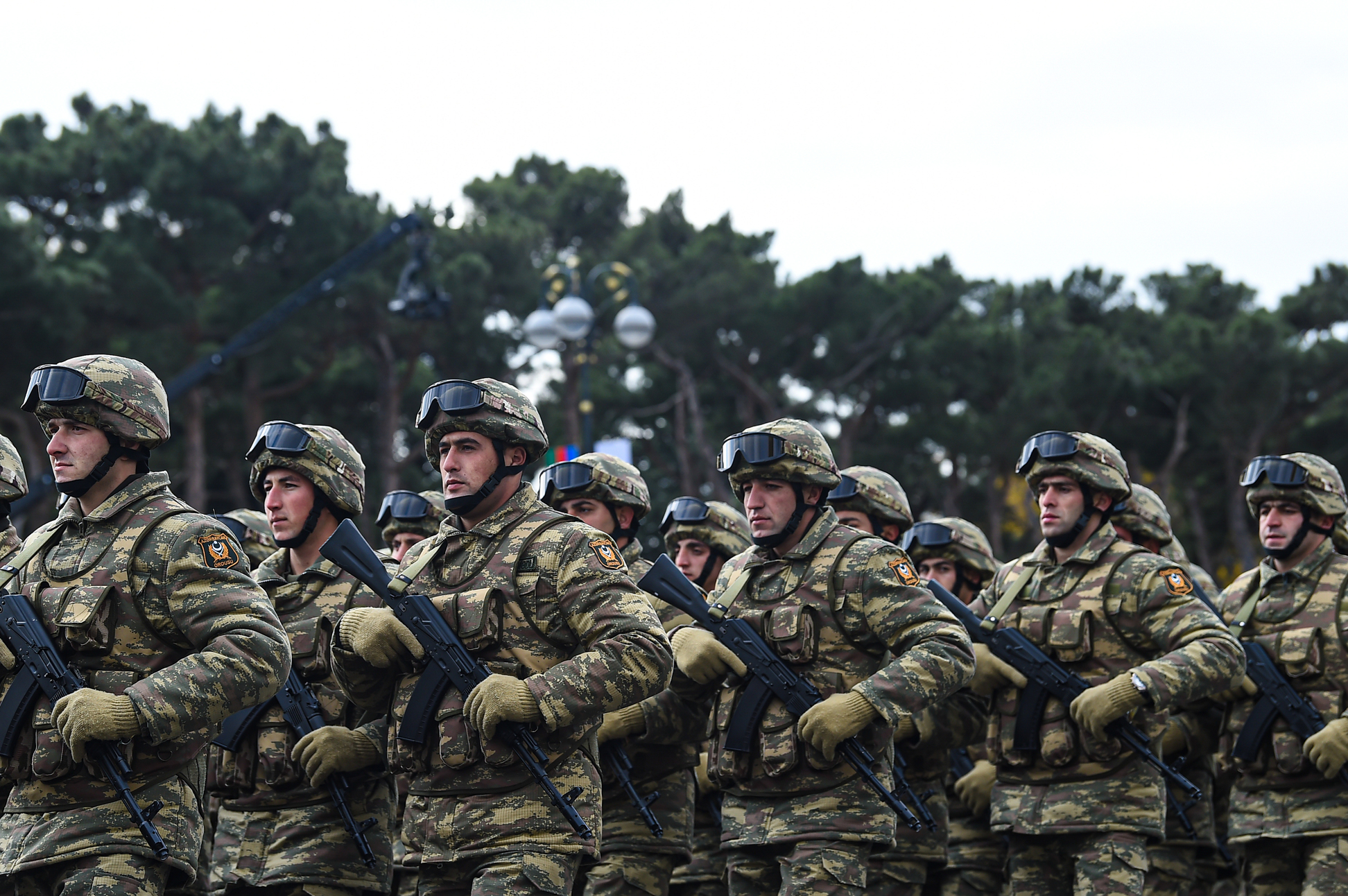
The strength and effectiveness of any army are built upon a foundation of three interconnected pillars: its organizational structure, its guiding doctrine, and its highly trained personnel. These elements, working in concert, define the army’s capabilities, its operational philosophy, and its ability to achieve strategic objectives.
Organizational Structure: The Framework for Command and Control
The organizational structure of an army is the hierarchical framework that dictates how its components are organized, how command and control are exercised, and how resources are allocated. This structure is designed to ensure unity of effort, facilitate rapid decision-making, and enable the efficient deployment of forces across diverse operational environments.
From Platoons to Theater Commands: Levels of Organization
At the most granular level, armies are composed of small, cohesive units like squads and platoons, designed for immediate tactical engagements. As these units aggregate, they form larger formations such as companies, battalions, brigades, divisions, corps, and ultimately, armies in the operational sense, responsible for commanding vast numbers of troops and resources across significant geographic areas. Above these formations exist higher echelons like Army Commands and the Joint Force Command, which oversee entire theaters of operation, coordinating land, sea, and air assets. This tiered structure allows for scalability and flexibility, enabling an army to adapt its size and scope to the demands of any given mission, from localized peacekeeping operations to full-scale joint military campaigns.
The Interconnectedness of Branches and Services
Beyond the numerical hierarchy, armies are also structured into various branches and services, each with specialized roles and expertise. These include infantry, armor, artillery, engineers, logistics, intelligence, signal corps, and medical services, among others. The effective integration and coordination of these specialized units are crucial for mission success. Modern armies increasingly emphasize joint operations, where different branches of the military (army, navy, air force, and marines) work seamlessly together, leveraging each other’s strengths to achieve synergistic effects. This requires robust command and control systems, shared situational awareness, and a unified operational plan.
Doctrine: The Art and Science of Warfare
Doctrine serves as the army’s intellectual backbone, outlining its fundamental beliefs about how to employ its forces to achieve victory. It is a body of guiding principles, concepts, and methods that inform strategic planning, operational execution, and tactical decision-making. Doctrine is not static; it evolves over time in response to battlefield experience, technological advancements, and changes in the global security environment.
Evolving Concepts of Warfare: From Attrition to Network-Centric Operations
Historically, military doctrine has shifted dramatically. Early doctrines often focused on attrition warfare, aiming to destroy the enemy’s forces through overwhelming numbers and sustained engagement. The advent of industrial warfare led to doctrines centered on maneuver warfare, emphasizing speed, surprise, and decisive operations to disrupt and envelop enemy formations. Today, the focus has shifted towards network-centric warfare, where the interconnectedness of sensors, decision-makers, and weapon systems creates a decisive advantage. This doctrine leverages information superiority, speed of command, and the ability to synchronize effects across multiple domains to achieve mission objectives with precision and efficiency.
The Role of Adaptability and Innovation in Doctrine
A critical aspect of modern military doctrine is its emphasis on adaptability and innovation. Armies must be prepared to fight in diverse environments, from dense urban settings to austere desert landscapes, and to counter a wide range of threats, from conventional state actors to asymmetric insurgent groups. This necessitates doctrines that are flexible enough to accommodate unforeseen circumstances and that foster a culture of continuous learning and improvement. Doctrine guides the development of training programs, the procurement of new technologies, and the organization of forces to meet these evolving challenges.
Personnel: The Human Element of Military Power
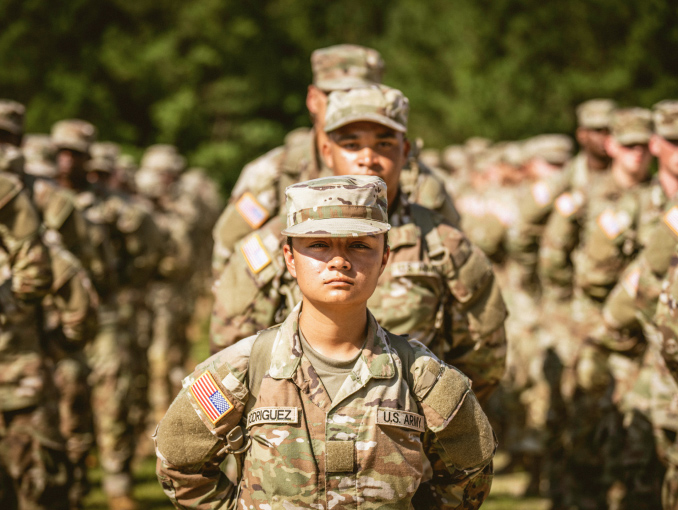
Ultimately, an army is comprised of individuals – the soldiers, non-commissioned officers, and officers who execute its missions. The quality, training, morale, and leadership of these individuals are paramount to the army’s effectiveness.
Recruitment, Training, and Professional Development
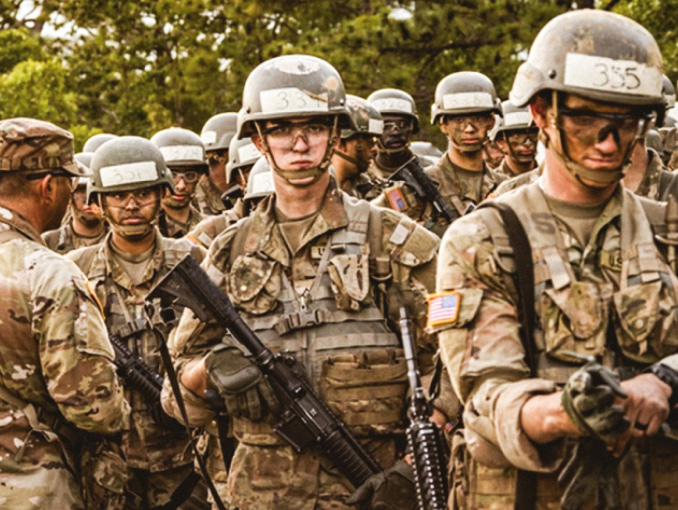
The process of building a competent fighting force begins with rigorous recruitment standards and comprehensive training programs. Recruits are instilled with discipline, physical fitness, and the foundational skills required for their chosen military occupational specialty. Beyond initial training, professional development is a lifelong journey. Soldiers continuously hone their skills through advanced individual training, collective unit training, and participation in exercises. Leadership development programs are crucial for cultivating officers and non-commissioned officers who can inspire, motivate, and guide their subordinates effectively.
The Importance of Morale and Esprit de Corps
Beyond technical proficiency, high morale and a strong sense of esprit de corps are vital for an army’s success. These intangible factors contribute to unit cohesion, resilience in the face of adversity, and a willingness to endure hardship for the sake of the mission and comrades. Leaders play a critical role in fostering morale through effective communication, fair treatment, and by demonstrating genuine concern for the well-being of their troops. A strong sense of shared purpose and belonging is essential for overcoming the psychological challenges of warfare.
Technology’s Transformative Impact on the Modern Army
Technology has always played a crucial role in warfare, but its pace of innovation and integration has accelerated dramatically in recent decades, fundamentally reshaping the nature of armies and their operational capabilities.
The Digital Battlefield: Information and Connectivity
The advent of digital technologies has created what is often referred to as the “digital battlefield,” where information superiority and seamless connectivity are critical determinants of success.
Command and Control Systems: The Nervous System of the Army
Modern armies rely on sophisticated Command and Control (C2) systems to gather, process, and disseminate information across the battlefield. These systems integrate data from a multitude of sources, including sensors, drones, satellites, and human intelligence, providing commanders with a comprehensive and near real-time situational awareness. This allows for faster and more informed decision-making, enabling forces to react more rapidly to changing circumstances and to coordinate complex operations with greater precision.
Communications and Network Security: The Lifeline of Operations
Reliable and secure communication is the lifeline of any military operation. Modern armies employ advanced communication networks that can operate in contested environments and transmit vast amounts of data. However, this reliance on technology also makes them vulnerable to cyberattacks. Therefore, robust network security protocols, encryption, and counter-intelligence measures are essential to protect critical information and prevent adversaries from disrupting command and control. The development of resilient and secure communication systems is a continuous area of focus.
Advanced Weapon Systems: Precision, Lethality, and Reach
The technological advancements in weapon systems have dramatically increased their precision, lethality, and operational reach.
Unmanned Systems: The Rise of Drones and Robotic Platforms
Unmanned Aerial Vehicles (UAVs), commonly known as drones, have become indispensable assets for reconnaissance, surveillance, target acquisition, and even direct combat. Their ability to operate in dangerous environments without risking human life has revolutionized battlefield awareness and strike capabilities. Similarly, ground-based robotic systems are increasingly being employed for tasks such as bomb disposal, reconnaissance in hazardous areas, and even logistical support.
Precision-Guided Munitions and Directed Energy Weapons
The development of precision-guided munitions (PGMs) has transformed the ability of armies to strike targets with unprecedented accuracy, minimizing collateral damage and maximizing effectiveness. These munitions, guided by GPS, laser, or other systems, can hit targets miles away with pinpoint precision. Looking ahead, directed energy weapons, such as lasers and high-powered microwaves, are emerging as potential game-changers, offering the promise of unlimited ammunition and the ability to neutralize threats at the speed of light.
Logistics and Sustainment: The Unsung Heroes of Military Operations
While often overlooked, advancements in logistics and sustainment are critical to an army’s ability to operate effectively and maintain its readiness.
Automated Systems and Predictive Analytics in Supply Chains
The management of complex supply chains for modern armies is increasingly being optimized through automation and predictive analytics. These technologies help to forecast demand, track inventory in real-time, and optimize delivery routes, ensuring that troops have the necessary supplies, equipment, and ammunition, even in remote and challenging operational areas.
Innovations in Medical Evacuation and Field Medicine
Technological advancements have also significantly improved medical evacuation capabilities and field medicine. Rapid deployment medical units, advanced trauma care techniques, and sophisticated medical equipment allow for faster and more effective treatment of casualties, improving survival rates and the speed of recovery. This includes everything from advanced telemedicine capabilities to portable diagnostic tools.
The Army in the 21st Century: Evolving Roles and Future Challenges
The role of the army in the 21st century is multifaceted and continues to evolve in response to a complex and dynamic global security environment. Beyond traditional combat operations, modern armies are increasingly involved in a range of activities that demand specialized skills and adaptive strategies.
Beyond the Battlefield: Peacekeeping, Humanitarian Aid, and Stability Operations
While equipped for warfare, modern armies are frequently called upon to perform roles that extend far beyond direct combat. Peacekeeping operations, often under the auspices of international organizations, require disciplined forces capable of de-escalating conflict, protecting civilians, and facilitating the delivery of humanitarian aid. In disaster-stricken regions, armies can be invaluable assets for providing logistical support, infrastructure repair, and essential services when civilian capacity is overwhelmed. These operations demand a high degree of cultural sensitivity, diplomatic acumen, and the ability to operate in complex, non-permissive environments.
The Importance of Soft Power and Civil-Military Relations
In an era of interconnectedness, the effectiveness of military operations is increasingly influenced by perceptions and public opinion. Modern armies must therefore cultivate strong civil-military relations, both domestically and internationally. This involves transparent communication, engagement with local populations, and a demonstrated commitment to humanitarian principles. The development of “soft power” – the ability to influence others through attraction rather than coercion – is becoming an increasingly important component of national security strategy, and armies play a significant role in projecting this influence.
Emerging Threats and the Future of Warfare
The nature of conflict is continually evolving, presenting new and complex threats that armies must be prepared to address.
Hybrid Warfare and Asymmetric Threats
Hybrid warfare, a strategy that blurs the lines between conventional military operations, irregular warfare, and political warfare, poses a significant challenge to traditional military structures. This approach often involves the use of disinformation, cyberattacks, economic pressure, and the exploitation of internal divisions within an adversary. Similarly, asymmetric threats, such as terrorism and insurgencies, require specialized counter-insurgency tactics, intelligence gathering, and a deep understanding of the socio-political context.
The Growing Importance of Cyber and Space Capabilities
The domains of cyber and space are becoming increasingly critical battlegrounds. Cyber warfare, encompassing the use of digital attacks to disrupt critical infrastructure, steal sensitive information, or compromise command and control systems, is a growing concern. Similarly, control over space-based assets, such as communication satellites and early warning systems, is vital for modern military operations. Future armies will require highly specialized units and advanced technologies to operate effectively in these domains, as well as to defend against threats originating from them.
The Ethical and Legal Dimensions of Modern Warfare
As technology advances and the scope of military operations expands, the ethical and legal considerations surrounding warfare become more complex.
The Laws of Armed Conflict and Rules of Engagement
International humanitarian law, including the Geneva Conventions and their Additional Protocols, provides a framework for the conduct of armed conflict, aiming to limit its effects and protect civilians. Armies must adhere to these laws and their own specific rules of engagement, which dictate when and how force can be used. The responsible and ethical application of military power is crucial for maintaining legitimacy, fostering public trust, and ensuring long-term strategic success.
The Challenge of Autonomous Weapons Systems
The development of autonomous weapons systems (AWS), which can select and engage targets without direct human intervention, presents profound ethical and legal challenges. Questions surrounding accountability, the potential for unintended escalation, and the dehumanization of warfare are at the forefront of discussions. Future armies will need to grapple with these complex issues, establishing clear guidelines and robust oversight mechanisms for the development and deployment of such technologies.
In conclusion, an army is a dynamic and evolving entity, far more than a simple military force. It is a sophisticated organization that integrates cutting-edge technology, time-tested doctrine, and highly trained personnel to safeguard national interests. As the global landscape shifts and new threats emerge, the army’s adaptability, its commitment to ethical conduct, and its continuous embrace of innovation will be paramount in defining its future and ensuring its continued relevance in an increasingly complex world.
aViewFromTheCave is a participant in the Amazon Services LLC Associates Program, an affiliate advertising program designed to provide a means for sites to earn advertising fees by advertising and linking to Amazon.com. Amazon, the Amazon logo, AmazonSupply, and the AmazonSupply logo are trademarks of Amazon.com, Inc. or its affiliates. As an Amazon Associate we earn affiliate commissions from qualifying purchases.