
The world of higher education offers a vast array of degree programs, each designed to equip students with specific knowledge and skills for future careers. Among these, the applied science degree stands out as a distinct pathway that bridges theoretical principles with practical, real-world applications. Unlike traditional pure science degrees that often focus on fundamental research and theoretical exploration, applied science degrees are explicitly geared towards solving problems and developing innovative solutions within specific industries. This article delves into the nature of applied science degrees, exploring their core characteristics, the diverse fields they encompass, and the distinct advantages they offer to students aiming for impactful careers in technology.

The Essence of Applied Science: Bridging Theory and Practice
At its heart, an applied science degree is about using scientific principles and methodologies to address tangible challenges and create practical outcomes. While pure science degrees might explore the “why” behind phenomena, applied science degrees focus on the “how” – how to harness scientific understanding to build, engineer, innovate, and solve. This emphasis on practical application means that curricula are often designed with direct input from industry professionals, ensuring that graduates possess the skills and knowledge that are in high demand.
Defining Applied Science in the Technological Landscape
In the context of technology, applied science degrees are fundamental to innovation and progress. They represent the crucial link between groundbreaking scientific discoveries and their transformation into functional technologies, products, and services. This field thrives on the ability to translate complex scientific concepts into actionable engineering solutions.
Core Principles and Methodologies
Applied science programs typically build upon a strong foundation in core scientific disciplines such as physics, chemistry, mathematics, and biology. However, the emphasis shifts towards the application of these principles in specific contexts. This often involves:
- Problem-Solving Focus: Curricula are structured around identifying real-world problems and developing scientifically-grounded solutions.
- Hands-On Learning: Practical components, such as laboratory work, design projects, simulations, and internships, are integral to the learning process.
- Interdisciplinary Approach: Many applied science fields naturally draw from multiple scientific and engineering disciplines, fostering a holistic understanding.
- Industry Relevance: Programs are designed to be responsive to the evolving needs of the technology sector, ensuring graduates are job-ready.
Distinguishing Applied Science from Pure Science and Engineering
It’s important to differentiate applied science from related fields like pure science and traditional engineering. Pure science degrees, such as a Bachelor of Science in Physics or Chemistry, are primarily focused on expanding fundamental knowledge through research. Engineering degrees, while also applied, often have a more specialized focus on the design, construction, and maintenance of systems and structures, often adhering to established engineering principles.
Applied science occupies a valuable space between these two. It leverages the foundational knowledge of pure science and applies it, often in collaboration with engineering principles, to create new technologies, optimize existing ones, and address novel challenges. An applied science graduate might develop a new material with unique properties (drawing from chemistry) that can then be used in the design of a new electronic device (an engineering application).
Diverse Fields Within Applied Science: A Technological Spectrum
The umbrella term “applied science” encompasses a wide range of specialized degrees, each catering to distinct technological domains. These programs are designed to produce professionals who can contribute directly to the development, implementation, and advancement of technology across various sectors.
Information Technology and Computer Science Applications
Degrees in applied computer science or information technology focus on the practical aspects of software development, data management, network infrastructure, and cybersecurity. Students learn to design, build, and maintain the digital systems that power modern society.
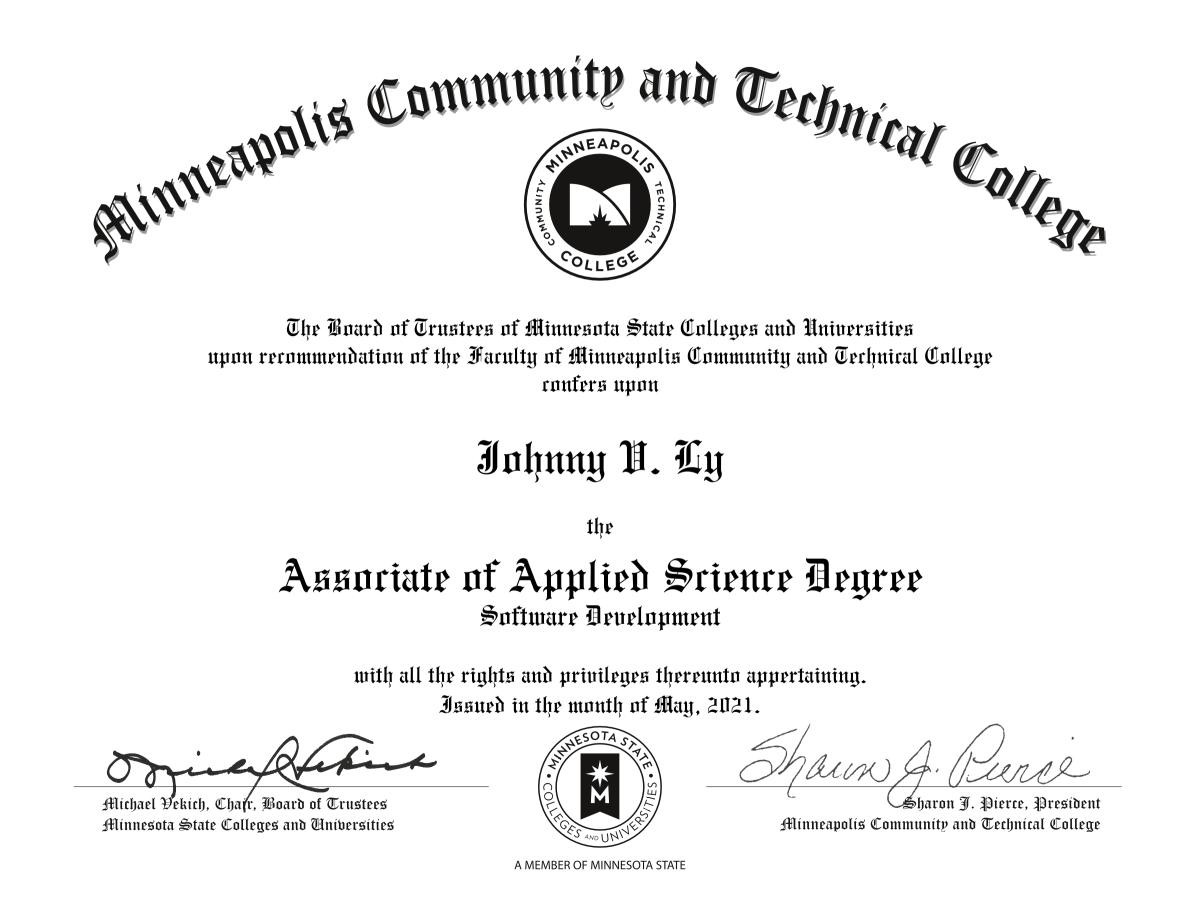
- Software Development: This sub-field emphasizes the creation of applications, operating systems, and other software solutions. Graduates are skilled in programming languages, software architecture, and development methodologies.
- Data Science and Analytics: Applied science degrees in this area equip students with the skills to collect, clean, analyze, and interpret large datasets to extract meaningful insights and drive decision-making. This is crucial for everything from personalized user experiences to scientific discovery.
- Cybersecurity: With the increasing reliance on digital infrastructure, applied science degrees in cybersecurity focus on protecting systems and data from malicious attacks. This involves understanding vulnerabilities, developing defense mechanisms, and responding to security breaches.
- Network Engineering and Administration: These programs prepare professionals to design, implement, and manage complex computer networks, ensuring reliable and secure communication for organizations.
Engineering Technologies and Innovation
Many applied science degrees are closely aligned with engineering disciplines, but with a distinct emphasis on the practical implementation and technological aspects of engineering. These programs often focus on the “how-to” of bringing engineering concepts to life.
- Electrical and Electronics Engineering Technology: Graduates in this area are skilled in the design, development, testing, and maintenance of electrical and electronic systems, from simple circuits to complex integrated systems. They are the hands-on professionals who bring electronic devices to life.
- Mechanical Engineering Technology: This field focuses on the practical application of mechanical principles in the design, manufacturing, and operation of machines, devices, and systems. It often involves expertise in CAD/CAM software, materials science, and manufacturing processes.
- Aerospace Engineering Technology: Applied science degrees in aerospace technology focus on the practical aspects of designing, building, testing, and maintaining aircraft and spacecraft. This includes aerodynamics, propulsion systems, and avionics.
- Biotechnology and Biomedical Applications: Applied science programs in these areas leverage biological and chemical principles for practical applications in medicine, agriculture, and environmental science. This could involve developing new diagnostic tools, improving crop yields, or creating biofuels.
Emerging Technologies and Specializations
The dynamic nature of the technology sector means that applied science degrees are constantly evolving to meet new demands. Emerging fields are seeing a surge in specialized applied science programs.
- Robotics and Automation: With the rise of automation across industries, applied science degrees in robotics focus on the design, construction, operation, and application of robots and automated systems.
- 3D Printing and Additive Manufacturing: This rapidly growing field leverages applied science principles to design and produce objects layer by layer, revolutionizing prototyping and manufacturing.
- Sustainable Technologies: Applied science degrees in this area focus on developing and implementing technologies that address environmental challenges, such as renewable energy systems, waste management solutions, and green building technologies.
Career Pathways and Advantages of an Applied Science Degree
An applied science degree offers a distinct advantage in the job market, particularly within the technology sector. Graduates are often highly sought after due to their blend of theoretical understanding and practical skills, making them immediately valuable to employers.
Direct Entry into Tech Industries
The practical, problem-solving orientation of applied science degrees makes graduates well-suited for direct entry into a wide range of technology-driven industries. Employers value individuals who can not only understand scientific principles but also apply them to develop, implement, and troubleshoot real-world technological solutions.
- Research and Development (R&D): Applied scientists play a crucial role in R&D departments, translating theoretical breakthroughs into tangible product prototypes and innovative technologies.
- Product Development and Design: Graduates are instrumental in the design and development phases of new technological products, ensuring they are functional, efficient, and meet market needs.
- Manufacturing and Production: In fields like electronics, aerospace, and advanced manufacturing, applied scientists oversee and optimize production processes, troubleshoot technical issues, and ensure quality control.
- Technical Support and Consulting: With their strong understanding of complex systems, applied science graduates are well-equipped to provide expert technical support and consulting services to businesses.
- Quality Assurance and Testing: Ensuring that technological products and systems function as intended is a critical role filled by applied science professionals.
Skills Developed and Industry Relevance
Applied science programs are meticulously designed to cultivate a specific set of skills that are highly valued in the tech industry. This hands-on approach ensures graduates are not only knowledgeable but also competent.
- Problem-Solving and Critical Thinking: The core of an applied science education is the development of robust problem-solving skills, enabling graduates to analyze complex issues and devise effective solutions.
- Technical Proficiency: Graduates gain hands-on experience with industry-standard tools, software, and equipment, making them proficient in their chosen specialization.
- Project Management: Many applied science programs incorporate team-based projects, fostering skills in project planning, execution, and collaboration.
- Communication Skills: Effectively communicating technical information to diverse audiences, including colleagues, management, and clients, is a vital skill honed through presentations and technical writing.
- Adaptability and Lifelong Learning: The fast-paced nature of the technology sector demands continuous learning. Applied science degrees instill a mindset of adaptability and a commitment to staying abreast of emerging trends and technologies.
The Competitive Edge in a Dynamic Job Market
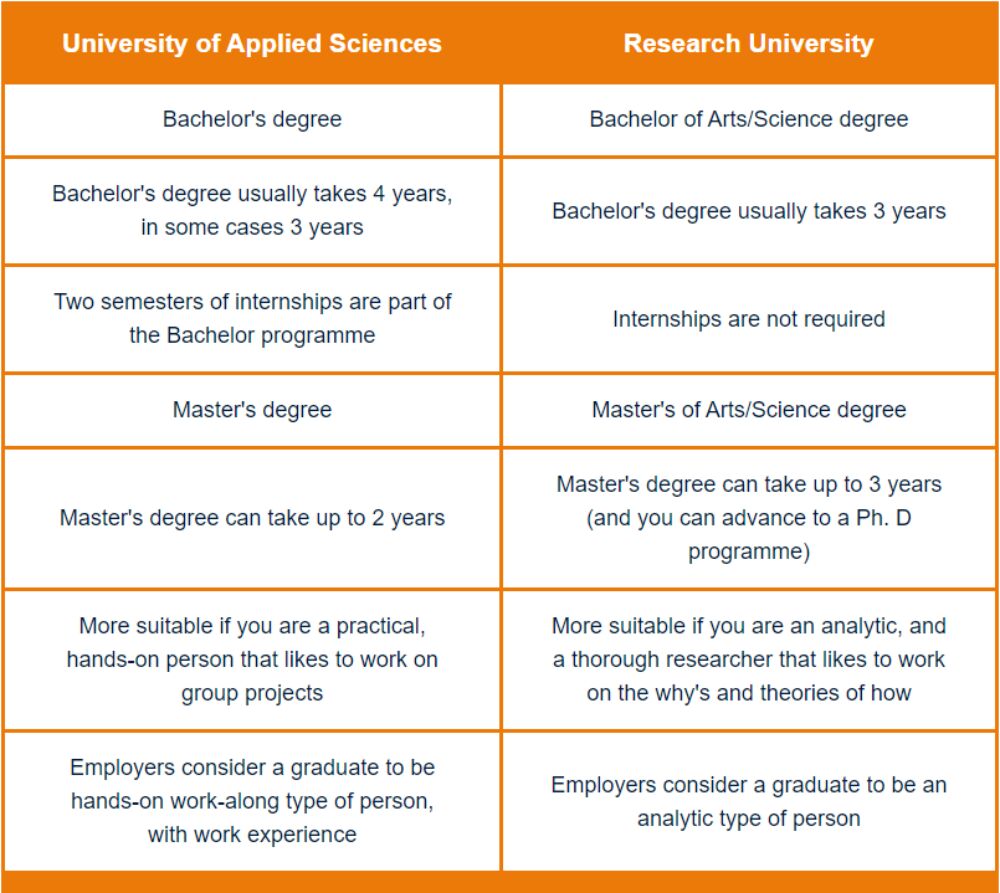
In an increasingly competitive job market, an applied science degree can provide a significant edge. The focus on practical application and industry relevance means graduates are often able to enter the workforce with a clear understanding of their role and the skills to perform it effectively, reducing the learning curve for employers. This direct applicability often translates into higher starting salaries and faster career progression. Furthermore, the interdisciplinary nature of many applied science programs equips graduates with a versatile skill set, making them adaptable to evolving industry demands and capable of transitioning into new technological areas as they emerge. This forward-looking approach ensures that an applied science degree is not just a qualification but an investment in a future-proof career in technology.
aViewFromTheCave is a participant in the Amazon Services LLC Associates Program, an affiliate advertising program designed to provide a means for sites to earn advertising fees by advertising and linking to Amazon.com. Amazon, the Amazon logo, AmazonSupply, and the AmazonSupply logo are trademarks of Amazon.com, Inc. or its affiliates. As an Amazon Associate we earn affiliate commissions from qualifying purchases.