
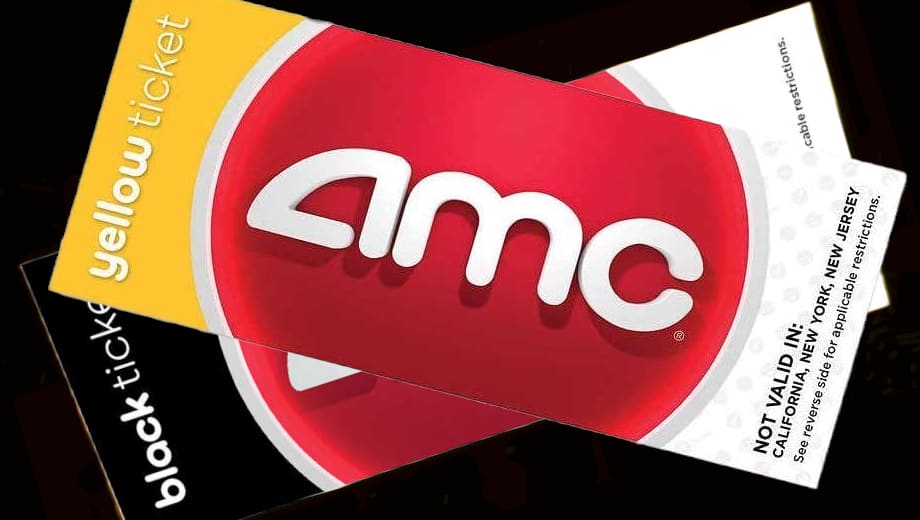
In the landscape of modern entertainment, few experiences offer the blend of escapism and communal enjoyment quite like a trip to the movies. For the financially astute consumer, maximizing the value of such experiences is paramount. AMC Theatres, a dominant player in the cinema industry, offers a clever solution to help moviegoers save money through its “Yellow Tickets” and “Black Tickets.” While seemingly similar, these two pre-purchased ticket options carry distinct financial implications and come with varying degrees of flexibility, making a clear understanding crucial for optimal personal finance management. This article will delve into the economic nuances of AMC Yellow and Black Tickets, guiding you through their characteristics, restrictions, and how to make the most financially sound choice for your entertainment budget.
Unlocking Value: The Financial Appeal of Discounted Movie Tickets
At its core, the appeal of AMC Yellow and Black Tickets lies in their ability to provide a discounted entry point to moviegoing. These are not standard tickets purchased at the box office on the day of a show; rather, they are typically acquired in advance, often in bulk, or as part of promotional offers. For both the individual consumer and the company, these tickets serve distinct financial purposes.
The Rationale Behind Bulk Tickets
From a consumer’s perspective, purchasing tickets in advance and often in multiples represents an opportunity for immediate savings. The per-ticket cost of a Yellow or Black Ticket is generally lower than the standard walk-up price for an adult admission. This makes them attractive for individuals or families who frequent the cinema, as it allows them to lock in a lower price point for future entertainment. It’s akin to buying in bulk at a warehouse club – you save money per unit, assuming you’ll use all the units. For AMC, offering these tickets is a strategic financial move. It generates upfront revenue, encourages future attendance, and helps manage demand. It’s a form of pre-payment that secures a customer’s commitment while providing them a perceived value advantage.
Immediate Savings vs. Future Flexibility
The central tension in choosing between discounted movie tickets, and indeed many financial products, is the trade-off between the immediate savings offered and the flexibility retained for future use. Yellow and Black Tickets embody this dynamic perfectly. One ticket type might offer a steeper discount but come with more limitations, effectively “locking in” the savings but at the cost of adaptability. The other might provide less of a discount but grant greater freedom in how and when it can be used. Understanding this balance is critical for any consumer looking to optimize their entertainment spending. A truly savvy financial decision considers not just the face value discount, but also the potential for “lost value” due to unused tickets or limitations that prevent their optimal utilization.
AMC Yellow Tickets: The Economical Choice for Savvy Spenders
The AMC Yellow Ticket is often the first introduction many consumers have to discounted movie tickets from the chain. It represents a more budget-friendly option, designed to deliver significant savings for those willing to navigate certain restrictions.
Core Characteristics and Price Point
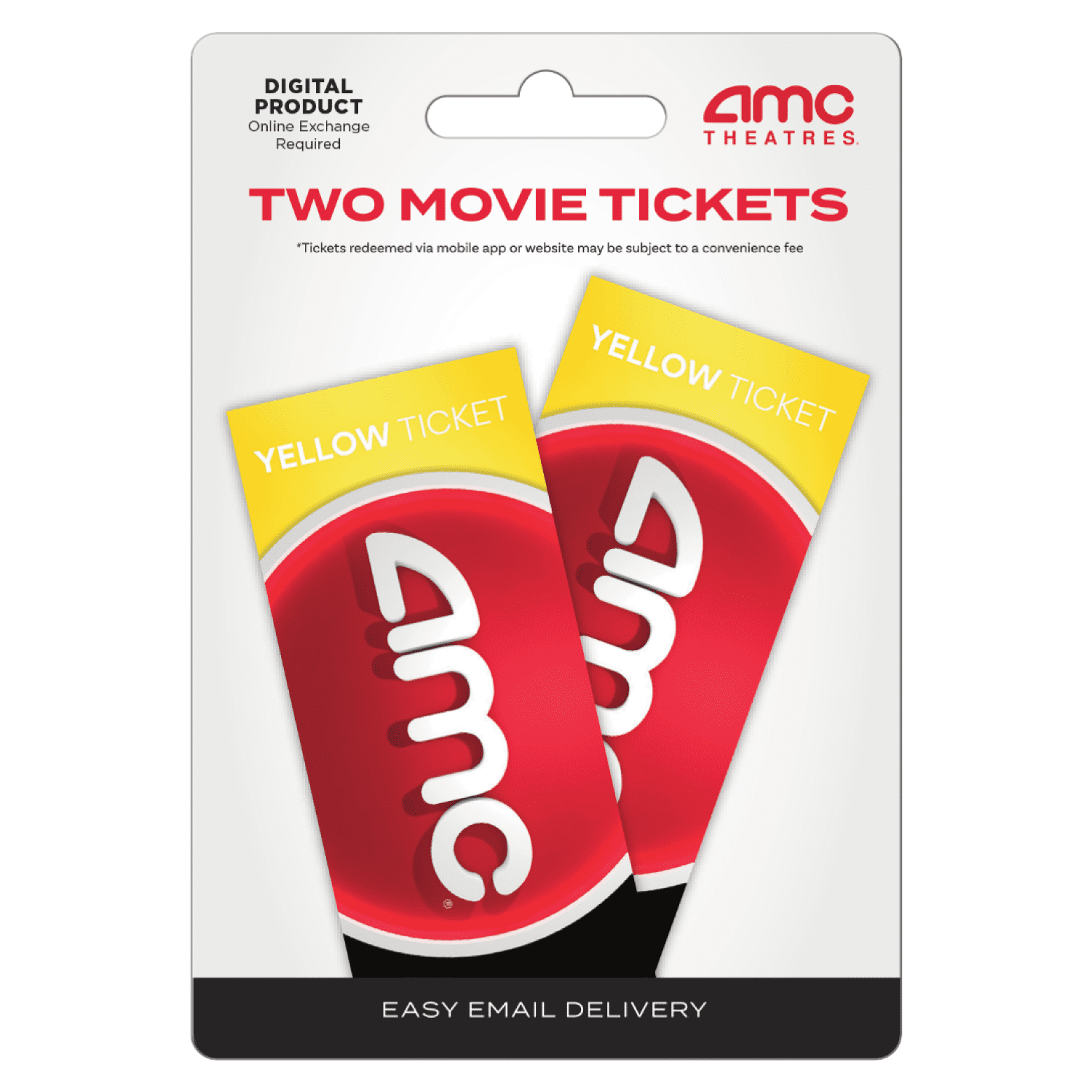
AMC Yellow Tickets are typically available at a lower price point than their Black Ticket counterparts. This makes them highly attractive for budget-conscious individuals, families, or organizations looking to provide an affordable perk. They are often sold through third-party retailers, corporate benefits programs, or in bulk direct from AMC, further facilitating their acquisition at a reduced cost. Their distinct yellow color makes them easily identifiable. The primary financial benefit is clear: a lower upfront cost per ticket.
Navigating Restrictions: A Cost-Benefit Analysis
The lower price of Yellow Tickets comes with specific conditions that are crucial to understand from a financial planning perspective. The most common restrictions include:
- Showtime Limitations: Yellow Tickets are typically not valid for showtimes after 4:00 PM on Saturdays and Sundays. This immediately limits their utility for weekend prime-time viewing, which is often when many people prefer to go to the movies.
- Film Exclusions: They may be subject to additional surcharges for certain premium formats (e.g., IMAX, Dolby Cinema, 3D, PRIME) or may not be valid for newly released films during their initial engagement period (usually the first 10-14 days). This means that while you save money on the base ticket, you might still incur additional costs for the full experience or be forced to wait to see popular new releases.
- Location Specificity: While generally valid at most AMC locations in the U.S., it’s always wise to check for any specific exclusions, particularly for dine-in theatres or unique locations.
- Expiration Dates: Like many promotional items, Yellow Tickets often come with an expiration date. Failing to use them before this date results in a complete loss of the initial financial investment.
A personal finance assessment here involves weighing the savings against these limitations. If your movie-going habits align with weekday viewings, matinees, or waiting a few weeks for new releases, the Yellow Ticket offers exceptional financial value. However, if these restrictions frequently conflict with your preferred viewing times or film choices, the “savings” might be illusory if you end up not using the tickets or paying surcharges that negate the initial discount.
Ideal Scenarios for Yellow Ticket Utilization
For individuals or families with flexible schedules, Yellow Tickets are an excellent financial tool. They are perfect for:
- Daytime Dates or Outings: Matinee showings or weekday movie trips fit perfectly within the Yellow Ticket’s restrictions.
- Families with Young Children: Children’s movies are often enjoyed during the day, making these tickets a cost-effective choice.
- Budgeting Entertainment: They allow for planned entertainment spending without breaking the bank, ensuring you get the most cinematic bang for your buck.
- Senior Viewers: Retirees or those with more flexible daytime schedules can significantly benefit from the lower cost.
Strategically purchasing Yellow Tickets means understanding your viewing patterns and aligning them with the ticket’s valid uses to maximize your financial gain.
AMC Black Tickets: The Premium Option for Enhanced Financial Freedom
Stepping up from the Yellow Ticket, the AMC Black Ticket offers a more flexible, albeit slightly more expensive, pathway to discounted moviegoing. It’s positioned as a premium choice for consumers who prioritize convenience and fewer restrictions.
Defining Features and Higher Investment
AMC Black Tickets typically cost more than Yellow Tickets but less than a standard box office admission. This higher price reflects their increased utility. The core characteristic distinguishing them financially is their reduced set of restrictions. They often possess an “Always Valid” quality, meaning they are generally accepted for any showtime, any day of the week, with fewer — if any — blackout dates for new releases. They are still subject to surcharges for premium formats (IMAX, Dolby Cinema, etc.), which is a standard financial consideration for all discounted tickets. The investment here is slightly higher per ticket, but it buys you peace of mind and greater spontaneity.
Minimizing Financial Risk with Greater Flexibility
The primary financial advantage of Black Tickets lies in their flexibility. By allowing use on weekend evenings and for initial runs of popular films, they significantly reduce the risk of the ticket going unused due to scheduling conflicts or inability to see a desired movie. This minimizes potential “dead money” from expired or unusable tickets.
- Weekend Warrior Friendly: For those whose primary moviegoing time is Saturday evening, Black Tickets are a far more suitable and financially practical option than Yellow Tickets.
- Early Access to Blockbusters: If seeing the latest blockbuster on opening weekend is a priority, Black Tickets often provide that access without the full box office price.
- Reduced Planning Overhead: The freedom from rigid restrictions means less time spent cross-referencing showtimes with ticket validity, simplifying the entertainment planning process.
From a financial perspective, the extra cost for a Black Ticket can be viewed as an investment in convenience and certainty. It’s about paying a small premium to ensure your pre-purchased ticket can actually be used when and how you want, thus protecting your initial investment.
When the Black Ticket Justifies the Cost
The Black Ticket’s higher price point is justified for individuals or groups whose movie habits demand greater flexibility. This includes:
- Frequent Weekend Evening Goers: If Saturdays and Sundays after 4 PM are your prime movie slots, the Black Ticket is the only financially sensible discounted option.
- Blockbuster Enthusiasts: For those who must see new releases immediately, the Black Ticket provides access without paying full price.
- Gift-Giving: As a gift, Black Tickets are superior due to their versatility, ensuring the recipient can use them for their preferred film and time without hassle. This reduces the risk of the gift being perceived as less valuable due to restrictions.
- Unpredictable Schedules: If your availability for movies changes frequently, the Black Ticket offers the adaptability to fit into varying plans, thus guaranteeing your financial investment is utilized.
In these scenarios, the marginal extra cost per Black Ticket is often offset by the guarantee of use and the avoidance of full-price purchases, making it the more economically sound decision.
Strategic Financial Planning: Deciding Between Yellow and Black
Choosing between AMC Yellow and Black Tickets is not merely about which one is cheaper; it’s a strategic financial decision that requires an understanding of your personal habits, preferences, and the true value proposition of each.
Calculating Your Personal Breakeven Point
To make the best financial choice, calculate your “breakeven point” or the effective savings.
- Standard Adult Ticket Price: Determine the average cost of an adult ticket at your preferred AMC location for your typical viewing time (e.g., $15 for an evening show, $11 for a matinee).
- Yellow Ticket Cost: Note the price you pay for a Yellow Ticket (e.g., $8).
- Black Ticket Cost: Note the price you pay for a Black Ticket (e.g., $10).
If you typically go to matinees (say, $11), a Yellow Ticket at $8 saves you $3. A Black Ticket at $10 saves you $1. If you typically go to weekend evenings (say, $15), a Yellow Ticket is unusable (or would require a full-price purchase), while a Black Ticket at $10 saves you $5. The calculation quickly reveals that the “cheaper” ticket isn’t always the one that saves you the most money in your specific use case.
Factoring in Convenience and Opportunity Cost
Financial planning isn’t just about direct monetary costs; it also involves intangible factors like convenience and opportunity cost.
- Convenience: The less restrictive Black Ticket offers greater convenience. If your time is valuable, the ability to effortlessly use your ticket for any showtime might justify the higher price. Avoiding the frustration of a rejected Yellow Ticket at the box office (due to time/film restrictions) can be priceless.
- Opportunity Cost: Consider the opportunity cost of an unused Yellow Ticket. If you buy a Yellow Ticket for $8 but cannot use it due to restrictions, that $8 is lost. If a Black Ticket at $10 guarantees use, then the “extra” $2 is a small price to pay to avoid losing the entire $8. The opportunity cost of not being able to see a desired film on opening weekend because you only have Yellow Tickets might also be a factor for enthusiasts.
Maximizing Value Through Smart Purchase Strategies
For maximum financial efficiency, a hybrid approach might be best for some households.
- Diverse Portfolio: If your family has varied movie-going habits (some weekday matinees, some weekend blockbusters), consider purchasing a mix of both Yellow and Black Tickets. This creates a diversified “movie ticket portfolio.”
- Seasonal Buying: Stock up on Yellow Tickets during seasons where you anticipate more daytime or less-popular movie viewing (e.g., summer for kids’ movies) and Black Tickets for prime Oscar season or blockbuster release windows.
- Gift Card Integration: Combine these tickets with AMC gift cards (potentially purchased at a discount) or integrate them into loyalty programs like AMC Stubs A-List for even greater overall savings. For example, if you have A-List for premium formats, Yellow/Black tickets could cover your standard screenings.
The key is to align your ticket purchases with your predictable future entertainment needs, minimizing both direct costs and the hidden costs of restrictions.
The Broader Financial Impact: AMC’s Ticket Strategy and Your Wallet
The existence of Yellow and Black Tickets is not just a consumer benefit; it’s an integral part of AMC’s broader financial strategy, and understanding this context can further inform your purchasing decisions.
Revenue Generation and Customer Loyalty
For AMC, these pre-purchased tickets serve multiple financial purposes. They provide an injection of upfront capital, helping manage cash flow. They also act as powerful tools for customer loyalty and retention. By offering discounted entry, AMC incentivizes repeat visits and fosters a sense of value among its patrons. The “breakage” from expired or unused tickets also contributes to revenue, though it’s not the primary intent. Furthermore, these tickets drive traffic, which in turn boosts concession sales – often the most profitable part of a movie theatre’s business model. From your wallet’s perspective, this means you’re part of a larger ecosystem designed to keep you coming back, often at a lower initial ticket cost, but with opportunities for other spending.
Integrating Tickets with Other Financial Tools
AMC offers a range of financial tools and programs, and Yellow/Black Tickets can be integrated into them for optimized spending.
- AMC Stubs A-List: For the most frequent moviegoer, A-List (a subscription service allowing up to three movies per week for a monthly fee) might be a superior financial choice, especially for those who see premium format films regularly. However, Yellow/Black Tickets can complement A-List by serving as backup or as gifts.
- AMC Stubs Insider/Premiere: These free or low-cost loyalty tiers offer points on purchases and concessions discounts, which can add incremental savings when using Yellow or Black Tickets.
- Gift Cards: As mentioned, purchasing gift cards at a discount (often available through various retailers or credit card programs) and then using them to buy Yellow or Black Tickets can create a layered discount effect, maximizing your overall savings.
A holistic view of your entertainment budget should consider how these different tools can work together to lower your total out-of-pocket expenses for moviegoing.

Long-Term Financial Planning for Entertainment
Finally, integrating the use of AMC Yellow and Black Tickets into your long-term financial planning for entertainment can lead to substantial savings over time. Instead of viewing each movie trip as an isolated expense, consider it part of an annual entertainment budget. By strategically purchasing and utilizing these discounted tickets, you can allocate more of your budget towards other financial goals, or simply enjoy more movies for the same amount of money. Whether you opt for the budget-friendly Yellow Ticket or the flexible Black Ticket, a proactive and informed approach ensures your love for cinema doesn’t come at the expense of your financial well-being.
aViewFromTheCave is a participant in the Amazon Services LLC Associates Program, an affiliate advertising program designed to provide a means for sites to earn advertising fees by advertising and linking to Amazon.com. Amazon, the Amazon logo, AmazonSupply, and the AmazonSupply logo are trademarks of Amazon.com, Inc. or its affiliates. As an Amazon Associate we earn affiliate commissions from qualifying purchases.