
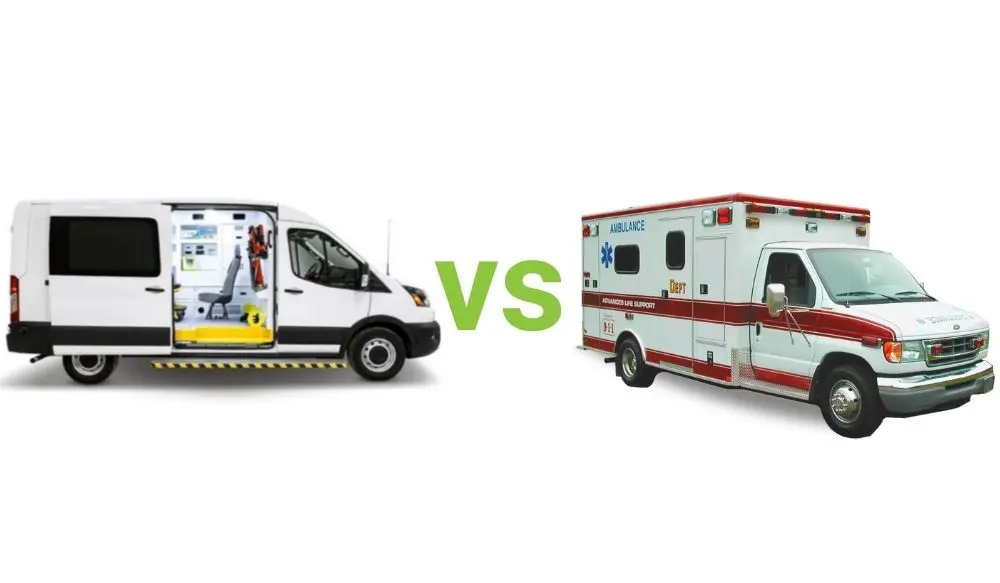
An ambulette represents a specialized segment within the transportation industry, meticulously designed to provide non-emergency medical transportation (NEMT) for individuals who require assistance but are not in a life-threatening situation. Unlike traditional taxis, ambulettes are equipped to accommodate passengers with specific mobility challenges, such as those using wheelchairs, stretchers, or who need assistance transferring. Understanding an ambulette goes beyond merely identifying a vehicle; it delves into a distinct business model, a specific financial ecosystem, and a critical service fulfilling a significant market demand within healthcare logistics. For entrepreneurs eyeing the NEMT sector or individuals navigating healthcare costs, grasping the financial intricacies of ambulette services is paramount.
The Financial Framework of Ambulette Services: A Niche Business Model
Operating an ambulette service is a business venture with its own unique financial landscape, distinct from emergency medical services (EMS) or standard taxi operations. It caters to a demographic requiring reliable, accessible, and often medically mindful transportation for scheduled appointments, discharges, or transfers between facilities. The financial success of such an enterprise hinges on careful planning, understanding operational costs, optimizing revenue streams, and navigating complex reimbursement structures.
Defining the Core Service and its Value Proposition
At its heart, an ambulette provides peace of mind and accessibility. Patients who are stable but cannot use conventional transportation due to mobility issues, cognitive impairments, or post-operative conditions are the primary clientele. This includes elderly individuals, those with disabilities, or patients recovering from surgery. The value proposition is not just transport but safe, courteous, and specialized transport, often involving trained staff who can assist with patient transfers and monitor their well-being. From a financial perspective, this specialized care justifies a higher service fee compared to standard taxi fares, positioning it as a premium service within a critical niche.
Initial Investment and Startup Costs
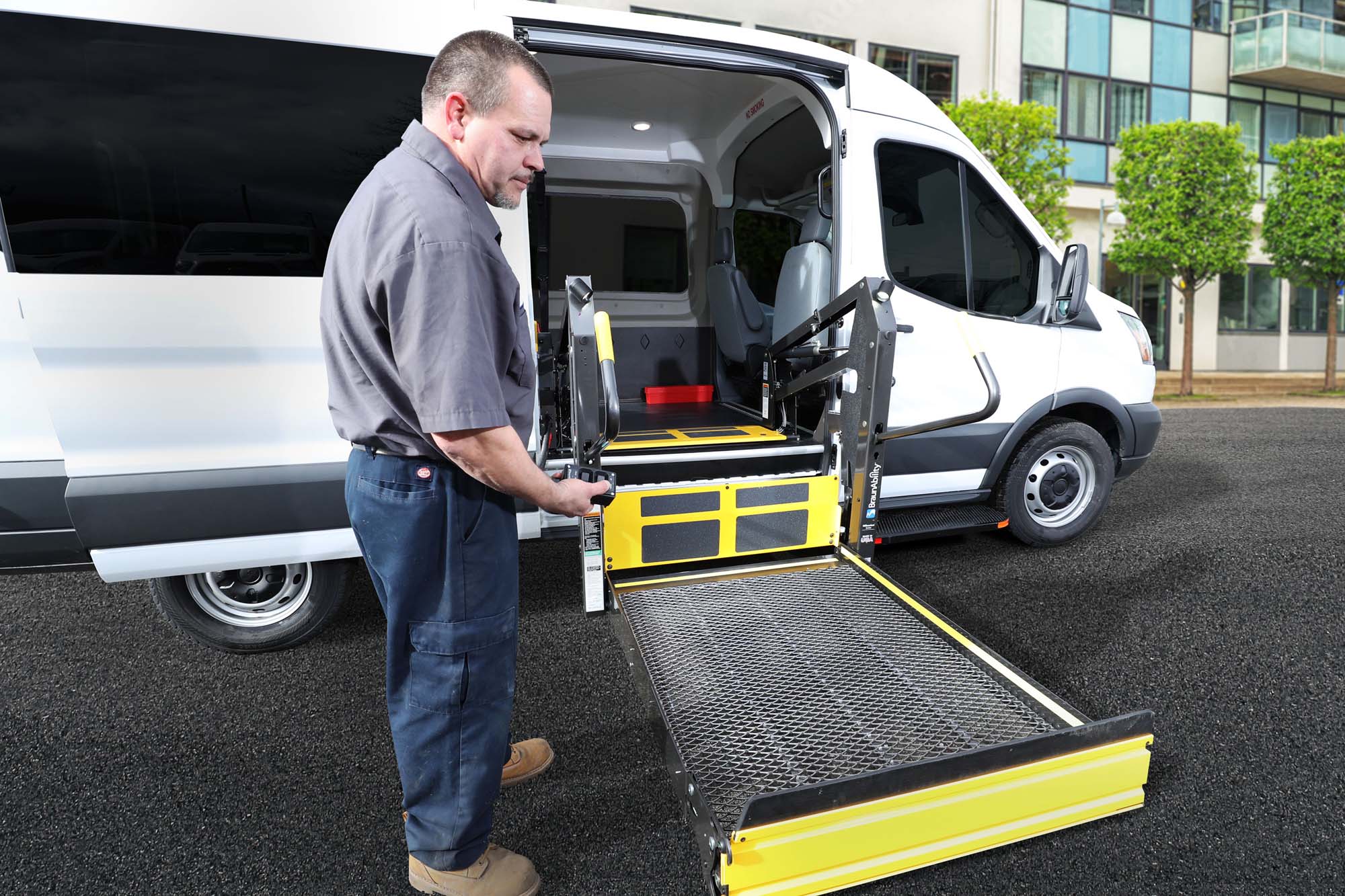
Launching an ambulette service demands a substantial initial capital outlay. The most significant component is the acquisition of suitable vehicles. These are typically purpose-built or extensively modified vans equipped with wheelchair lifts or ramps, securement systems, and adequate interior space. The cost of a single new ambulette can range significantly, often exceeding that of a standard commercial vehicle due to specialized modifications and safety requirements. Beyond vehicles, startup costs include:
- Vehicle Acquisition & Modification: Purchasing new or used vans and outfitting them with necessary medical transport equipment (lifts, stretchers, securements).
- Licensing and Permits: State and local regulations dictate stringent requirements for NEMT services, including specific licenses for the business and certifications for drivers and attendants. These incur fees and often require ongoing renewals.
- Insurance: Comprehensive commercial auto insurance, liability insurance, and potentially professional liability insurance are essential and costly line items due to the nature of transporting vulnerable individuals.
- Office Setup: While some operations can start lean, a dispatch system, communication equipment, and basic office infrastructure are necessary.
- Training & Certifications: Investing in training for drivers and attendants, including first aid, CPR, defensive driving, and patient handling techniques, is crucial for compliance and service quality.
Operational Expenses and Ongoing Overhead
Once operational, an ambulette business incurs a consistent stream of expenses that must be carefully managed to ensure profitability. These ongoing costs are critical to project and control within the financial model.
- Fuel and Maintenance: Ambulettes operate frequently and over varying distances, making fuel a major variable cost. Regular maintenance, including specialized servicing for lifts and other equipment, is essential for safety and longevity.
- Wages and Benefits: Labor costs for drivers and patient care attendants represent a significant fixed or semi-fixed expense. This includes salaries, overtime, benefits, and payroll taxes.
- Insurance Premiums: Ongoing commercial insurance premiums are substantial and non-negotiable.
- Regulatory Compliance: Continuous compliance efforts, including renewing licenses, vehicle inspections, and employee background checks, involve ongoing fees and administrative costs.
- Marketing and Advertising: While often word-of-mouth, strategic marketing to hospitals, nursing homes, and elder care facilities is necessary to secure consistent client referrals.
- Technology & Software: Dispatch software, GPS tracking, and billing systems are often necessary investments to optimize routes, manage schedules, and streamline financial operations.
Revenue Streams, Pricing, and Profitability in NEMT
The revenue model for ambulette services is multi-faceted, drawing from various payment sources and pricing strategies. Understanding these components is vital for financial forecasting and achieving sustainable profitability.
Diverse Payment Sources and Reimbursement Challenges
Ambulette services typically generate revenue from several key sources:
- Private Pay: Direct payments from individuals or their families, often for elective transfers or when insurance coverage is limited.
- Insurance Companies: A significant portion of revenue comes from private health insurance plans, Medicare, and Medicaid. However, navigating these reimbursement processes is complex. Each payer has specific criteria for coverage, documentation requirements, and reimbursement rates, which can vary significantly. Denials are common if documentation is insufficient or if the service is deemed not medically necessary according to payer guidelines.
- Hospitals and Healthcare Facilities: Contracts with hospitals, nursing homes, rehabilitation centers, and dialysis clinics provide a steady stream of business for patient transfers and discharges.
- Managed Care Organizations (MCOs): Many NEMT services contract directly with MCOs that manage care for specific populations, particularly within Medicaid programs.
The reimbursement landscape is highly regulated and requires meticulous billing practices. Employing skilled medical billing specialists or investing in robust billing software is often necessary to maximize revenue capture and minimize claim denials.

Pricing Strategies and Market Positioning
Pricing for ambulette services is a strategic decision, influenced by local market conditions, operational costs, and the competitive landscape. Common pricing models include:
- Base Fee + Mileage: A standard flat fee for the service, plus an additional charge per mile traveled.
- Hourly Rates: For longer trips or instances where the ambulette must wait for the patient, an hourly rate may be applied.
- Flat Fees for Specific Routes: Contracts with facilities might involve negotiated flat rates for common transfers.
- Subscription Models: Less common but emerging, some providers offer subscription services for regular, scheduled transportation needs.
Effective pricing requires a delicate balance: high enough to cover costs and generate profit, yet competitive enough to attract and retain clients. Market research into competitor pricing and a thorough understanding of all operational costs are essential for setting profitable rates.
Profit Margins and Scalability Considerations
Profitability in the ambulette business can be strong if operations are efficiently managed. However, it is inherently tied to high fixed costs (vehicles, insurance) and fluctuating variable costs (fuel, maintenance). Net profit margins can vary widely, typically ranging from 10% to 25% or more for well-run operations. Key drivers of profitability include:
- Route Optimization: Efficient scheduling and routing minimize fuel consumption, driver wages, and vehicle wear and tear.
- High Vehicle Utilization: Maximizing the number of trips per vehicle per day increases revenue without proportionally increasing fixed costs.
- Effective Billing and Collections: A robust system for submitting claims, appealing denials, and collecting payments is crucial for cash flow.
- Cost Control: Diligent management of fuel, maintenance, and insurance expenses.
The business is highly scalable. A successful single-vehicle operation can expand by adding more ambulettes, drivers, and routes, increasing its market reach and revenue capacity. However, scaling requires additional capital investment, increased administrative oversight, and potentially more complex regulatory navigation. Financial planning for expansion must account for these incremental costs and the projected return on investment.
Strategic Financial Planning for Ambulette Entrepreneurs
For anyone considering entering or expanding in the NEMT sector, strategic financial planning is not merely advisable; it is indispensable. It encompasses everything from initial funding to long-term growth and eventual exit strategies.
Funding and Financing Vehicle Acquisition
Securing financing for ambulette vehicles is a critical first step. Traditional bank loans, commercial vehicle financing, or equipment leases are common avenues. Lenders often look for a solid business plan, a clear understanding of the NEMT market, projected cash flow, and the entrepreneur’s creditworthiness. Leasing can be an attractive option, reducing upfront capital requirements and potentially offering tax advantages, though it typically results in higher overall costs compared to purchasing. Entrepreneurs might also explore Small Business Administration (SBA) loans, which can offer more favorable terms for qualified new businesses.
Budgeting for Growth and Diversification
Long-term financial success involves more than just break-even operations. It requires strategic budgeting for growth, including:
- Fleet Expansion: Planning for additional ambulettes as demand increases, considering both purchase and operational costs.
- Technological Upgrades: Investing in advanced dispatch systems, patient management software, and vehicle telemetry to improve efficiency and service quality.
- Service Diversification: Potentially expanding into other NEMT niches, such as stretcher transports requiring more specialized equipment or longer-distance medical transports.
- Emergency Fund: Maintaining a robust cash reserve to handle unexpected vehicle breakdowns, insurance premium hikes, or downturns in demand.
Valuing and Exiting an Ambulette Business
For entrepreneurs, understanding the value of an ambulette business is important for future planning, whether for attracting investors, seeking a loan, or preparing for sale. Valuation typically considers factors such as:
- Fleet Size and Condition: The number and quality of vehicles.
- Established Contracts: Long-term agreements with hospitals, nursing homes, or MCOs.
- Revenue and Profitability: Consistent financial performance.
- Geographic Coverage and Market Share: The business’s presence and reputation in its service area.
- Operational Efficiency: Streamlined processes and low overhead relative to revenue.
An ambulette is far more than a specialized vehicle; it represents a dynamic and financially intricate business opportunity within the essential healthcare infrastructure. Success in this field demands a keen understanding of its operational nuances, an astute approach to financial management, and a commitment to serving a vital community need.
aViewFromTheCave is a participant in the Amazon Services LLC Associates Program, an affiliate advertising program designed to provide a means for sites to earn advertising fees by advertising and linking to Amazon.com. Amazon, the Amazon logo, AmazonSupply, and the AmazonSupply logo are trademarks of Amazon.com, Inc. or its affiliates. As an Amazon Associate we earn affiliate commissions from qualifying purchases.