
The Economic Heartbeat of Global Ecology
A Continental Asset with Global Stakes
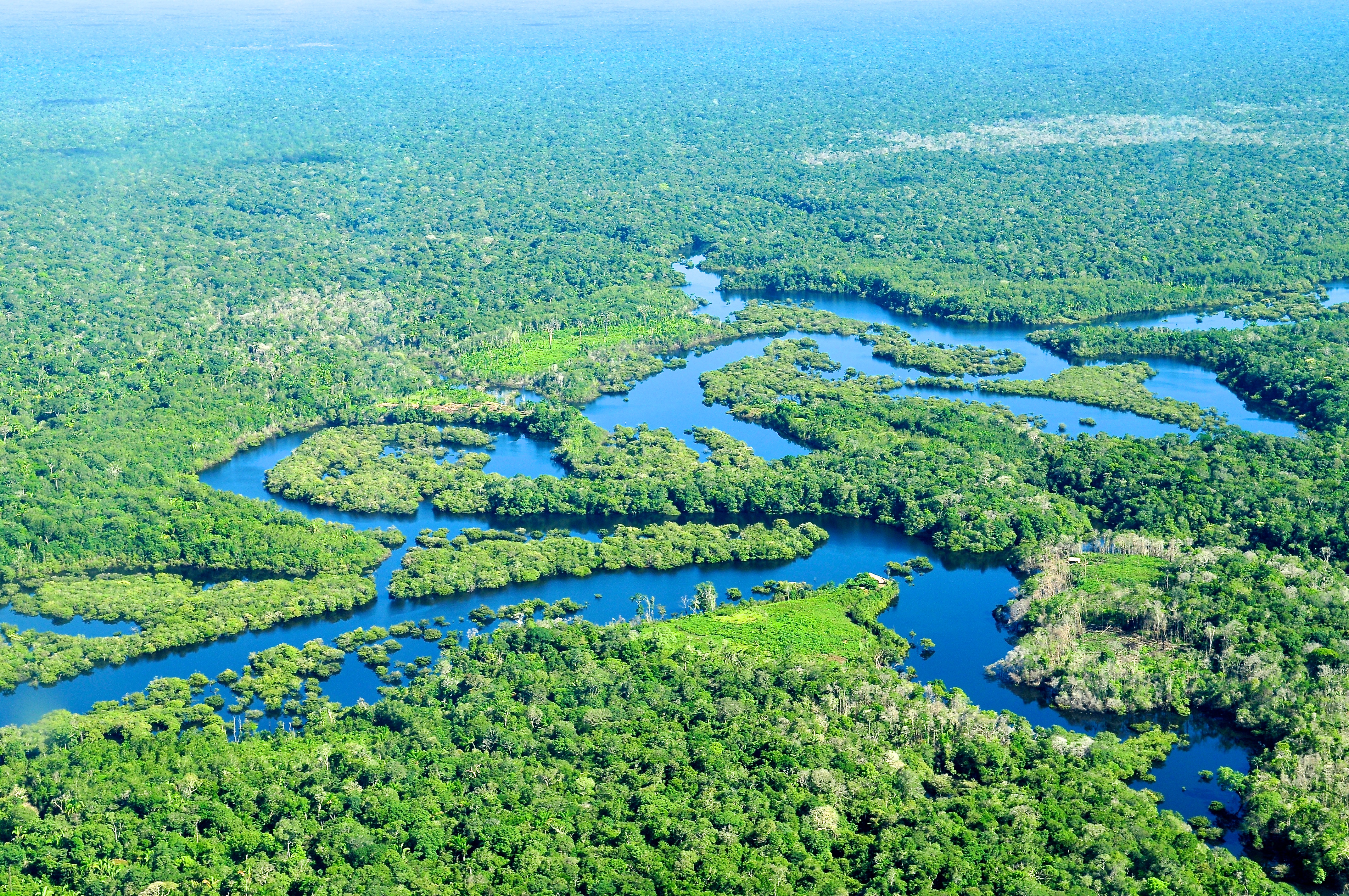
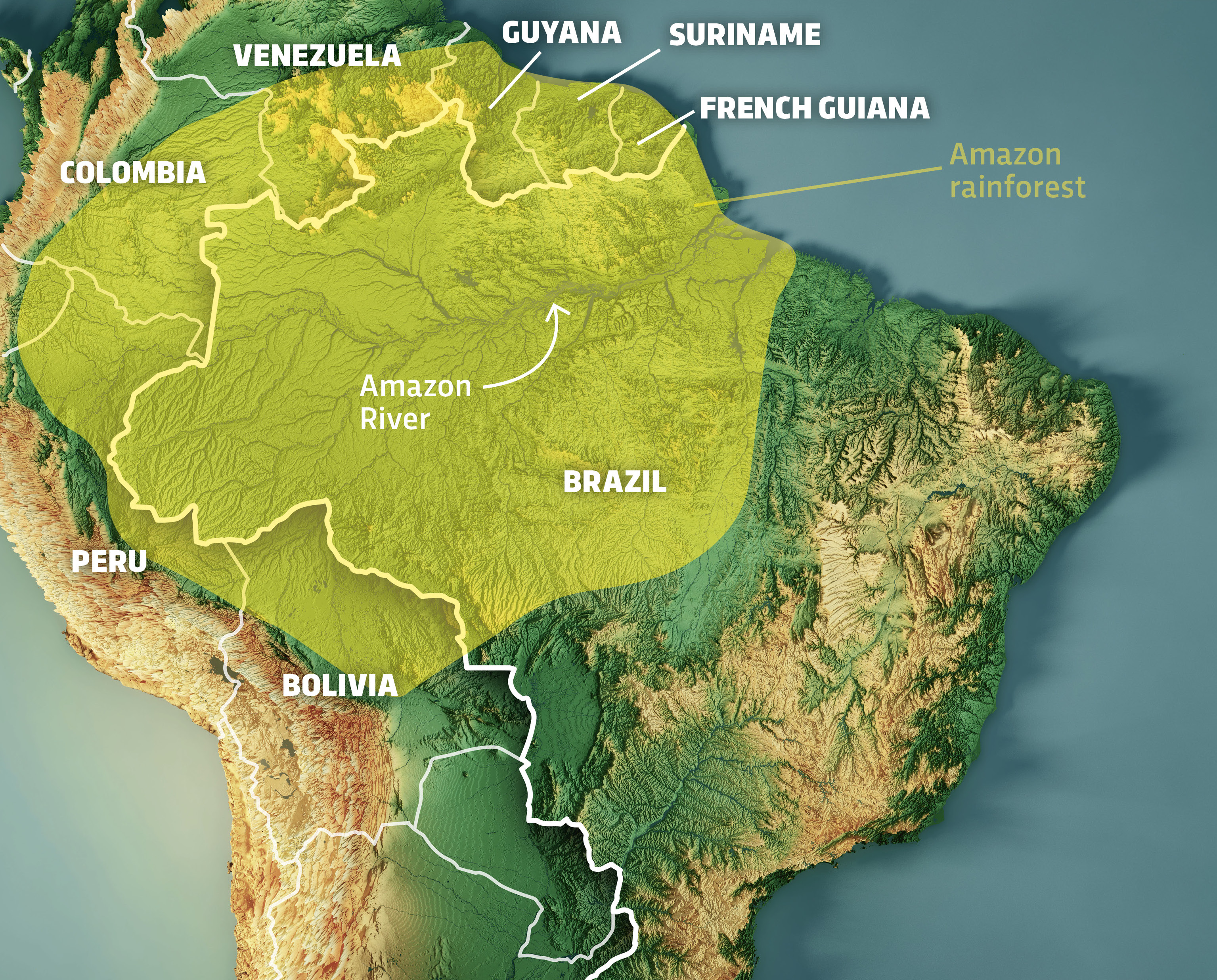
The Amazon rainforest, a sprawling biome encompassing roughly 6.7 million square kilometers across nine South American countries, represents an unparalleled natural asset with profound global economic implications. Far from being merely a distant ecological wonder, its sheer scale positions it as a colossal land bank and resource hub whose financial value profoundly influences international markets, climate stability, and future human prosperity. Economically, the Amazon acts as an indispensable global public good, regulating rainfall patterns vital for agriculture across continents, stabilizing atmospheric carbon, and generating a significant portion of the world’s oxygen. The economic cost of losing these services, such as increased frequency and severity of droughts, floods, and other climate-related disasters, would be astronomically high, impacting global supply chains, food security, and infrastructure investments worldwide. Therefore, understanding “what is an Amazon rainforest” from a financial perspective means recognizing it as a critical piece of global economic infrastructure, providing services that underpin vast sectors of the world economy, often without direct monetary compensation. Its continued existence is a form of risk mitigation against future climate-induced financial shocks.
The Hidden Value of Ecosystem Services
Beyond its direct resources, the Amazon rainforest delivers an array of “ecosystem services” that, while often unquantified in traditional financial statements, contribute immeasurably to global economic welfare. These services include vast carbon sequestration, which mitigates climate change; hydrological regulation, ensuring water supplies for cities and agriculture; soil fertility maintenance; and the pollination of crops. These are not merely ecological benefits but fundamental economic inputs. The concept of natural capital highlights the Amazon’s role as a reservoir of intrinsic value, providing essential life support systems that, if lost, would necessitate prohibitively expensive engineered solutions, if they could be replaced at all. For instance, the economic value of its carbon storage capacity, if monetized through carbon markets, would be in the trillions of dollars. Furthermore, the Amazon’s role in the global water cycle directly impacts agricultural productivity in regions far beyond its borders, linking its health to the financial stability of international food markets. A comprehensive understanding of the Amazon must, therefore, integrate its immense, albeit often invisible, economic contributions to global prosperity and stability.
Valuing Biodiversity: Beyond the Natural Riches
The Pharmaceutical Goldmine
The Amazon’s extraordinary biodiversity—home to an estimated 10% of the world’s known species—represents an immense, largely untapped pharmaceutical and biotechnological goldmine. From an investment perspective, this vast genetic library offers an unparalleled opportunity for bioprospecting: the exploration of biological resources for commercially valuable compounds. Historically, a significant number of life-saving drugs have originated from natural compounds, and the Amazon, with its unique evolutionary pressures, is a fertile ground for discovering new medicines, industrial enzymes, and sustainable agricultural solutions. The financial potential of these discoveries, given the high-profit margins in the pharmaceutical industry, is staggering. However, the economic model of bioprospecting must be carefully managed, involving intellectual property rights, equitable benefit-sharing agreements with indigenous communities, and robust legal frameworks to ensure that the financial gains contribute to local development and ongoing conservation efforts. Unlocking this value sustainably offers a potent economic incentive for preservation, positioning the Amazon not just as a biodiversity hotspot, but as a strategic asset for future health and innovation.
Sustainable Industries and Green Markets
The economic future of the Amazon also hinges on the development and scaling of sustainable industries that derive value from a standing forest, offering viable alternatives to destructive practices. Ecotourism, when managed responsibly, provides direct revenue streams and creates local employment, channeling financial benefits directly to communities that act as stewards of the forest. The market for authentic, immersive nature experiences is growing, presenting significant investment opportunities. Similarly, the cultivation and harvesting of native sustainable agricultural and forestry products like açaí, Brazil nuts, and sustainably certified timber, rubber, and babassu oil offer growing market value. These products cater to increasing consumer demand for ethically sourced and environmentally friendly goods, creating niche green markets with strong growth potential. Furthermore, the burgeoning bio-economy sector focuses on innovations derived from rainforest resources, such as natural pigments, flavors, and bio-plastics. Investment in these areas not only creates profitable ventures but also aligns with global sustainability goals, offering financial returns while contributing to the preservation of this vital ecosystem.
The Financial Imperative of Conservation and Sustainability
The Cost of Degradation: Economic Losses and Risks
The relentless degradation of the Amazon rainforest through deforestation, illegal mining, and unsustainable agricultural expansion carries immense, often underestimated, financial costs and risks. The immediate economic drivers—such as cattle ranching, soy farming, and illegal gold mining—offer short-term profits but incur severe long-term financial liabilities. These include the irreparable loss of ecosystem services, escalating climate risks that threaten global agricultural yields and coastal infrastructure, and the permanent diminution of future economic potential derived from biodiversity and sustainable resources. For instance, large-scale deforestation exacerbates drought cycles, directly impacting hydroelectric power generation and agricultural productivity in the region, leading to tangible economic losses. The financial burden extends to increased healthcare costs due to pollution from mining, loss of livelihoods for indigenous communities reliant on healthy ecosystems, and the erosion of natural capital that could otherwise support sustainable industries. From a financial risk management perspective, the unchecked destruction of the Amazon represents a compounding liability that threatens global economic stability and future investment prospects.
Financial Mechanisms for Preservation
Addressing the Amazon’s degradation requires robust financial mechanisms that incentivize conservation and sustainable development. Carbon credits and markets present a significant opportunity, monetizing the Amazon’s crucial role as a global carbon sink. By valuing avoided deforestation and reforestation efforts, these markets can generate substantial financial flows to protect standing forests and implement sustainable land management. Investors can purchase these credits to offset their own emissions, creating a financial incentive for forest preservation. Green bonds and impact investing are rapidly emerging as powerful tools to attract private capital for sustainable projects within the Amazon, including sustainable agriculture, ecotourism infrastructure, and community-led conservation initiatives. These financial instruments allow investors to generate financial returns while achieving positive environmental and social impacts. Furthermore, innovative approaches like debt-for-nature swaps, where a portion of a country’s foreign debt is forgiven in exchange for commitments to conservation, offer creative financing solutions. Alongside these, international aid and philanthropic funding remain essential, bridging financial gaps and supporting critical research and capacity building. These diverse financial tools collectively form a framework for investing in the Amazon’s future, aligning economic interests with ecological imperatives.
Investment Frontiers in the Amazon’s Future
Emerging Opportunities in the Bio-economy
The bio-economy within the Amazon presents a vibrant and expanding frontier for investment, focusing on leveraging the region’s unique biological assets in sustainable, high-value ways. This involves significant research and development into novel products and processes derived from the rainforest’s rich biodiversity. Investment opportunities span various sectors, from pharmaceuticals and cosmetics utilizing endemic plant compounds to advanced materials and sustainable energy solutions. Technologies supporting remote monitoring of forest health, precision sustainable harvesting techniques, and value-added processing of non-timber forest products are also critical areas for capital allocation. For example, ventures developing new food ingredients from native Amazonian fruits or creating sustainable textiles from plant fibers offer not only market potential but also contribute to the economic resilience of forest communities. Investing in these areas positions businesses at the forefront of sustainable innovation, offering significant long-term returns as global demand for eco-friendly and ethically sourced products continues to grow. These opportunities demonstrate that economic prosperity can be intrinsically linked with ecological preservation.
Empowering Local Economies for Sustainable Growth
A fundamental aspect of ensuring the Amazon’s financial and ecological future lies in empowering its indigenous and local communities through strategic investment. These communities are often the most effective guardians of the forest, possessing invaluable traditional knowledge for sustainable resource management. Investment in their self-sustaining business models—such as community-managed ecotourism, sustainable agroforestry, and local processing of forest products—not only generates direct economic benefits but also strengthens their capacity to protect their ancestral lands. Microfinance initiatives, capacity-building programs, and direct capital injections can facilitate the growth of these local enterprises, creating economic alternatives that make deforestation and other destructive activities less appealing. The long-term economic benefits of supporting these communities are manifold: they foster local stability, reduce poverty, and, most crucially, ensure the continued existence of the forest ecosystems they depend on. Investing in these local economies represents an investment in the Amazon’s most effective defense mechanism and a pathway to equitable, sustainable development.
The ROI of Climate Resilience and Planetary Health
Ultimately, understanding “what is an Amazon rainforest” from a financial perspective reveals it as a foundational investment in global climate resilience and planetary health, with returns far exceeding conventional financial metrics. Preserving the Amazon is not merely an environmental expenditure but a strategic economic decision to mitigate catastrophic climate risks, protecting global supply chains, ensuring food security, and safeguarding human health, all of which have profound financial implications. The “return on investment” from a healthy Amazon extends to avoided costs from natural disasters, maintained agricultural productivity, stable resource markets, and a reduced burden on healthcare systems from climate-related illnesses. Companies and investors increasingly recognize that robust environmental stewardship directly impacts long-term profitability and shareholder value. By safeguarding the Amazon, we are investing in a future where global economies can thrive within ecological limits, recognizing that the health of the planet is inextricably linked to the prosperity of its inhabitants. The Amazon rainforest is, therefore, an irreplaceable asset whose financial value is intrinsic to the stability and viability of the global economic system.
aViewFromTheCave is a participant in the Amazon Services LLC Associates Program, an affiliate advertising program designed to provide a means for sites to earn advertising fees by advertising and linking to Amazon.com. Amazon, the Amazon logo, AmazonSupply, and the AmazonSupply logo are trademarks of Amazon.com, Inc. or its affiliates. As an Amazon Associate we earn affiliate commissions from qualifying purchases.