
In an era defined by digital innovation and the burgeoning gig economy, Airbnb has emerged as a transformative force, reshaping the landscape of travel and real estate investment. Far more than just a booking platform, “what is an Airbnb” fundamentally points to a sophisticated financial ecosystem that empowers individuals to monetize spare capacity and offers travelers diverse, often more economical, accommodation options. From a purely financial perspective, Airbnb represents a powerful tool for income generation, a strategic avenue for real estate investment, and a significant contributor to the global personal finance strategies of millions. This article delves into the financial intricacies of Airbnb, exploring its mechanisms as an income-generating asset, a driver of personal financial decisions, and a burgeoning segment of the investment market.

Airbnb as an Income-Generating Asset
At its core, Airbnb functions as a marketplace enabling individuals to lease out their properties, or portions thereof, to travelers seeking short-term stays. This model unlocks significant financial opportunities for property owners, converting otherwise dormant assets into active revenue streams. Understanding Airbnb from a financial perspective begins with recognizing its potential for wealth creation and passive income generation.
Unlocking Passive Income Through Property
The most direct financial benefit of Airbnb lies in its capacity to generate passive income from real estate. Property owners, whether they have a spare room, an entire home, or a vacation property, can list their space on the platform and earn money when travelers book it. This transforms a fixed asset – real estate – into a liquid, income-producing entity. For many, this income can supplement their primary earnings, cover mortgage payments, or fund other financial goals. The flexibility inherent in the Airbnb model allows hosts to dictate availability, pricing, and house rules, thereby controlling the level of financial commitment and potential return. This flexibility is a key differentiator from traditional long-term rentals, offering hosts dynamic pricing power based on demand, seasonality, and local events, which can significantly boost earnings potential beyond conventional rental yields. The strategic utilization of property to generate income through Airbnb diversifies an individual’s financial portfolio and leverages existing assets for maximum financial utility.
Strategies for Maximizing Host Earnings
Maximizing earnings on Airbnb goes beyond simply listing a property; it involves strategic financial planning and execution. Effective pricing strategies are paramount, leveraging dynamic pricing tools that adjust rates based on demand, local events, competitor pricing, and historical booking data. Hosts can implement tiered pricing for weekdays versus weekends, apply surge pricing during peak seasons or major events, and offer discounts for longer stays to optimize occupancy rates and average daily rates (ADRs). Furthermore, enhancing the guest experience directly translates to higher ratings and positive reviews, which in turn attract more bookings at premium prices. Investing strategically in property upgrades – from high-speed internet and smart home devices to comfortable bedding and appealing decor – can justify higher nightly rates and improve booking frequency. Understanding the target demographic and tailoring amenities accordingly also contributes to higher financial returns. For instance, catering to business travelers might involve providing a dedicated workspace and premium Wi-Fi, while targeting families might necessitate child-friendly amenities, all of which can command higher prices and ensure a competitive edge.
Understanding Operating Costs and ROI for Hosts
While Airbnb offers significant income potential, it’s crucial for hosts to have a robust understanding of the associated operating costs to accurately calculate their return on investment (ROI). These costs can include cleaning fees, utility bills, maintenance and repairs, property insurance (beyond what Airbnb’s host guarantee covers), property management fees (if outsourcing), and platform commissions. Beyond direct operational costs, hosts must also factor in the depreciation of furnishings and appliances, as well as the time investment required for communication, guest management, and turnover. A comprehensive financial analysis involves calculating net income after all expenses, comparing it against the initial investment in the property (if purchased specifically for Airbnb) or the opportunity cost of not pursuing other rental strategies. Savvy hosts meticulously track all income and expenses, often utilizing financial tracking software or spreadsheets, to gain clear insights into their profitability and make informed decisions about pricing, amenity upgrades, and overall business strategy. This meticulous financial oversight is essential for transitioning from a casual side hustle to a sustainable, profitable venture.
Airbnb’s Role in Personal Finance and Budget Travel
For travelers, Airbnb provides a compelling alternative to traditional hotel accommodations, often presenting a more cost-effective and unique lodging experience. This aspect positions Airbnb as a valuable tool in personal financial management, allowing individuals to stretch their travel budgets further and explore destinations that might otherwise be financially out of reach.
Cost-Effective Accommodation for Travelers
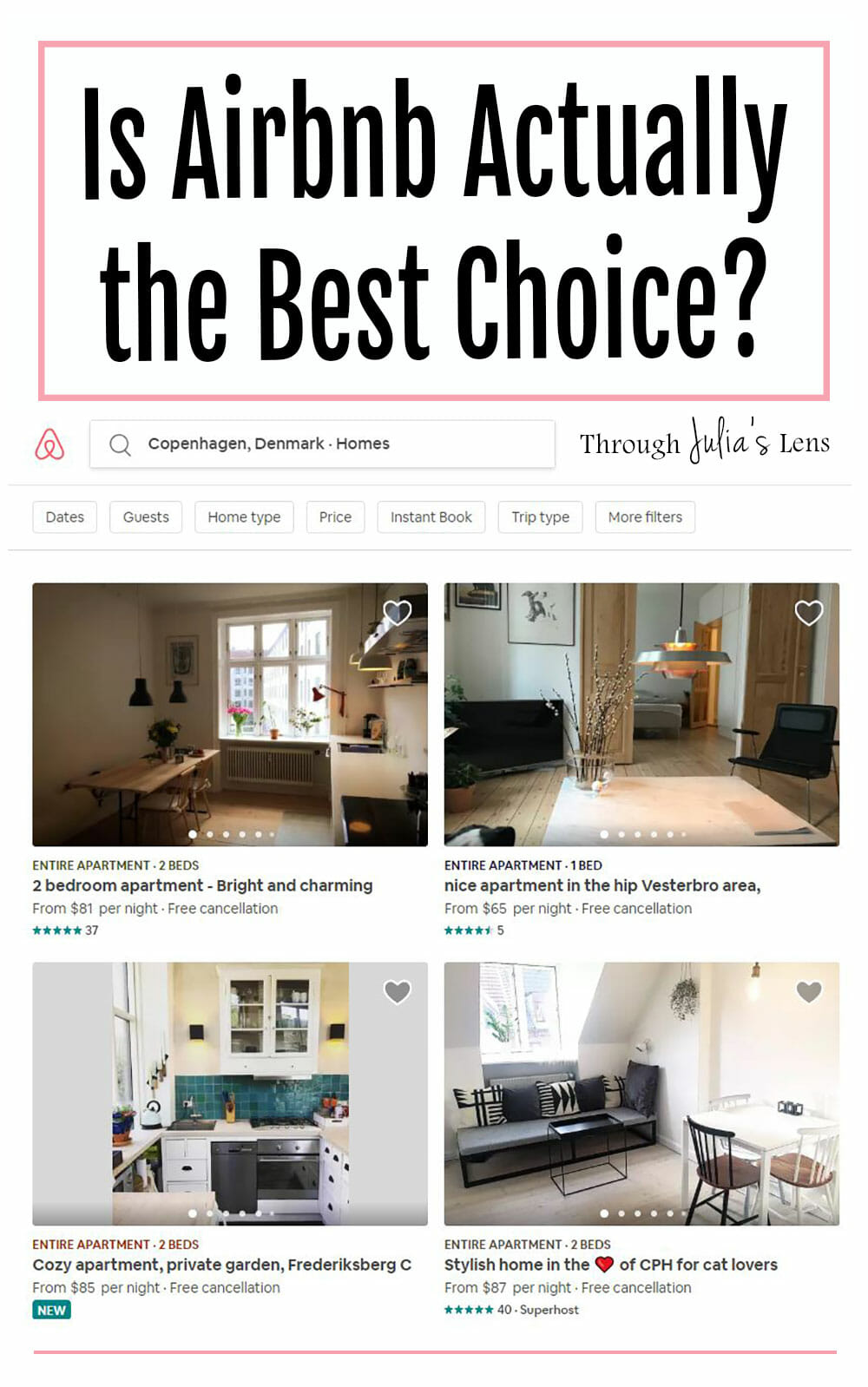
One of Airbnb’s most attractive financial propositions for travelers is its potential for significant cost savings. Often, an entire Airbnb apartment or house can be booked for less than the price of a comparable hotel room, especially for groups or longer stays. This cost-efficiency extends beyond the nightly rate, as many Airbnb listings offer amenities like full kitchens, allowing guests to save money by cooking meals instead of dining out for every meal. For families or groups, the ability to share a common living space and split costs can drastically reduce per-person expenses, making travel more accessible. Furthermore, Airbnb properties are frequently located in residential areas, offering a local experience and potentially lower prices for dining and activities compared to tourist-heavy hotel districts. The platform’s robust filtering options allow travelers to explicitly search for options within their budget, making financial planning for trips much more transparent and manageable.
Budgeting and Financial Planning for Guests
Beyond direct cost savings, Airbnb empowers travelers to exert greater control over their travel budgets and engage in more precise financial planning. The upfront visibility of total costs, including service fees and cleaning fees, allows travelers to know the exact expenditure before booking, eliminating surprises often associated with hotel taxes and resort fees. Guests can strategically choose properties that align with their financial comfort zone, prioritizing amenities that offer the best value for their money. For those with strict travel budgets, Airbnb provides a platform to explore various destinations and identify where their money will go furthest. This transparency and flexibility foster a more proactive approach to travel finance, enabling individuals to allocate funds effectively across accommodation, transportation, activities, and dining, thereby enhancing their overall travel experience without overspending. Many frequent travelers leverage Airbnb to manage their personal finance goals, freeing up funds for other investments or savings by optimizing travel expenses.
The Business of Hosting: Financial Management and Growth
For many hosts, Airbnb transcends a simple side hustle and evolves into a legitimate business enterprise. Navigating the financial complexities of this transition requires a strategic approach to financial management, from understanding tax implications to leveraging analytical tools for growth.
From Side Hustle to Full-Fledged Enterprise
The journey from casual host to a professional short-term rental business owner involves a significant shift in financial perspective. What might start as renting out a spare room can scale into managing multiple properties, demanding a more sophisticated approach to financial planning and operations. This involves setting up dedicated business bank accounts, implementing robust bookkeeping systems, and potentially forming a legal entity (e.g., LLC) to separate personal and business finances and limit liability. Business growth strategies might include reinvesting profits into acquiring new properties, upgrading existing ones, or hiring staff for cleaning and maintenance, all of which require careful financial forecasting and capital allocation. Understanding cash flow, profit margins, and scalability becomes crucial for sustainable growth. Hosts often look at their Airbnb operations not just as property income, but as a business with its own balance sheet, income statement, and strategic financial objectives.
Navigating Taxes and Regulations for Profitability
A critical aspect of financial management for Airbnb hosts is understanding and complying with tax obligations and local regulations. Earnings from Airbnb are generally considered taxable income, and hosts must account for federal, state, and local income taxes, as well as potential lodging taxes, sales taxes, and even self-employment taxes. This necessitates meticulous record-keeping of all income and expenses to ensure accurate tax reporting and maximize eligible deductions. Deductible expenses can include mortgage interest, property taxes, insurance, utilities, repairs, cleaning fees, and supplies. Beyond taxes, many municipalities have introduced specific regulations for short-term rentals, including licensing requirements, occupancy limits, and zoning restrictions. Non-compliance can lead to hefty fines and legal issues, directly impacting profitability. Therefore, a thorough understanding of the regulatory landscape and proactive financial planning for tax liabilities are indispensable for the long-term financial health and legality of an Airbnb business.
Financial Tools and Analytics for Hosts
The modern Airbnb host has access to a variety of financial tools and analytics designed to optimize their business operations and profitability. Airbnb itself provides dashboards with booking histories, payout details, and performance metrics. Beyond the platform, numerous third-party tools offer advanced dynamic pricing algorithms, channel management for cross-listing, revenue management software, and comprehensive reporting features. These tools enable hosts to analyze key performance indicators (KPIs) such as occupancy rate, average daily rate (ADR), revenue per available room (RevPAR), and gross rental income. By leveraging data-driven insights, hosts can make informed financial decisions regarding pricing adjustments, marketing efforts, and investment in amenities. For example, analytics might reveal that certain amenities lead to higher booking rates or that specific seasons allow for premium pricing, directly influencing financial strategy and ensuring maximum returns on investment. Embracing these financial technologies is key to maintaining competitiveness and achieving sustained growth in the dynamic short-term rental market.
Investing in the Airbnb Economy
The success and growth of Airbnb have opened up new avenues for real estate investment, transforming how investors view residential and vacation properties. The “Airbnb economy” now represents a distinct segment of the real estate market, attracting both individual and institutional investors.
Real Estate Investment for Short-Term Rentals
Investing in real estate with the specific intention of using it for short-term rentals via Airbnb presents a unique financial strategy. Unlike traditional long-term rentals which offer stable but often lower yields, Airbnb properties can potentially generate significantly higher gross income, especially in desirable tourist locations or during peak demand. This higher income potential can lead to a quicker return on investment and enhanced cash flow. Investors evaluate properties not just on traditional metrics like cap rate and cash-on-cash return, but also on factors specific to short-term rentals, such as location appeal, access to attractions, potential for unique guest experiences, and local regulatory environments. The ability to adapt pricing to market demand makes these investments highly flexible and responsive to economic shifts. This approach allows investors to capitalize on the robust demand for flexible travel accommodations, diversifying their investment portfolios beyond conventional assets.
Evaluating Market Potential and Financial Risks
Before diving into Airbnb real estate investment, a meticulous financial evaluation of market potential and associated risks is paramount. Investors must conduct thorough market research to identify areas with high tourist demand, favorable local regulations, and a strong track record of short-term rental performance. This involves analyzing competitor pricing, average occupancy rates, and seasonal fluctuations to project realistic income streams. Financial risks include potential changes in local regulations (e.g., increased taxes, stricter licensing), market saturation, economic downturns impacting travel demand, and the inherent volatility of short-term rental income compared to fixed long-term leases. Furthermore, the operational intensity of managing an Airbnb, including cleaning, maintenance, and guest communication, can be a hidden cost if not adequately factored into financial projections. Savvy investors perform comprehensive due diligence, often creating detailed financial models that account for both best-case and worst-case scenarios, ensuring a clear understanding of the financial commitment and potential returns before making an investment. This rigorous financial assessment is crucial for mitigating risks and securing profitable ventures in the Airbnb investment landscape.

Conclusion
“What is an Airbnb” transcends a simple definition of a booking platform; it represents a powerful and multifaceted financial instrument that has profoundly impacted both personal and business finance. For property owners, it’s a dynamic asset capable of generating substantial income and fostering entrepreneurial growth. For travelers, it offers a pathway to more affordable and flexible travel, enabling smarter budgeting and unique experiences. As the global economy continues to evolve, Airbnb stands as a testament to the power of digital marketplaces to democratize access to income generation and revolutionize spending habits. Understanding Airbnb through a financial lens is crucial for anyone looking to leverage its potential, whether as a host seeking to optimize earnings, a traveler aiming for budget-friendly adventures, or an investor seeking new opportunities in the dynamic real estate market. Its continued innovation promises to further embed its financial influence across the interconnected worlds of hospitality, personal finance, and investment.
aViewFromTheCave is a participant in the Amazon Services LLC Associates Program, an affiliate advertising program designed to provide a means for sites to earn advertising fees by advertising and linking to Amazon.com. Amazon, the Amazon logo, AmazonSupply, and the AmazonSupply logo are trademarks of Amazon.com, Inc. or its affiliates. As an Amazon Associate we earn affiliate commissions from qualifying purchases.