
The star, a celestial object of wonder and mystery, has captivated humanity for millennia. Its brilliance in the night sky has inspired countless myths, religions, and philosophical inquiries. In the realm of branding, this potent symbol transcends its astronomical origins, becoming a versatile and deeply resonant visual shorthand. Far from being a mere decorative element, the star in brand strategy is a powerful communication tool, imbued with layers of meaning that can convey quality, aspiration, guidance, and recognition. Understanding its multifaceted symbolism is crucial for any brand aiming to leverage its iconic power effectively.

The Enduring Power of the Star in Branding
The star’s universality is perhaps its greatest asset in branding. Recognized across cultures and languages, it requires no translation, making it an ideal choice for brands seeking global appeal. This widespread familiarity stems from humanity’s shared experience of gazing at the night sky, imbuing stars with an inherent sense of wonder, vastness, and timelessness. Brands tap into this collective unconscious, drawing upon the star’s deep historical and cultural roots to forge immediate connections with their audience.
Brands choose stars for myriad reasons, primarily because they are inherently aspirational, easily recognizable, and strongly associated with quality. A star can instantly elevate a product, service, or individual, suggesting a superior standard or a bright future. Its geometric simplicity allows for endless variations, making it adaptable to diverse brand aesthetics, from minimalist luxury to bold, dynamic identities. By incorporating a star, a brand subtly communicates its values, its promises, and its position within its market, often without uttering a single word.
A Beacon of Aspiration and Excellence
One of the star’s most compelling meanings in branding is its role as a symbol of aspiration and the pinnacle of quality. It speaks to human desires for progress, achievement, and the best of the best.
Guiding Light & Hope
Historically, stars have been navigators, guiding sailors and travelers across vast distances. This inherent meaning of guidance translates seamlessly into brand narratives. Educational institutions, for instance, might use a star to symbolize enlightenment, future direction, or the pathway to knowledge. Travel companies could employ it to represent adventure, exploration, and the discovery of new horizons. The star here acts as a metaphor for hope, innovation, and leadership, positioning the brand as a reliable guide towards a desired future or outcome. It suggests that the brand not only knows the way but can also illuminate it for its customers, fostering trust and a sense of shared journey.
Top Tier & Quality Assurance
The “five-star” rating system is perhaps the most ubiquitous example of a star signifying excellence and premium quality. From luxury hotels and gourmet restaurants to consumer electronics and service reviews, a star rating immediately communicates a superior standard. Brands leverage this established association to denote their commitment to high quality, luxury, or exceptional performance. For a brand, displaying a star, particularly multiple stars, is a direct assertion of its top-tier status. It’s a promise of reliability, craftsmanship, and an elevated experience, directly influencing consumer perception and purchasing decisions. This symbolism is particularly potent in competitive markets where distinguishing quality is paramount.
Achievement & Recognition
Stars are also universally understood as markers of achievement and recognition. Think of gold stars for academic success, military medals, or Hollywood’s Walk of Fame. Brands integrate this aspect into loyalty programs, employee recognition schemes, or product badging to celebrate milestones, reward dedication, or highlight special features. A “star performer” within a company signifies an employee who consistently exceeds expectations. For customers, earning “star points” or achieving “star status” in a loyalty program instills a sense of accomplishment and belonging. This psychological connection makes the star an effective tool for motivating behavior, fostering community, and reinforcing positive associations with the brand.
Diverse Interpretations Across Brand Identity
The star’s symbolism is remarkably fluid, allowing for a wide array of interpretations depending on its design, context, and the brand’s specific narrative. This versatility makes it an enduring favorite in branding, capable of conveying a spectrum of meanings from ancient wisdom to modern innovation.
Geometric Simplicity and Visual Impact
The star’s basic geometric form is inherently pleasing to the eye, offering strong visual impact with minimal complexity. Its angularity and symmetry contribute to its aesthetic appeal and memorability.
The Classic Five-Point Star
The most common iteration, the five-point star, is instantly recognizable and often symbolizes balance, perfection, and harmony. It appears in national flags worldwide, representing unity, sovereignty, and aspiration. In corporate branding, the five-point star can evoke a sense of tradition, reliability, and established authority. Automotive brands, sports teams, and security firms often utilize this classic form to project strength, heritage, and dependability. Its familiarity makes it approachable, while its historical weight lends it an air of trustworthiness and significance.
Multi-Point Stars and Specific Meanings
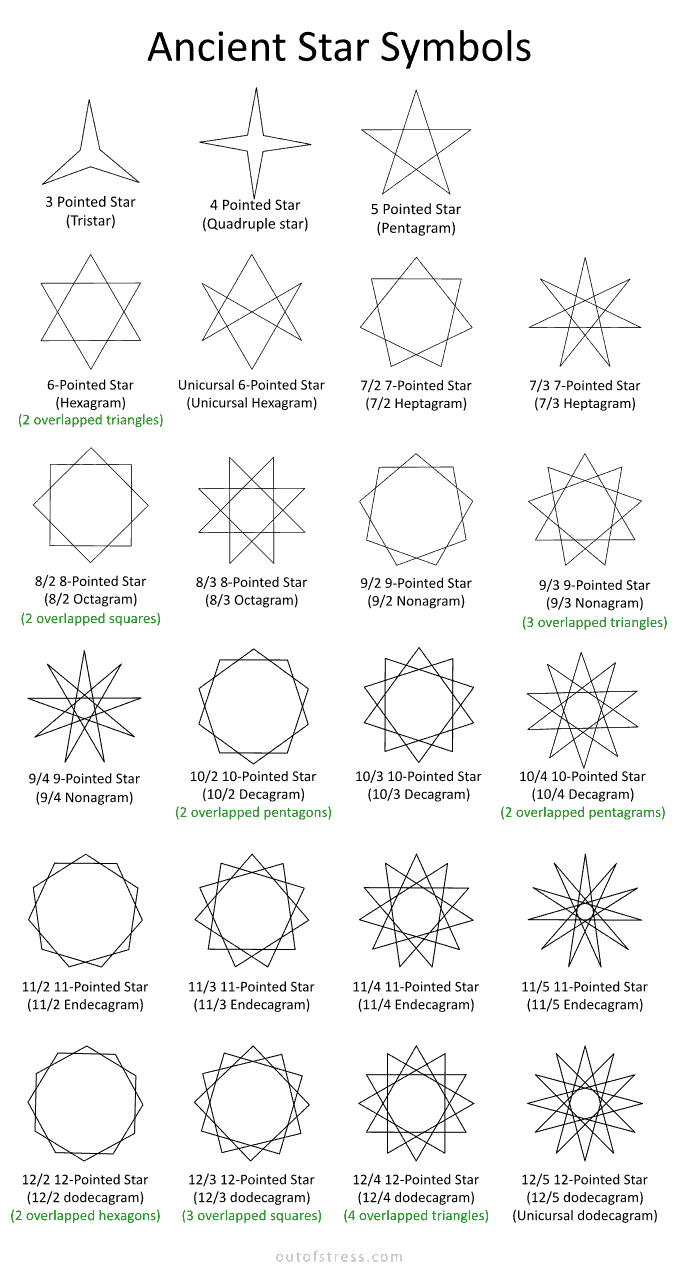
Beyond the five-point classic, stars with more points carry distinct cultural and historical weight. The six-point Star of David, for example, is a powerful religious and cultural symbol. The seven-point Commonwealth Star represents the federation of Australian states. Brands must navigate these specific connotations with care, understanding that while these stars can communicate deep heritage or a niche community, their use also demands sensitivity and respect to avoid cultural appropriation or misrepresentation. When appropriately used, these specialized star forms can communicate profound values, specific affiliations, or a rich historical lineage, grounding the brand in a deeper narrative.
Stylized Stars
Modern branding frequently opts for stylized or abstract interpretations of the star to project a contemporary, innovative, or energetic image. This can manifest as a bursting star, a minimalist outline, a dynamically moving star, or a constellation pattern. These adaptations allow brands to retain the core positive connotations of the star while infusing their identity with uniqueness and modernity. A technology company might use a sleek, abstract star to signify innovation and forward-thinking, while an entertainment brand might use a dynamic, bursting star to convey excitement and creativity. The ability to abstract and modify the star’s form allows brands to maintain relevance and stand out in crowded markets.
Symbolic Narratives in Corporate & Personal Branding
The star lends itself exceptionally well to storytelling, both for large organizations and for individuals crafting their professional identity. It’s a symbol that inherently promises something extraordinary.
Corporate Identity
For corporations, stars in logos or brand imagery often communicate leadership, stability, and a global presence. A company that incorporates a star might aim to project itself as a guiding force in its industry, a beacon of excellence, or an organization with far-reaching influence. This symbolism reinforces the brand’s narrative as a trusted leader, a reliable partner, or an aspirational entity. Consider how major brands use stars to convey a sense of gravitas, consistent quality, or an unwavering mission. The star becomes a visual anchor for the brand’s overarching story, signifying its journey, its achievements, and its vision for the future.
Personal Branding
In personal branding, the star is a powerful metaphor for individual potential and achievement. Phrases like “rising star,” “star performer,” or “shining star” are commonly used to describe individuals who excel in their fields, demonstrate exceptional talent, or show significant promise. For professionals, associating with the star symbol can help articulate a personal brand built on expertise, leadership, and outstanding contributions. It signals to peers and potential employers that the individual is a standout, an innovator, or someone destined for greatness. Leveraging this imagery allows individuals to craft a compelling narrative around their unique value proposition and professional aspirations.
Product Branding
On products, the star often signifies something new, special, or unique. It can be used on packaging to denote a “new and improved” formula, a limited edition release, or a particular feature that stands out. For instance, a food product might have a starburst on its packaging to indicate a new flavor or a special ingredient. This use of the star creates an immediate visual cue that grabs attention and highlights differentiation, encouraging consumers to perceive the product as superior or distinct from its competitors.
Strategic Integration of the Star Symbol
Simply placing a star in a logo is rarely enough. Its effectiveness hinges on strategic integration into the broader brand narrative, ensuring it aligns with the brand’s values, messaging, and overall aesthetic.
Designing for Resonance and Recall
The impact of a star symbol is significantly amplified by thoughtful design choices that enhance its meaning and ensure memorability.
Color Psychology
The chosen color of a star can dramatically alter or enhance its meaning. A gold star almost universally signifies premium quality, luxury, or a first-place award. A blue star might evoke trust, stability, and wisdom, aligning with financial institutions or tech brands. A red star can suggest energy, passion, or urgency, suitable for dynamic or impactful brands. Green stars might convey growth, sustainability, or nature. By strategically selecting the star’s color, brands can reinforce desired perceptions and emotional connections, making the symbol speak even more eloquently.
Contextual Placement
Where the star appears relative to other brand elements significantly influences its interpretation. A lone star can convey independence, singularity, or a bold statement. A star embedded within text or a larger emblem might suggest integration, community, or a foundational element of the brand. When used as part of a pattern or constellation, it can evoke interconnectedness, vastness, or a diverse network. The surrounding design elements, such as typography, shapes, and imagery, all contribute to the star’s narrative, ensuring its meaning is precisely understood within the brand’s universe.
Consistency and Evolution
For a star symbol to truly resonate, its meaning must be consistently applied across all brand touchpoints, from digital platforms to physical products and advertising. This consistency builds recognition and reinforces the brand’s identity over time. However, brands must also consider the evolution of their star symbol. While the core meaning might remain, the design itself can adapt to contemporary aesthetics, ensuring the brand remains fresh and relevant without losing its foundational identity. This delicate balance ensures the star continues to shine brightly for generations of consumers.
Avoiding Pitfalls and Ensuring Authenticity
While powerful, the star symbol is not without its challenges. Brands must use it thoughtfully to avoid common pitfalls and ensure its authenticity.
Overuse and Cliché
The very popularity of the star symbol means it can easily become generic or cliché if not used uniquely and purposefully. A generic star, without a distinct design or a compelling story behind it, might fail to differentiate a brand. To stand out, brands must invest in creative design and integrate the star into a deeper brand narrative, ensuring it feels integral rather than merely decorative. Uniqueness in execution is key to transforming a common symbol into a distinctive brand asset.
Cultural Sensitivity
As noted with multi-point stars, specific variations can carry significant cultural or religious connotations. Brands operating in diverse global markets must conduct thorough research to understand these nuances. Misuse or inappropriate adaptation of culturally significant star forms can lead to offense, alienate target audiences, and severely damage brand reputation. Respectful and informed usage is paramount to avoid misinterpretation and ensure positive reception.

Living Up to the Symbol
Ultimately, the most critical aspect of using a star symbol in branding is living up to the promise it implies. If a brand uses a star to signify excellence or leadership, its products, services, and customer experience must genuinely reflect that quality. A disconnect between the symbolic promise and the actual brand experience can lead to consumer distrust and cynicism. The star symbol is a powerful statement, and a brand must consistently deliver on the aspirational values it projects, ensuring its actions align with the symbolic meaning to build a strong, authentic, and respected brand identity.
aViewFromTheCave is a participant in the Amazon Services LLC Associates Program, an affiliate advertising program designed to provide a means for sites to earn advertising fees by advertising and linking to Amazon.com. Amazon, the Amazon logo, AmazonSupply, and the AmazonSupply logo are trademarks of Amazon.com, Inc. or its affiliates. As an Amazon Associate we earn affiliate commissions from qualifying purchases.