
An adult day care center serves as a crucial resource for families navigating the complexities of senior care, providing a structured, supervised environment for adults who require assistance or companionship during the day. While often understood as a service offering social engagement and activities, the decision to utilize an adult day care center carries significant financial implications, directly impacting personal finance, long-term care budgeting, and potentially even business finance for providers. Understanding its core definition necessitates an exploration of its financial value, cost structure, and various funding mechanisms.
Understanding the Core Service and Its Financial Implications
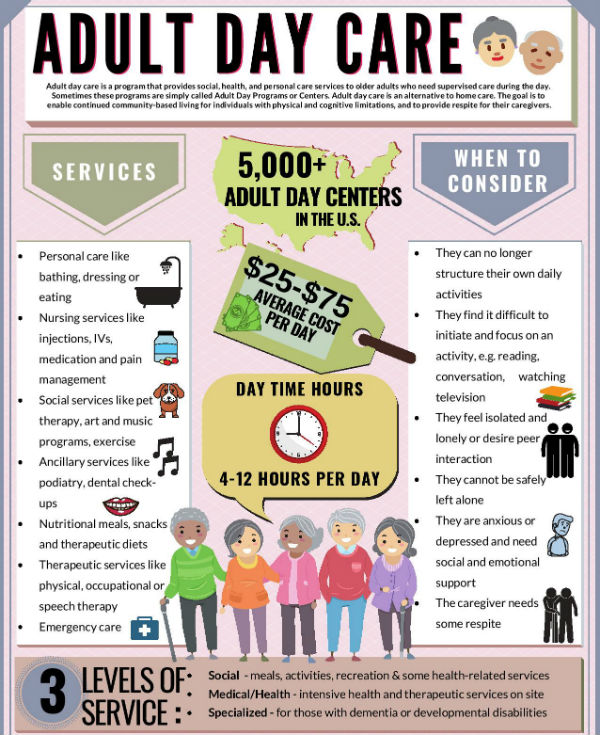
Adult day care centers are non-residential facilities designed to provide care and companionship for older adults who need supervision or assistance, or who are isolated and lonely. They offer a range of health, social, and therapeutic services in a community-based group setting. From a financial perspective, these centers represent a cost-effective alternative to more intensive or round-the-clock care options, enabling caregivers to maintain employment or attend to other responsibilities, thereby preserving household income and preventing more substantial care expenditures down the line.

Defining Adult Day Care in a Financial Context
At its core, an adult day care center is a strategic financial tool for families. It provides a less expensive solution than in-home caregivers or residential facilities for individuals who do not require 24/7 medical supervision but benefit from structured daily engagement. Services typically include supervised activities, meals, personal care assistance (such as toileting and grooming), medication management, and health monitoring. By offering these services, centers help delay or prevent the need for costly nursing home placement or extensive in-home care hours, which can quickly deplete personal savings and retirement funds. For the family caregiver, the center offers respite, allowing them to work, manage their own finances, or avoid the high cost of full-time professional care, thus creating an economic ripple effect that supports both the care recipient’s well-being and the caregiver’s financial stability.
Key Benefits for Participants and Caregivers: An Economic Perspective
The benefits of adult day care extend beyond the immediate social and health advantages, manifesting in tangible economic savings for families. For participants, the structured environment, cognitive stimulation, and social interaction can help maintain functional abilities and delay cognitive decline, potentially reducing future healthcare costs associated with advanced care needs. Preventing falls, managing chronic conditions more effectively, and fostering independence can all contribute to fewer emergency room visits and hospitalizations.
For caregivers, the economic benefits are even more pronounced. The primary caregiver, often a spouse or adult child, can experience reduced stress and burnout, which can lead to better personal health outcomes and lower healthcare expenditures for themselves. More critically, adult day care enables caregivers to continue working, maintaining their income, contributing to their own retirement savings, and avoiding the career interruptions that often come with full-time caregiving. This preservation of income is paramount for long-term financial security. Without adult day care, many families would face the difficult choice of either paying for exorbitantly priced in-home care or having a caregiver leave the workforce, incurring a substantial opportunity cost in lost wages and benefits. The ability to manage personal finances, handle household budgets, and maintain a steady income stream makes adult day care an invaluable financial support system for families.
The Cost of Adult Day Care: A Deep Dive into Expenses
Understanding the financial outlay required for adult day care is paramount for effective financial planning. While generally more affordable than other long-term care options, the costs can still represent a significant expense, necessitating careful budgeting and exploration of funding avenues.
Average Daily and Monthly Costs
The cost of adult day care varies considerably across regions and facilities, but national averages provide a useful starting point for financial planning. According to various elder care cost surveys, the national median cost for adult day health care is approximately $80 per day or around $1,700 per month for full-time attendance (five days a week). However, these figures are averages, and specific costs can range widely. For instance, some centers might charge as little as $30-40 per day in rural areas, while urban centers, especially those offering specialized medical or therapeutic services, could exceed $100-120 per day.
When budgeting, it’s crucial to consider the frequency of attendance. Many families utilize adult day care for only a few days a week, which reduces the monthly expenditure but requires careful calculation to project annual costs accurately. Families must also factor in potential additional charges for specialized services, transportation, or specific activities not covered by the base rate.
Factors Influencing Pricing
Several key factors contribute to the variation in adult day care costs:
- Location: Geographic location is perhaps the most significant determinant. Centers in metropolitan areas and regions with a higher cost of living generally charge more than those in suburban or rural settings. State regulations, labor costs, and real estate prices all play a role in this disparity.
- Services Offered: The breadth and depth of services provided directly impact the price. Basic social adult day care, which primarily offers companionship and activities, will be less expensive than adult day health care centers that provide medical supervision, skilled nursing services, therapy (physical, occupational, speech), and specialized dementia care programs. Centers with higher staff-to-participant ratios or specialized equipment may also command higher fees.
- Hours of Operation: Centers that operate for extended hours, offer weekend services, or provide flexible drop-off and pick-up times may have different pricing structures. Daily rates are common, but some centers offer hourly rates or half-day options, providing flexibility for families with specific needs or budget constraints.
- Facility Amenities: The quality and range of amenities, such as gourmet meals, dedicated quiet rooms, outdoor gardens, or advanced therapeutic equipment, can also contribute to higher costs.
- Staff Qualifications: Centers employing a higher proportion of licensed medical professionals (nurses, therapists) or those with specialized training in areas like dementia care often have higher operating costs, which are reflected in their fees.
Comparing Costs to Other Care Options
From a purely financial perspective, adult day care consistently emerges as one of the most cost-effective long-term care options. To put its costs into perspective:
- In-Home Care: A home health aide or non-medical caregiver typically costs around $25-35 per hour. If care is needed for even 6-8 hours a day, five days a week, the monthly cost can easily exceed $3,000 to $5,000, significantly more than adult day care. Round-the-clock home care is exponentially more expensive, potentially reaching $10,000+ per month.
- Assisted Living Facilities: These residential facilities provide housing, meals, personal care, and activities, with a national median cost of roughly $4,500 per month. While offering comprehensive services, assisted living is a full-time residential commitment, making its cost significantly higher than part-time adult day care.
- Nursing Homes: The most expensive option, nursing home care, averages over $8,000 per month for a semi-private room and well over $9,000 for a private room. This level of care is reserved for individuals requiring extensive medical supervision and assistance, far surpassing the scope and cost of adult day care.

By choosing adult day care, families can save thousands of dollars monthly compared to these alternatives, making it an economically viable choice for many who need supervised care but do not require full-time residential placement.
Funding Adult Day Care: Navigating Payment Options
Securing appropriate funding for adult day care is a critical aspect of financial planning for elder care. While many families primarily rely on private funds, various public and private programs can significantly alleviate the financial burden.
Private Pay and Out-of-Pocket Expenses
For many families, private pay is the most common method of funding adult day care. This involves using personal savings, retirement funds (such as 401(k)s or IRAs), pensions, or income to cover the costs directly. Liquidating investments or drawing from home equity loans can also be options, though these require careful financial consultation. It’s crucial for families to assess their current income, assets, and overall financial stability to determine the feasibility of private pay without jeopardizing their long-term financial security. Creating a detailed budget that includes all care-related expenses, alongside regular household costs, is an essential first step.
Leveraging Insurance and Government Programs
While traditional health insurance policies (like Medicare Part A and B) generally do not cover the custodial care provided by adult day care, several other programs and insurance types can offer substantial financial assistance:
- Medicaid: For low-income individuals who meet specific financial and functional eligibility requirements, Medicaid is a primary payer for adult day health care services. Eligibility varies by state, often encompassing both income/asset limits and a demonstrated need for care. Many states offer Home and Community-Based Services (HCBS) waivers that can cover adult day care costs, helping individuals remain in their homes and communities rather than entering institutional care.
- Veterans Benefits: The U.S. Department of Veterans Affairs (VA) offers several programs that can help eligible veterans and their spouses pay for adult day care. The Aid and Attendance pension benefit, for instance, provides additional monetary assistance to wartime veterans and their surviving spouses who require the aid of another person for daily activities. Additionally, the VA’s medical benefits package may include adult day health care services for qualifying veterans.
- Long-Term Care Insurance: Individuals who planned ahead and purchased long-term care insurance policies may find that their plans cover a significant portion of adult day care expenses. These policies are designed to cover costs associated with various long-term care services, including adult day care, once specific triggers (e.g., inability to perform a certain number of Activities of Daily Living, or cognitive impairment) are met. Reviewing the policy details is essential to understand coverage limits, elimination periods, and daily benefit amounts.
- PACE (Programs of All-Inclusive Care for the Elderly): For eligible seniors, PACE is a comprehensive program that provides medical and social services, including adult day health care, to individuals who are certified by the state to need nursing home level of care but prefer to remain in the community. PACE covers all Medicare and Medicaid services and is typically available to those 55 or older.
Exploring Financial Assistance and Subsidies
Beyond formal insurance and government programs, other avenues for financial assistance exist:
- State and Local Programs: Many states and local municipalities offer non-Medicaid programs or grants designed to assist seniors and caregivers with the costs of adult day care. These might be funded through local taxes, community block grants, or specific elder care initiatives. Consulting with local Area Agencies on Aging (AAAs) or senior centers is often the best way to uncover these resources.
- Disease-Specific Organizations: Organizations dedicated to specific conditions, such as the Alzheimer’s Association or Parkinson’s Foundation, may offer financial assistance programs, grants, or resource directories to help families manage care costs, including adult day care, for individuals affected by those diseases.
- Non-Profit and Charitable Organizations: Some non-profit organizations or religious charities may offer financial subsidies or sliding-scale fees for adult day care services, particularly for low-income families or those facing extenuating circumstances. It’s worth inquiring directly with local adult day care centers about any available financial aid programs.
Integrating Adult Day Care into Your Financial Plan
Strategically incorporating adult day care into a comprehensive financial plan is key to sustainable long-term care management. This involves proactive budgeting, foresight in long-term care planning, and a clear understanding of the economic value proposition.
Budgeting for Care Costs
Effective budgeting for adult day care begins with a realistic assessment of all related expenses. This includes not just the daily or monthly fees, but also potential costs for transportation, specialized services, and supplies. Families should create a dedicated care budget, categorizing expenses and identifying potential sources of income or savings. This budget should be reviewed regularly, as needs and costs can change over time. It’s also important to factor in the indirect costs of caregiving, such as reduced work hours or increased stress-related medical expenses for the caregiver, and how adult day care can mitigate these. By offloading some care responsibilities, caregivers can maintain their employment, reducing the financial strain on the household.
Long-Term Financial Planning for Senior Care
Adult day care often serves as an initial step in a broader long-term care strategy. Integrating its costs into a holistic financial plan means looking beyond immediate needs. Families should consider how current adult day care expenses fit into projections for future care, which might involve escalating needs, such as eventually transitioning to more intensive in-home care or assisted living. Consulting with a financial planner specializing in elder care can be invaluable. Such a professional can help evaluate assets, explore options like annuities or reverse mortgages (with caution), and create a sustainable financial roadmap that accounts for potential increases in care costs over time, ensuring that resources are preserved for future needs.
The Economic Value Proposition for Families
Ultimately, adult day care offers a compelling economic value proposition. It provides a vital service that:
- Preserves Family Finances: By being significantly more affordable than other options, it helps families stretch their care budget further and delay the depletion of savings.
- Supports Caregiver Employment: It enables primary caregivers to maintain their jobs, careers, and financial independence, which has long-term economic benefits for both the individual and the broader economy.
- Enhances Well-being and Delays Higher-Cost Care: By providing social, cognitive, and health benefits, it can slow the progression of chronic conditions and cognitive decline, potentially reducing the need for more expensive medical interventions or institutional care down the line.
- Optimizes Resource Allocation: It allows families to allocate their financial resources more effectively, investing in preventive care and supportive services that maintain quality of life while managing costs responsibly.
In sum, an adult day care center is far more than just a place for seniors to spend their day; it’s a critical component of personal finance and long-term care planning, offering a financially sound solution that supports both the care recipient and their family’s economic stability.
aViewFromTheCave is a participant in the Amazon Services LLC Associates Program, an affiliate advertising program designed to provide a means for sites to earn advertising fees by advertising and linking to Amazon.com. Amazon, the Amazon logo, AmazonSupply, and the AmazonSupply logo are trademarks of Amazon.com, Inc. or its affiliates. As an Amazon Associate we earn affiliate commissions from qualifying purchases.