
In our increasingly interconnected and digital world, the silent, often overlooked hero enabling nearly every electronic device we use is the power supply. While most modern gadgets operate on direct current (DC) power, the electricity delivered to our homes and offices is predominantly alternating current (AC). Bridging this fundamental gap is the AC power supply – a crucial component that converts, regulates, and delivers the appropriate power required for everything from your smartphone charger to sophisticated industrial machinery. Understanding what an AC power supply is, how it works, and its broader implications is not just for electrical engineers; it’s essential for anyone who relies on technology, manages a brand, or keeps an eye on their finances.
The Unsung Workhorse: Demystifying the AC Power Supply
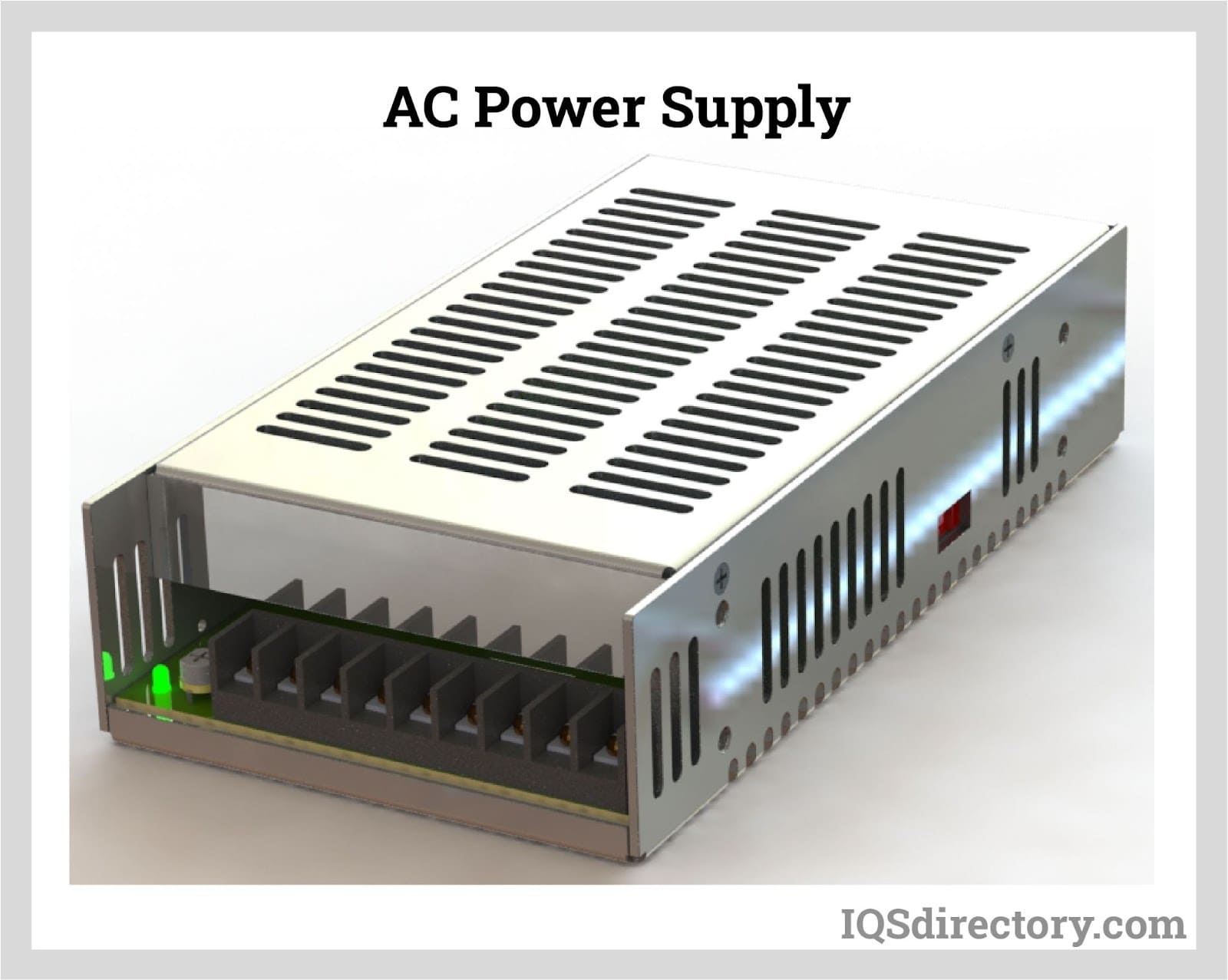
At its core, an AC power supply is an electrical device that takes alternating current from a wall outlet or power grid and transforms it into a usable form of electrical energy for electronic circuits and components. This transformation is critical because while AC is efficient for long-distance power transmission, most delicate electronics require a stable, low-voltage DC supply to function correctly and safely.
AC vs. DC: A Quick Primer
To grasp the importance of an AC power supply, it’s vital to distinguish between AC and DC.
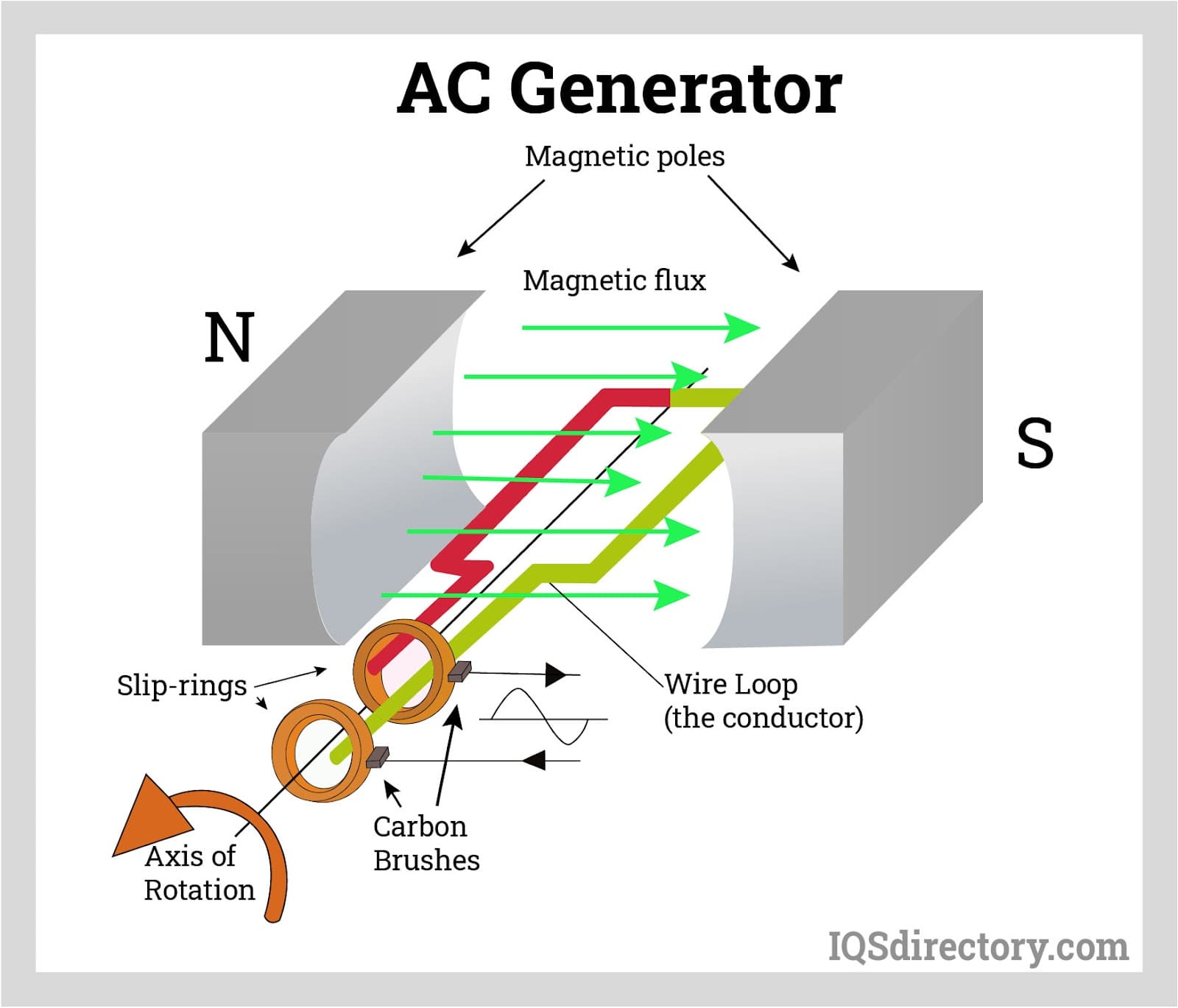
- Alternating Current (AC): In AC, the direction of the electrical current periodically reverses. This happens many times per second (e.g., 50 or 60 Hz in most parts of the world). AC is excellent for transmitting power over vast distances with minimal loss, which is why power stations generate and distribute AC.
- Direct Current (DC): In DC, the electrical current flows in only one direction. Batteries produce DC, and almost all electronic circuits within devices like laptops, smartphones, televisions, and computers run on DC power. The steady flow of DC is necessary for the precise operations of microchips and other sensitive components.
Why Conversion is Crucial
The necessity of an AC power supply arises from this fundamental disparity. Without it, you couldn’t plug your laptop into a wall outlet, charge your phone, or run most household appliances directly. The AC power supply performs several vital functions:
- Voltage Transformation: It steps down the high AC voltage from the wall (e.g., 120V or 240V) to a much lower, safer voltage required by the device (e.g., 5V, 12V, 19V AC).
- Rectification: It converts the alternating current into pulsating direct current.
- Filtering: It smooths out these pulses, creating a more stable DC output.
- Regulation: It ensures the output voltage remains constant, regardless of fluctuations in the input AC voltage or changes in the load (the amount of power the device is drawing). This stable output is paramount for device longevity and performance.
Inside the Black Box: Components and Conversion Process
While often encased in simple plastic shells, AC power supplies are intricate pieces of engineering. Understanding their internal components reveals the clever process of power conversion.
The Transformer: Stepping Up or Down
The first stage in many AC power supplies is the transformer. This component uses electromagnetic induction to either increase (step up) or decrease (step down) the AC voltage. For consumer electronics, step-down transformers are common, reducing the high mains voltage to a more manageable level before further processing. For instance, a 240V AC input might be stepped down to 12V AC.
The Rectifier: From AC to Pulsating DC
Once the voltage is transformed, the AC waveform still alternates direction. The rectifier circuit, typically made of diodes, converts this alternating current into pulsating direct current. Diodes are one-way valves for electricity; they only allow current to flow in a single direction. A common configuration is the “full-wave bridge rectifier,” which ensures that both positive and negative halves of the AC cycle are converted into positive DC pulses. At this stage, the current flows in one direction, but its magnitude still varies significantly, resembling a series of humps.
The Filter: Smoothing the Ride
The pulsating DC output from the rectifier is not yet suitable for most electronic devices. It still contains significant “ripple” – variations in voltage. The filter stage, usually comprising capacitors, acts like an energy reservoir. When the rectified voltage peaks, the capacitor charges up; when the voltage dips, the capacitor discharges, smoothing out the pulses and producing a much more consistent DC voltage. A larger capacitor generally results in less ripple.
The Regulator: Achieving Stability
Even after filtering, some minor voltage fluctuations can remain, and the output voltage might vary depending on the load current drawn by the connected device. The regulator stage is designed to maintain a constant, precise output voltage despite these variations. Voltage regulators (often integrated circuits) actively adjust the current flow to ensure the output remains within tight specifications. This stability is critical for sensitive electronics, preventing damage and ensuring reliable operation. Some regulators also incorporate protection circuits against overvoltage, overcurrent, and short circuits, further safeguarding connected devices.
From Wall Outlets to Your Gadgets: Types and Applications
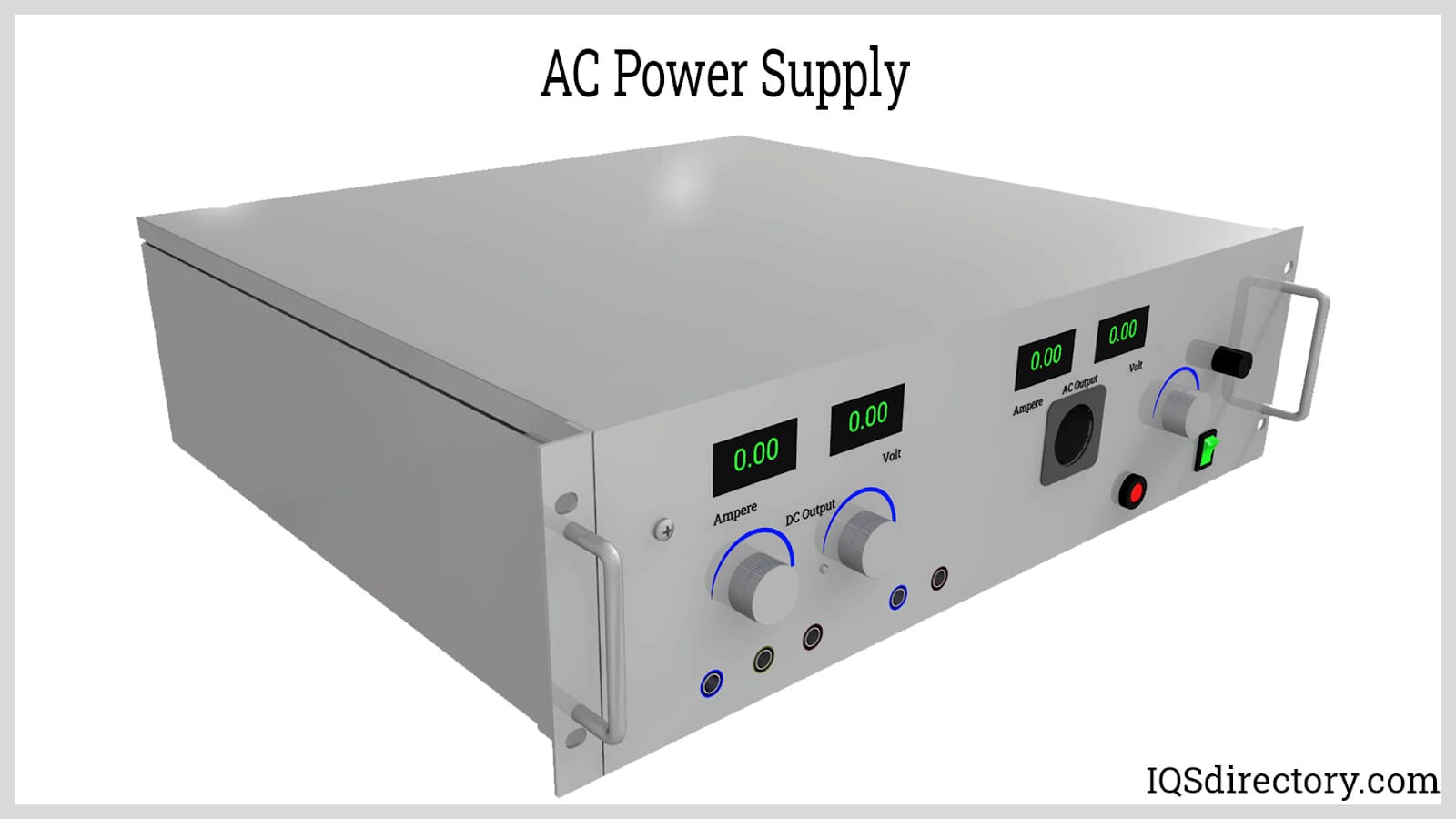
AC power supplies come in various forms, each suited for different applications and performance requirements. Their ubiquitous nature means they power almost every aspect of our tech-driven lives.
Linear Power Supplies
These are the traditional type of AC power supply, characterized by their use of a large transformer, rectifier, filter, and linear voltage regulator. While they provide excellent voltage regulation and have low noise output, they tend to be bulky, heavy, and less efficient, as they dissipate excess energy as heat. They are still found in applications where low noise and high precision are paramount, such as high-end audio equipment or laboratory instrumentation.
Switching Mode Power Supplies (SMPS)
SMPS are the dominant type of power supply in modern electronics due to their high efficiency, compact size, and lighter weight. Instead of continuously dissipating excess voltage, SMPS rapidly switch transistors on and off at high frequencies to regulate the output voltage. This “switching” action minimizes energy loss, making them far more efficient than linear supplies. However, their switching action can generate more electrical noise, which needs careful design to mitigate. They are found in most consumer electronics, including computers, LED lighting, and many home appliances.
Uninterruptible Power Supplies (UPS)
While not primarily converting AC to DC in the same way, a UPS is a vital AC power solution that provides emergency power to a load when the input power source fails. It typically contains a battery that kicks in instantly, keeping critical devices running during power outages. UPS systems are crucial for protecting sensitive data, maintaining continuous operations for businesses, and ensuring essential home devices remain powered. They represent a significant investment in digital security and business continuity.
AC Adapters and Chargers
These are perhaps the most common forms of AC power supplies encountered daily. The “wall warts” or power bricks for laptops, smartphones, tablets, and many other gadgets are essentially compact AC-to-DC converters. They integrate all the necessary components (often SMPS circuitry) into a single, convenient unit designed to plug directly into an AC outlet. The trend towards USB-C Power Delivery (PD) standard further highlights the importance of versatile and efficient AC adapters that can negotiate various voltage and current outputs.
Beyond Powering: The Broader Impact on Tech, Brand, and Budget
The humble AC power supply is far more than just a component; it’s a critical enabler with profound implications across technology, brand reputation, and personal and business finances.
Protecting Your Investment: The Tech Angle
A stable and reliable power supply is fundamental to the health and longevity of your electronic devices. Poor quality or unstable power can lead to:
- Reduced Lifespan: Fluctuations, spikes, or ripple can degrade components over time, shortening a device’s operational life.
- Performance Issues: Unstable power can cause erratic behavior, crashes, or data corruption in sensitive electronics like computers and servers.
- Safety Hazards: Faulty power supplies can overheat, short-circuit, or even cause fires, posing serious risks.
Investing in high-quality power solutions, including well-designed AC adapters and UPS systems, is a direct investment in the reliability, productivity, and security of your tech ecosystem. For businesses, this translates to minimal downtime and sustained operational efficiency.
Building Trust: The Brand Impact
For technology brands, the quality of the included or recommended AC power supply is inextricably linked to their overall reputation and corporate identity.
- Product Reliability: A device that fails due to a cheap, unreliable power supply will reflect poorly on the manufacturer, regardless of the quality of the device itself. Brands like Apple, for example, are known for their meticulously designed and robust power adapters, which contribute to the perception of overall product excellence.
- Safety and Compliance: Brands must ensure their power supplies meet stringent international safety standards (e.g., UL, CE, RoHS). Failure to do so can lead to product recalls, legal liabilities, and irreparable damage to brand reputation.
- Design and User Experience: The aesthetics, size, and even the tactile feel of an AC adapter contribute to the overall user experience. A compact, aesthetically pleasing, and easy-to-use power brick enhances the perceived value of the product it accompanies. Conversely, a bulky, poorly designed, or excessively hot adapter detracts from it.
- Sustainability: Brands that prioritize energy-efficient power supplies (e.g., those with high Energy Star ratings) also enhance their corporate social responsibility image, appealing to environmentally conscious consumers.
Powering Your Prosperity: The Money Connection
The financial implications of AC power supplies span personal finance, business finance, and even online income strategies.
- Energy Efficiency and Personal Finance: Highly efficient AC power supplies (especially SMPS) waste less electricity as heat, translating into lower energy bills for consumers. Over the lifespan of multiple devices, these savings can be significant. When choosing a new gadget or replacement adapter, checking its efficiency rating is a smart financial move.
- Protecting Assets and Avoiding Costs: Investing in a good UPS for your home office or critical electronics prevents costly data loss and hardware damage during power outages. For online income earners or those with side hustles reliant on their computers, a UPS ensures continuity, protecting their productivity and income streams from unexpected interruptions. The cost of replacing a high-end PC or a lost day of work far outweighs the cost of a reliable UPS.
- Business Finance and Operational Costs: For companies, reliable power infrastructure, including robust AC power supplies for servers, networking equipment, and employee workstations, is fundamental. Downtime due to power issues can lead to massive financial losses from lost sales, disrupted operations, and damaged equipment. Efficient power supplies also contribute to lower operational expenses (OpEx) through reduced electricity consumption, a critical consideration for large data centers and offices.
- Innovation and Market Value: The market for power supply technology is constantly evolving, with new innovations like Gallium Nitride (GaN) and Silicon Carbide (SiC) semiconductors leading to even smaller, more efficient, and more powerful adapters. This drives competition, offering consumers better value and performance. Brands that invest in and adopt these advanced technologies can differentiate themselves in the market, potentially commanding higher price points for their premium power solutions.
In conclusion, the AC power supply is a testament to the ingenuity of electrical engineering, silently enabling the digital world we inhabit. From the intricate dance of transformers and rectifiers to its profound impact on the tech we use, the brands we trust, and the financial well-being of individuals and businesses, its importance cannot be overstated. Understanding this fundamental component not only demystifies our gadgets but also empowers us to make smarter choices for a more reliable, efficient, and secure technological future.
aViewFromTheCave is a participant in the Amazon Services LLC Associates Program, an affiliate advertising program designed to provide a means for sites to earn advertising fees by advertising and linking to Amazon.com. Amazon, the Amazon logo, AmazonSupply, and the AmazonSupply logo are trademarks of Amazon.com, Inc. or its affiliates. As an Amazon Associate we earn affiliate commissions from qualifying purchases.