
Acute Myeloid Leukemia (AML) is a severe form of cancer affecting the blood and bone marrow, characterized by the rapid growth of abnormal myeloid cells. While the medical and biological intricacies of AML are vast and complex, the modern fight against this disease is increasingly defined by breakthroughs in technology. From advanced diagnostic tools to novel therapeutic approaches and sophisticated data analytics, technology is not just an adjunct but a central pillar in understanding, managing, and ultimately, overcoming AML. This article delves into the technological innovations that are transforming the landscape of AML research, diagnosis, treatment, and patient care, illustrating how the tech domain is rewriting the narrative for those affected by this challenging condition.
Unraveling AML: A Glimpse into the Medical Challenge (A Foundation for Tech Intervention)
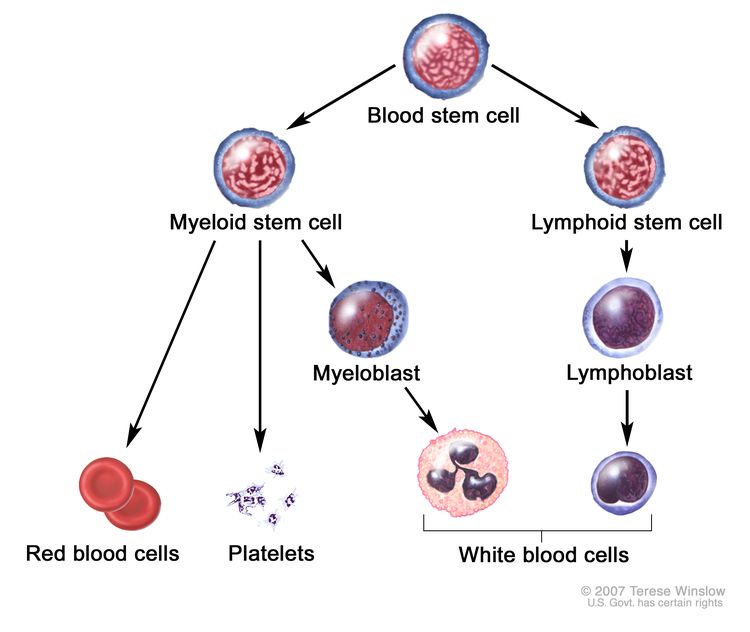
Understanding AML is the first step towards its effective combat, and even at this foundational level, technology plays an understated but critical role. AML originates in the bone marrow, where stem cells typically mature into various types of blood cells. In AML, this process goes awry, leading to an overproduction of immature white blood cells (myeloblasts) that are unable to function properly. These abnormal cells accumulate, crowding out healthy blood cells and impairing the body’s ability to fight infection, carry oxygen, and clot blood.
The Biological Basis of AML and Its Heterogeneity
AML is not a single disease but rather a group of diverse disorders, each with unique genetic and molecular profiles. This heterogeneity is a major challenge for diagnosis and treatment. Early diagnostic methods relied on microscopic examination of blood and bone marrow samples, which, while foundational, provided limited insight into the specific genetic drivers of a patient’s leukemia. The advent of molecular biology techniques, enabled by sophisticated lab equipment and computational analysis, began to peel back these layers of complexity, revealing specific mutations and chromosomal abnormalities that classify different AML subtypes. This initial understanding, facilitated by early tech, set the stage for the explosive growth in precision diagnostics we see today.
Current Diagnostic Paradigms and Their Tech Underpinnings
Before the deep dive into futuristic tech, it’s crucial to acknowledge the current standard of care for AML diagnosis, which itself is heavily reliant on technology. Flow cytometry, for example, uses lasers and detectors to analyze the characteristics of cells in a sample, enabling pathologists to identify leukemic cells based on their surface markers. Cytogenetic analysis utilizes microscopy and digital imaging to detect chromosomal aberrations. Furthermore, PCR (Polymerase Chain Reaction) and FISH (Fluorescence In Situ Hybridization) are molecular techniques that leverage thermal cyclers, fluorescent dyes, and specialized imaging systems to detect specific gene mutations or structural abnormalities. These technologies, though established, are continuously refined, offering faster, more accurate, and more sensitive detection capabilities, forming the bedrock upon which newer, more advanced tech solutions are built.
Tech Revolutionizing AML Diagnostics
The diagnostic phase is critical for AML, directly influencing treatment pathways and patient outcomes. Modern technology is rapidly transforming this area, pushing the boundaries of accuracy, speed, and comprehensiveness.
AI and Machine Learning in Early Detection and Classification
Artificial intelligence (AI) and machine learning (ML) are emerging as powerful tools in AML diagnostics. AI algorithms can analyze vast amounts of data from patient samples, including blood counts, bone marrow biopsies, genetic sequences, and even medical imaging. By identifying subtle patterns and correlations that might escape human observation, AI can assist pathologists in more accurately classifying AML subtypes, predicting disease progression, and identifying patients at higher risk. For instance, ML models are being developed to analyze microscopic images of bone marrow smears, automatically detecting and quantifying blasts with higher consistency and speed than manual methods. This not only streamlines the diagnostic process but also minimizes human variability, potentially leading to earlier and more precise diagnoses.
Genomic Sequencing and Precision Diagnostics
Next-generation sequencing (NGS) has been a game-changer in understanding AML’s molecular landscape. Technologies like whole-exome sequencing and targeted gene panels can rapidly sequence millions of DNA fragments, identifying specific mutations in genes known to drive AML (e.g., FLT3, NPM1, IDH1/2). This allows for a truly personalized diagnostic approach, where treatment can be tailored to the unique genetic fingerprint of a patient’s leukemia. Bioinformatics pipelines, powered by high-performance computing, are essential for processing and interpreting the massive datasets generated by NGS, translating raw genetic data into clinically actionable insights. The ability to identify these molecular targets is crucial for guiding the use of targeted therapies, which are often more effective and less toxic than traditional chemotherapy.
Advanced Imaging Techniques
Beyond traditional microscopy, advanced imaging technologies are offering new perspectives on AML. PET scans (Positron Emission Tomography) and highly sensitive MRI (Magnetic Resonance Imaging) are being enhanced with AI-driven analysis to detect subtle disease manifestations, assess treatment response, and monitor for relapse with greater precision. Furthermore, new modalities like single-cell RNA sequencing allow researchers to examine gene expression at the level of individual cells, providing unprecedented detail into the heterogeneous cell populations within a tumor and how they respond to therapy. This granular view, made possible by sophisticated robotics, microfluidics, and computational biology, is invaluable for understanding disease resistance and developing new therapeutic strategies.
Cutting-Edge Technologies in AML Treatment and Therapy
The rapid evolution of technology is not just improving diagnosis but also revolutionizing the treatment landscape for AML, offering new hope where traditional methods have fallen short.

Targeted Therapies and Drug Discovery with AI
The identification of specific genetic mutations in AML has paved the way for targeted therapies that selectively attack cancer cells while sparing healthy ones. AI is accelerating the drug discovery process by sifting through vast chemical libraries, predicting drug efficacy and potential side effects, and identifying novel compounds that can inhibit specific molecular targets. Machine learning algorithms can analyze data from clinical trials and real-world patient outcomes to optimize drug combinations and dosing regimens. This data-driven approach allows for the faster development of more effective and personalized treatments, moving away from a one-size-fits-all model. For example, AI can help identify patients likely to respond to FLT3 inhibitors based on their specific genetic profile, improving treatment success rates.
Gene Editing and Immunotherapy Innovations
Gene-editing technologies, most notably CRISPR-Cas9, hold immense promise for AML. While still largely in the research phase for direct therapeutic application in AML, CRISPR allows scientists to precisely edit genes, potentially correcting disease-causing mutations or engineering immune cells to better fight leukemia. In the realm of immunotherapy, CAR T-cell therapy, though primarily established for other blood cancers, is being explored for AML. This involves genetically modifying a patient’s own T-cells (a type of immune cell) in a lab using viral vectors or other gene delivery systems, equipping them with chimeric antigen receptors (CARs) that specifically recognize and destroy AML cells. These complex biological engineering processes are entirely dependent on sophisticated laboratory technology and stringent quality control systems.
Digital Health and Remote Monitoring for Patients
Beyond direct medical interventions, digital health technologies are enhancing patient care and quality of life for those undergoing AML treatment. Wearable devices can monitor vital signs, activity levels, and sleep patterns, providing clinicians with real-time data that can signal potential complications or adverse drug reactions. Telemedicine platforms enable virtual consultations, reducing the burden of travel for patients who are often immunocompromised and require frequent follow-ups. Mobile apps offer medication reminders, symptom tracking, and educational resources, empowering patients to actively participate in their care. These technologies not only improve convenience but also allow for earlier intervention in case of deterioration, potentially preventing serious health crises.
The Future of AML Research: A Tech-Driven Frontier
The ongoing battle against AML is a testament to relentless scientific inquiry, significantly amplified by technological advancements. The future promises even more profound transformations, driven by interconnected digital ecosystems and sophisticated computational power.
Big Data and Collaborative Research Platforms
The sheer volume of data generated in AML research—from genomic sequences and proteomics to clinical trial results and patient records—is immense. Big data analytics, coupled with cloud computing infrastructure, is essential for aggregating, processing, and deriving meaningful insights from this information. Collaborative research platforms, often cloud-based, enable researchers worldwide to share data, methodologies, and findings in real-time. This accelerates the pace of discovery by breaking down geographical barriers and fostering interdisciplinary approaches, leading to a more holistic understanding of AML’s complex biology and better treatment strategies. AI algorithms can scour these massive datasets to identify new drug targets, predict treatment responses, and even discover novel subtypes of AML.
Virtual Reality and Simulation in Training and Planning
Virtual Reality (VR) and Augmented Reality (AR) are beginning to find applications in medical education and surgical planning, which, while not directly treating AML, impact the quality of care. For example, VR simulations can provide realistic training environments for aspiring oncologists and hematologists, allowing them to practice complex procedures or visualize the intricate cellular mechanisms of AML without risk. In the future, AR could assist surgeons in bone marrow biopsies or other procedures by overlaying real-time patient data and anatomical information onto their field of view, enhancing precision and safety. These immersive technologies promise to elevate the skills of healthcare professionals, ultimately benefiting AML patients.
Ethical Considerations and Accessibility in Tech-Enhanced AML Care
While technology offers immense promise in the fight against AML, its integration also raises critical ethical questions and highlights disparities in access.
Data Privacy and Security
The collection and analysis of vast amounts of sensitive patient data, particularly genomic information, necessitate robust data privacy and security measures. Protecting this information from breaches and misuse is paramount to maintaining patient trust and ensuring ethical research practices. Compliance with regulations like GDPR and HIPAA, alongside the development of secure data encryption and anonymization techniques, is crucial as healthcare becomes increasingly digital. Blockchain technology is also being explored as a decentralized and secure way to manage health records, offering tamper-proof data integrity.

Bridging the Digital Divide
The benefits of advanced technology in AML care, from precision diagnostics to remote monitoring, are only as effective as their accessibility. A significant “digital divide” exists, where patients in underserved communities or those with limited access to technology may not benefit equally from these innovations. Addressing this requires concerted efforts to ensure equitable access to high-speed internet, digital literacy programs, and affordable technological tools. Policy initiatives and public-private partnerships are vital to ensure that technological advancements in AML care do not exacerbate existing health inequities but rather contribute to a more inclusive and effective healthcare system for all.
In conclusion, “what is AML leukemia” is increasingly answered through the lens of technology. While it remains a formidable medical challenge, the continuous evolution of tech in diagnostics, treatment, and research offers a beacon of hope. From AI-driven insights and genomic precision to digital health management and collaborative research platforms, technology is not just assisting but actively shaping the future of AML care, promising a new era of more personalized, effective, and accessible solutions for patients worldwide.
aViewFromTheCave is a participant in the Amazon Services LLC Associates Program, an affiliate advertising program designed to provide a means for sites to earn advertising fees by advertising and linking to Amazon.com. Amazon, the Amazon logo, AmazonSupply, and the AmazonSupply logo are trademarks of Amazon.com, Inc. or its affiliates. As an Amazon Associate we earn affiliate commissions from qualifying purchases.