
In the evolving landscape of real estate and land use, the concept of “conservation development” has emerged as a compelling strategy, transcending its initial environmental connotations to become a significant factor in business finance, investment, and long-term value creation. Far from being a niche environmental endeavor, conservation development represents a sophisticated approach to land planning and asset management that integrates ecological preservation with robust economic viability. For investors, developers, and financial institutions, understanding this paradigm shift is crucial for identifying profitable opportunities and mitigating risks in an increasingly sustainability-conscious market.
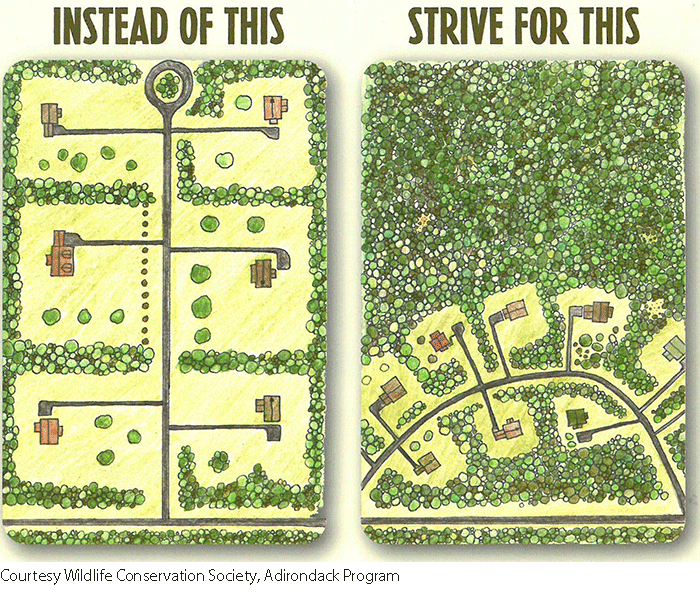
At its core, conservation development is a method of land planning that seeks to achieve a balance between economic growth and environmental protection. Unlike traditional development, which often prioritizes maximizing density across an entire parcel, conservation development strategically clusters homes and infrastructure on a smaller portion of the land, dedicating a significant percentage—often 50% or more—to permanent open space, natural habitats, agricultural use, or recreational areas. This isn’t merely about setting aside land; it’s about integrating the natural environment into the development’s financial model, recognizing its intrinsic value and potential for long-term economic returns. From a financial perspective, conservation development transforms environmental stewardship from a cost center into a value driver, appealing to a growing segment of environmentally and socially conscious investors and homebuyers.

Defining Conservation Development Through a Financial Lens
To fully grasp the financial implications of conservation development, it’s essential to move beyond a purely ecological definition and view it through the prism of business and investment strategy. This approach reveals a model built on sustainable asset appreciation, market differentiation, and resilient financial performance.
Beyond Environmentalism: Economic Rationale
While the environmental benefits of conservation development are clear—protecting biodiversity, preserving natural resources, and enhancing ecosystem services—its economic rationale is equally compelling. Developers are increasingly recognizing that these environmental attributes translate directly into market value. By preserving natural features such as forests, wetlands, and scenic vistas, developers are not just meeting regulatory requirements; they are creating premium amenities that command higher prices and faster sales velocities. This strategic integration of nature as an asset amenity differentiates projects in crowded markets, appealing to affluent buyers and investors who value quality of life, sustainability, and long-term asset appreciation. The economic justification extends to reduced infrastructure costs (e.g., smaller road networks, stormwater management through natural systems) and potential for tax incentives, further bolstering the financial case.
Value Creation through Thoughtful Design
The financial success of conservation development is intrinsically linked to its thoughtful design and master planning. By concentrating development on less sensitive areas, significant capital can be saved on infrastructure that would otherwise be required to build across challenging terrains or environmentally protected zones. Moreover, the creation of contiguous open spaces, trails, and access to nature enhances the perceived and actual value of the residential lots. Homebuyers are often willing to pay a premium for properties that offer direct access to nature, privacy, and a sense of community fostered by shared conservation areas. This value creation is not speculative; it’s built upon the tangible benefits of reduced environmental impact, enhanced aesthetic appeal, and an improved quality of life that translates into higher property values and sustained market demand, making these developments attractive targets for long-term capital investment.
The Financial Upside for Developers and Investors
For those deploying capital in the real estate sector, conservation development offers a distinctive suite of financial advantages that set it apart from conventional approaches, promising both enhanced returns and reduced exposure to certain market risks.
Enhanced Market Appeal and Premium Valuation
One of the most immediate financial benefits of conservation development is its strong market appeal. In today’s market, buyers are increasingly seeking homes and communities that reflect their values, including sustainability and connection to nature. Properties within conservation developments frequently fetch higher prices compared to similar units in conventional subdivisions, largely due to the preserved open space, recreational amenities, and the perceived health and wellness benefits of living in a greener environment. This premium valuation translates into higher gross revenues for developers and attractive capital gains for investors. Furthermore, the unique selling proposition of a conservation-focused community often leads to faster absorption rates, reducing carrying costs and improving project timelines, which directly impacts internal rates of return (IRRs).
Risk Mitigation and Long-Term Stability
From an investment standpoint, conservation development offers significant risk mitigation. By proactively addressing environmental concerns and integrating sustainable practices, these projects are often less susceptible to future regulatory changes or public opposition that can plague traditional developments. The long-term preservation of natural assets can also protect property values from depreciation due to environmental degradation, a growing concern for investors in a climate-challenged world. Moreover, the enduring appeal of these communities tends to foster stronger homeowner associations and more stable property values over time, contributing to a more predictable and reliable return on investment. This stability is a key differentiator for institutional investors and pension funds seeking sustainable, long-term asset performance.
Accessing Green Capital and Sustainable Finance
The global financial market is increasingly channeling capital towards sustainable investments. Conservation development projects are well-positioned to attract “green capital” from a variety of sources, including impact investors, ESG (Environmental, Social, and Governance) funds, and financial institutions committed to sustainable lending. Access to these specialized funding streams can provide more favorable financing terms, lower interest rates, and a broader pool of potential investors. Green bonds, sustainability-linked loans, and private equity funds focused on environmentally responsible real estate are becoming mainstream, offering significant advantages to developers who can demonstrate genuine commitment to conservation principles. This access to diverse and often more patient capital can significantly enhance project feasibility and profitability.
Long-Term Financial Benefits for Homeowners and Communities
The financial dividends of conservation development extend far beyond the initial developers and investors, creating lasting economic value for homeowners and fostering robust, resilient communities.
Property Value Appreciation and Lower Costs of Ownership
For individual homeowners, investing in a conservation development often translates into tangible financial benefits. The scarcity and desirability of properties within these unique communities contribute to strong long-term property value appreciation. Homes that are adjacent to preserved open space or natural amenities tend to retain their value better and appreciate faster than those in less amenity-rich environments. Furthermore, many conservation developments incorporate sustainable building practices and energy-efficient designs, leading to lower utility bills and reduced maintenance costs over the lifetime of the home. Features like efficient landscaping that requires less water, reliance on natural stormwater management, and sometimes even shared renewable energy solutions, all contribute to a lower total cost of ownership, making these homes economically attractive to a broader market segment.
Community Economic Resilience and Attractiveness
At a community level, conservation developments can spur broader economic benefits. By preserving natural resources, they enhance the overall ecological health and aesthetic appeal of a region, attracting tourism, new businesses, and a skilled workforce. The open spaces and recreational amenities can become community assets, fostering a sense of place and promoting healthy lifestyles. This enhanced quality of life can lead to increased tax bases, as property values rise and more businesses and individuals are drawn to the area. Moreover, by integrating sustainable infrastructure, communities can reduce their long-term operational costs for things like water treatment, stormwater management, and parks maintenance, freeing up municipal funds for other essential services. This holistic approach to development creates financially resilient and attractive communities that can withstand economic fluctuations more effectively.
Navigating the Financial Landscape: Challenges and Opportunities
While the financial merits of conservation development are significant, like any investment strategy, it comes with its own set of challenges that require careful planning and innovative solutions.
Initial Investment and Permitting Complexities
One of the primary financial challenges for conservation development can be the higher upfront costs associated with comprehensive master planning, detailed environmental assessments, and potentially longer permitting processes. Creating a truly integrated design that balances development with conservation requires specialized expertise in ecology, landscape architecture, and sustainable engineering, which can add to initial expenses. Additionally, navigating the complex regulatory landscape, which may involve multiple agencies and nuanced environmental regulations, can extend project timelines and increase carrying costs. Developers must be prepared for a more front-loaded investment phase and develop robust financial models that account for these initial outlays and potential delays.
Innovation in Financial Structuring and Partnerships
Despite these challenges, opportunities for financial innovation abound. Creative financial structuring, such as public-private partnerships, land trusts, and conservation easements, can help mitigate initial costs and secure long-term protection for open spaces. Philanthropic grants or government programs can sometimes be leveraged to fund the conservation components, making the overall project more financially attractive. Furthermore, developers can explore financing mechanisms like green bonds or equity partnerships with impact investors who prioritize both financial returns and environmental outcomes. The ability to form strategic alliances with environmental organizations, local governments, and specialized lenders is critical to successfully navigating the financial complexities and unlocking the full potential of conservation development.

The Future of Real Estate Investment: Sustainable and Profitable
Conservation development represents a significant evolution in real estate, moving beyond a simple trade-off between profit and preservation to a synergistic model where environmental stewardship actively drives financial value. For the astute investor and forward-thinking developer, it offers a pathway to differentiate in competitive markets, attract premium pricing, mitigate long-term risks, and access a growing pool of green capital. As global awareness of environmental challenges intensifies and consumer preferences shift towards more sustainable living, the financial case for conservation development will only strengthen. It is not merely an alternative; it is fast becoming a preferred model for creating economically vibrant, environmentally responsible, and socially desirable communities, signaling a profitable future for real estate investment that truly builds value in every sense of the word.
aViewFromTheCave is a participant in the Amazon Services LLC Associates Program, an affiliate advertising program designed to provide a means for sites to earn advertising fees by advertising and linking to Amazon.com. Amazon, the Amazon logo, AmazonSupply, and the AmazonSupply logo are trademarks of Amazon.com, Inc. or its affiliates. As an Amazon Associate we earn affiliate commissions from qualifying purchases.