
When individuals ask “What is Amex?”, the answer often depends on their financial goals. To a casual consumer, it is a status symbol in their wallet; to a seasoned investor, it is a robust financial services corporation; and to a business owner, it is a vital tool for managing cash flow. American Express, colloquially known as Amex, is a globally recognized financial services corporation that operates as a payment network, a card issuer, and a banking institution.
Unlike its primary competitors, Visa and Mastercard, which function primarily as technology networks that facilitate transactions between banks, American Express operates a “closed-loop” network. This means they often act as both the entity that issues the card and the network that processes the payment. From a personal finance perspective, understanding Amex is about more than just knowing a brand; it is about mastering a suite of financial instruments designed to optimize spending, manage debt, and build wealth.

The Core Mechanics: Credit Cards, Charge Cards, and the Closed-Loop Network
At the heart of the Amex ecosystem is its unique operational structure. To understand the “money” aspect of Amex, one must first distinguish between its two primary consumer offerings: credit cards and charge cards. While they may look identical, they function differently within a personal or business balance sheet.
The Charge Card Legacy and Disciplined Finance
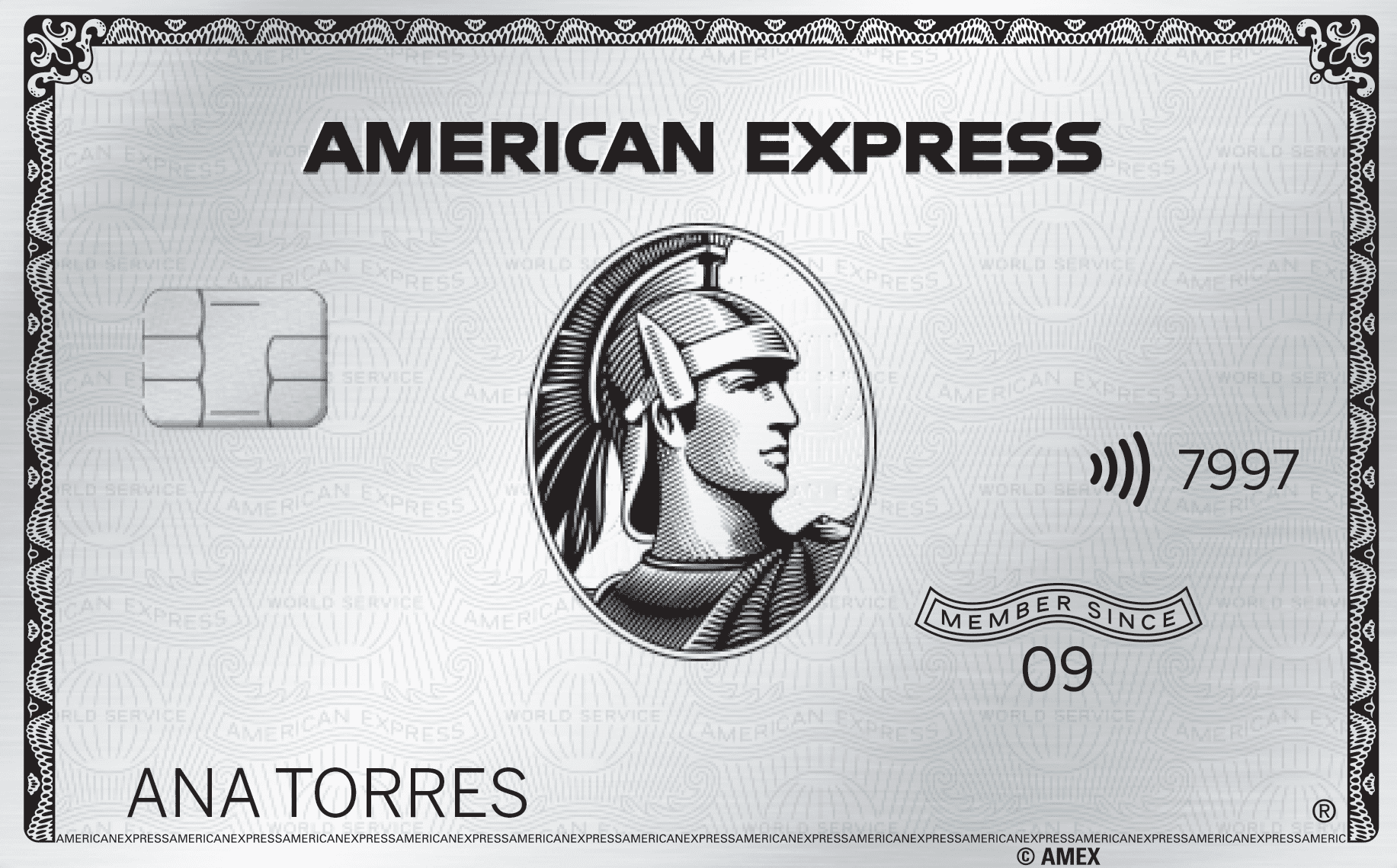
Historically, American Express was famous for its charge cards, such as the iconic Green, Gold, and Platinum cards. Unlike a traditional credit card, a charge card traditionally requires the balance to be paid in full every month. From a financial management standpoint, this encourages fiscal discipline. Because there is no “revolving” credit line with a predetermined limit in the traditional sense, charge cards offer “no preset spending limit,” which fluctuates based on the user’s financial profile, payment history, and resources. This makes them a powerful tool for high-net-worth individuals who need to make large purchases without hitting a hard credit ceiling.
Revolving Credit Lines and Flexibility
In addition to its charge cards, Amex offers a standard array of credit cards, such as the Blue Cash Everyday or the EveryDay Credit Card. These function like typical bank cards, allowing users to carry a balance from month to month while accruing interest. For those focused on business finance or personal liquidity, these cards provide a revolving line of credit that can be used to manage short-term expenses. Recently, Amex has blurred the lines by introducing “Pay Over Time” features on their charge cards, effectively giving users the choice to treat certain purchases as revolving debt, providing a hybrid financial tool for modern consumers.
The Advantage of the Closed-Loop System
Because Amex acts as both the issuer and the network, they have access to “Level 3” data—detailed information about what is being bought, not just where it is being bought. This integrated system allows Amex to offer highly tailored financial products and superior fraud protection. For the user, this translates to a more seamless experience in dispute resolution and specialized financial reporting, which is a significant boon for those tracking rigorous personal or business budgets.
The Mathematics of Membership Rewards: Optimizing Your Return on Spend
For many, the primary reason to use Amex is its proprietary rewards currency: Membership Rewards (MR) points. In the world of personal finance, these points are often viewed as a “shadow currency” that, when managed correctly, can yield a return on investment (ROI) far exceeding traditional cash-back programs.
Earning Potential and Category Multipliers
The strategy of using Amex effectively involves aligning specific cards with spending habits to maximize “point density.” For example, the American Express Gold Card offers high multipliers on groceries and dining, while the Platinum Card focuses on travel. By strategically directing capital through these specific channels, a user can earn between 3% and 5% back in “value” per dollar spent. In a world where high-yield savings accounts struggle to stay ahead of inflation, earning a 5% “rebate” in the form of points on necessary expenses is a sophisticated way to optimize cash flow.
Maximizing Value Through Transfer Partners
The true financial power of Amex lies not in redeeming points for gift cards or statement credits—which often yields a poor 0.6 to 1 cent per point—but in leveraging their network of airline and hotel transfer partners. By transferring MR points to partners like British Airways, Delta, or Hilton, savvy users can often achieve a valuation of 2 or even 3 cents per point. This transformation of everyday spending into high-value travel assets is a cornerstone of “travel hacking,” a subset of personal finance dedicated to reducing the cost of luxury experiences through strategic credit use.
The Annual Fee vs. Value Equation
A critical component of the Amex “Money” niche is the cost-benefit analysis of their annual fees. Amex cards often come with high price tags, sometimes exceeding $695 per year. However, these fees are frequently offset by “credits” for various services (streaming, Uber, specialized retail). A disciplined financial actor treats these fees as a “pre-payment” for services they would already use, effectively lowering their net annual cost and turning the card into a profit-generating tool rather than an expense.
Amex for Business: Managing Corporate Finance and Cash Flow
Beyond individual use, American Express is a titan in the realm of business finance. For small business owners and corporate treasurers, an Amex account is often a primary vehicle for managing working capital.
Working Capital Solutions and Extended Terms
Amex Business cards are designed to help companies manage the “cash flow gap”—the time between paying suppliers and receiving payment from customers. Certain business cards offer “extended payment terms,” allowing businesses to hold onto their cash for an extra 30 to 60 days without incurring interest. In the world of business finance, this liquidity is invaluable, as it allows for inventory scaling or emergency repairs without the need for a formal bank loan or line of credit.
Expense Management and Integration
Modern business finance requires granular data. Amex provides robust integration with accounting software like QuickBooks and Xero. This automation reduces the administrative burden of bookkeeping and ensures that every dollar spent is categorized for tax purposes. For companies with multiple employees, Amex allows for the issuance of employee cards with individual spending limits, providing a centralized platform to monitor corporate outflows in real-time.
Vendor Payment Direct (VPD)
One of the lesser-known but powerful financial tools offered by Amex is the ability to pay vendors who do not traditionally accept credit cards. Through various “Bill Pay” integrations, businesses can use their Amex line of credit to pay suppliers via ACH or check. While there is often a fee for this service, the ability to earn points on massive capital expenditures (like rent or raw materials) and the 30-day float on the cash can be a strategic move for a growing company’s balance sheet.
Personal Banking and Future-Proofing Wealth
In recent years, American Express has expanded its reach beyond the plastic in your wallet and into the broader financial services sector. It has evolved into a full-service digital bank, offering products designed to help users grow their wealth.
High-Yield Savings Accounts (HYSA)
For those focused on low-risk investing and emergency funds, the American Express National Bank offers high-yield savings accounts. These accounts typically offer interest rates significantly higher than the national average found at traditional “brick-and-mortar” banks. Because Amex has a lower overhead as a primarily digital bank, they can pass those savings on to the consumer in the form of higher APYs (Annual Percentage Yields).
Certificates of Deposit (CDs) and Personal Loans
Amex also offers Certificates of Deposit for those looking to lock in interest rates for a set period, providing a predictable return on investment. Furthermore, for users looking to consolidate high-interest debt, Amex offers personal loans with competitive rates to their existing cardmembers. This creates a “one-stop-shop” for financial health, where a user can manage their spending, their savings, and their debt obligations under a single, trusted institutional umbrella.
Financial Protection and Insurance
Part of comprehensive money management is risk mitigation. Amex is famous for its “built-in” financial protections, including purchase protection, extended warranties, and trip cancellation insurance. For a consumer, this acts as a form of “hidden” wealth preservation. If a $1,500 laptop is stolen or a $3,000 vacation is canceled due to illness, Amex’s insurance policies often cover the loss. In a personal finance context, this replaces the need for third-party insurance and protects the individual’s net worth from unforeseen shocks.

Conclusion: Amex as a Pillar of Financial Strategy
To ask “What is Amex?” is to explore a multifaceted engine of modern finance. It is an ecosystem that rewards disciplined spending, provides critical liquidity for businesses, and offers secure avenues for wealth accumulation through its banking products.
Whether you are a young professional looking to maximize your “return on spend” via Membership Rewards, or a business owner seeking to optimize your accounts payable through a Business Platinum card, American Express serves as a sophisticated financial partner. In the “Money” niche, Amex is not just a way to pay; it is a strategic tool for those who view their personal and business finances as a platform for growth. By understanding the nuances of its cards, its rewards, and its banking services, individuals can navigate the financial landscape with greater precision, security, and profitability.
aViewFromTheCave is a participant in the Amazon Services LLC Associates Program, an affiliate advertising program designed to provide a means for sites to earn advertising fees by advertising and linking to Amazon.com. Amazon, the Amazon logo, AmazonSupply, and the AmazonSupply logo are trademarks of Amazon.com, Inc. or its affiliates. As an Amazon Associate we earn affiliate commissions from qualifying purchases.