
In the landscape of global commodities and retail business models, few products offer the intersection of cultural ubiquity and high-margin profitability quite like the Americano. To the uninitiated, an Americano is simply a shot of espresso diluted with hot water. However, to the investor, the entrepreneur, and the financial analyst, the Americano represents a masterclass in cost-of-goods-sold (COGS) optimization and a cornerstone of the modern specialty coffee economy.
Understanding the Americano requires looking beyond the cup. It is a product born of necessity—historically attributed to American soldiers in Italy during World War II who found local espresso too strong and sought to replicate the larger, more diluted profile of drip coffee from home. Today, that historical pivot has evolved into one of the most resilient revenue drivers in the $400 billion global coffee market.
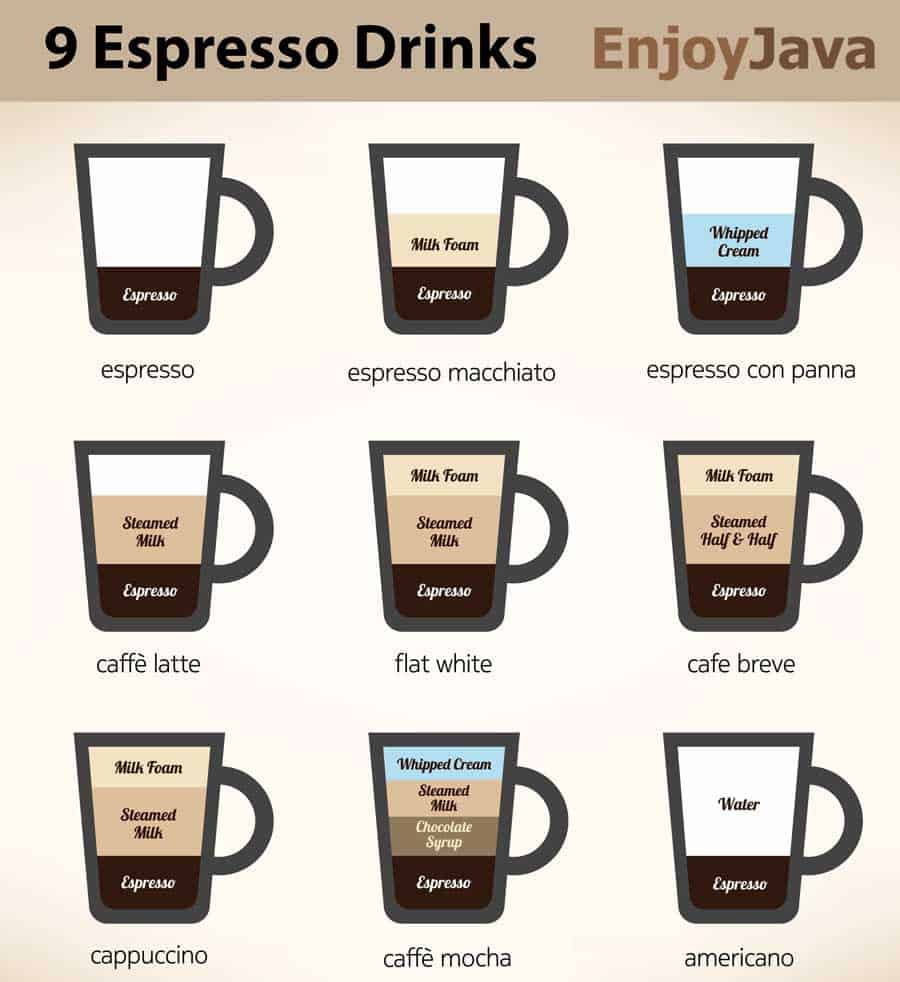
The Economics of the Americano: Why Simplicity Equals High Margins
The fundamental allure of the Americano from a business finance perspective is its lean production profile. Unlike milk-based espresso drinks such as lattes or flat whites, the Americano relies on only two ingredients: coffee beans and water. This simplicity is its greatest financial strength.
Low Cost of Goods Sold (COGS)
When analyzing the unit economics of a standard beverage menu, dairy (or dairy alternatives) typically represents the most significant variable cost. Milk prices are volatile, subject to agricultural shifts, and require specialized cold-chain logistics. By eliminating the milk component, the Americano drastically reduces the COGS per unit.
A standard 12-ounce Americano typically utilizes 18 to 20 grams of roasted coffee. Given current specialty coffee wholesale prices, the raw cost of the beans might range from $0.25 to $0.45. When you add the cost of a disposable cup, lid, and filtered water, the total variable cost often sits well under $0.70. With retail prices in urban markets frequently exceeding $3.50 or $4.00, the gross margin on an Americano often surpasses 80%, outperforming almost every other item on a café’s menu.
Operational Efficiency and Labor Costs
Beyond the ingredients, the Americano is a champion of operational throughput. In the retail finance world, time is a direct proxy for labor cost. Preparing a latte requires a barista to steam milk—a process that takes 30 to 45 seconds of active attention and limits the number of drinks produced per hour during peak morning rushes.
An Americano, by contrast, requires only the time to pull an espresso shot. The addition of hot water is instantaneous via a dedicated tap. This allows a high-volume café to process more transactions per labor hour, effectively lowering the “labor cost per cup” and increasing the overall Return on Assets (ROA) for the espresso machine itself.
Market Positioning and the Value Proposition of the Americano
From a brand strategy and marketing perspective, the Americano serves a specific segment of the consumer base: the “pureist” and the “efficiency-seeker.” Understanding the financial behavior of these segments is key to maximizing revenue.
The Psychology of Pricing
There is a fascinating psychological gap in how consumers perceive the value of an Americano versus standard drip coffee. While both are essentially “black coffee,” the Americano is perceived as a premium, handcrafted product because it utilizes the espresso machine—a high-value capital asset.
This perception allows businesses to price the Americano significantly higher than batch-brewed drip coffee, despite the labor and ingredient costs being comparable or sometimes even lower. This “premiumization” of hot water and espresso is a classic example of value-based pricing, where the price is determined by the consumer’s perceived utility rather than the literal cost of production.

Catering to the “Austerity” Consumer Trend
In periods of high inflation or economic downturns, consumer spending habits shift. We have observed a trend where “affordable luxuries” remain resilient, but consumers may trade down within a category. A customer who previously purchased a $6.00 seasonal latte may shift to a $4.00 Americano to save money while still participating in the daily ritual of professional coffee consumption. For the business owner, this transition is actually beneficial; although the top-line revenue is lower, the profit margin on the Americano is often higher than the complex latte, preserving the bottom line during lean economic cycles.
Scaling the Americano Model: Investing in the Modern Coffee Business
For investors looking at the “Side Hustle” or “Small Business” sector, the Americano-centric model offers a lower barrier to entry than full-service food operations. The rise of mobile espresso carts and “hole-in-the-wall” kiosks relies heavily on the profitability of espresso-and-water drinks.
ROI on Equipment and Infrastructure
The primary capital expenditure (CAPEX) for a coffee business is the espresso machine and grinder setup, which can range from $10,000 to $30,000 for commercial-grade equipment. To calculate the Return on Investment (ROI), one must look at the “payback period”—the time it takes for the gross profit of the drinks sold to cover the initial equipment cost.
Because the Americano has such a high margin, it accelerates this payback period. A business that sells 50 Americanos a day with a $3.00 profit margin per cup generates $150 in daily gross profit. Over a standard business year, that single menu item can contribute over $50,000 toward operating expenses and debt service, making it a vital component of any financial feasibility study for a new café.
The Subscription Economy and Daily Coffee Habits
Many tech-forward coffee brands are now utilizing subscription models to secure recurring revenue. The Americano is the ideal candidate for “unlimited” coffee subscriptions. Because the marginal cost of producing one additional Americano is so low (roughly the cost of 20 grams of beans), businesses can offer subscription tiers that drive massive foot traffic without significantly increasing their variable expenses. Once the customer is in the door for their “free” Americano, the capture rate for high-margin add-ons like pastries or retail beans increases, driving up the Average Transaction Value (ATV).
Global Trends and Future Financial Projections
The future of the Americano is tied to the broader “C-market” (the commodity market for coffee) and the shift toward specialty-grade consumption in emerging economies.
Emerging Markets and the Growth of Espresso-Based Cultures
As middle-class populations grow in regions like Southeast Asia and parts of Africa, the demand for “Western-style” coffee experiences has surged. The Americano is often the “entry-point” espresso drink in these markets. It is more sophisticated than instant coffee but more accessible and affordable than milk-heavy drinks. For international investors, the scalability of the Americano model in these high-growth regions is a primary focus for venture capital in the food and beverage space.
ESG and Sustainability in the Supply Chain
The financial health of the coffee industry is increasingly tied to Environmental, Social, and Governance (ESG) factors. Climate change poses a direct threat to the supply of Arabica beans, which could drive up the cost of espresso. However, the Americano remains a more sustainable choice financially and environmentally. It has a lower carbon footprint than milk-based drinks (due to the elimination of dairy farming impacts) and is less susceptible to the supply chain shocks that frequently hit the dairy and sugar industries.
Furthermore, as consumers become more conscious of “Fair Trade” and “Direct Trade” practices, the Americano allows the quality of the bean to take center stage. This transparency allows specialty roasters to justify higher price points, as the consumer is paying for the integrity of the bean rather than the masking flavors of syrups and creams.
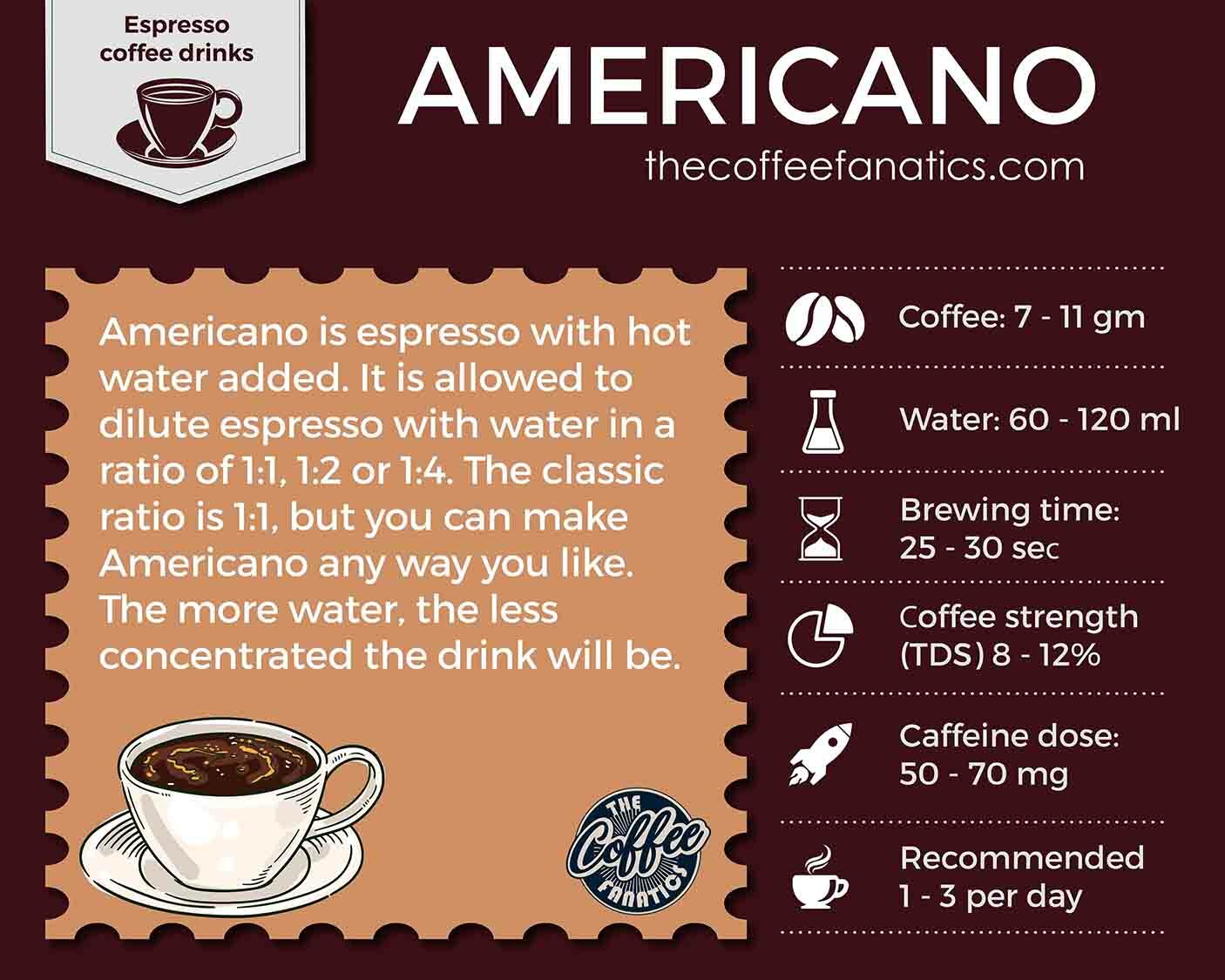
Conclusion: The Bottom Line on the Americano
To answer the question “What is an Americano coffee drink?” through a financial lens is to describe a perfect retail product. It is a beverage that utilizes high-value capital equipment to transform low-cost raw materials into a premium-priced consumer staple. It boasts high margins, low waste, and exceptional operational efficiency.
For the entrepreneur, it is the bedrock of a stable menu. For the investor, it is a high-yield asset in a volatile commodity market. While it may have started as a simple dilution of espresso for soldiers in Italy, it has become a sophisticated financial instrument in the global economy, proving that in business, sometimes the simplest products offer the most complex and rewarding financial returns. Whether you are analyzing a local side hustle or a multinational coffee conglomerate, the Americano remains a definitive case study in how to scale simplicity into a multi-billion dollar success story.
aViewFromTheCave is a participant in the Amazon Services LLC Associates Program, an affiliate advertising program designed to provide a means for sites to earn advertising fees by advertising and linking to Amazon.com. Amazon, the Amazon logo, AmazonSupply, and the AmazonSupply logo are trademarks of Amazon.com, Inc. or its affiliates. As an Amazon Associate we earn affiliate commissions from qualifying purchases.