
For millions of Americans, the call of the wild is a budget-conscious pursuit. Whether you are planning a cross-country road trip through the national parks or seeking a cost-effective way to enjoy weekend escapes into nature, the “America the Beautiful” pass—officially known as the National Parks and Federal Recreational Lands Pass—is the single most effective financial tool for outdoor enthusiasts. Understanding how this pass functions is not just about logistics; it is about strategic financial planning for your travel lifestyle. By shifting from a “pay-per-entry” model to a “subscription-based” model, you can significantly reduce your discretionary travel expenses and maximize the utility of your leisure budget.
The Economics of the Annual Pass
At its core, the America the Beautiful pass is a prepaid annual commitment that grants the bearer access to over 2,000 federal recreation sites. When analyzing this from a personal finance perspective, the pass functions as a hedge against inflation and rising entry fees.
Cost-Benefit Analysis
The standard annual pass is priced at $80. To determine if this investment makes financial sense for your specific travel habits, you must compare this one-time cost against the price of individual vehicle entry fees. Most premier national parks, such as Yosemite, Zion, or Grand Canyon, charge between $30 and $35 per vehicle for a seven-day permit.
If your travel itinerary includes visiting three or more parks within a twelve-month period, the pass effectively pays for itself. Once that third park is crossed off your list, every subsequent visit for the remainder of the year represents pure savings. For the frequent traveler, this creates a “zero-cost” incentive to continue exploring, as the sunk cost of the pass has already been amortized.
Avoiding “Fee Creep”
Government agencies periodically adjust entry fees to manage maintenance costs and infrastructure improvements. By purchasing an annual pass, you lock in your recreational access costs at the current rate, effectively insulating your travel budget from potential price hikes throughout the validity period of your pass. From a cash flow management standpoint, buying the pass at the beginning of your fiscal year or travel season allows you to categorize this as a single, predictable line item rather than tracking dozens of small, variable transaction fees on your credit card statement.
Understanding Coverage and Limitations
While the pass offers immense value, it is not a “golden ticket” that covers every expense associated with outdoor recreation. Understanding the fine print is essential for accurate budget forecasting.
What the Pass Includes
The pass covers entrance fees for the pass holder and passengers in a single, non-commercial vehicle at per-vehicle fee areas, or the pass holder and up to three additional adults (16 and older) at per-person fee areas. This makes it an incredibly efficient tool for families and carpooling groups, as the financial benefit scales with the number of passengers. Furthermore, the pass covers expanded amenity fees for sites managed by the National Park Service, U.S. Fish and Wildlife Service, Bureau of Land Management, Bureau of Reclamation, and the U.S. Forest Service.

Where the Financial Gaps Exist
It is a common misconception that the pass covers all recreational costs. It is vital to note that the America the Beautiful pass does not cover:
- Camping fees
- Boat launch fees
- Parking fees in specific high-demand urban areas
- Special tour fees (such as cave tours, historic home entry, or guided excursions)
- Concessionaire-operated amenities
If you do not account for these additional costs in your financial planning, you may find your travel budget derailed. The pass is a tool for access, not a tool for all-inclusive travel. Treating it as a base-level entry pass rather than a total travel solution is the best way to maintain a healthy travel budget.
Strategic Acquisition and Lifetime Value
The acquisition of the pass should be approached with the same intentionality as any other financial investment. Timing and eligibility are the two primary levers that can increase the return on your investment.
Timing Your Purchase
The annual pass is valid for 12 months from the month of purchase. Because it is valid through the last day of the month you bought it, many savvy travelers choose to wait until they are actively on the road to activate their purchase. If you buy a pass in October, it remains valid through October of the following year. This flexibility allows you to align your recreational spending with your peak travel seasons, ensuring that the “subscription” period covers the maximum number of trips possible.
Specialized Passes for Long-term Savings
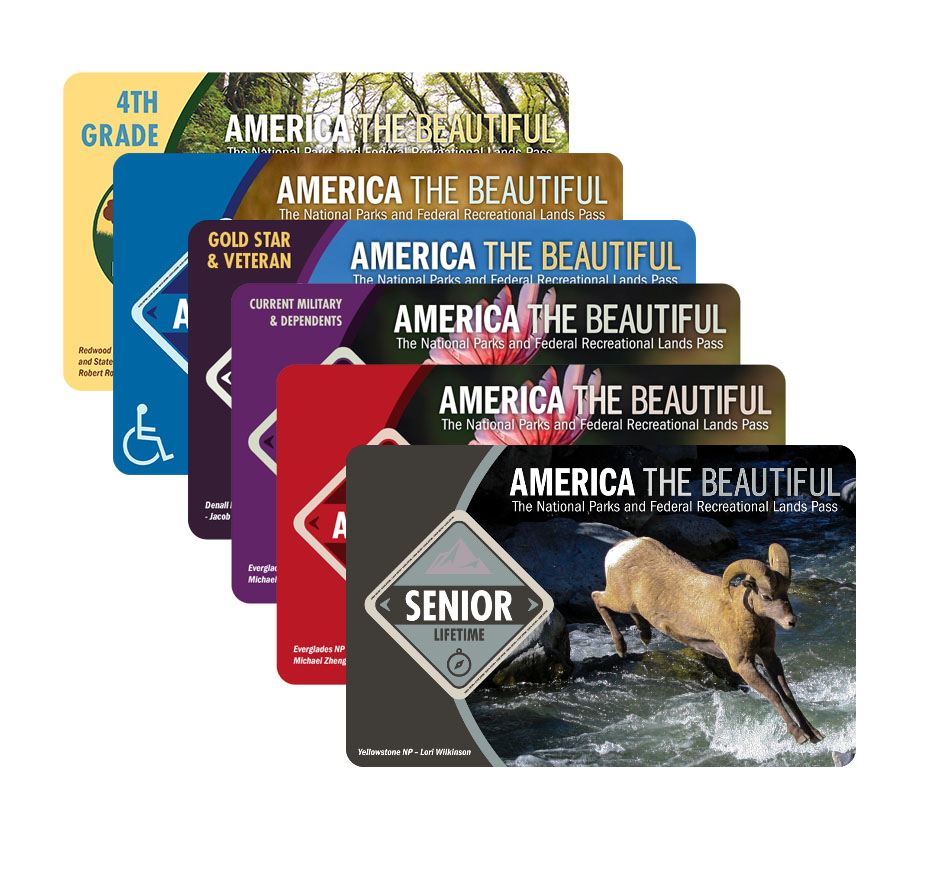
Beyond the standard $80 annual pass, the federal government offers several lifetime or lower-cost variants that represent significant wealth-preservation opportunities for specific demographics:
- Senior Lifetime Pass: For citizens or permanent residents aged 62 or older, a lifetime pass can be purchased for a nominal one-time fee. This is perhaps the greatest “deal” in government-issued assets, effectively eliminating entrance fees for the remainder of one’s life.
- Access Pass: Available to U.S. citizens or permanent residents with permanent disabilities, this lifetime pass provides the same benefits as the annual pass at no cost.
- Military Pass: Active duty military and their dependents, as well as Gold Star Families, can obtain a free annual pass, recognizing the sacrifice of those who serve by lowering the financial barrier to experiencing the land they protect.
- 4th Grade Pass: An excellent initiative that provides a free pass to all fourth-grade students, allowing families to access the federal lands system at no charge, fostering early-stage engagement with the outdoors.
Integrating the Pass into Your Travel Budget
For those who treat travel as a central component of their lifestyle, the America the Beautiful pass should be viewed as a cornerstone of the “Travel” category in your monthly budget.
Amortizing the Cost
If you are planning your annual budget, do not view the $80 as a $80 expenditure. If you intend to take three major trips, your per-trip cost for entrance is effectively $26.66. If you are a digital nomad or an avid hiker who visits parks on a monthly basis, your per-visit cost drops to less than $7 per trip. By calculating your “cost-per-park,” you can better determine the return on your investment and justify the expenditure against other leisure activities that might be more expensive, such as commercial entertainment or high-cost sporting events.
The Tax and Financial Efficiency Perspective
While the pass is generally a personal expense, those who maintain blogs, photography portfolios, or professional outdoor documentation businesses may be able to substantiate the pass as a business expense if it is directly tied to income-generating activities in those locations. Always consult with a tax professional regarding business deductions, but it is worth noting that for those who document the American landscape professionally, this pass is a necessary tool of the trade.
Ultimately, the America the Beautiful pass is more than just a piece of plastic or a digital barcode. It is a strategic financial tool that empowers individuals to reclaim their time and explore the natural world without the friction of micro-transactions. By understanding its limitations, leveraging demographic discounts, and planning your travel cadence to maximize the 12-month validity period, you can effectively optimize your recreation budget and ensure that the cost of entry is never a barrier to your next adventure. In the landscape of personal finance, this pass stands out as a rare example of high utility at a low, fixed price point, providing a gateway to the most valuable assets in the nation.
aViewFromTheCave is a participant in the Amazon Services LLC Associates Program, an affiliate advertising program designed to provide a means for sites to earn advertising fees by advertising and linking to Amazon.com. Amazon, the Amazon logo, AmazonSupply, and the AmazonSupply logo are trademarks of Amazon.com, Inc. or its affiliates. As an Amazon Associate we earn affiliate commissions from qualifying purchases.