
In the landscape of modern personal finance, the “entertainment” column of a household budget is often the most volatile. As theater chains grapple with shifting consumer habits and the rising costs of operations, the price of a standard movie ticket has climbed significantly over the last decade. For the financially savvy consumer, finding avenues to mitigate these costs without sacrificing the cinematic experience is a form of micro-investing in one’s quality of life.
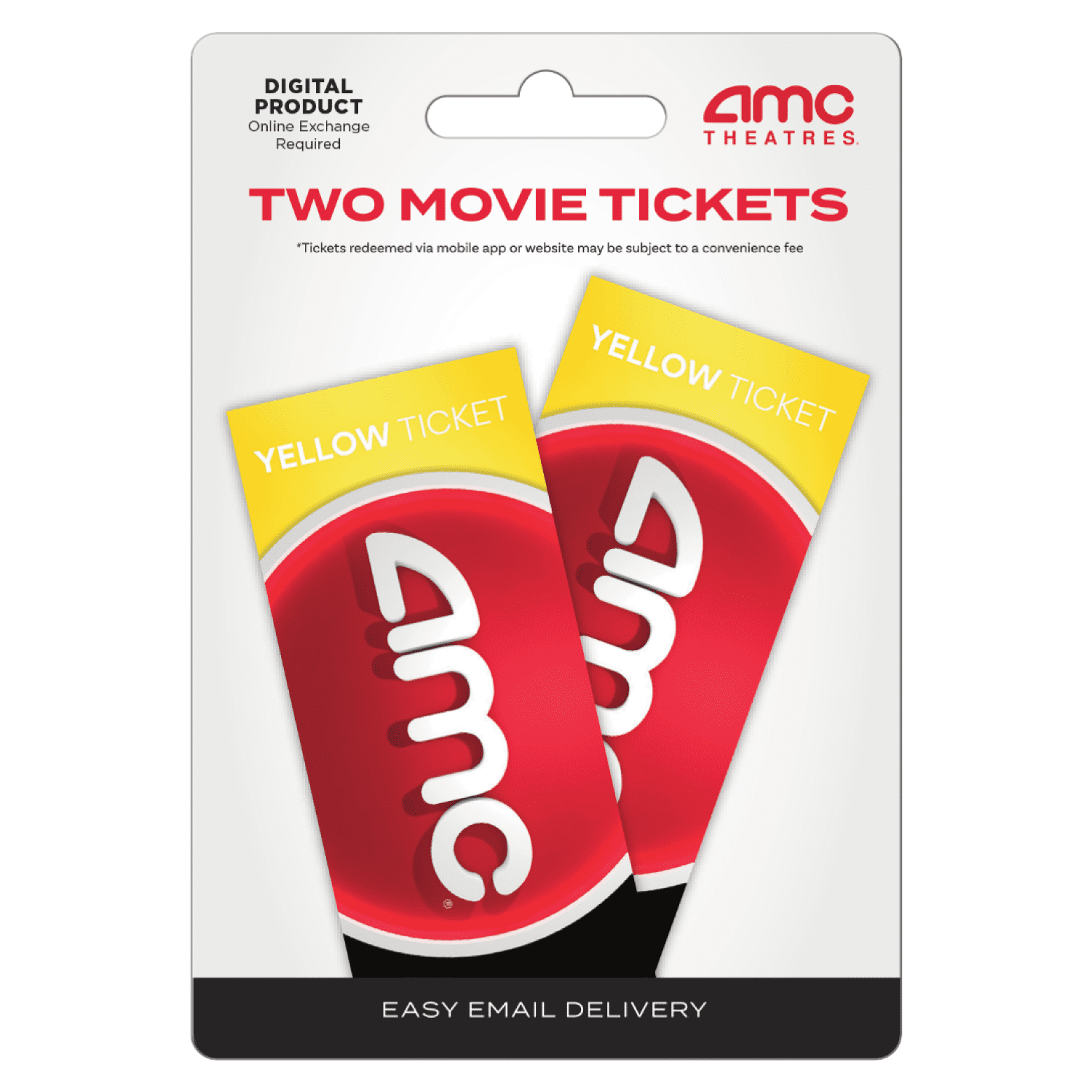
One of the most effective, yet frequently misunderstood, tools in this pursuit is the AMC Yellow Ticket. To the casual observer, it is merely a voucher; however, from a financial perspective, it represents a sophisticated pricing strategy used by AMC Theatres to segment the market and offer discounted access to those willing to navigate specific geographic and procedural constraints. Understanding the AMC Yellow Ticket is essential for anyone looking to optimize their discretionary spending.
Decoding the AMC Discount Ticket System
The AMC Yellow Ticket is a prepaid admission voucher that allows the holder to see one movie at an AMC theater at a significantly reduced rate compared to “at-the-door” box office prices. However, it is not a universal currency. AMC utilizes a color-coded system to manage its revenue streams and account for the high overhead costs associated with certain high-traffic metropolitan markets.
The Core Difference: Yellow vs. Black Tickets
The primary distinction in AMC’s voucher ecosystem lies between the “Black Ticket” and the “Yellow Ticket.” From a financial standpoint, the Black Ticket is a premium, unrestricted asset. It is valid at any AMC location across the United States. In contrast, the Yellow Ticket is a “geographically restricted” asset.
Yellow Tickets are specifically excluded from use in theaters located in California, New York, and New Jersey. This restriction is a direct response to the higher lease agreements, labor costs, and operational taxes in those states. By stripping away the validity in high-cost regions, AMC is able to sell Yellow Tickets at a lower cost basis to consumers in the rest of the country, providing a targeted discount that aligns with regional economic realities.
Pricing Structures and Cost Basis
When evaluating the AMC Yellow Ticket as a financial tool, one must look at the cost-benefit ratio. While a standard evening ticket in a mid-sized market might range from $14 to $18, Yellow Tickets are often procured through secondary markets or bulk-buy programs for between $9 and $11.
This represents a potential savings of 30% to 50% per visit. For a family of four, utilizing Yellow Tickets can reduce the “cost of entry” for a single film from $72 to roughly $44, excluding concessions. In the context of annual budgeting, a frequent moviegoer (once a month) could save over $100 annually by shifting their procurement strategy from direct retail to voucher-based spending.
The Financial Mechanics of Voucher Procurement
The AMC Yellow Ticket is rarely sold directly to the consumer at the box office window. Instead, it functions as a B2B (Business-to-Business) or B2B2C (Business-to-Business-to-Consumer) product. Understanding where these vouchers originate is key to finding the best entry point for your personal finances.
Corporate and B2B Bulk Acquisition
A significant portion of Yellow Ticket sales occurs through corporate wellness and employee incentive programs. Companies purchase these vouchers in massive quantities at a wholesale discount to distribute as rewards or sell to employees at cost. From a corporate finance perspective, this is a low-cost “perk” that carries a high perceived value for the employee.
If you are an employee of a large corporation or a member of a union, checking your internal “benefits portal” is often the most direct way to find Yellow Tickets at their lowest possible price point. This removes the “middleman” markup often found on third-party resale sites.
Consumer-Facing Discount Channels
For those without access to corporate perks, the Yellow Ticket is a staple of “warehouse club” economics. Entities like AAA, Costco, and Sam’s Club frequently offer bundles of AMC Yellow Tickets. These organizations leverage their massive membership bases to negotiate bulk rates with AMC, passing a portion of those savings on to the member.
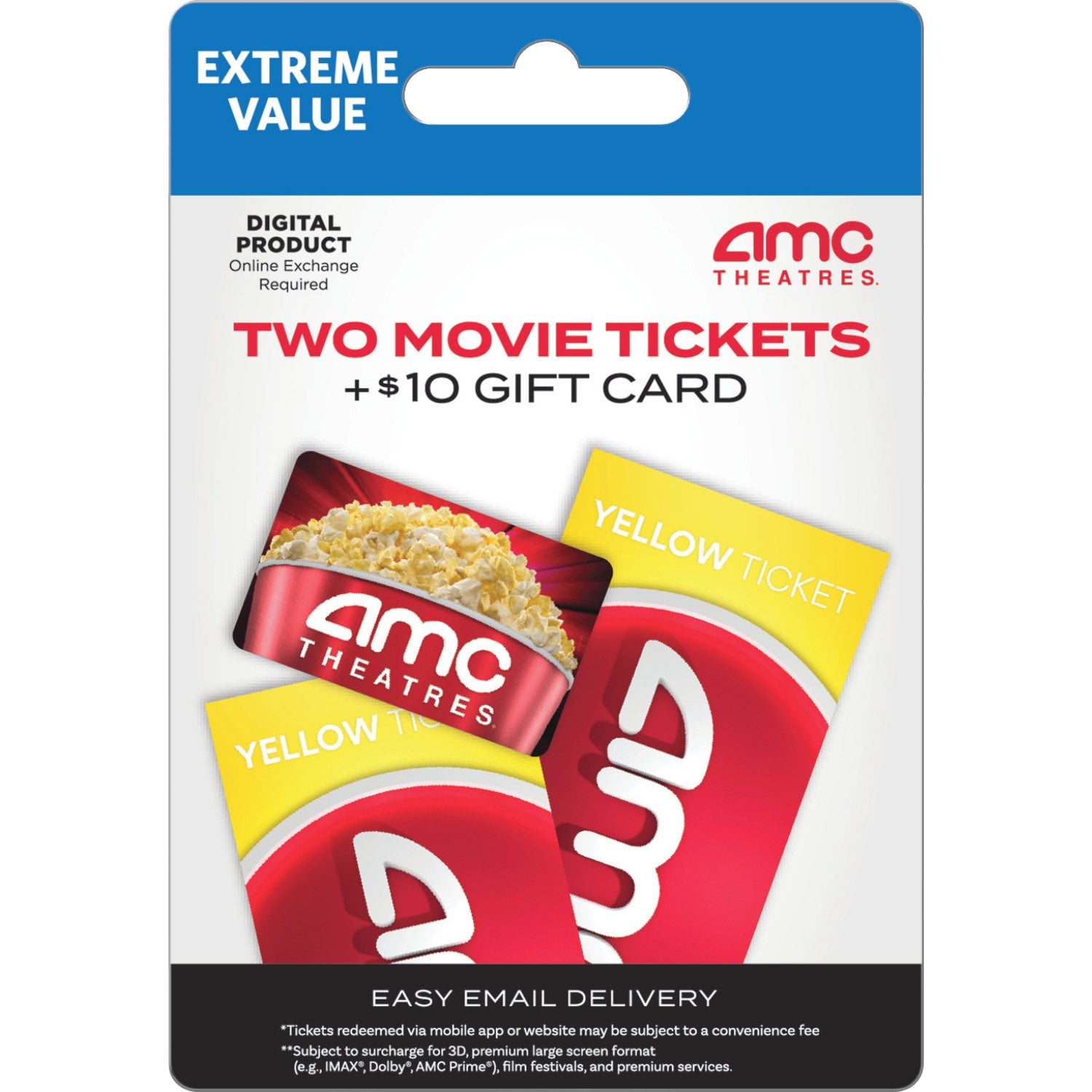
When purchasing through these channels, the “unit price” is the metric that matters. Often, these tickets are sold in packs of two, five, or ten. From a cash-flow perspective, while the upfront cost is higher than a single ticket, the “cost per unit” is minimized, effectively locking in a lower price for future entertainment and hedging against potential theater price hikes later in the fiscal year.
Navigating Geographic and Tiered Surcharges
While the Yellow Ticket offers substantial savings, it is not an “all-inclusive” pass. To maintain its profit margins, AMC implements a series of surcharges that can impact the final financial outcome of using a voucher. A failure to account for these can lead to “fee creep,” where the perceived savings are eroded by unexpected costs at the point of sale.
The Regional Restriction Clause (NY, NJ, CA)
As previously noted, the most significant limitation of the Yellow Ticket is its invalidity in New York, New Jersey, and California. For a consumer living on the border of these states (for example, someone living in Pennsylvania but working in New Jersey), the financial strategy requires careful planning.
Attempting to use a Yellow Ticket in a restricted zone will result in the theater requiring a “location upgrade fee” or, in many cases, outright rejection of the voucher. Financially, if you reside in a restricted state, purchasing Yellow Tickets is a poor investment; you are better off allocating funds toward Black Tickets or the AMC Stubs A-List subscription model, which offers a different value proposition.
Managing Upcharges for Premium Formats
The base value of a Yellow Ticket covers a standard 2D digital screening. However, the modern cinema experience often involves premium formats such as IMAX, Dolby Cinema, RealD 3D, and Prime at AMC.
From a budget perspective, it is important to know that a Yellow Ticket functions as a “credit” toward the base ticket price. If you choose to see a movie in IMAX, you will be required to pay an out-of-pocket surcharge (often ranging from $4 to $8). When calculating the ROI of your Yellow Ticket, you must factor in these surcharges. If the surcharge plus the cost of the voucher equals the price of a standard retail ticket, the financial advantage of the voucher is nullified. Therefore, Yellow Tickets are most economically efficient when used for high-demand 2D screenings where the gap between the voucher cost and the retail price is at its widest.
Integrating Movie Vouchers into a Personal Finance Strategy
Treating entertainment spending with the same rigor as an investment portfolio can lead to significant long-term savings. The AMC Yellow Ticket should be viewed as a “prepaid asset” that requires management.
Cost-Per-Use Analysis
To truly understand the value, one should perform a simple cost-per-use analysis.
- Scenario A: Buying a ticket at the theater for $16.50.
- Scenario B: Buying a Yellow Ticket for $10.50 + a $1.50 online booking fee (if applicable).
In Scenario B, you are realizing a 27% return on your capital compared to the retail price. However, many consumers forget that AMC Stubs members (the theater’s loyalty program) often have waived online fees. By pairing a Yellow Ticket with a “Premiere” or “A-List” membership, you can further eliminate the transactional frictions that eat into your savings.

Avoiding Value Depreciation and Expiration
One of the greatest risks in any prepaid voucher system is “breakage”—the industry term for vouchers that are purchased but never used. If you buy a 10-pack of Yellow Tickets to save $50, but fail to use three of them, you have effectively lost money.
Fortunately, most modern AMC Yellow Tickets do not have expiration dates (subject to state laws), but they do carry the risk of inflation. While the voucher will always be good for one movie, the “surcharges” for premium formats may rise over time. From a financial management standpoint, it is best to treat Yellow Tickets as “near-term assets”—purchasing only what you realistically expect to use within a 6-to-12-month window. This ensures that your capital isn’t tied up in an illiquid asset that provides no interest, while still protecting you from sudden spikes in movie theater pricing.
In conclusion, the AMC Yellow Ticket is more than just a piece of paper or a digital code; it is a strategic instrument for middle-market moviegoers. By understanding the geographic restrictions, the bulk-acquisition channels, and the surcharge mechanics, a consumer can effectively lower their cost of entertainment, allowing those redirected funds to be allocated toward higher-priority financial goals like savings or debt reduction. In the game of personal finance, every dollar saved on discretionary spending is a dollar earned toward financial independence.
aViewFromTheCave is a participant in the Amazon Services LLC Associates Program, an affiliate advertising program designed to provide a means for sites to earn advertising fees by advertising and linking to Amazon.com. Amazon, the Amazon logo, AmazonSupply, and the AmazonSupply logo are trademarks of Amazon.com, Inc. or its affiliates. As an Amazon Associate we earn affiliate commissions from qualifying purchases.