
In an era defined by readily available home entertainment and an increasingly fragmented leisure market, legacy brands face the constant challenge of reinvention. For the cinema industry, this imperative has been particularly acute, necessitating innovative approaches to lure audiences back into physical theaters. Among the pioneers in this transformation is AMC Theatres, and its “AMC Dine-In” concept stands as a compelling case study in brand strategy, corporate identity evolution, and customer experience design. More than just a cinema with food, AMC Dine-In represents a deliberate and nuanced redefinition of the moviegoing experience, positioning AMC not merely as a venue for film exhibition, but as a holistic entertainment destination.
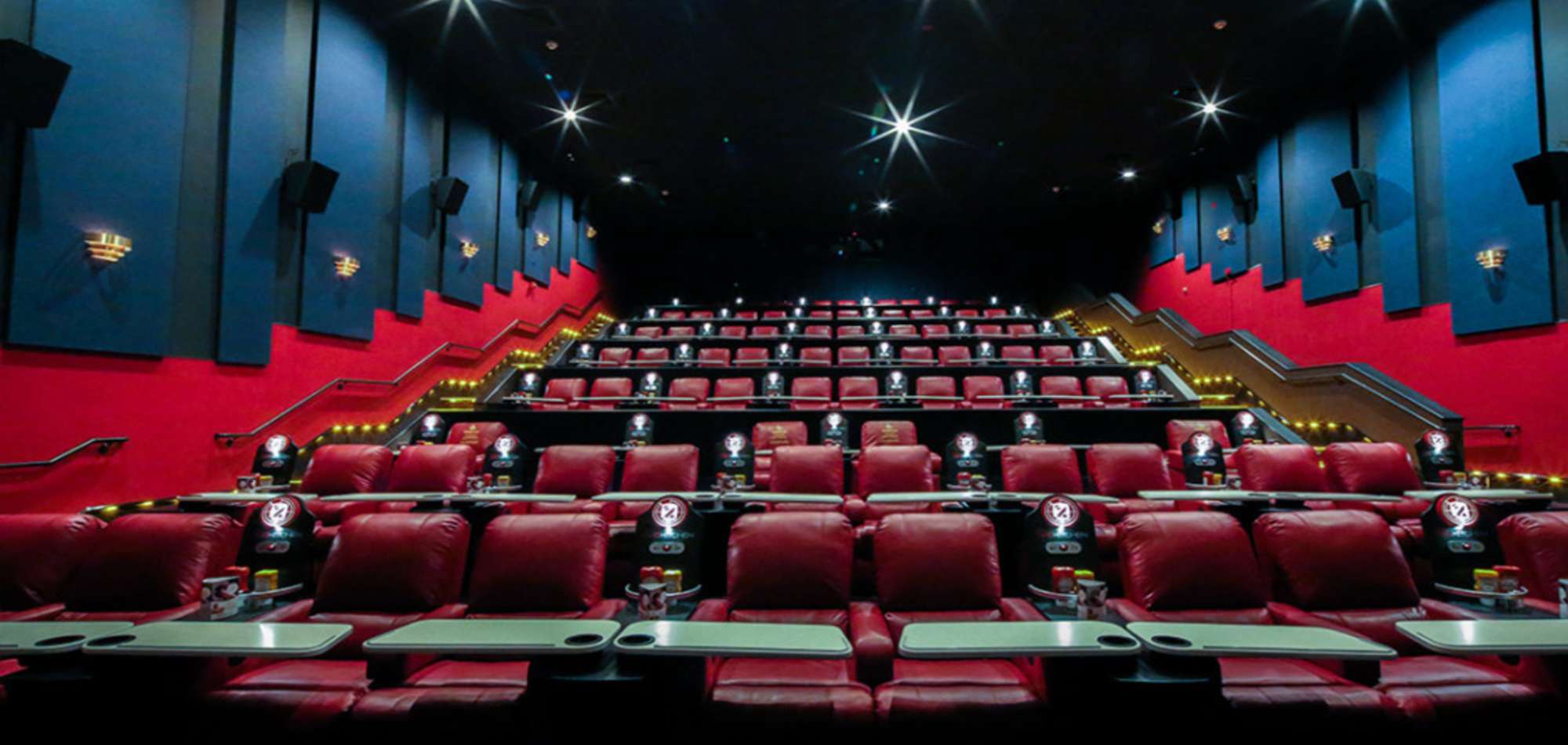
At its core, AMC Dine-In is an integrated service offering that merges the traditional cinematic presentation with a full-service restaurant experience. This means patrons can enjoy a complete meal, often including appetizers, entrees, desserts, and alcoholic beverages, served directly to their comfortable, reclining seats while watching a film. This seamless convergence of dining and viewing challenges long-held perceptions of what a movie theater can be, moving beyond the concession stand’s familiar offerings of popcorn and soda to a sophisticated culinary journey. From a branding perspective, this move signifies a strategic pivot—a conscious effort to elevate AMC’s corporate identity, enrich its brand promise, and carve out a distinct niche in a competitive market.
Redefining the Cinematic Experience: The Core of AMC Dine-In’s Brand Promise
The brand promise of AMC Dine-In is centered on delivering an unparalleled, comfortable, and convenient entertainment experience. It’s about transforming a routine outing into a premium event, appealing to consumers who seek more value and convenience from their leisure activities. This fundamental shift in offering has profound implications for how AMC is perceived and how it competes.
Beyond Popcorn: A Culinary & Comfort Revolution
Historically, the cinematic experience was largely standardized: a darkened auditorium, a large screen, and the ubiquitous popcorn and soda. AMC Dine-In shatters this convention by introducing a restaurant-quality menu, meticulously crafted to be enjoyed in a dimly lit theater setting. This isn’t merely about adding food; it’s about a culinary revolution within the cinema space. The brand communicates quality and variety, from gourmet burgers and artisan pizzas to sophisticated salads and decadent desserts. This expansion of the menu directly impacts the brand’s perception, transforming it from a simple film venue into a legitimate dining establishment.
Coupled with the culinary upgrade is a significant enhancement in comfort. AMC Dine-In theaters typically feature luxurious, power-reclining seats, often with ample personal space and a swivel table for dining. This commitment to comfort is a powerful brand differentiator, addressing one of the common pain points of traditional moviegoing—uncomfortable seating. By prioritizing the physical comfort of its patrons, AMC reinforces a brand identity rooted in premium service and thoughtful design, elevating the entire experience from a passive viewing to an active indulgence.
The Integrated Experience: Seamless Service Design
A critical component of AMC Dine-In’s brand success lies in its seamless integration of dining and viewing. This is not a matter of simply having a restaurant next to a cinema; it’s about a choreographed service design that delivers food and beverages unobtrusively during the film. Patrons order from their seats via a call button or mobile app, and trained servers discreetly deliver orders, minimizing disruption to the movie experience. This intricate dance of service logistics is a hallmark of AMC’s commitment to its brand promise of convenience and luxury.
The integrated nature of the experience reflects a deep understanding of consumer psychology: modern audiences value efficiency and effortlessness. By removing the need to dine before or after the movie, and eliminating queues at concession stands, AMC Dine-In streamlines the entire outing. This efficiency contributes significantly to the brand’s appeal, positioning it as a time-saving, stress-reducing entertainment option that respects the customer’s desire for a frictionless experience. It’s an operationalization of the brand strategy to provide an all-in-one entertainment solution.
Elevating Expectations: Premiumization as a Brand Differentiator
In an increasingly commoditized market, differentiation is key to brand longevity. AMC Dine-In serves as a powerful vehicle for premiumization, allowing AMC to command higher ticket prices and generate greater revenue per patron. By offering an elevated experience—gourmet food, luxurious seating, and tableside service—the brand justifies a premium price point, targeting a demographic willing to pay more for added comfort, convenience, and quality.
This strategy effectively re-segments the market, allowing AMC to attract customers who might otherwise opt for a higher-end restaurant or stay home. The “Dine-In” concept communicates exclusivity and a superior offering, fundamentally reshaping the customer’s expectation of what a cinema visit entails. It’s a move that not only sets AMC apart from traditional cinemas but also positions it competitively against other forms of experiential entertainment, from live shows to upscale dining.
Strategic Imperative: Why AMC Embraced Dine-In
The decision to invest heavily in the Dine-In model wasn’t a whim; it was a calculated strategic imperative driven by shifts in consumer behavior, technological advancements in home entertainment, and the evolving economic landscape of the exhibition industry. From a brand strategy perspective, it was about ensuring future relevance and growth.
Combating Home Entertainment & Streaming Giants
The rise of streaming services like Netflix, Hulu, and Disney+, coupled with sophisticated home theater systems, presented an existential threat to traditional cinemas. The convenience and ever-expanding content libraries of home entertainment made staying in an increasingly attractive option. AMC Dine-In was a strategic response to this challenge, designed to create an “out-of-home” experience so compelling and unique that it couldn’t be replicated at home.
The brand’s messaging subtly, or sometimes overtly, highlights the unique social and sensory aspects of going out—the communal experience, the massive screen, the immersive sound, and now, the luxury dining. This counter-narrative repositions AMC as a purveyor of an unparalleled social and sensory event, rather than just a place to watch a movie. It’s a testament to a brand fighting for its relevance by doubling down on what makes the physical experience inherently different and superior to its digital counterparts.
Diversifying Revenue Streams & Enhancing Customer Lifetime Value
Beyond combating competition, AMC Dine-In is a smart business move aimed at diversifying revenue streams and increasing customer lifetime value. Traditional cinemas rely heavily on ticket sales and concession markups for profitability. By integrating a full-service restaurant, AMC significantly expands its revenue potential per customer visit. Food and beverage sales become a much more substantial contributor, often surpassing ticket revenue in terms of profitability.
From a branding perspective, this diversification strengthens AMC’s overall financial health, allowing for continued investment in brand innovation and infrastructure. Furthermore, a positive Dine-In experience encourages repeat visits, building customer loyalty and enhancing customer lifetime value. A satisfied customer who enjoys both the movie and the meal is more likely to return, becoming an advocate for the brand. This strategy moves beyond transactional interactions to foster deeper, more valuable relationships with its audience.
Appealing to Evolving Consumer Demands for Experience
Modern consumers, particularly younger demographics, increasingly prioritize experiences over material possessions. They seek memorable, shareable moments that offer value beyond the functional. AMC Dine-In directly taps into this trend, positioning itself as an experiential brand. It’s not just about seeing a movie; it’s about the entire evening out—a date night, a special occasion, or a luxurious escape.
The brand’s ability to cater to these evolving demands reflects its agility and foresight. By creating a multi-faceted experience that combines film, food, and comfort, AMC aligns its offerings with contemporary lifestyle preferences. This strategic alignment ensures the brand remains relevant and attractive to new generations of moviegoers, securing its place in the broader entertainment landscape by offering a distinct value proposition built around holistic experience.
Building a Distinct Brand Identity: Marketing and Perception
The success of AMC Dine-In isn’t just in its offering but also in how that offering is communicated and perceived. Building a distinct brand identity requires meticulous marketing, careful narrative crafting, and an understanding of how design influences experience.
Crafting the Dine-In Narrative: Messaging and Positioning

AMC’s marketing for its Dine-In concept carefully crafts a narrative around luxury, convenience, and an elevated experience. Messaging moves away from purely promoting films to highlighting the unique combination of entertainment and culinary delight. The positioning emphasizes “your night out, perfected,” “indulgence,” and “unforgettable moments.” This narrative is crucial for shaping consumer expectations and differentiating the Dine-In brand from standard AMC theaters and other entertainment options.
Visuals in marketing materials often showcase elegant food presentations, comfortable recliner seats, and happy, engaged patrons. This aspirational branding is designed to appeal to those seeking a higher-quality leisure activity. The brand story focuses on transforming the mundane into the magical, suggesting that an AMC Dine-In visit is not just a movie, but an event.
The Role of Ambiance and Interior Design in Brand Experience
The physical environment plays a critical role in shaping the brand experience of AMC Dine-In. Interior design choices, from the lobby to the auditoriums, are meticulously planned to reinforce the premium, comfortable, and sophisticated brand identity. Lounges and bar areas in Dine-In locations often feature contemporary decor, comfortable seating, and mood lighting, creating an inviting pre- or post-movie atmosphere.
Inside the auditoriums, the spacious layout, plush seating, and individual tables contribute to a sense of exclusivity and personalized service. Even the selection of cutlery and serving dishes plays a part in the overall aesthetic and perception of quality. These design elements are not incidental; they are fundamental components of the brand experience, designed to immerse the customer in a consistent and luxurious environment that aligns with the Dine-In promise.
Leveraging Word-of-Mouth and Social Proof for Brand Advocacy
In the digital age, authentic advocacy is gold for any brand. AMC Dine-In benefits significantly from word-of-mouth marketing and social proof. Patrons are encouraged to share their experiences, whether through social media posts showcasing their gourmet meals in the theater or reviews praising the comfort and service. This organic spread of positive feedback is invaluable, as it builds trust and credibility far more effectively than traditional advertising.
The “shareable” nature of the Dine-In experience—from the novelty of eating a full meal in a cinema to the sheer comfort of the recliners—makes it inherently conducive to social media engagement. This viral potential is a powerful asset for the brand, turning satisfied customers into effective, unpaid marketers who broaden AMC’s reach and reinforce its premium identity among their networks.
Operationalizing the Brand Promise: Challenges and Successes
Translating a grand brand vision into a consistent, high-quality customer experience is rarely without its challenges. For AMC Dine-In, operationalizing the brand promise required significant innovation and attention to detail.
Logistical Complexities: Service Delivery at Scale
Operating a full-service restaurant within a movie theater presents formidable logistical challenges. Managing a kitchen, preparing food to order, and discreetly delivering meals to hundreds of patrons in a darkened auditorium while a film is playing requires a sophisticated operational model. The brand had to invest heavily in specialized kitchen equipment, efficient workflow designs, and technology solutions to manage orders and deliveries.
Success in this area means patrons receive hot, fresh food promptly and without interruption to their viewing. Failure, conversely, could undermine the entire brand promise of seamless luxury. AMC’s commitment to overcoming these complexities underscores its dedication to making the Dine-In concept a success, continually refining its operations to meet the high standards it sets for its brand.
Staffing and Training: Upholding Brand Standards
The transition to a Dine-In model necessitated a significant shift in staffing and training requirements. Rather than just concession workers, AMC needed to employ and train restaurant staff—chefs, cooks, servers, and bartenders—who understood the unique environment of a cinema. This required a re-evaluation of human resources strategy, focusing on recruiting individuals with hospitality experience and providing specialized training in discreet, in-theater service.
Upholding brand standards through consistent service delivery is paramount. Servers must be attentive yet unobtrusive, knowledgeable about both the menu and the movie schedule. This investment in human capital is a direct reflection of AMC’s commitment to its brand promise, recognizing that the quality of service is as crucial to the brand experience as the food and film itself.
Customer Feedback and Iteration: The Continuous Brand Journey
No brand strategy is static; it requires continuous adaptation and refinement. AMC Dine-In, like any innovative concept, has benefited from ongoing customer feedback and iterative improvements. Through surveys, online reviews, and direct communication, AMC gathers insights into what works well and what needs improvement, from menu items to service protocols.
This commitment to listening and adapting demonstrates a robust brand management approach. It allows AMC to fine-tune its offerings, ensuring that the Dine-In experience remains fresh, relevant, and aligned with evolving customer expectations. This iterative process is vital for sustaining brand loyalty and ensuring the long-term success of the Dine-In concept.
The Future of Cinematic Branding: Lessons from AMC Dine-In
The journey of AMC Dine-In offers valuable insights for any brand seeking to innovate and remain relevant in a rapidly changing market. It underscores several critical principles of effective brand strategy.
Adaptability as a Core Brand Tenet
AMC Dine-In exemplifies the necessity of adaptability in brand strategy. Rather than clinging to outdated models, AMC recognized the need to evolve its core offering in response to market pressures. This willingness to reinvent, to embrace new concepts, and to take calculated risks is a hallmark of a resilient brand. For other businesses, the lesson is clear: complacency is a luxury no brand can afford in today’s dynamic environment.
The Enduring Power of Experiential Marketing
In an age of digital overload, physical experiences hold a unique value. AMC Dine-In powerfully demonstrates the enduring appeal and effectiveness of experiential marketing. By crafting a memorable, multi-sensory experience that engages customers on multiple levels, the brand creates a deeper connection and justifies a premium. This shift from transactional consumption to experiential engagement is a key trend that brands across industries must embrace.

Sustaining Innovation in a Competitive Landscape
Finally, AMC Dine-In highlights the importance of sustained innovation. The introduction of Dine-In was a bold step, but maintaining its edge requires continuous evolution—new menu items, technological upgrades for ordering, and ongoing enhancements to comfort and service. For AMC, and indeed for all brands, innovation is not a one-time event but a continuous journey to stay ahead, reinforce brand identity, and secure a lasting place in the hearts and minds of consumers.
In conclusion, “What is AMC Dine-In?” is far more than a simple description of a service. It’s a testament to a brand’s strategic vision, its commitment to reinvention, and its astute understanding of consumer desires. It represents a significant evolution in cinematic branding, transforming a traditional outing into a premium, integrated, and highly sought-after entertainment experience that continues to redefine the future of moviegoing.
aViewFromTheCave is a participant in the Amazon Services LLC Associates Program, an affiliate advertising program designed to provide a means for sites to earn advertising fees by advertising and linking to Amazon.com. Amazon, the Amazon logo, AmazonSupply, and the AmazonSupply logo are trademarks of Amazon.com, Inc. or its affiliates. As an Amazon Associate we earn affiliate commissions from qualifying purchases.