
The Amazon Rainforest, often heralded as the “lungs of the Earth,” is far more than just a vast expanse of biodiversity; it is a colossal economic entity whose financial implications ripple across local, national, and global scales. From its immeasurable natural capital to the burgeoning green economy it inspires, or the dire financial costs its degradation exacts, understanding “what is the Amazon Rainforest” requires a keen eye on its profound monetary dimensions. This article delves into the Amazon’s multifaceted financial identity, exploring its inherent value, the economic perils of its destruction, and the innovative financial pathways emerging for its sustainable future.
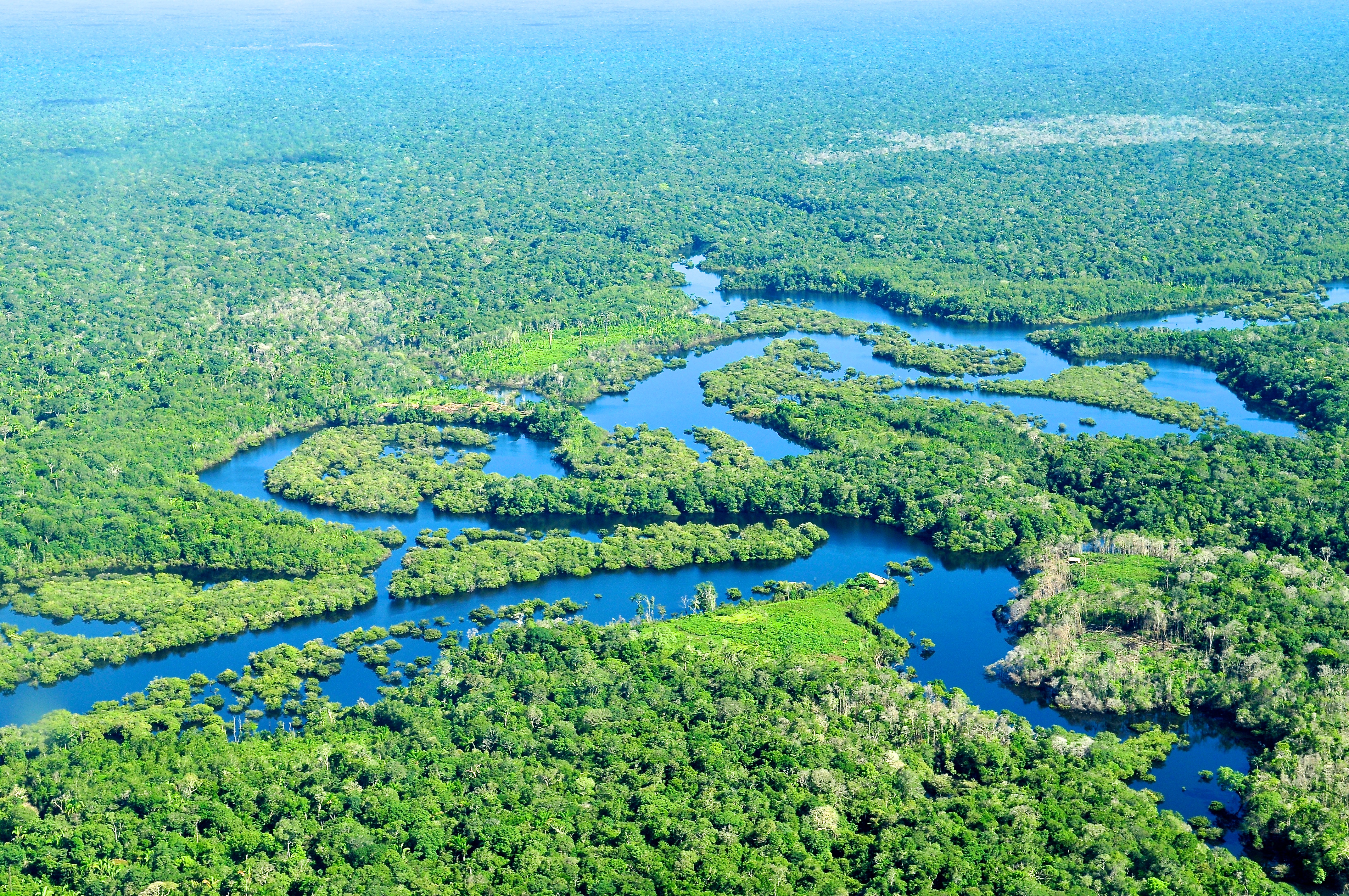
The Amazon’s Untapped Financial Value: Beyond Raw Materials
The conventional view of the Amazon’s economic worth often narrows to the extraction of its raw materials. However, a comprehensive financial assessment reveals a far richer tapestry of value, much of which remains untapped or inadequately quantified. The true economic power of the Amazon lies in its biodiversity, its potential for sustainable commerce, and the critical ecosystem services it provides – all of which translate into tangible and intangible financial assets.
Biodiversity as Economic Capital
The Amazon’s unparalleled biodiversity represents an extraordinary reserve of economic capital, often overlooked in traditional balance sheets. This vast genetic library holds secrets yet to be uncovered, with profound implications for industries globally.
-
Pharmaceutical Potential: The rainforest is a living laboratory, a reservoir of millions of species, many of which contain compounds with medicinal properties. Indigenous knowledge, accumulated over millennia, points to countless plants with therapeutic benefits. Pharmaceutical companies continually invest in bioprospecting, seeking new drugs to treat diseases from cancer to cardiovascular ailments. The financial returns from a single successful drug derived from an Amazonian plant could be astronomical, underscoring the rainforest’s potential as a source of future healthcare innovations and profits. The ongoing destruction of species means not only a loss of unique life forms but a forfeiture of potentially life-saving—and highly profitable—discoveries.
-
Biotechnology and Genetic Resources: Beyond pharmaceuticals, the Amazon’s genetic diversity offers immense potential for the biotechnology sector. Genes from its unique flora and fauna can inspire advancements in agriculture, materials science, and industrial processes. Imagine drought-resistant crops developed from Amazonian plant adaptations, or novel enzymes for industrial use. These genetic resources represent intellectual property and future product lines that could command significant market value, contributing to global economic growth while providing sustainable income streams for the region.
-
Ecosystem Services: The Invisible Economy: Perhaps the most undervalued financial contribution of the Amazon lies in its ecosystem services. These are the natural processes that sustain life and underpin human economies globally. The Amazon regulates regional and global climate patterns, acting as a colossal carbon sink that absorbs vast quantities of atmospheric carbon dioxide, thereby mitigating climate change. It is critical for water cycling, influencing rainfall far beyond its borders and supporting agricultural productivity in distant regions. It maintains soil fertility, prevents erosion, and hosts pollinator species essential for global food security. While difficult to price precisely, the economic cost of losing these services – from increased drought and flood damage to reduced agricultural yields and higher healthcare costs from poor air quality – would be catastrophic, dwarfing any short-term gains from deforestation. Valuing these services financially is a growing field, with models suggesting trillions of dollars in benefits annually, making the Amazon a priceless asset in the global economic landscape.
Natural Resources and Sustainable Commerce
The Amazon is undeniably rich in natural resources, but the critical distinction lies between extractive, destructive exploitation and sustainable, value-added commerce that preserves its long-term financial viability.
-
Sustainable Forestry vs. Illegal Logging: The demand for timber, particularly hardwoods, has historically driven extensive logging in the Amazon. While illegal logging represents an untaxed, environmentally devastating drain on resources, sustainable forestry practices offer an alternative. Certified sustainable timber operations can provide economic benefits through responsible harvesting, reforestation, and fair labor practices, generating long-term revenue for local communities and nations while preserving forest health. Investing in these practices can create stable, ethical supply chains that attract discerning markets.
-
Agroforestry and Sustainable Agriculture: The Amazon also yields a variety of commercially valuable agricultural products, including Brazil nuts, açaí, guaraná, rubber, cocoa, and various fruits. Traditional and modern agroforestry systems integrate trees with crops and livestock, mimicking the forest’s natural structure. These systems not only conserve biodiversity but also enhance soil fertility, sequester carbon, and provide diversified income streams for farmers. Investments in sustainable agriculture can transform vast areas from monoculture devastation to productive, ecologically sound landscapes, offering high-value organic products to global markets and strengthening local economies.
-
Minerals and the Ethical Dilemma: The Amazon basin is also endowed with significant mineral deposits, including gold, iron ore, and bauxite. Mining operations, particularly illegal gold mining, pose severe environmental threats, including deforestation, mercury contamination, and social disruption. While large-scale regulated mining operations contribute to national GDP, they often come with substantial environmental and social costs that are rarely fully accounted for. The financial calculus here involves weighing the immediate revenue against the long-term ecological damage and the potential loss of other economic opportunities, such as sustainable tourism or bioprospecting. Striking an ethical and economically viable balance in mineral extraction remains one of the region’s greatest financial and environmental challenges.
The Financial Cost of Degradation: A Ticking Economic Time Bomb
The ongoing degradation of the Amazon Rainforest, primarily through deforestation and burning, is not merely an ecological tragedy; it is an escalating economic crisis with profound and far-reaching financial consequences. These costs are borne by local communities, national economies, and the global financial system, manifesting as direct losses, increased risks, and forfeited future prosperity.
Economic Impact of Deforestation
Deforestation incurs a complex web of economic losses, many of which are hidden or materialize years after the initial destruction.
-
Loss of Ecosystem Services: As highlighted earlier, the destruction of forests compromises their ability to provide critical services like rainfall regulation, carbon sequestration, and soil conservation. The financial ramifications are direct: increased frequency and intensity of droughts and floods lead to agricultural failures, damage to infrastructure, and higher disaster relief costs. Reduced rainfall affects hydropower generation, leading to energy shortages and increased reliance on more expensive energy sources. The economic contribution of these “free” services, when lost, transforms into significant out-of-pocket expenses.
-
Impact on Indigenous Economies and Traditional Livelihoods: Indigenous communities in the Amazon have intricate, sustainable economies built upon the forest’s resources. Deforestation destroys their ancestral lands, eradicating their primary sources of food, medicine, and cultural identity. This leads to displacement, poverty, and an increased burden on national social services. The disruption of traditional livelihoods represents a direct economic loss for these communities, whose sustainable practices offer valuable models for the wider economy.
-
Forfeited Future Economic Potential: Every acre of forest destroyed represents a permanent loss of future economic potential. This includes the potential for new drug discoveries, genetic resources for biotechnology, and the development of sustainable industries like eco-tourism. Once cleared, the land’s capacity for diversified, high-value economic activities often diminishes, replaced by short-term, unsustainable ventures like cattle ranching or monoculture agriculture with lower long-term financial returns and higher environmental costs. The decision to deforest, therefore, is often a decision to forgo immense future wealth for transient gains.
Climate Change and Financial Risk
The Amazon’s degradation directly contributes to global climate change, unleashing a cascade of financial risks that threaten economic stability worldwide.
-
Carbon Emissions from Deforestation: Global Externalities: When the Amazon is deforested or burned, the carbon stored in its trees is released into the atmosphere, contributing significantly to greenhouse gas emissions. These emissions accelerate global warming, leading to a host of climate impacts—rising sea levels, extreme weather events, and changes in agricultural productivity—that incur enormous financial costs globally. These “externalities” are costs imposed on society by an economic activity (deforestation) without being reflected in the price of the product (e.g., beef or soy).
-
Increased Frequency and Intensity of Extreme Weather Events: A destabilized climate translates into more frequent and severe heatwaves, droughts, floods, and storms. Each of these events carries a hefty price tag in terms of property damage, agricultural losses, disrupted supply chains, and human lives. Insurance companies face soaring payouts, governments grapple with escalating disaster relief budgets, and businesses endure interruptions and increased operational risks. The financial burden of a changing climate is a growing concern for investors and policymakers alike.
-
“Tipping Point” Scenarios: Scientists warn of potential “tipping points” where large parts of the Amazon could transition from rainforest to savanna-like ecosystems. Such a shift would have catastrophic financial implications, profoundly altering regional rainfall patterns, severely impacting agricultural zones in South America, and accelerating global climate change to an irreversible degree. The economic costs associated with a collapsed Amazonian ecosystem are almost incalculable, representing a systemic risk to the global economy.
Investing in the Amazon: Opportunities for Sustainable Growth
Despite the immense challenges, the Amazon also presents burgeoning opportunities for sustainable investment. A growing recognition of its critical ecological and economic value is driving innovation in financial tools and business models aimed at conservation and sustainable development. These investments offer not only environmental benefits but also the potential for attractive financial returns and long-term economic stability.
Carbon Credits and Green Bonds
Innovative financial mechanisms are emerging to channel capital towards activities that benefit the Amazon, particularly in carbon sequestration and conservation.
-
Mechanisms for Valuing Carbon Sequestration: Carbon markets allow for the trading of carbon credits, where one credit typically represents one tonne of carbon dioxide removed or prevented from entering the atmosphere. Reforestation, afforestation, and avoided deforestation projects in the Amazon can generate these credits, which can then be sold to companies seeking to offset their emissions. This provides a direct financial incentive for forest conservation and restoration.
-
Investment Vehicles for Reforestation and Conservation: Green bonds are fixed-income financial instruments used to finance projects with environmental benefits. Governments, corporations, and multilateral organizations can issue green bonds to fund initiatives like sustainable forest management, ecological restoration, and renewable energy projects in the Amazon. These bonds attract environmentally conscious investors looking to align their portfolios with sustainability goals while achieving financial returns.
-
Private Sector Involvement in Climate Finance: The sheer scale of finance required for Amazon conservation necessitates significant private sector involvement. Impact investors, venture capitalists, and even large corporations are increasingly looking to invest in projects that deliver both environmental and social impact alongside financial returns. This includes funding sustainable land use projects, developing innovative technologies for monitoring, and supporting community-based conservation efforts.
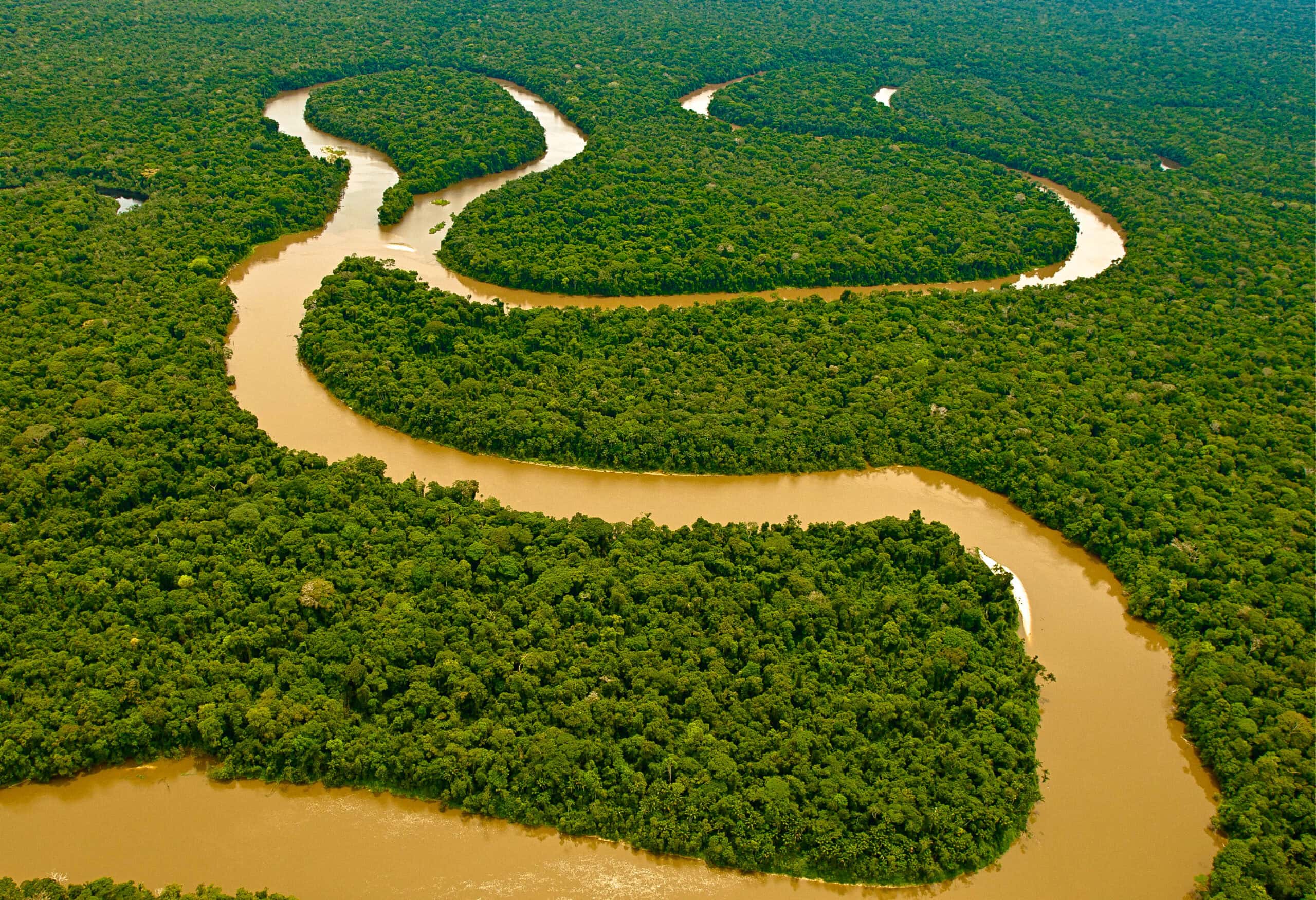
Sustainable Agriculture and Eco-Tourism
Investing in practices that are both economically viable and environmentally sound offers a path to sustainable growth in the Amazon.
-
Investment in Agroforestry, Permaculture, and Organic Farming: These practices focus on cultivating food and other products in ways that mimic natural ecosystems, enhancing biodiversity and soil health. Investments can support smallholder farmers in transitioning to these methods, developing value chains for organic and sustainably sourced Amazonian products, and scaling up successful models. This not only improves livelihoods but also opens access to lucrative markets for ethical and environmentally friendly goods.
-
Development of Responsible Eco-Tourism Ventures: The Amazon’s unparalleled natural beauty and cultural richness make it an ideal destination for eco-tourism. Investments can support the development of low-impact lodges, guided tours, and community-based tourism initiatives that directly benefit local populations while funding conservation efforts. Responsible eco-tourism provides an economic incentive to protect the rainforest, offering unique experiences to travelers willing to pay for authentic and sustainable encounters.
-
Venture Capital for Sustainable Start-ups: A burgeoning ecosystem of start-ups is emerging in the Amazon, focusing on sustainable technologies, ethical supply chains, and nature-based solutions. Venture capital can play a crucial role in funding these innovative companies, from those developing drones for forest monitoring to enterprises creating sustainable alternatives to plastic using Amazonian biomaterials. These investments can catalyze economic diversification and job creation within the region.
Innovative Financial Tools for Conservation
Beyond traditional investments, new financial tools are being developed to bridge the gap between conservation needs and available capital.
-
Debt-for-Nature Swaps: These mechanisms allow a debtor country to have a portion of its foreign debt forgiven in exchange for commitments to invest in environmental conservation. For Amazonian nations, this can free up significant funds that can be directed towards protecting the rainforest, providing a financial incentive for governments to prioritize conservation.
-
Impact Investing and Philanthropic Capital: Impact investing seeks to generate positive social and environmental impact alongside a financial return. Philanthropic organizations, often working in conjunction with impact investors, provide critical “patient capital” and grants to foundational conservation efforts, capacity building, and innovative pilot projects that might not yet be attractive to commercial investors. Blended finance models, combining philanthropic and commercial capital, are increasingly used to de-risk investments in the Amazon.
-
Blockchain for Supply Chain Transparency and Carbon Tracking: Blockchain technology offers a revolutionary way to enhance transparency and traceability in supply chains, particularly for Amazonian products. It can verify the origin of goods, ensuring they are sustainably and ethically sourced, and track carbon credits, preventing fraud. This technology can provide assurances to consumers and investors, reinforcing the value proposition of sustainable Amazonian products and conservation projects.
Navigating Business Finance in the Amazon: Challenges and Ethical Considerations
For businesses operating in or sourcing from the Amazon, the financial landscape is complex, fraught with both opportunities and significant ethical and financial risks. Sound business finance in this region requires a deep understanding of these intricacies, prioritizing sustainability, transparency, and respect for local communities.
Risk Assessment for Businesses
Operating in the Amazon demands a rigorous approach to risk assessment, extending beyond traditional financial metrics.
-
Reputational Risk for Companies: In an increasingly scrutinized global market, companies linked to deforestation, pollution, or human rights abuses in the Amazon face severe reputational damage. This can lead to boycotts, investor divestment, and a loss of consumer trust, directly impacting sales and brand value. Ethical sourcing and transparent supply chains are no longer optional but essential for maintaining a positive brand image and financial health.
-
Regulatory and Legal Risks: Governments in Amazonian countries are under increasing international pressure to strengthen environmental regulations and enforce laws against illegal activities. Companies failing to comply with these laws or engaging in illicit practices face significant fines, legal action, asset seizures, and restrictions on future operations. International agreements and climate conventions also create a framework of expectations that businesses must navigate.
-
Supply Chain Resilience and Ethical Sourcing Demands: Global supply chains are increasingly vulnerable to disruptions caused by environmental degradation and social conflicts. Businesses that rely on raw materials from the Amazon, such as soy, beef, palm oil, or timber, face growing pressure from consumers, investors, and regulators to demonstrate that their products are sourced ethically and do not contribute to deforestation. This necessitates investing in robust traceability systems and building relationships with suppliers committed to sustainable practices.
Indigenous Rights and Economic Development
The economic development in the Amazon must be intrinsically linked with the recognition and empowerment of its indigenous peoples, who are often the best guardians of the forest.
-
Importance of Free, Prior, and Informed Consent (FPIC): Any business project proposed on or near indigenous territories must obtain the Free, Prior, and Informed Consent (FPIC) of the affected communities. Failure to do so can lead to legal challenges, project delays, and social unrest, all of which carry significant financial costs and reputational damage. Respecting FPIC is not just an ethical imperative but a sound business practice that minimizes conflict and fosters sustainable partnerships.
-
Support for Indigenous-Led Businesses and Economic Self-Determination: Empowering indigenous communities to develop and manage their own sustainable businesses, such as craft production, eco-tourism, or sustainable harvesting of non-timber forest products, is crucial for equitable economic development. Financial institutions and investors can play a vital role by providing capital, training, and market access to these ventures, strengthening local economies while reinforcing conservation.
-
Financial Inclusion and Empowerment for Local Communities: Many communities in the Amazon lack access to basic financial services. Promoting financial inclusion through microfinance, credit access, and digital payment solutions can empower local populations to invest in sustainable livelihoods, build savings, and participate more fully in the formal economy. This fosters economic resilience and reduces vulnerability to exploitative practices.
The Amazon’s Financial Future: A Call for Global Stewardship
The Amazon Rainforest, from an economic and financial perspective, is a critical global asset. Its future solvency and ecological integrity hinge on a concerted effort that transcends national borders, redefining wealth, and implementing innovative financial strategies. The call for global stewardship is a recognition that the economic fate of the Amazon is intertwined with the financial stability and prosperity of the entire planet.
Policy and International Cooperation
Effective financial management of the Amazon requires strong policy frameworks and robust international collaboration.
-
Role of International Financial Institutions and Development Banks: Organizations like the World Bank, Inter-American Development Bank, and the Green Climate Fund are vital in mobilizing significant financial resources for Amazonian countries. They provide loans, grants, and technical assistance for conservation projects, sustainable infrastructure, and climate change adaptation, often acting as catalysts for further private investment.
-
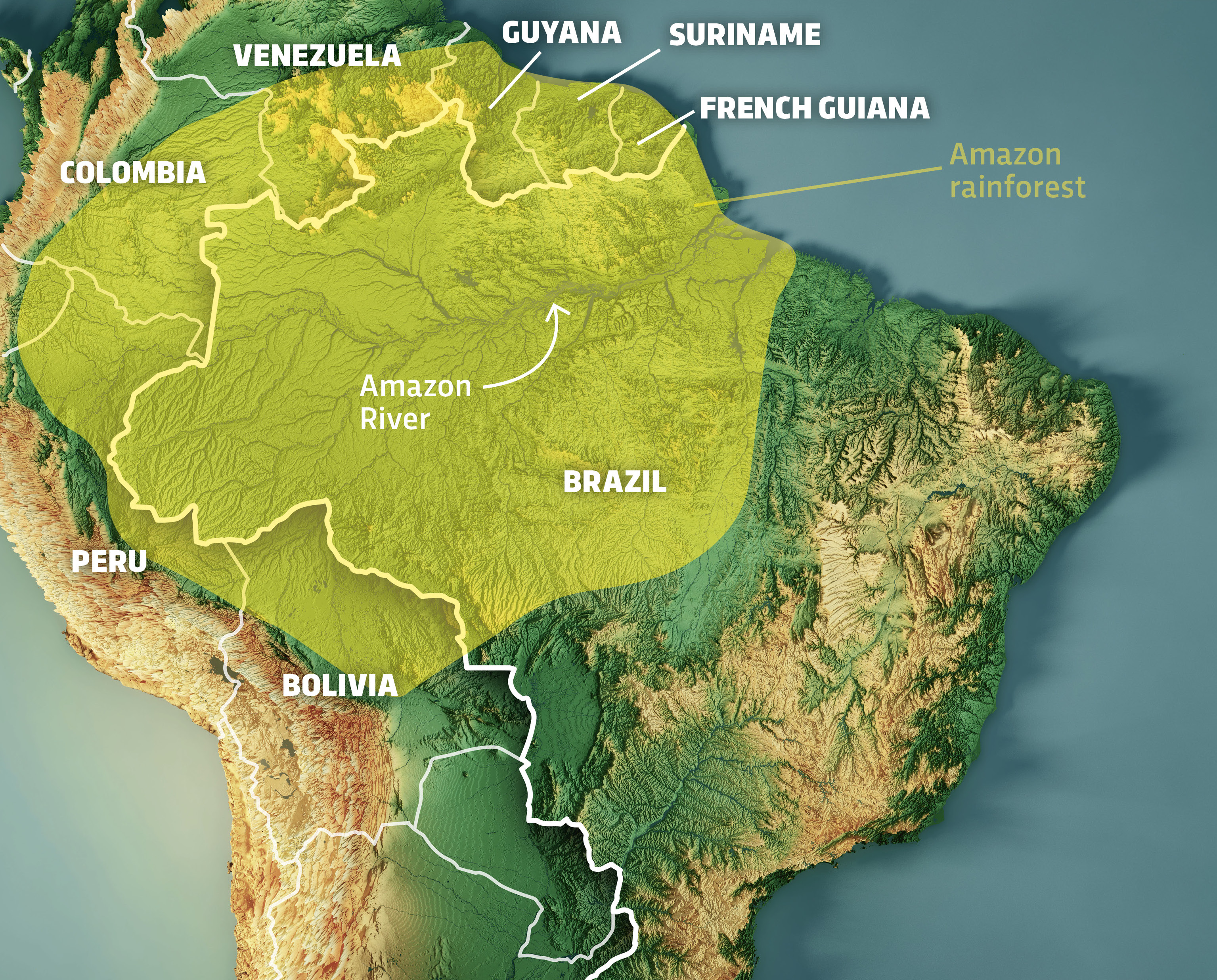
Cross-Border Agreements for Conservation and Sustainable Trade: Given the Amazon’s vastness and its span across nine nations, cross-border agreements are essential for coordinated conservation efforts, combating illegal activities, and promoting sustainable trade. Financial incentives, such as preferential trade agreements for sustainably sourced products, can encourage regional cooperation and drive market demand for ethical goods.
-
Subsidies Reform and Aligning Financial Incentives: Many governments still provide subsidies that inadvertently promote deforestation, such as those for cattle ranching or large-scale monoculture. Reforming these subsidies and redirecting financial incentives towards sustainable land use, reforestation, and ecological restoration is a critical step. Aligning financial policies with environmental goals can unlock significant private investment in green initiatives.
Redefining Wealth and Value
Ultimately, securing the Amazon’s financial future requires a fundamental shift in how societies define and measure wealth, moving beyond narrow economic indicators to embrace natural capital.
-
Moving Beyond GDP to Include Natural Capital Accounting: Traditional economic metrics like Gross Domestic Product (GDP) fail to account for the depletion of natural resources or the degradation of ecosystem services. Natural capital accounting seeks to integrate the value of ecosystems into national economic planning and corporate reporting, providing a more accurate picture of true wealth and enabling better decision-making that values nature.
-
The Long-Term Economic Benefits of Ecological Preservation: The Amazon teaches us that true long-term economic prosperity is inextricably linked to ecological health. Preserving the rainforest ensures the continuity of vital ecosystem services, protects future resource potential, and mitigates climate-related financial risks. Investing in conservation is not an expense but a strategic investment in global economic stability and future generations’ well-being.
-
The Amazon as a Global Asset with Shared Financial Responsibility: The Amazon’s contribution to global climate regulation, biodiversity, and rainfall patterns makes it a planetary commons. This necessitates a recognition of shared financial responsibility. Developed nations and global corporations, who benefit from the Amazon’s services and often contribute to its degradation through their consumption patterns, have a financial obligation to support its protection and sustainable development.
In conclusion, “what is the Amazon Rainforest” is not merely a question of geography or biology; it is a profound inquiry into one of the world’s most critical economic and financial assets. Its immense natural capital, the devastating costs of its destruction, and the burgeoning opportunities for sustainable investment underscore its pivotal role in the global financial ecosystem. Protecting the Amazon is not just an environmental imperative; it is an urgent economic and financial imperative for a stable and prosperous global future.
aViewFromTheCave is a participant in the Amazon Services LLC Associates Program, an affiliate advertising program designed to provide a means for sites to earn advertising fees by advertising and linking to Amazon.com. Amazon, the Amazon logo, AmazonSupply, and the AmazonSupply logo are trademarks of Amazon.com, Inc. or its affiliates. As an Amazon Associate we earn affiliate commissions from qualifying purchases.