
Almond stollen, a rich, fruit-studded bread traditionally enjoyed during the Christmas season, represents more than just a festive treat. It embodies a deep-rooted culinary heritage, a testament to artisanal skill, and a potent symbol for brands seeking to connect with consumers through tradition, quality, and authentic experiences. Understanding what almond stollen is, at its core, is to appreciate the layers of its identity – from its historical origins and regional variations to its sensory appeal and the brand narratives it can inspire.
The Genesis of a Festive Icon: Historical Roots and Regional Variations
The story of stollen, and specifically almond stollen, is inextricably linked to German Christmas traditions. Its evolution from a humble, austere bread to the delectable, marzipan-laden confection we know today is a fascinating narrative of adaptation, refinement, and enduring cultural significance. Understanding this lineage is crucial for any brand aiming to leverage the inherent appeal of this baked good.

From Austerity to Abundance: The Early Days of Stollen
The earliest precursors to stollen were far removed from the rich, indulgent bread enjoyed today. In the 15th century, in Dresden, Germany, the prevailing form of stollen was a simple, lean bread made with flour, yeast, and water. This was a practical necessity dictated by the strict fasting rules of the advent period, a time when butter and milk were forbidden by papal decree. Bakers were constrained by these limitations, resulting in a rather uninspiring, often hard loaf. The name “stollen” itself is believed to derive from the Old High German word “stollo,” meaning “pillar” or “post,” likely referring to the bread’s original shape.
The turning point for stollen’s transformation began with the lifting of some of these fasting restrictions. In 1491, a papal bull by Pope Innocent VIII granted permission to use butter during Advent, provided a tax was paid to the Archbishop of Mainz. This marked the “Butterbrief,” or butter letter, and was a pivotal moment that allowed for the inclusion of richer ingredients. Bakers could now incorporate butter, milk, and eggs, fundamentally changing the texture and flavor profile of the bread. This shift from austerity to abundance laid the groundwork for the stollen’s eventual rise to festive prominence.
The Dresden Stollen Declaration: A Hallmark of Quality and Identity
Dresden is not just a city where stollen originated; it is a place where the bread’s identity has been meticulously preserved and elevated. The “Dresdner Stollen” holds protected geographical indication (PGI) status within the European Union, a designation that ensures authenticity and quality. This means that only stollen baked within a specific geographical area, adhering to strict traditional recipes and production methods, can bear the name “Dresdner Stollen.”
This legal protection is a powerful example of how a traditional food item can become a branded entity. The PGI status safeguards the stollen’s heritage and guarantees a certain standard, which in turn builds consumer trust and brand loyalty. For consumers, the “Dresdner Stollen” label signifies a promise of authenticity, a connection to centuries of baking tradition, and a superior taste experience. Brands that produce genuine “Dresdner Stollen” can leverage this designation as a powerful marketing tool, positioning their product as an artisanal, heritage-rich offering.
Almond Stollen: A Marzipan Masterpiece
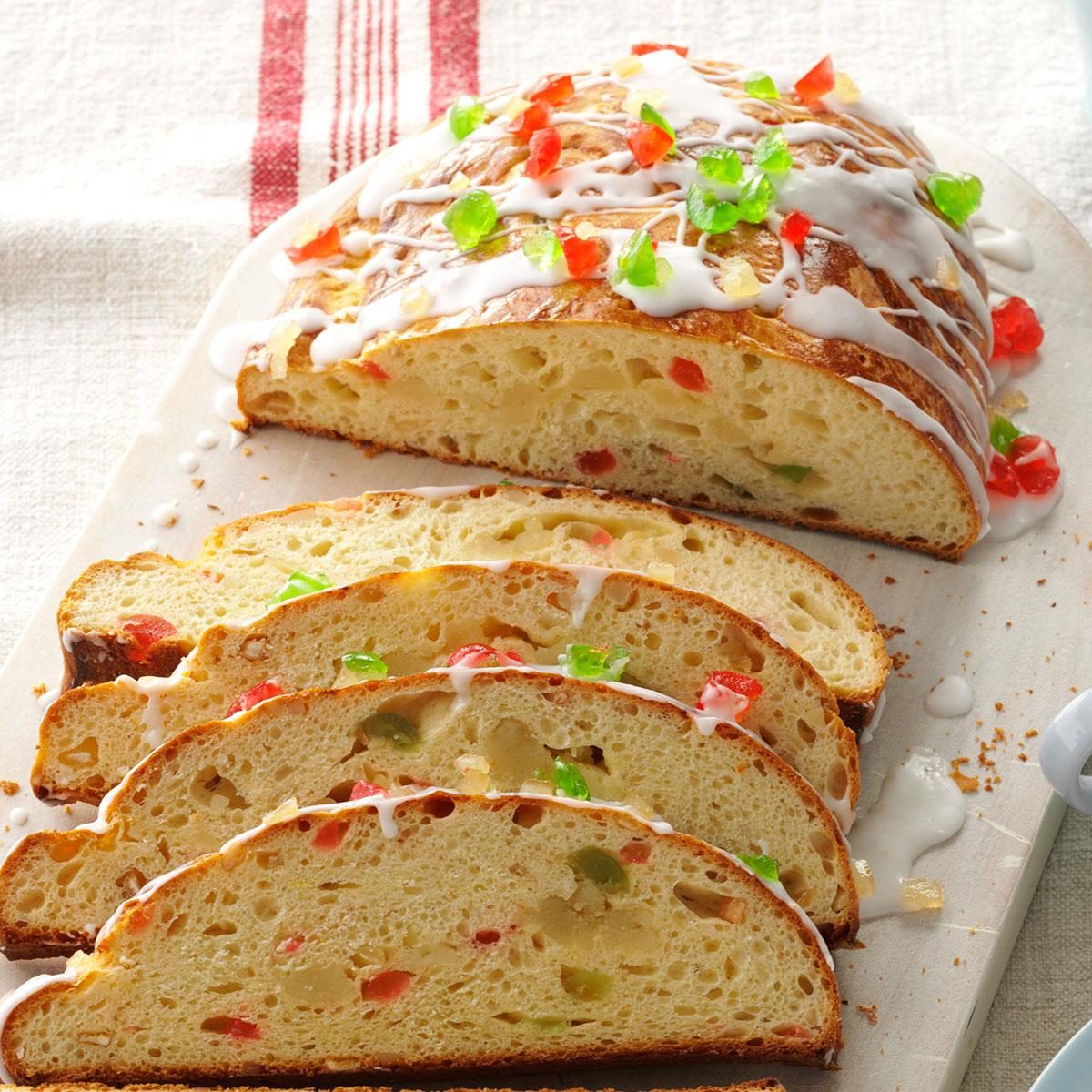
While traditional stollen often features dried fruits, nuts, and spices, almond stollen carves out its own distinct identity. The defining characteristic of almond stollen is the generous inclusion of marzipan, a sweet confection made from ground almonds and sugar. This can be incorporated in several ways: as a layer folded into the dough, as a filling within the bread, or even as a marzipan-coated exterior. The presence of marzipan adds a distinctively sweet, nutty flavor and a wonderfully soft, yielding texture that contrasts with the slightly denser bread base.
The addition of marzipan elevates almond stollen, transforming it into a luxurious treat. It appeals to a specific palate, offering a more pronounced sweetness and a richer mouthfeel than fruit-only stollen. This specialization allows brands to target different consumer preferences within the broader stollen market. A brand focusing on almond stollen can emphasize its unique textural and flavor profile, differentiating itself from competitors offering more traditional variations. This focus on a specific, beloved iteration of the product is a classic branding strategy.
The Art of Craftsmanship: Ingredients, Preparation, and Sensory Appeal
The creation of almond stollen is a process that blends age-old techniques with high-quality ingredients. It is a testament to the baker’s skill, where precision and patience are as crucial as the components themselves. This dedication to craftsmanship is a significant element that brands can highlight to build a narrative of quality and authenticity.
The Alchemy of Ingredients: Beyond the Basics
The signature taste and texture of almond stollen are derived from a carefully selected palette of ingredients. At its heart, it is a rich yeast dough, but the magic lies in the additions:
- Flour: High-quality wheat flour provides the structural foundation. The choice of flour can influence the final crumb’s tenderness.
- Butter: The “Butterbrief” moment allowed for abundant butter, which is essential for the dough’s richness, tenderness, and characteristic sheen when brushed on after baking. Brands can emphasize the use of real, high-fat butter as a sign of premium quality.
- Yeast: Active yeast is crucial for the dough to rise and develop its characteristic airy yet substantial texture. A slow, natural fermentation process often signifies a more artisanal approach.
- Dried Fruits: Raisins, currants, candied orange peel, and candied lemon peel are standard inclusions, providing bursts of sweetness and chewiness. The quality and preparation of these fruits significantly impact the overall flavor.
- Nuts: Almonds, of course, are central to almond stollen. Whole or slivered almonds are often folded into the dough or incorporated into the marzipan filling.
- Marzipan: This sweet paste of ground almonds and sugar is the star of almond stollen. The quality of the marzipan, with a high proportion of almonds, is paramount for a superior flavor. Brands might highlight the percentage of almonds in their marzipan or its origin.
- Spices: Aromatic spices like cinnamon, nutmeg, cardamom, and sometimes cloves or mace, add warmth and complexity to the flavor profile, evoking the cozy essence of the festive season.
The careful selection and proportioning of these ingredients are what distinguish a good stollen from an exceptional one. Brands that are transparent about their ingredient sourcing and quality can build a strong perception of value and authenticity.
The Marzipan Fold and the Baker’s Touch: Preparation Techniques
The creation of almond stollen involves specific techniques that require considerable skill and experience:
- Dough Preparation: The rich yeast dough is typically prepared well in advance, often with a pre-ferment or tangzhong to enhance its texture and shelf life. The dough is enriched with butter and then studded with fruits and nuts.
- Marzipan Incorporation: This is where almond stollen truly differentiates itself. Bakers might knead marzipan directly into the dough, creating a marzipan-rich crumb throughout. Alternatively, a log of marzipan can be placed in the center of the dough before shaping and baking, creating a distinct marzipan filling. Some artisanal bakers may even create a marzipan layer that envelops the entire fruit and dough mixture.
- Shaping: The dough is shaped into its characteristic oval or oblong form, often with a distinctive groove or hump. This unique shape is part of its visual branding.
- Baking: Stollen is baked until golden brown, ensuring the interior is cooked through without drying out. The precise baking time and temperature are critical.
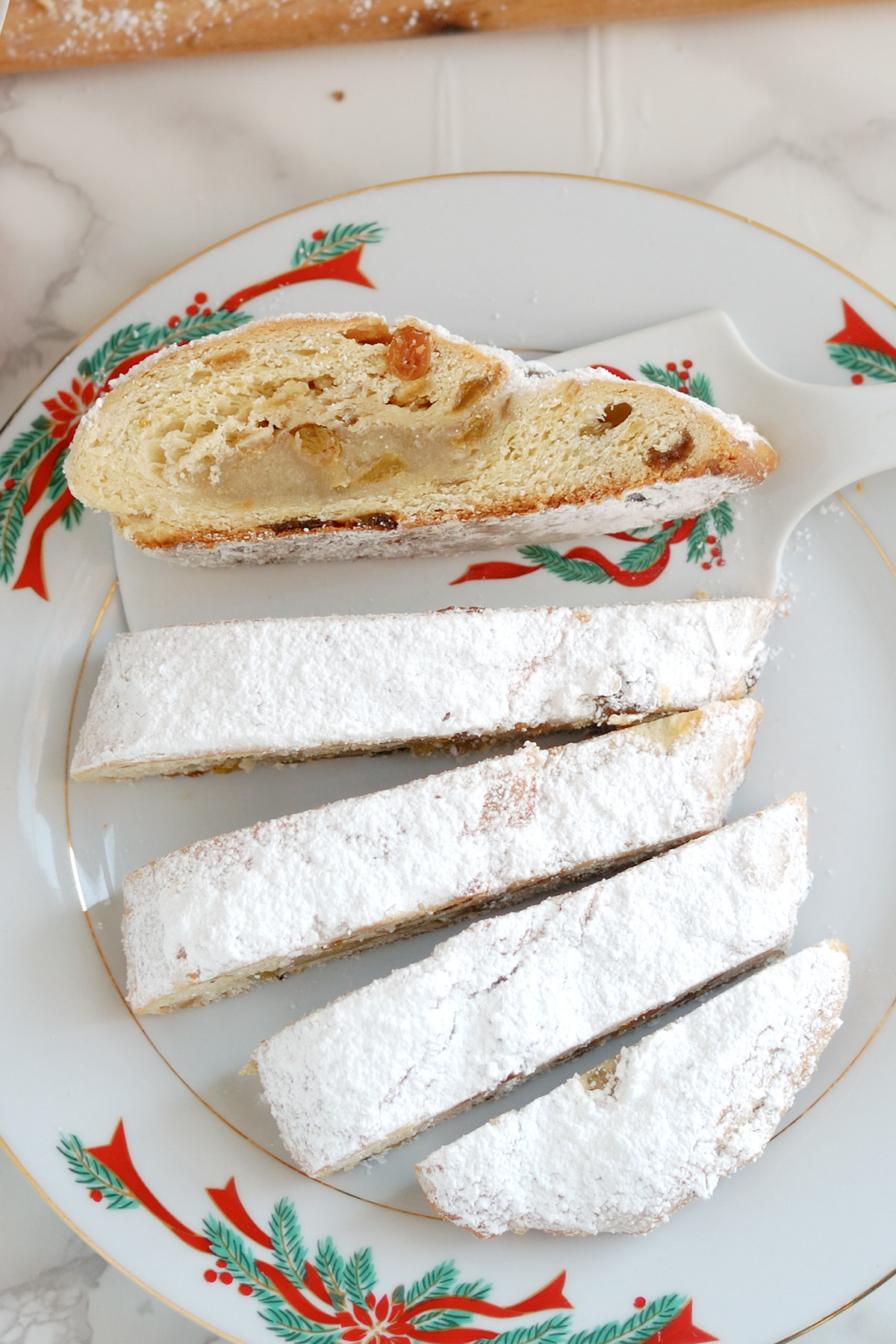
- Finishing: Once baked and still warm, stollen is generously brushed with melted butter and then dusted with powdered sugar. This creates the signature snowy appearance and adds a final layer of sweetness and moisture. The dusting of powdered sugar is iconic and immediately recognizable.
These meticulous steps are often the focus of brands that want to communicate a sense of heritage and artisanal dedication. Visuals of bakers at work, the slow rise of the dough, and the precise shaping of the stollen can form the backbone of a compelling brand story.
The Sensory Experience: A Feast for the Senses
The appeal of almond stollen extends beyond its visual and textual components; it is a multi-sensory experience that resonates deeply with consumers, particularly during the holiday season. This sensory richness is a powerful tool for brand engagement.
- Aroma: The complex blend of sweet marzipan, warm spices, dried fruits, and rich butter creates an intoxicating aroma that is synonymous with festive indulgence. This scent evokes memories and emotions, making it a potent brand association.
- Taste: The interplay of sweet, slightly tart fruits, the nutty richness of marzipan, the subtle warmth of spices, and the buttery dough creates a harmonious and complex flavor profile. The sweetness is balanced by the slight tang of candied peels and the natural nuttiness.
- Texture: The contrast between the slightly dense, chewy dough, the soft yielding marzipan, and the occasional bite of nuts or chewy fruit pieces provides a satisfying textural experience. The final dusting of powdered sugar adds a delicate melt-in-your-mouth quality.
- Visual Appeal: The golden-brown crust dusted with a blanket of white powdered sugar, often adorned with candied cherries or almonds, makes stollen a visually striking centerpiece for any holiday table.
Brands can tap into this sensory appeal through evocative language in their marketing, high-quality photography and videography that showcase the stollen’s texture and visual appeal, and even by offering tasting experiences that allow consumers to directly engage with its sensory qualities.
Branding Almond Stollen: Cultivating Identity and Connection
Almond stollen is a product ripe for branding. Its inherent qualities – tradition, craftsmanship, festive associations, and unique sensory appeal – provide a rich foundation upon which brands can build compelling narratives that resonate with consumers and drive preference.
Leveraging Heritage and Authenticity as Brand Pillars
In a world increasingly dominated by the ephemeral, consumers often seek out products that offer a connection to history and genuine craftsmanship. Almond stollen, with its centuries-old origins and traditional preparation methods, is a perfect candidate for this type of branding.
- Storytelling: Brands can weave narratives around the history of stollen, the specific traditions of its region of origin (like Dresden), and the generational knowledge passed down through families of bakers. This storytelling humanizes the product and creates an emotional connection. For example, a brand might feature a “Baker’s Story” that details the family’s long history of stollen-making, emphasizing their commitment to traditional methods.
- Transparency in Sourcing and Production: Highlighting the quality of ingredients – such as specifying the percentage of almonds in the marzipan, the origin of the butter, or the absence of artificial preservatives – builds trust and reinforces the perception of authenticity. Consumers are increasingly interested in knowing where their food comes from and how it is made. Brands that embrace transparency can differentiate themselves from mass-produced alternatives.
- Certifications and Designations: As mentioned with “Dresdner Stollen,” geographical indications and other quality certifications act as powerful trust signals. Brands that have earned these designations should prominently feature them in their marketing. Even without specific PGI status, brands can develop their own marks of quality or artisanal standards that communicate similar values.
Differentiating Through Product Specialization and Innovation
While tradition is a strong foundation, brands also need to find ways to stand out in a competitive market. Almond stollen offers opportunities for both specialization and thoughtful innovation.
- Focus on the “Almond” Aspect: Brands can amplify the marzipan element. This could involve offering variations with different types of almonds, showcasing unique marzipan recipes, or even developing marzipan-infused glazes or icings as a finishing touch. The emphasis on marzipan allows for a clear point of differentiation from standard fruit stollen.
- Premiumization and Gifting: Almond stollen, with its rich ingredients and festive nature, is a natural fit for premium positioning. Brands can create beautifully packaged stollen designed specifically for gifting. This involves investing in elegant packaging, offering different sizes for various gifting occasions, and perhaps including complementary items like mulled wine spices or festive tea. The luxury appeal can justify a higher price point and attract consumers looking for special holiday treats.
- Modern Twists (with Caution): While preserving tradition is key, subtle innovations can also attract new audiences. This might involve incorporating less common spices, using a blend of high-quality dried fruits, or even offering gluten-free or vegan versions made with the same care and quality ingredients. However, any innovation should be approached with a deep respect for the original character of stollen, ensuring it enhances rather than detracts from its essence. The key is to innovate within the spirit of the tradition.
Crafting a Brand Identity Through Packaging and Presentation
The way almond stollen is presented is as important as its taste and heritage. Packaging and in-store presentation are crucial touchpoints for consumers and can significantly influence brand perception.
- Visual Cues of Tradition and Quality: Packaging can feature elements that evoke a sense of heritage, such as classic fonts, traditional patterns (e.g., snowflakes, evergreen motifs), and color palettes that are reminiscent of winter and festive celebrations. The use of materials like high-quality paper or embossed finishes can convey a sense of luxury and attention to detail.
- Highlighting Key Selling Points: Packaging should clearly communicate what makes the stollen special: “Rich Almond Marzipan,” “Traditional German Recipe,” “Handcrafted,” “Made with Real Butter.” These concise statements act as quick selling propositions for busy shoppers.
- Interactive and Experiential Branding: For retailers or brands with a physical presence, creating an inviting display that allows consumers to see the stollen, perhaps even catch a whiff of its aroma, can be incredibly effective. Offering samples or hosting tasting events can create memorable brand experiences that drive sales and foster loyalty.
In conclusion, almond stollen is a product with a rich past, a complex present, and a bright future as a branded culinary item. Its appeal lies in its delicious taste, its comforting festive associations, and the deep sense of tradition and craftsmanship it represents. For brands, understanding and effectively communicating these elements is the key to unlocking its full potential, creating not just a product, but a cherished part of the holiday experience.
aViewFromTheCave is a participant in the Amazon Services LLC Associates Program, an affiliate advertising program designed to provide a means for sites to earn advertising fees by advertising and linking to Amazon.com. Amazon, the Amazon logo, AmazonSupply, and the AmazonSupply logo are trademarks of Amazon.com, Inc. or its affiliates. As an Amazon Associate we earn affiliate commissions from qualifying purchases.