
In the competitive landscape of the global beverage industry, every element of a product’s identity—from the curve of the bottle to the typeface on the label—is a calculated choice. However, one of the most significant yet often misunderstood elements of brand strategy is “alcohol proof.” While technically a measurement of ethanol content, in the world of brand management and corporate identity, alcohol proof is a powerful lever for premiumization, storytelling, and market segmentation.
Understanding what alcohol proof is—and how it differs from Alcohol by Volume (ABV)—is only the first step. For brand strategists and marketers, the real challenge lies in translating these technical specifications into a narrative that resonates with consumers, justifies price points, and carves out a unique niche in a crowded marketplace.
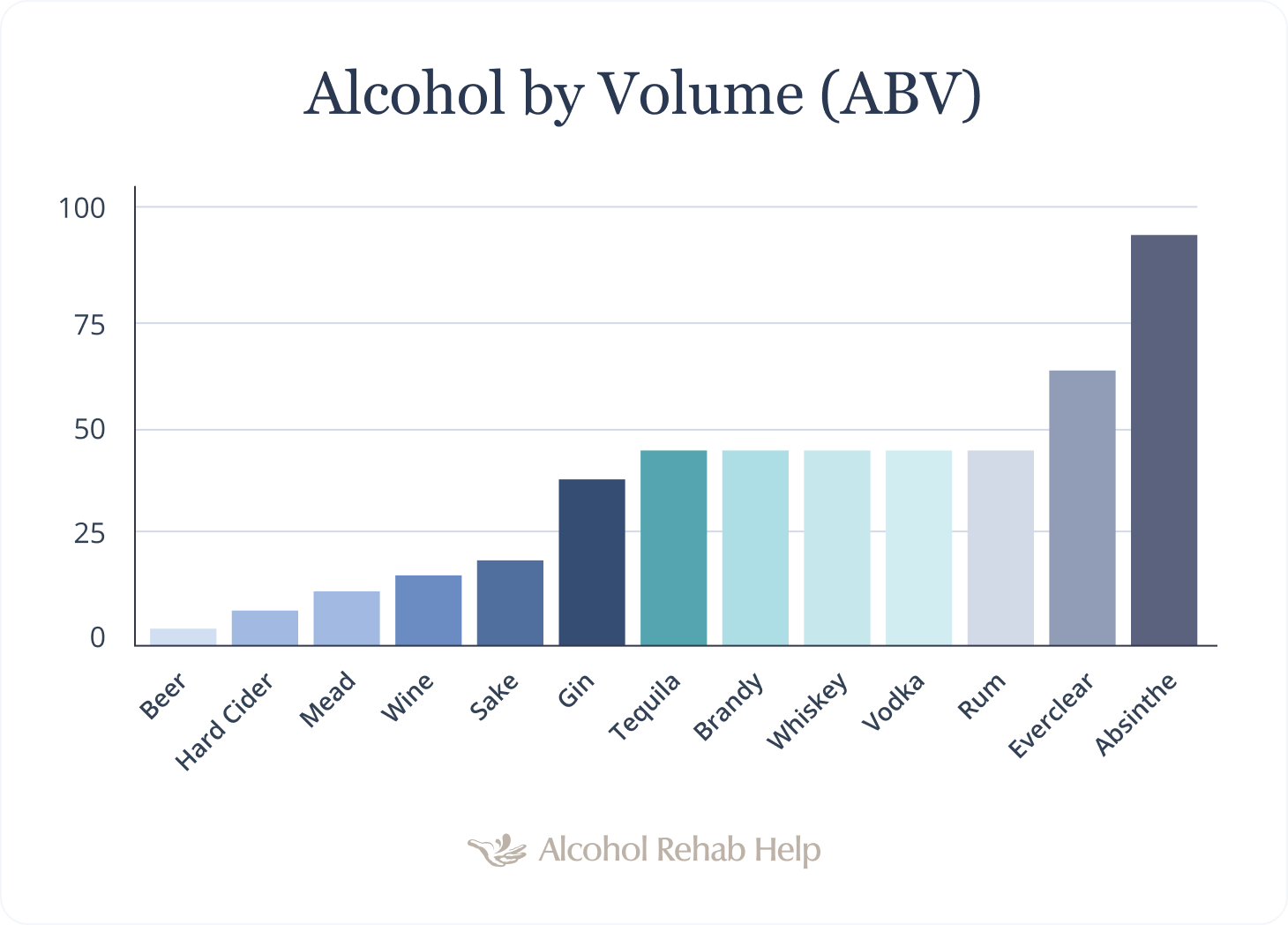
The Historical Identity of Proof: Building Brand Heritage
To understand why “proof” remains a vital term in modern branding, one must look at its origins. The term was birthed not in a laboratory, but in the rugged world of 18th-century trade and military logistics. This history provides a rich “origin story” that brands use today to establish authenticity and grit.
From Gunpowder Tests to Corporate Standards
The concept of “proof” originated in England, where spirits were tested to ensure they hadn’t been overly diluted. Sailors would douse gunpowder with the spirit; if the powder still ignited, it was “proved.” This 100-proof threshold (approximately 57.1% ABV in the original English system) represented a standard of quality and strength.
Modern brands, particularly in the whiskey and rum sectors, lean heavily on this “Navy Strength” or “Gunpowder Proof” terminology. By using these historical markers, a brand is not just selling a beverage; it is selling a piece of maritime history. This is a classic brand strategy: taking a technical necessity from the past and transforming it into a badge of authenticity for the present-day consumer.
Why Heritage Brands Cling to Traditional Proofing
For legacy brands like Jack Daniel’s or Old Forester, the proof is part of their DNA. When a brand changes its proof—even slightly—it often faces significant backlash from its loyalist base. This is because, in the mind of the consumer, the proof is synonymous with the brand’s “recipe” and “integrity.”
For example, when several major bourbon brands lowered their entry-level proof to manage costs or increase volume, they risked diluting their brand equity. Strategically, maintaining a specific proof serves as a promise of consistency, signaling to the consumer that the brand values its heritage more than a marginal increase in profit.
Proof as a Premiumization Lever
In contemporary marketing, “premiumization” is the process of making a brand or product appeal to consumers by emphasizing its superior quality and exclusivity. In the spirits world, alcohol proof is one of the most effective tools for achieving this.
The Allure of “Cask Strength” and “Overproof”
One of the most successful brand movements in the last decade has been the rise of “Cask Strength” or “Barrel Proof” spirits. By definition, these are spirits that have not been diluted with water after aging. From a branding perspective, this is a masterstroke. It allows companies to market a product that is “closer to the source” and “unadulterated.”
Branding a spirit as 110 or 125 proof allows a company to charge a significant premium. The narrative shifts from “high alcohol” to “high flavor.” Brands like Booker’s or Elijah Craig have built entire identities around high-proof expressions, targeting the “connoisseur” segment of the market. This segment perceives higher proof as a more “honest” expression of the distiller’s art, allowing for a higher price ceiling.
Creating Scarcity through High-Proof Releases
Proof also plays a role in the strategy of “limited-time offerings” (LTOs). Many brands release “Single Barrel” or “Full Proof” editions once a year. By varying the proof, brands create a sense of uniqueness for each batch. This appeals to collectors and enthusiasts who track these nuances like vintage years in wine.
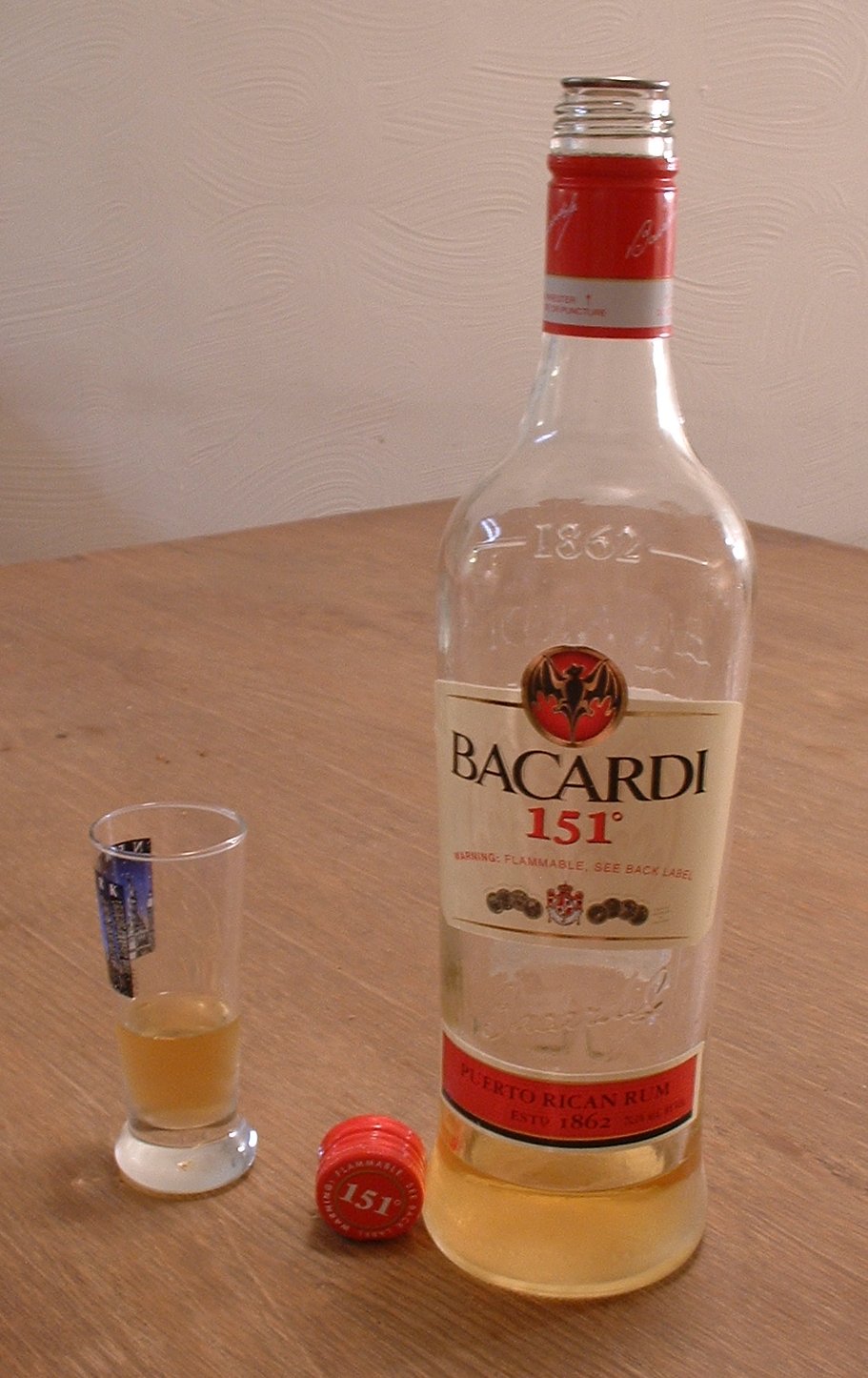
This strategy transforms a standard corporate identity into a dynamic, evolving brand. It keeps the brand relevant in social media discussions and secondary markets, where “high proof” often translates directly to “high resale value.”
The “Low and No” Movement: Rebranding the Alcohol Percentage
While high-proof spirits dominate the premium sector, a counter-trend is currently reshaping the industry: the “Low and No” (Low-alcohol and Non-alcoholic) movement. Here, the branding challenge is the inverse: how do you market a product where the “proof” is essentially zero?
Targeting the Health-Conscious Consumer
The modern consumer—particularly Millennials and Gen Z—is increasingly health-conscious and focused on “mindful drinking.” This shift has forced brands to rethink their identity. Instead of emphasizing “strength” and “kick,” brands like Seedlip or Lyre’s emphasize “botanicals,” “wellness,” and “sophistication.”
In this context, the absence of proof becomes the brand’s primary selling point. The marketing focuses on the “ritual” of drinking without the physiological consequences of ethanol. This is a significant pivot in brand strategy, moving away from the traditional power of proof toward a lifestyle-centric identity that values clarity and control.
Designing Identity for Non-Alcoholic Spirits
For traditional brands entering the low-proof space, the design challenge is maintaining brand recognition while signaling a lower ABV. We see this in the “Session” versions of popular beers or “Light” versions of spirits. The branding must remain consistent with the parent company’s identity (color palette, logo) while using subtle visual cues—like lighter label colors or “thin” typography—to communicate a lower proof. This ensures the brand doesn’t alienate its core audience while expanding into a new, wellness-oriented demographic.
Regulatory Branding and Global Market Consistency
Finally, a brand’s relationship with alcohol proof is heavily dictated by legal frameworks and international trade. A corporate identity must be flexible enough to survive different regulatory environments without losing its core message.
Navigating International Labeling Laws
“Alcohol proof” is a term primarily used in the United States, defined as twice the percentage of ABV (e.g., 80 proof is 40% ABV). However, most of the world uses ABV or the Gay-Lussac system. For a global brand, this requires a meticulous approach to packaging and design.
A brand like Hennessy or Johnnie Walker must maintain a consistent “global look” while altering the technical proof information for every market. This is a complex exercise in brand management. The proof on the label affects taxation (which affects pricing strategy) and legal classifications. A brand must decide if it will standardize its proof globally or create specific “export strength” versions to suit local tastes and tax brackets.
The Bottled-in-Bond Act: A Branding Gold Standard
In the United States, the “Bottled-in-Bond” Act of 1897 remains one of the most significant pieces of consumer protection and branding legislation. To be labeled “Bottled-in-Bond,” a spirit must be the product of one distillation season, by one distiller, at one distillery, and it must be bottled at exactly 100 proof.
Today, “Bottled-in-Bond” is a powerful brand seal of approval. It acts as a shortcut for quality. When a brand uses this designation, it is essentially borrowing the authority of the federal government to bolster its own identity. It tells the consumer: “This is exactly 100 proof, and it meets the highest historical standards of American whiskey.” For craft distilleries, achieving this status is a key milestone in their brand-building journey, signaling that they have the scale and skill to meet rigorous standards.
Conclusion: Proof as an Emotional and Strategic Asset
In summary, alcohol proof is far more than a number on a bottle. It is a multifaceted tool that informs every aspect of a brand’s life cycle. From the historical stories that ground a brand in tradition to the high-proof “Cask Strength” releases that drive premium margins, proof is central to how a spirit is perceived and valued.
As the market continues to bifurcate between the high-proof enthusiast and the low-proof mindful drinker, brand strategists must remain agile. They must understand that the “proof” of their brand lies not just in the liquid itself, but in the story they tell around it. Whether a brand is 130 proof or 0 proof, its success depends on its ability to align that number with a clear, compelling, and consistent corporate identity. In the end, the proof of a brand’s strength is its ability to command loyalty and justify its place on the shelf.
aViewFromTheCave is a participant in the Amazon Services LLC Associates Program, an affiliate advertising program designed to provide a means for sites to earn advertising fees by advertising and linking to Amazon.com. Amazon, the Amazon logo, AmazonSupply, and the AmazonSupply logo are trademarks of Amazon.com, Inc. or its affiliates. As an Amazon Associate we earn affiliate commissions from qualifying purchases.