
The question of “what disease did Helen Keller have” is often the starting point for a historical inquiry, but in the modern era, it serves as a foundational case study for the evolution of assistive technology. In 1882, at just 19 months old, Helen Keller contracted an illness described by doctors at the time as “acute congestion of the stomach and the brain.” While modern medical historians believe the culprit was likely bacterial meningitis or scarlet fever, the result was a total loss of sight and hearing.

In the late 19th century, this was a biological “black box.” However, Keller’s journey from a silent world to becoming a global phenomenon was not just a feat of human will; it was the first major proof of concept for “sensory substitution.” Today, the tech industry is no longer just asking what disease she had, but rather: How can we use software, AI, and hardware to ensure that no human being is ever again limited by the physiological constraints that Helen Keller faced?
The Medical Mystery: A Catalyst for Sensory Innovation
To understand the technological trajectory of accessibility, one must first understand the specific sensory “data loss” Keller experienced. The disease she suffered from—widely suspected to be Neisseria meningitidis—effectively severed the two primary input channels for human information processing: the optic nerve and the auditory pathway.
The Baseline of 19th-Century “Tech”
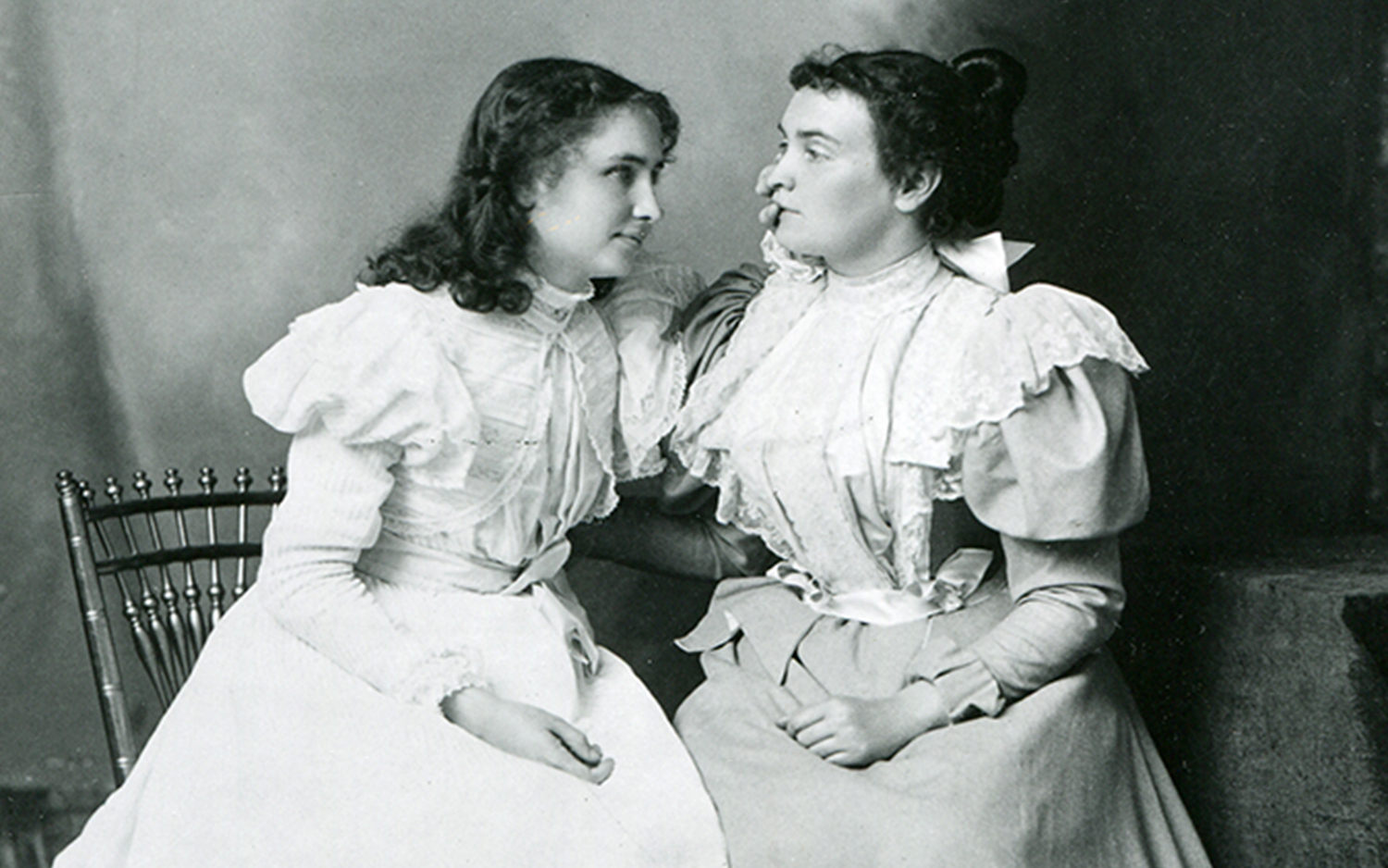
During Keller’s time, “technology” for the deaf-blind was rudimentary. It consisted of the manual alphabet (fingerspelling) and early iterations of tactile writing. Her teacher, Anne Sullivan, acted as a human interface, translating the visual and auditory world into tactile data. This was “low-tech” latency at its highest. Keller’s disease created a vacuum that could only be filled by physical touch.
From Biology to Binary
In the tech sector, we view Keller’s condition through the lens of bandwidth. Sight and hearing provide high-bitrate data streams to the brain. When her disease shut those ports down, she was forced to rely on the “haptic” channel. Modern developers now use Keller’s experience to model how we can offload information from one sense to another—a field known as cross-modal perception. By studying the limitations imposed by her 1882 illness, engineers have developed the frameworks for modern screen readers and tactile feedback systems.
The Evolution of Communication: From Braille Writers to AI-Driven Haptics
The transition from Helen Keller’s mechanical tools to today’s digital ecosystem represents one of the most significant leaps in software engineering and hardware design.
The Perkins Brailler and Mechanical Inputs
The first “hardware” Keller used was the Braille system. Invented by Louis Braille, it was a tactile code that allowed for the storage and retrieval of information. In the mid-20th century, the Perkins Brailler became the “laptop” of the blind community. It was a mechanical device that allowed for the efficient encoding of data. However, it was static. The information could not be easily edited, searched, or transmitted over distances.
The Rise of Refreshable Braille Displays
The tech industry solved the “static data” problem with Refreshable Braille Displays (RBDs). These are sophisticated hardware devices that use piezoelectric signals to raise and lower pins, creating Braille characters in real-time. For a modern-day Helen Keller, an RBD serves as a monitor. It connects via Bluetooth to a smartphone or PC, allowing a deaf-blind user to navigate the internet, send emails, and code software. This is a direct technological response to the isolation caused by the disease Keller contracted as an infant.
Haptic Gloves and the Digital “Manual Alphabet”
One of the most exciting developments in the “Keller Tech” niche is the emergence of haptic communication gloves. These wearables use small motors (actuators) to mimic the manual alphabet that Anne Sullivan spelled into Helen’s hand. By converting text-based data from a smartphone into specific pressure points on the hand, technology has automated the role of the “Teacher,” providing 24/7 access to the digital world without the need for a human intermediary.
The AI Frontier: Solving the Sensory Gap with Neural Networks
While hardware provides the interface, Artificial Intelligence (AI) provides the “sight” and “hearing” that Keller lost. Computer vision and Natural Language Processing (NLP) are the most powerful tools ever developed to mitigate the effects of the diseases that cause deaf-blindness.
Computer Vision: Giving Sight to the Sightless
Apps like Microsoft’s Seeing AI or Google’s Lookout use the smartphone camera to act as an artificial eye. Through machine learning models, these apps can identify objects, read currency, describe people’s facial expressions, and read text aloud (or convert it to Braille). If Helen Keller were alive today, she wouldn’t need someone to tell her she was standing in front of a tree; her device would identify the species, describe the color of the leaves, and transmit that data to her Braille display or haptic glove in milliseconds.
Audio-to-Tactile Translation
For the deaf-blind, the “audio” component of the world is often the hardest to capture. Modern AI is now capable of “Sound Recognition.” Software can listen for specific environmental cues—a doorbell, a smoke alarm, a baby crying, or a car horn—and translate those sounds into specific vibration patterns on a smartwatch. This is a sophisticated evolution of the way Keller used to feel the vibrations of a piano or a person’s throat to “hear” music or speech.
Generative AI and Contextual Awareness
The latest trend in accessibility tech is the use of Large Language Models (LLMs) to provide context. A deaf-blind user can take a photo of a crowded room, and the AI can provide a nuanced summary: “You are in a high-tech conference room with twelve people; the mood is professional, and there is a presentation on the screen about renewable energy.” This level of environmental metadata is closing the “information gap” that Keller spent her life trying to bridge through sheer willpower.
Designing for All: The Rise of Universal Design in Software Engineering
The legacy of Helen Keller’s disease has forced the tech industry to adopt a philosophy known as “Universal Design.” This principle suggests that products should be accessible to all people, regardless of age, ability, or status. What started as a niche requirement for “specialized” tech has become a benchmark for excellence in mainstream software development.
Accessibility as a Competitive Advantage
In the modern tech market, accessibility is no longer an afterthought; it is a core feature. Companies like Apple, Google, and Amazon invest billions into accessibility because they recognize that the features designed for the “Keller demographic” often benefit everyone. For example, Siri and Alexa (voice interfaces) were rooted in assistive technology research. High-contrast modes, gesture-based navigation, and haptic alerts on iPhones are all descendants of the tech designed to solve the problems of sight and hearing loss.
The Future of Neural Links and Sensory Restoration
Looking forward, the tech industry is moving beyond “substitution” and toward “restoration.” Brain-Computer Interfaces (BCIs), such as those being developed by Neuralink and Synchron, aim to bypass the damaged sensory organs entirely. If Keller’s disease destroyed her optic and auditory nerves, a BCI could theoretically stream digital data directly into the visual and auditory cortex of the brain. This represents the “final frontier” of tech: the ability to treat the symptoms of 19th-century diseases with 21st-century silicon.
Conclusion: A Tech-First World Built on Human Resilience
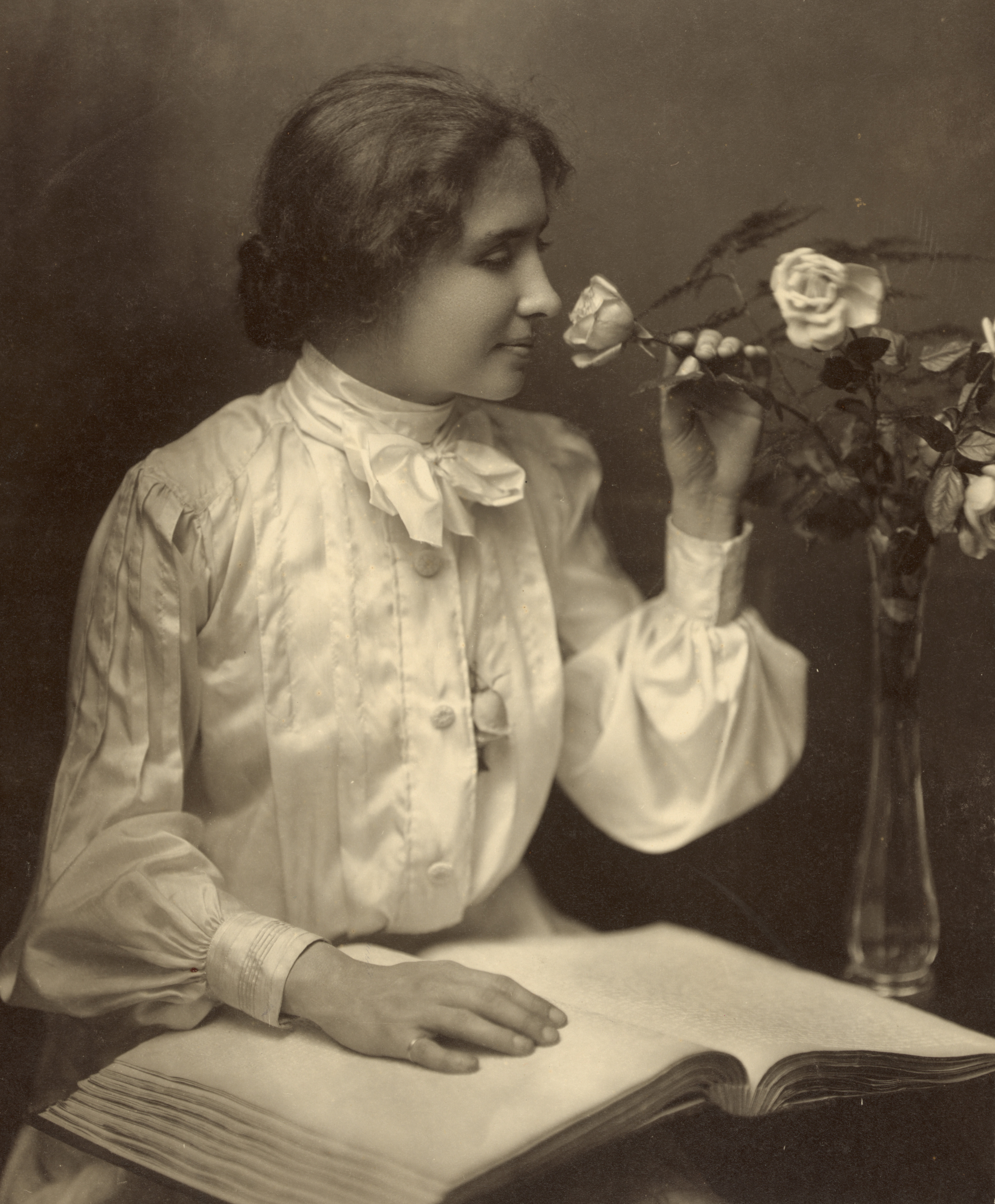
When we ask, “what disease did Helen Keller have,” we are looking at the biological origin of a technological revolution. Her illness—likely meningitis—was a catastrophic system failure of the human senses. However, that failure provided the roadmap for every assistive device we use today.
From the first Braille cell to the latest AI-powered wearable, the goal of technology has been to replicate the “Sullivan Effect”—the moment when a human mind connects with the world through an alternative interface. Today, that interface is digital. We have moved from the “Water” moment at the well-pump to a world where high-speed data, haptic feedback, and artificial intelligence ensure that no one, regardless of their medical history, is left in the dark or the silence. Helen Keller’s true legacy isn’t just her survival of a disease; it is her role as the ultimate inspiration for an industry dedicated to breaking the boundaries of human limitation through innovation.
aViewFromTheCave is a participant in the Amazon Services LLC Associates Program, an affiliate advertising program designed to provide a means for sites to earn advertising fees by advertising and linking to Amazon.com. Amazon, the Amazon logo, AmazonSupply, and the AmazonSupply logo are trademarks of Amazon.com, Inc. or its affiliates. As an Amazon Associate we earn affiliate commissions from qualifying purchases.