
At its core, Airbnb is much more than a digital marketplace for lodging; it is the cornerstone of a global shift in how individuals generate wealth, manage real estate assets, and participate in the modern economy. Founded during the 2008 financial crisis, the platform emerged as a solution for homeowners looking to offset mortgage costs by renting out spare rooms. Today, it has evolved into a sophisticated financial ecosystem that has birthed a new class of entrepreneurs and redefined the concept of “passive income” in the 21st century.

To understand what Airbnb is from a financial perspective, one must look past the interface of the app and into the mechanics of the “Sharing Economy.” This model leverages underutilized assets—in this case, residential real estate—and converts them into liquid, income-generating vehicles. For the investor, the side-hustler, and the corporate entity alike, Airbnb represents a fundamental disruption of the traditional hospitality industry and a democratization of property-based revenue.
The Economic Model: Turning Assets into Income Streams
The fundamental value proposition of Airbnb lies in its ability to facilitate peer-to-peer transactions at a scale previously unimaginable. Before its inception, the barrier to entry for the hospitality market was prohibitively high, requiring significant capital for hotel development or bed-and-breakfast licensing. Airbnb dismantled these barriers, allowing anyone with a spare bed or an empty apartment to compete directly with multi-billion-dollar hotel chains.
From Side Hustle to Scalable Business
For many, the journey begins as a simple side hustle. By listing a primary residence or a guest suite, individuals can generate significant cash flow to pay down debt, fund savings accounts, or supplement a primary salary. However, the financial allure of Airbnb often leads to “professionalization.” Many hosts transition from managing a single room to operating a portfolio of short-term rentals (STRs). This scalability is a key feature of the platform’s financial appeal. Because the platform provides the infrastructure—payment processing, insurance (AirCover), and a global marketing reach—the overhead required to scale a hospitality business is significantly lower than in traditional models.
The Disruption of Traditional Hospitality Real Estate
Airbnb’s economic impact extends beyond individual hosts; it has forced a revaluation of residential real estate. Properties in tourist-heavy or business-centric locations are no longer valued solely on their utility as homes or their potential for long-term leases. Instead, they are being appraised based on their “yield potential” as short-term rentals. In many markets, an Airbnb can generate two to three times the monthly revenue of a traditional long-term rental. This shift has created a new niche in real estate investing where the primary metric of success is the Average Daily Rate (ADR) and the occupancy percentage, rather than just property appreciation.
Revenue Maximization and Financial Strategy for Hosts
Entering the Airbnb market is an exercise in business finance. To be successful, a host must move beyond the “hospitality” aspect and focus on the “revenue management” aspect. The platform operates on dynamic pricing algorithms, similar to those used by airlines and major hotel groups, requiring hosts to be financially savvy and data-driven.
Managing Operational Costs and Overheads
While the top-line revenue of an Airbnb can be impressive, the bottom-line profit is determined by how effectively a host manages expenses. Unlike long-term rentals, where the tenant typically pays for utilities and maintenance, an Airbnb host is responsible for all carrying costs. This includes:
-
Utility and Connectivity Costs: High-speed internet, electricity, water, and gas.
-
Maintenance and Cleaning: Professional cleaning services are a non-negotiable expense to maintain the high ratings necessary for visibility.
-
Platform Fees: Airbnb typically charges hosts a flat service fee (usually around 3%), which must be factored into the pricing strategy.
-
Consumables: The cost of “startup” supplies like linens and furniture, as well as recurring costs like toiletries and coffee.
Successful hosts treat these as “Cost of Goods Sold” (COGS) and use specialized financial tools to track their margins, ensuring that their daily rate covers both fixed and variable costs while leaving a healthy profit.

Tax Implications and Financial Planning
The income generated through Airbnb is not just “extra cash”; it is taxable business income. In the United States and many other jurisdictions, this income must be reported, but it also opens the door to significant tax deductions. Expenses such as property taxes, mortgage interest, insurance premiums, and even the depreciation of furniture and the property itself can often be deducted against the income earned. For the sophisticated investor, the tax advantages of owning a short-term rental can be a primary driver for the investment, providing a “tax shield” that protects other forms of income.
Investing in Short-Term Rentals as an Asset Class
As the platform matured, it caught the attention of serious real estate investors. Airbnb is no longer just for homeowners; it is a recognized asset class for those looking to diversify their investment portfolios. There are two primary ways investors approach the financial potential of Airbnb: ownership and arbitrage.
Rental Arbitrage: Low Capital, High Risk/Reward
Rental arbitrage is a strategy where an individual leases a property long-term from a landlord and then sub-leases it on Airbnb (with permission). This is a popular “wealth-building” strategy because it requires significantly less capital than buying property. The investor essentially bets that the revenue generated from short-term guests will exceed the fixed cost of the monthly rent and utilities. While the ROI can be high due to low initial investment, the financial risk is substantial; if occupancy drops, the investor is still legally obligated to pay the monthly rent to the landlord.
Data-Driven Investment: The Role of Analytics
Modern Airbnb investing relies heavily on data. Tools like AirDNA or Mashvisor allow investors to analyze historical data, seasonal trends, and competitive benchmarks in specific neighborhoods. Investors look for “hidden gems”—areas with high demand but low hotel supply. By analyzing the “Cap Rate” (Capitalization Rate) and comparing the potential STR income against traditional rental income, investors can make informed decisions about where to deploy their capital for maximum returns. This level of financial scrutiny has moved Airbnb from a “hobby” to a legitimate pillar of a real estate investment strategy.
Regulation, Market Volatility, and the Future of Airbnb Income
While the financial rewards can be great, the Airbnb ecosystem is not without its risks. As a financial tool, it is subject to external pressures that can shift the profitability of a listing overnight. Understanding these risks is essential for anyone looking to use the platform as a serious income source.
The Regulatory Landscape
One of the biggest threats to the Airbnb financial model is local government regulation. Cities like New York, Paris, and Barcelona have implemented strict rules to limit short-term rentals in an effort to preserve housing for long-term residents. These regulations can include mandatory registration, limits on the number of days a property can be rented per year, or outright bans on non-primary residences being listed. For an investor, a change in local law can turn a profitable asset into a financial liability. This makes “regulatory risk” a primary concern in any Airbnb-related financial plan.
Market Saturation and the “Airbnbust” Phenomenon
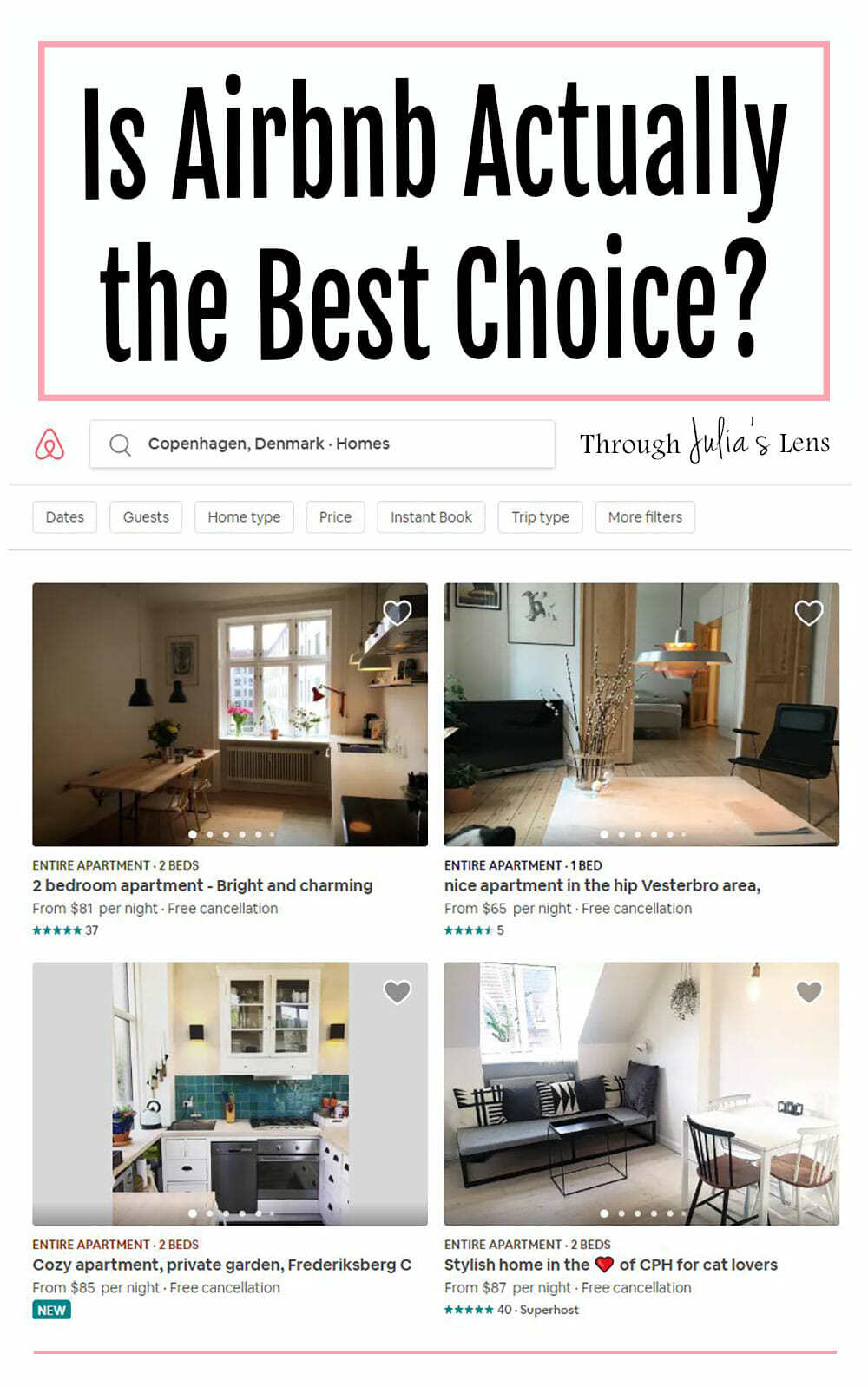
As more people have flocked to the platform seeking passive income, some markets have experienced saturation. This increase in supply can lead to lower occupancy rates and downward pressure on prices—a phenomenon sometimes referred to in financial circles as the “Airbnbust.” To stay profitable in a crowded market, hosts must invest more in professional photography, interior design, and “guest experiences” to justify higher rates. This increases the “Capital Expenditure” (CapEx) required to remain competitive, potentially squeezing margins for those who are not prepared for the increased cost of doing business.
Diversification and Long-Term Stability
To mitigate these risks, savvy financial operators do not rely solely on Airbnb. They view the platform as one distribution channel among many. They may list their properties on competing sites like VRBO or Booking.com, or even build their own direct-booking websites to avoid platform fees and gain more control over their brand. By diversifying their income streams and maintaining a flexible strategy that allows for a transition back to long-term renting if necessary, they protect their financial downside.
In conclusion, when asking “what is Airbnb,” the answer from a financial perspective is that it is a powerful engine for income generation and wealth creation. It has transformed the home from a dormant liability into a dynamic asset, created a new frontier for real estate investment, and provided millions of people with a path toward financial independence. However, like any sophisticated financial tool, it requires a deep understanding of market dynamics, operational efficiency, and risk management to truly unlock its potential.
aViewFromTheCave is a participant in the Amazon Services LLC Associates Program, an affiliate advertising program designed to provide a means for sites to earn advertising fees by advertising and linking to Amazon.com. Amazon, the Amazon logo, AmazonSupply, and the AmazonSupply logo are trademarks of Amazon.com, Inc. or its affiliates. As an Amazon Associate we earn affiliate commissions from qualifying purchases.