
In the early 2010s, the prevailing tech ethos was centered on “frictionless sharing.” The goal of every major platform—from Facebook to Foursquare—was to broadcast your location, your thoughts, and your consumption habits to as many people as possible. To be “social” was the ultimate digital virtue. However, a decade later, the pendulum has swung violently in the opposite direction. In the modern technological landscape, being “antisocial” no longer refers to a personality flaw or a lack of communication skills. Instead, it has become a sophisticated design philosophy and a high-demand consumer preference.
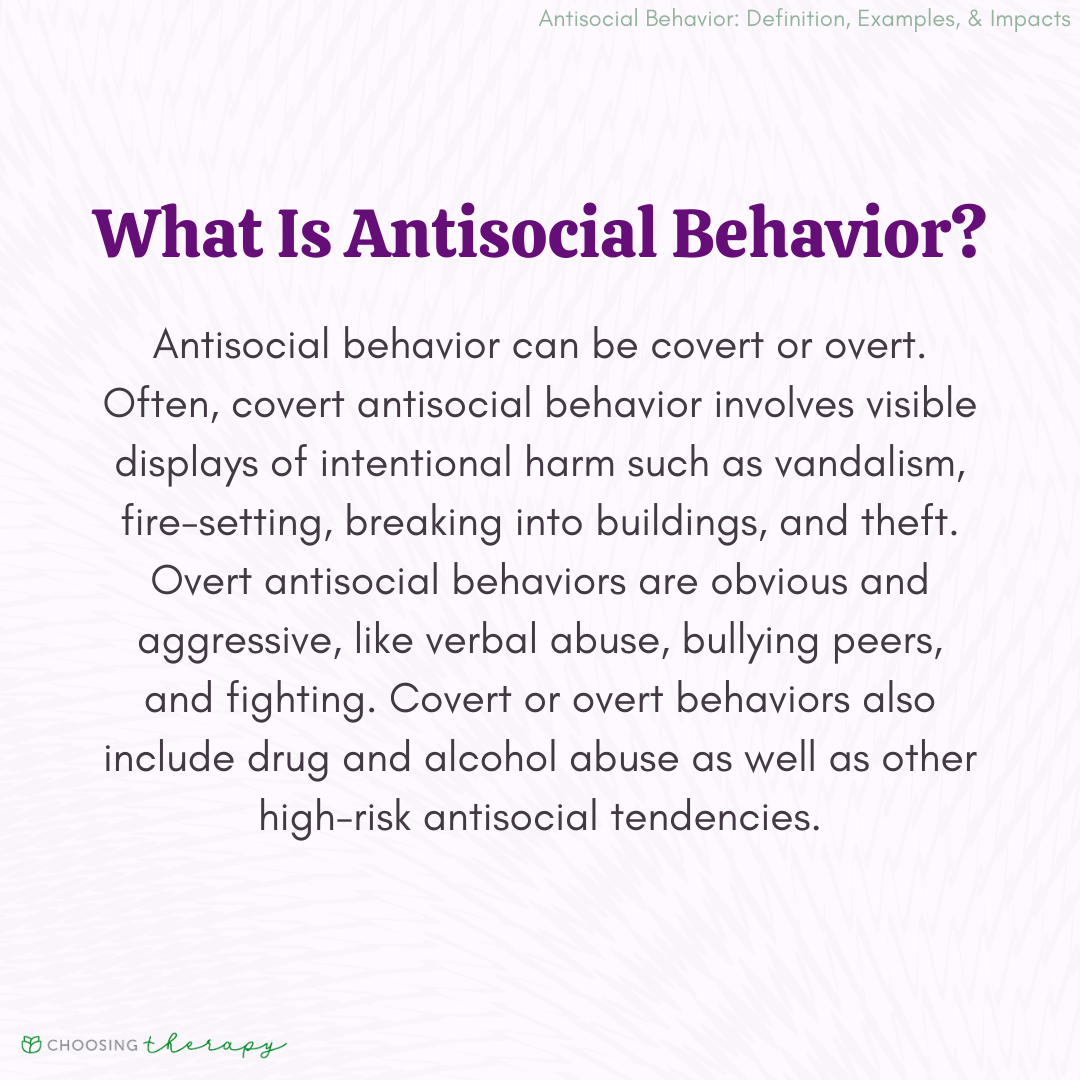
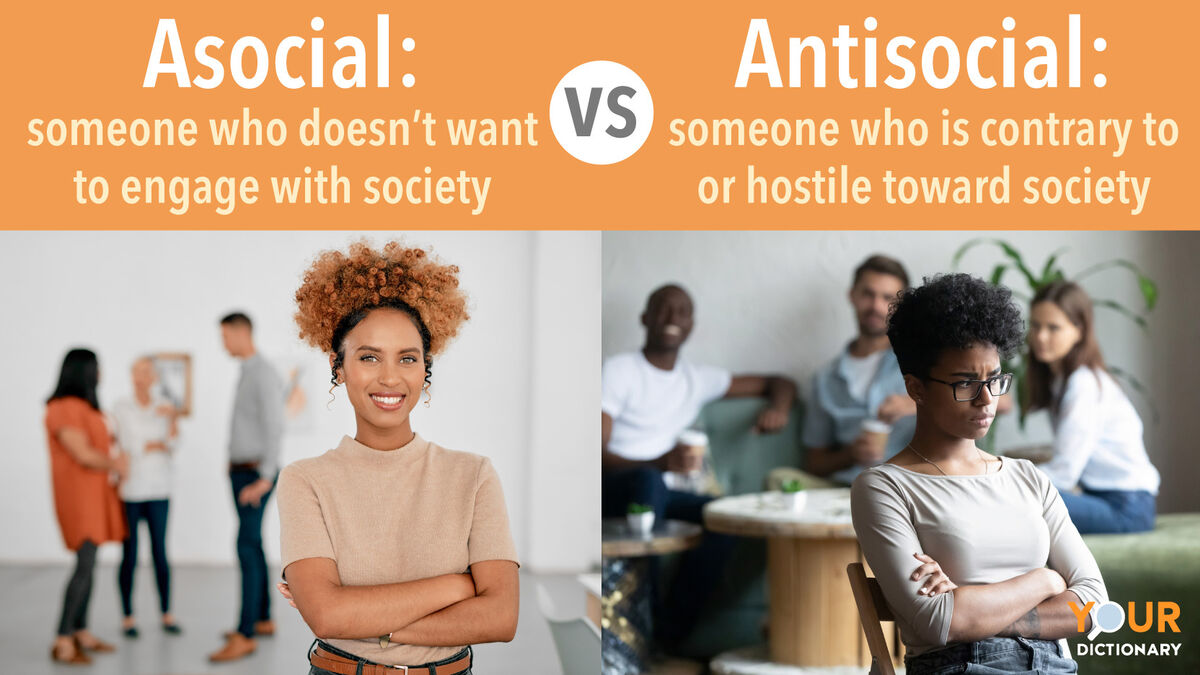
In the tech industry, “antisocial” refers to the movement toward digital minimalism, radical privacy, decentralized networks, and the rejection of the attention-extraction economy. It is a shift from the public square to the private “digital campfire,” where security and user autonomy take precedence over viral reach and public validation.
The Evolution from Social to Antisocial Technology
The trajectory of the internet has moved from the chaotic freedom of the early web to the walled gardens of social media, and now toward a fragmented, “antisocial” landscape. This shift is a direct response to the “engagement-at-all-costs” model that defined the last era of software development.
The Erosion of the Public Square
For years, the “Global Town Square” was the holy grail of tech. The idea was that by connecting everyone, we would foster understanding and progress. However, the reality proved more complex. Large-scale social platforms became breeding grounds for data harvesting, algorithmic manipulation, and toxic discourse. As a result, users have begun to migrate away from these public forums. Being antisocial in this context means opting out of the “broadcast” model. Users are increasingly seeking “dark social” channels—private groups, encrypted threads, and invite-only communities where the threat of public scrutiny and data profiling is significantly lower.
Algorithmic Fatigue and the Demand for Curation
Traditional social media platforms rely on algorithms designed to keep users scrolling by feeding them dopamine-triggering content. This has led to widespread “algorithmic fatigue,” where users feel they have lost control over their digital consumption. The antisocial tech movement prioritizes user-led curation over machine-led suggestion. This is evident in the resurgence of RSS feeds, newsletter platforms, and chronological timelines. By being “antisocial,” a tech user is essentially saying, “I want to choose what I see, rather than letting a black-box algorithm decide for me.”
The Tech Stack of the Antisocial Movement
The shift toward antisocial digital behavior is supported by a robust and evolving tech stack. This includes everything from specialized hardware to privacy-focused software protocols that prioritize security over social connectivity.
Decentralized Platforms and the Fediverse
One of the most significant developments in antisocial tech is the rise of the “Fediverse”—a collection of federated servers that are linked but independently owned. Platforms like Mastodon, Pleroma, and Lemmy allow users to join specific communities (instances) rather than a single, monolithic platform. This decentralization is inherently “antisocial” in the traditional sense because it breaks the global network into smaller, manageable, and often private pieces. It prevents a single entity from controlling the data or the narrative, providing a level of digital sovereignty that traditional social apps cannot match.
Privacy-Centric Communication Tools
If the hallmark of the social era was the “Wall” or the “Feed,” the hallmark of the antisocial era is end-to-end encryption (E2EE). Apps like Signal and Threema have seen explosive growth not because they offer the most “social” features, but because they offer the best digital security. These tools are designed to be “antisocial” by design; they don’t track your metadata, they don’t sell your contacts, and they don’t allow third parties to eavesdrop. The value proposition has shifted from “Who can I meet on this app?” to “How can I ensure no one else can see what I’m saying?”
Digital Minimalism and Minimalist Hardware
The antisocial trend has even extended to hardware. We are seeing a rise in “distraction-free” devices, such as the Light Phone II, the ReMarkable tablet, or the Astrohaus Freewrite. These gadgets are intentionally limited in their social capabilities. They lack browsers, social media apps, and notification centers. By stripping away the “social” features of a smartphone, these devices help users reclaim their focus. In this niche, “antisocial” tech is a luxury—a way to buy back one’s time from the engineers who are paid to steal it.
AI and the Automation of Human Interaction
The rise of Artificial Intelligence (AI) has added a new layer to what it means to be antisocial in tech. AI is increasingly acting as a buffer between the user and the world, automating interactions that used to require human-to-human social exchange.
Synthetic Socializing: The Role of LLMs
Large Language Models (LLMs) like ChatGPT, Claude, and specialized “AI companions” are changing the nature of interaction. For many, the first point of contact for information, creative brainstorming, or even emotional venting is now an AI rather than a human. This “synthetic socializing” allows users to satisfy their need for information or interaction without the complexities and privacy risks of engaging with a real person online. In this sense, AI enables an antisocial lifestyle where the user remains productive and connected to information while remaining socially isolated from the digital crowd.
The Impact on Digital Security and Identity
As AI makes it easier to spoof identities through deepfakes and sophisticated botnets, the “antisocial” approach to tech becomes a security necessity. When you cannot trust that the person on the other end of a social interaction is human, the logical response is to tighten your digital perimeter. We are seeing a shift toward “Zero Trust” architectures not just in corporate environments, but in personal digital habits. Users are becoming “antisocial” by verifying every interaction through cryptographic keys and private channels, assuming that any public-facing “social” platform is compromised by synthetic actors.
Navigating the Future: Is Antisocial Tech the New Standard?
The move toward antisocial technology is not a temporary trend; it is a structural realignment of how we interact with software and hardware. As the costs of being “too social”—data breaches, identity theft, and mental burnout—continue to rise, the value of antisocial tech will only increase.
The Business of Disconnection
From a market perspective, there is a burgeoning “antisocial” economy. Software developers are finding success with subscription-based models that promise a “clean” experience: no ads, no tracking, and no social pressure. This is a departure from the ad-supported models of the 2010s. For a modern tech startup, being “antisocial” can be a competitive advantage. By building tools that protect user data and limit social noise, companies can attract a high-value demographic that is willing to pay for privacy and peace of mind.

Balancing Security with Connectivity
The challenge for the future of tech lies in finding the balance. While being “antisocial” offers superior digital security and mental clarity, humans are still fundamentally social creatures. The next generation of apps and tools will likely focus on “intimate tech”—software that allows for deep, secure connection with a few trusted individuals while remaining completely antisocial to the rest of the world. This is the “Goldilocks zone” of the digital era: enough connectivity to stay relevant, but enough antisocial architecture to stay safe.
In conclusion, being antisocial in the tech world is no longer about a refusal to engage; it is about a refusal to be exploited. It is a conscious choice to use software, AI, and gadgets that serve the user rather than the advertiser. As we move deeper into this decade, the most sophisticated tech users will not be those with the most followers, but those with the most robust “antisocial” barriers—protecting their data, their attention, and their digital identities from an increasingly noisy and intrusive world.
aViewFromTheCave is a participant in the Amazon Services LLC Associates Program, an affiliate advertising program designed to provide a means for sites to earn advertising fees by advertising and linking to Amazon.com. Amazon, the Amazon logo, AmazonSupply, and the AmazonSupply logo are trademarks of Amazon.com, Inc. or its affiliates. As an Amazon Associate we earn affiliate commissions from qualifying purchases.