
The age of consent is a fundamental legal concept that defines the minimum age at which an individual can legally consent to sexual activity. In California, like in every state, understanding this age is crucial for both legal protection and ethical considerations. This article will delve into the intricacies of California’s age of consent laws, exploring its nuances, the rationale behind it, and the significant implications for individuals, particularly minors, and society as a whole.
Understanding the Core Legal Framework of California’s Age of Consent
At its heart, the age of consent law in California is designed to protect minors from sexual exploitation. It recognizes that individuals below a certain age may not possess the maturity, understanding, or legal capacity to willingly and knowingly agree to sexual relations. This legal protection is a cornerstone of child welfare and public policy.
The Statutory Age of Consent in California
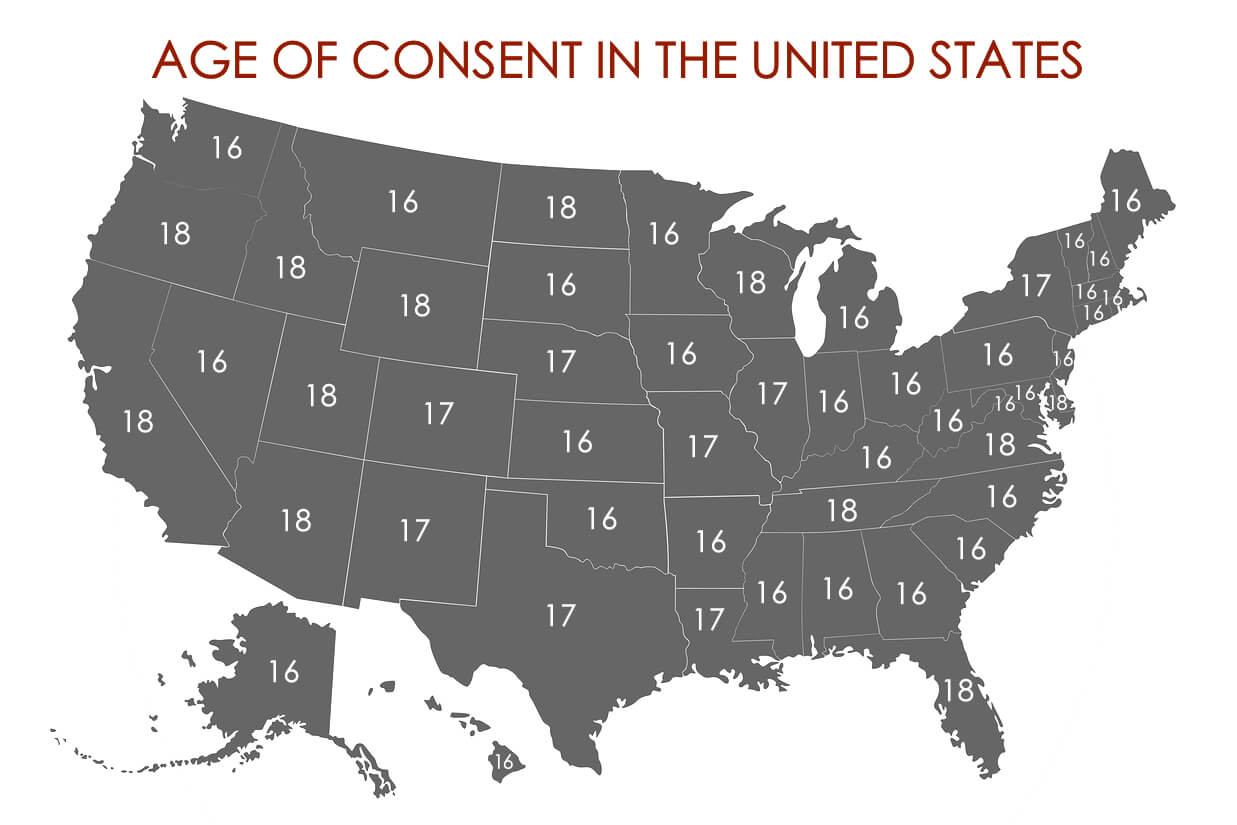
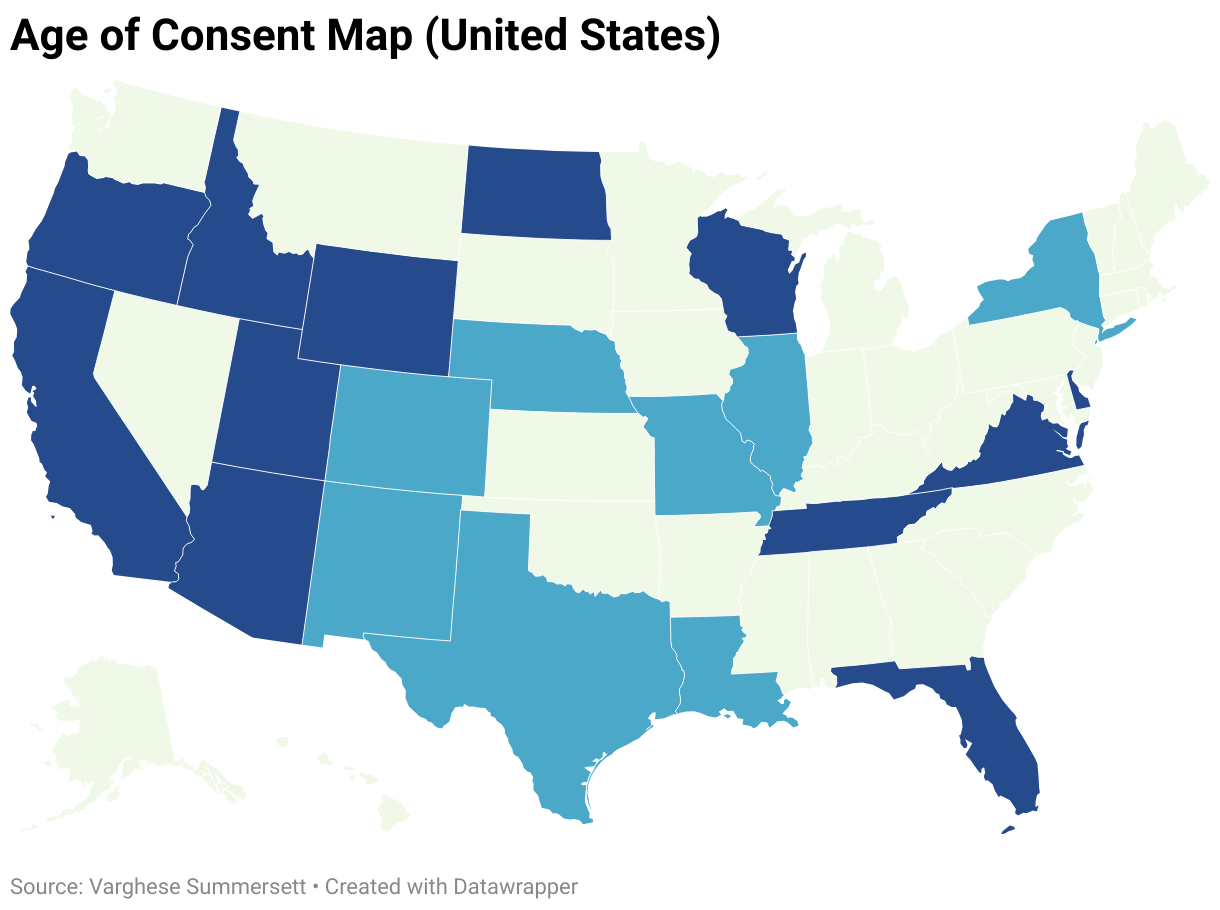
The primary age of consent in California is 18 years old. This means that any sexual activity between an individual aged 18 or older and an individual under 18 is generally considered unlawful, unless specific exceptions apply. This age was established through legislative action and reflects a societal consensus on when individuals are deemed capable of consenting to sexual activity. The law is clear and broadly applicable, aiming to prevent statutory rape, a serious felony.
Rationale Behind the Age of Consent
The rationale behind setting an age of consent is multifaceted and rooted in principles of protection and capacity.
- Protection of Minors: The primary objective is to shield young people, who are still developing physically, emotionally, and psychologically, from the potential harms of sexual activity with adults. This includes protection from exploitation, coercion, and unwanted pregnancies or STIs, which can have profound and lasting consequences on a minor’s health and well-being.
- Maturity and Understanding: The law presumes that individuals below the age of consent lack the full capacity to understand the implications, risks, and responsibilities associated with sexual activity. They may be more susceptible to manipulation, pressure, or coercion.
- Societal Values: The age of consent reflects societal values regarding childhood and adolescence. It establishes a clear boundary that distinguishes between consensual adult relationships and sexual interactions involving minors, which are deemed inherently problematic.
- Deterrence: The law serves as a deterrent to adults who might otherwise engage in sexual relationships with minors. The severe legal penalties associated with violating the age of consent laws are intended to discourage such behavior.
Distinguishing Consent from Age
It is critical to understand that “consent” and “age of consent” are distinct concepts, though intertwined. While the age of consent sets a legal baseline, true consent in any sexual interaction must be affirmative, enthusiastic, voluntary, and ongoing, regardless of age. However, legally, even if a minor says “yes,” their agreement is not recognized as valid consent if they are below the age of consent. The law essentially presumes a lack of capacity to consent for those under 18.
Exploring the Nuances and Exceptions to California’s Age of Consent Laws
While the age of 18 is the general rule, California law, like many other jurisdictions, includes specific nuances and exceptions designed to address particular circumstances. These exceptions are carefully crafted and often narrowly interpreted by courts.
The “Romeo and Juliet” Exception (Close-in-Age Exception)
California has a notable exception to its age of consent laws, often referred to as the “Romeo and Juliet” law or the close-in-age exception. This exception, codified in Penal Code Section 288.1, allows for a reduced penalty or exemption from prosecution in cases where the age difference between the two individuals is relatively small.
- Conditions of the Exception: Generally, this exception applies when both individuals are under the age of 18, and the age difference between them is no more than four years. For instance, if a 17-year-old engages in sexual activity with a 16-year-old, the older individual might not face the same severe penalties as they would if they were significantly older.
- Purpose of the Exception: The rationale behind this exception is to distinguish between a mature minor who is engaging in a relationship with another minor of similar age and an adult who is exploiting a much younger individual. It acknowledges that teenage relationships, while still subject to scrutiny, may not carry the same degree of societal harm as adult-minor relationships.
- Limitations: It is crucial to note that this exception is not a blanket permission for any sexual activity between minors. The specific age difference, the nature of the relationship, and other surrounding circumstances are still considered. Furthermore, the exception typically applies to the punishment rather than negating the act’s illegality altogether. The prosecuting attorney still has discretion in applying this exception.
Age of Consent for Specific Sexual Acts
It is also important to clarify that the age of consent applies to all forms of sexual activity, not just intercourse. This includes any lewd or lascivious acts with a minor. The law is broad in its scope to encompass any sexual touching or penetration.
Criminal Intent and Knowledge

In certain circumstances, particularly when dealing with the close-in-age exception or where there might be ambiguity, the prosecution may need to prove that the older individual knew or reasonably should have known that the other person was under the age of consent. However, for the standard age of consent violation, especially with a significant age gap, the age itself is often the primary factor, and the defendant’s knowledge of the victim’s age may be presumed or less critical than the fact that the victim was underage.
Legal Ramifications of Violating California’s Age of Consent Laws
Violating the age of consent laws in California carries severe legal consequences, reflecting the gravity with which these offenses are treated. The penalties can impact an individual’s freedom, reputation, and future.
Criminal Charges and Penalties
Engaging in sexual activity with someone under the age of 18 when you are 18 or older typically constitutes statutory rape, which is a felony in California. The penalties can vary depending on the specific circumstances, including:
- Prison Sentences: Conviction can lead to significant prison time, often ranging from several years to life imprisonment, depending on the severity of the offense, prior convictions, and aggravating factors.
- Fines: Substantial financial penalties can be imposed.
- Sex Offender Registration: A conviction for violating the age of consent laws almost invariably requires registration as a sex offender. This registration is a lifelong requirement in many cases and carries significant social stigma and restrictions on where a registered offender can live, work, and participate in community activities.
- Probation and Parole: Upon release from prison, individuals are often subject to lengthy periods of probation or parole with strict conditions.
Impact on Victims
The legal framework is designed to protect minors, and the long-term impact of sexual abuse on victims can be devastating. This includes psychological trauma, emotional distress, physical health issues, and difficulties in forming healthy relationships later in life. The legal system seeks to hold perpetrators accountable and provide avenues for justice and support for victims.
The Role of the Legal System
The California legal system, including law enforcement, prosecutors, and courts, plays a vital role in enforcing these laws. Investigations are initiated, evidence is gathered, and cases are prosecuted to ensure accountability and deter future offenses. Victims’ rights are also a significant consideration within the legal process.
Navigating Age of Consent Laws: Key Considerations for Individuals
Understanding and adhering to California’s age of consent laws is not just a legal obligation but a moral imperative. Both minors and adults must be aware of these regulations to avoid serious repercussions and to foster a safe environment.
For Adults
- Know the Law: Adults must be unequivocally aware that engaging in any sexual activity with an individual under 18 is illegal and carries severe penalties. Ignorance of the law is not a defense.
- Assume Responsibility: Adults are expected to exercise mature judgment and refrain from initiating or participating in any sexual conduct with minors. The responsibility rests heavily on the adult to ensure the other person is of legal age and capable of consenting.
- Avoid Ambiguity: Never place yourself in a situation where there is any doubt about an individual’s age or their capacity to consent. It is always better to err on the side of caution.
For Minors
- Understanding Your Rights: Minors have the right to be protected from sexual exploitation. It is important for young people to understand that they cannot legally consent to sexual activity with adults.
- Seeking Help: If you are a minor who has been pressured into or has experienced sexual activity with an adult, it is crucial to speak to a trusted adult, such as a parent, guardian, teacher, counselor, or law enforcement official. There are resources available to help.
- Navigating Peer Relationships: While the “Romeo and Juliet” exception exists, minors should still be aware of the potential legal implications of sexual activity with peers, especially if there is a significant age difference or if coercion is involved. Open communication with trusted adults is encouraged.
Importance of Education and Awareness
Comprehensive education on sexual consent, healthy relationships, and the law is vital for both adolescents and adults. Schools, families, and community organizations play a critical role in fostering this understanding. Increased awareness can empower individuals to make informed decisions, protect themselves and others, and contribute to a society that prioritizes the safety and well-being of young people.
Conclusion: Upholding Protection Through Legal Clarity
California’s age of consent laws are a critical mechanism for protecting minors from exploitation and abuse. By establishing a clear legal age of consent, the state aims to safeguard the physical, emotional, and psychological development of its youngest citizens. While nuances like the close-in-age exception exist, they are designed to address specific scenarios without undermining the overarching principle of protecting those who are not yet legally recognized as adults capable of consenting to sexual activity. Understanding these laws, their rationale, and their significant legal ramifications is essential for fostering a society that respects boundaries, promotes safety, and upholds the well-being of all its members, particularly its youth. Continuous education and open dialogue are key to ensuring that these laws are understood and respected, thereby contributing to a safer and more protective environment for everyone.
aViewFromTheCave is a participant in the Amazon Services LLC Associates Program, an affiliate advertising program designed to provide a means for sites to earn advertising fees by advertising and linking to Amazon.com. Amazon, the Amazon logo, AmazonSupply, and the AmazonSupply logo are trademarks of Amazon.com, Inc. or its affiliates. As an Amazon Associate we earn affiliate commissions from qualifying purchases.