
The Lifesaving Technology of Automated External Defibrillators
The Automated External Defibrillator, or AED, stands as a crucial piece of technology designed to save lives during sudden cardiac arrest (SCA). Far from a simple medical gadget, an AED is a sophisticated electronic device that leverages advanced algorithms and intuitive design to deliver an electric shock to the heart, aiming to restore a normal rhythm. Its proliferation in public spaces, workplaces, and homes reflects a global understanding of the critical time window in which intervention can make a difference. Understanding an AED goes beyond knowing what it does; it involves appreciating the intelligent engineering behind its functionality, which empowers bystanders with the ability to act as first responders in dire emergencies.
Understanding Sudden Cardiac Arrest
Sudden Cardiac Arrest (SCA) is a devastating medical emergency characterized by the abrupt loss of heart function, breathing, and consciousness. Unlike a heart attack, which is typically a “circulation” problem (a blocked artery), SCA is an “electrical” problem where the heart’s electrical activity becomes chaotic, often due to ventricular fibrillation (VF). In VF, the ventricles, the heart’s main pumping chambers, quiver uselessly instead of pumping blood effectively. Without immediate intervention, brain damage and death can occur rapidly, often within minutes. The brain, deprived of oxygen, begins to suffer irreparable damage within four to six minutes, underscoring the urgency of defibrillation. Modern medical technology has made significant strides in addressing this challenge, with the AED being a cornerstone of rapid response.
How an AED Intervenes
An AED’s primary function is to analyze the heart’s electrical activity and, if necessary, deliver a controlled electrical shock to interrupt the chaotic rhythm of ventricular fibrillation or ventricular tachycardia (VT). This shock temporarily “resets” the heart, allowing its natural pacemaker to potentially resume a normal rhythm. The device is programmed with complex algorithms that differentiate between shockable and non-shockable rhythms, preventing inappropriate shocks and guiding the user through the rescue process. Its intelligent design incorporates voice prompts, visual cues, and clear instructions, making it accessible even to individuals with minimal medical training. The technological sophistication lies in its ability to quickly and accurately assess the cardiac rhythm, ensuring that defibrillation occurs only when clinically indicated, thereby maximizing efficacy and safety. This immediate intervention, often delivered before professional medical help arrives, dramatically increases the chances of survival, transforming a critical medical event into a potentially survivable one.
Components and Functionality: Deconstructing the Device
At its core, an AED is a marvel of integrated electronics, designed for both resilience and simplicity of operation. Each component plays a vital role in its overall functionality, from power management to user interface, all working in concert to provide swift and accurate cardiac rhythm analysis and therapeutic intervention. The device’s robust construction ensures durability in various environments, while its internal software acts as the intelligent brain guiding the rescue process.
User Interface and Controls
The user interface of an AED is meticulously engineered for clarity and ease of use under stress. Typically, this includes prominent buttons, clear visual indicators, and most importantly, sophisticated voice prompts. The “On/Off” button initiates the device, after which it often begins a self-test and provides verbal instructions. The “Shock” button, usually flashing and clearly labeled, is only activated when the AED’s algorithms determine a shockable rhythm is present. Visual cues, such as flashing lights or diagrams, guide the user on pad placement and CPR timing. These interfaces are designed to minimize cognitive load during a high-stakes emergency, ensuring that even an untrained bystander can follow the steps effectively. The voice prompts are particularly critical, providing real-time guidance through each stage of the rescue, from attaching pads to administering CPR compressions, adjusting their cadence and instruction based on the unfolding scenario.
The Defibrillation Pads
The defibrillation pads are crucial conductive components that transmit the electrical shock to the patient’s chest. These adhesive pads contain electrodes that pick up the heart’s electrical signals for analysis and deliver the therapeutic current. They come in adult and pediatric versions, with the latter designed to deliver a lower, attenuated energy shock suitable for smaller body sizes. The pads are strategically placed on the patient’s bare chest—typically one below the right collarbone and the other on the left side below the armpit—to ensure the electrical current passes directly through the heart. Advanced AED technology ensures that these pads are pre-gelled for optimal conductivity and designed for quick, secure attachment, minimizing delay during a critical rescue. Some modern pads feature advanced sensing capabilities to improve signal acquisition, even on patients with challenging skin conditions or chest hair.
Battery and Power Management
Powering an AED requires a robust and reliable energy source, typically a long-life, disposable battery pack. These battery packs are engineered to provide enough power for multiple shocks and extended monitoring periods, often lasting for several years in standby mode. Advanced power management systems within the AED monitor battery life and provide alerts when replacement is necessary. This ensures the device is always ready for use. Some models also incorporate rechargeable options, particularly for professional use where frequent usage is anticipated. The battery technology often involves high-capacity lithium cells capable of delivering the significant current required for defibrillation, emphasizing safety features to prevent overheating or short circuits during operation or charging.
Software and Algorithms for Analysis
The true intelligence of an AED resides in its sophisticated software and proprietary algorithms. These programs continuously analyze the patient’s electrocardiogram (ECG) data, which is captured via the defibrillation pads. The algorithms are trained to accurately identify shockable rhythms like ventricular fibrillation and ventricular tachycardia while distinguishing them from non-shockable rhythms, such as asystole (flatline) or normal sinus rhythm. This analytical process is remarkably fast, often taking mere seconds. If a shockable rhythm is detected, the software charges the capacitor to the appropriate energy level and instructs the user to deliver the shock. Conversely, if a non-shockable rhythm is identified, the device advises against shocking and prompts the user to continue CPR. This intelligent discrimination prevents unnecessary shocks, which could be harmful, and ensures that critical time is spent on effective interventions. Modern AEDs also incorporate sophisticated noise reduction algorithms to ensure accurate rhythm analysis even in noisy or moving environments.
Types of AEDs and Their Technological Nuances
The evolution of AED technology has led to the development of various models, each with specific features tailored for different user needs and environments. While the core function remains consistent, technological advancements differentiate models in terms of automation, accessibility, and data management capabilities.
Fully Automatic vs. Semi-Automatic AEDs
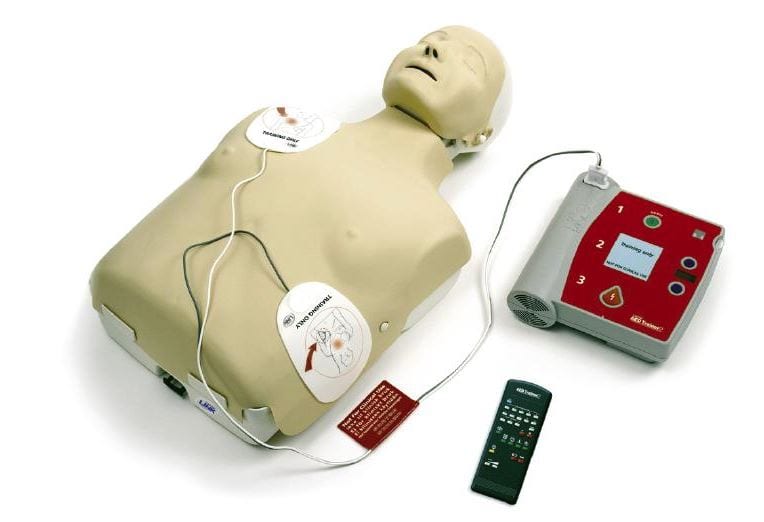
AEDs are broadly categorized into fully automatic and semi-automatic models, a distinction primarily related to the shock delivery mechanism. A semi-automatic AED analyzes the heart rhythm and, if a shockable rhythm is detected, prompts the user to press a flashing “Shock” button. This design requires user confirmation, giving the rescuer a sense of control and participation. In contrast, a fully automatic AED analyzes the heart rhythm and, if a shock is needed, automatically delivers it after a verbal countdown, without requiring any user interaction beyond initial setup. Both types are equally effective, but the choice often comes down to user preference and perceived comfort levels. Technologically, the difference lies in the final triggering mechanism: one relies on a human input, the other on an internal timer following algorithm confirmation.
Public Access Defibrillators (PADs)
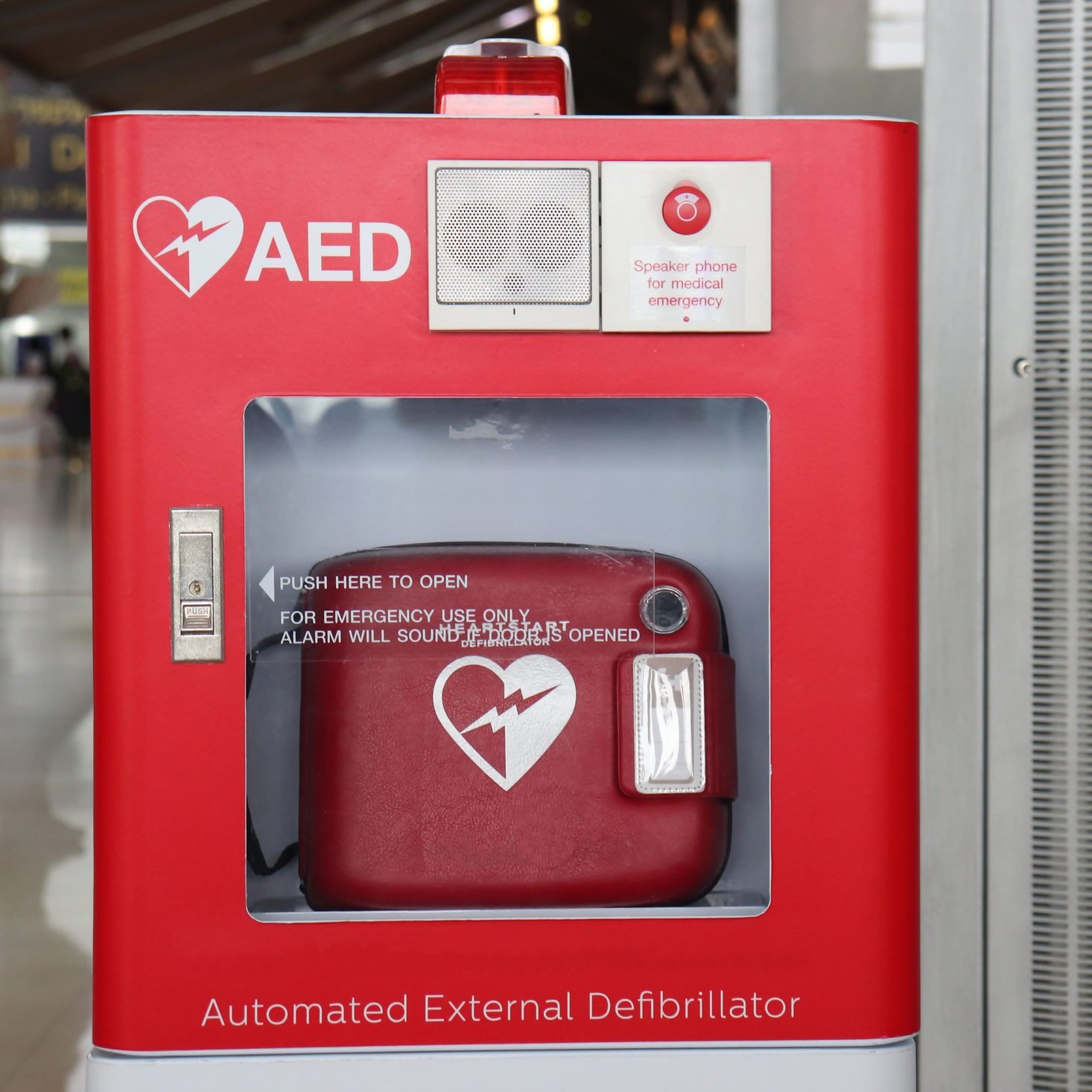
Public Access Defibrillators (PADs) are AEDs specifically designed for use by laypersons in public settings, such as airports, shopping malls, schools, and sports arenas. These devices are characterized by their extreme user-friendliness, robust construction, and often brightly colored cases for high visibility. Technologically, PADs emphasize intuitive interfaces, clear voice prompts, and straightforward instructions to minimize training requirements. They are often integrated into public safety networks, sometimes featuring cellular connectivity for automatic alerting of emergency services upon activation. The deployment strategy for PADs is heavily reliant on technological features that facilitate easy access, rapid deployment, and minimal maintenance checks, often involving automated self-tests and status indicators.
Advanced Features: Connectivity and Data Logging
Modern AEDs are increasingly incorporating advanced technological features that go beyond basic defibrillation. Connectivity is a significant trend, with some AEDs offering Wi-Fi or cellular capabilities. This allows for automatic transmission of event data (such as ECG rhythms, shock delivery details, and CPR performance) to medical professionals or emergency services, even before the patient reaches the hospital. This real-time data can be invaluable for post-resuscitation care and quality improvement. Data logging is a standard feature, recording every aspect of a rescue attempt, including ECG readings, shock energy delivered, and timestamps of events. This information can be downloaded later for review, training, and medical analysis. Some advanced models also include CPR feedback mechanisms, using accelerometers or other sensors in the pads to measure the depth and rate of chest compressions, providing real-time audio and visual guidance to help rescuers optimize their CPR technique, thereby enhancing the overall effectiveness of the rescue attempt.
The Role of AEDs in Modern Public Health Infrastructure
AEDs represent a pivotal advancement in public health technology, extending the reach of emergency medical care far beyond traditional settings. Their integration into communities signifies a strategic shift towards empowering the general public to respond effectively to time-critical medical emergencies.
Accessibility and Deployment Strategies
The strategic placement of AEDs is crucial to their effectiveness. Modern deployment strategies leverage mapping technologies and public health data to identify high-risk areas and optimize AED distribution. Buildings with high foot traffic, sports facilities, educational institutions, and corporate campuses are common locations for PADs. Technologically, this involves not just the physical device but also robust management systems that track AED locations, battery life, pad expiration dates, and readiness status. Some regions employ online registries and mobile applications that allow bystanders to quickly locate the nearest AED, transforming them from passive devices into active components of an interconnected emergency response ecosystem. This widespread accessibility is underpinned by the principle that earlier defibrillation dramatically improves survival rates.
Training and Ease of Use
Despite their advanced internal technology, AEDs are designed with remarkable ease of use in mind, making them accessible to individuals with little to no formal medical training. The devices incorporate clear, step-by-step voice prompts and visual instructions that guide the user through the entire rescue process, from attaching the pads to performing CPR and delivering a shock. This intuitive design is a testament to user-centric engineering, aiming to reduce hesitation and build confidence in an emergency situation. While formal training in CPR and AED use is highly recommended and widely available, the fundamental design ensures that anyone can follow the device’s commands effectively. This technological approach democratizes a critical medical procedure, shifting its execution from exclusively trained professionals to empowered lay responders.
Maintenance and Readiness
Maintaining the readiness of an AED is paramount, and modern devices incorporate technology to facilitate this. Most AEDs perform regular self-tests, checking their internal circuits, battery levels, and pad connectivity. Status indicators, often visual (like a green light), confirm the device is ready for use. If a fault is detected, the device will typically emit an audible alert and display a warning, signaling that maintenance is required. Beyond these internal diagnostics, robust management programs, often facilitated by cloud-based software, track the expiration dates of pads and batteries, scheduling replacements proactively. This proactive maintenance ensures that when an AED is needed, it functions without fail, underscoring the importance of ongoing technological oversight for these life-saving devices.
Future Innovations in Defibrillation Technology
The field of defibrillation technology is continuously evolving, driven by advancements in sensor technology, artificial intelligence, and connectivity. Future AEDs are poised to become even more intelligent, integrated, and personalized, further enhancing their life-saving potential.
Smart AEDs and IoT Integration
The next generation of AEDs is likely to embrace the Internet of Things (IoT) paradigm. “Smart AEDs” could integrate seamlessly with building management systems, emergency services networks, and even personal health devices. Imagine an AED that not only alerts 911 upon activation but also sends real-time physiological data to an incoming ambulance crew, or an AED that connects to a local hospital’s emergency room to share patient vitals immediately. This IoT integration would facilitate a more coordinated and efficient emergency response, dramatically reducing response times and improving patient outcomes. Connectivity could also enable remote diagnostics and software updates, ensuring devices are always running the latest and most efficient algorithms.
Miniaturization and Portability
As technology advances, the trend towards miniaturization continues. Future AEDs may become even smaller, lighter, and more portable, making them easier to carry in personal bags or integrate into smaller public spaces where current models might be cumbersome. Innovations in battery technology could lead to lighter, more powerful, and longer-lasting power sources. Imagine wearable AED technology, perhaps discreetly integrated into clothing or personal accessories for individuals at high risk of SCA. This increased portability would enhance accessibility and reduce the time to defibrillation, particularly in situations where a traditional AED might be too far away.
Enhanced AI for Rhythm Analysis
Artificial intelligence and machine learning are set to revolutionize the diagnostic capabilities of AEDs. While current algorithms are highly effective, future AI-powered AEDs could offer even more nuanced and accurate rhythm analysis, potentially identifying subtle electrical patterns that indicate specific cardiac conditions or predicting the likelihood of a successful shock with greater precision. AI could also personalize CPR feedback, adapting guidance based on the patient’s specific physiology or the rescuer’s fatigue levels. Furthermore, advanced AI could enable AEDs to filter out noise more effectively, analyze multiple physiological parameters simultaneously, and provide increasingly sophisticated real-time decision support to rescuers, optimizing every aspect of the emergency intervention.
aViewFromTheCave is a participant in the Amazon Services LLC Associates Program, an affiliate advertising program designed to provide a means for sites to earn advertising fees by advertising and linking to Amazon.com. Amazon, the Amazon logo, AmazonSupply, and the AmazonSupply logo are trademarks of Amazon.com, Inc. or its affiliates. As an Amazon Associate we earn affiliate commissions from qualifying purchases.