
Navigating the world of international money transfers requires precision, security, and an understanding of the specific data points required by financial service providers. Western Union remains one of the most widely utilized platforms for global remittances, offering a robust infrastructure for moving funds across borders. Whether you are sending money to support family abroad, paying for international services, or handling cross-border business transactions, preparing the correct information beforehand is the key to a seamless experience.
This guide breaks down exactly what you need to provide—and what you need from your recipient—to ensure your transfer is processed without unnecessary delays or security holds.
Essential Information for the Sender
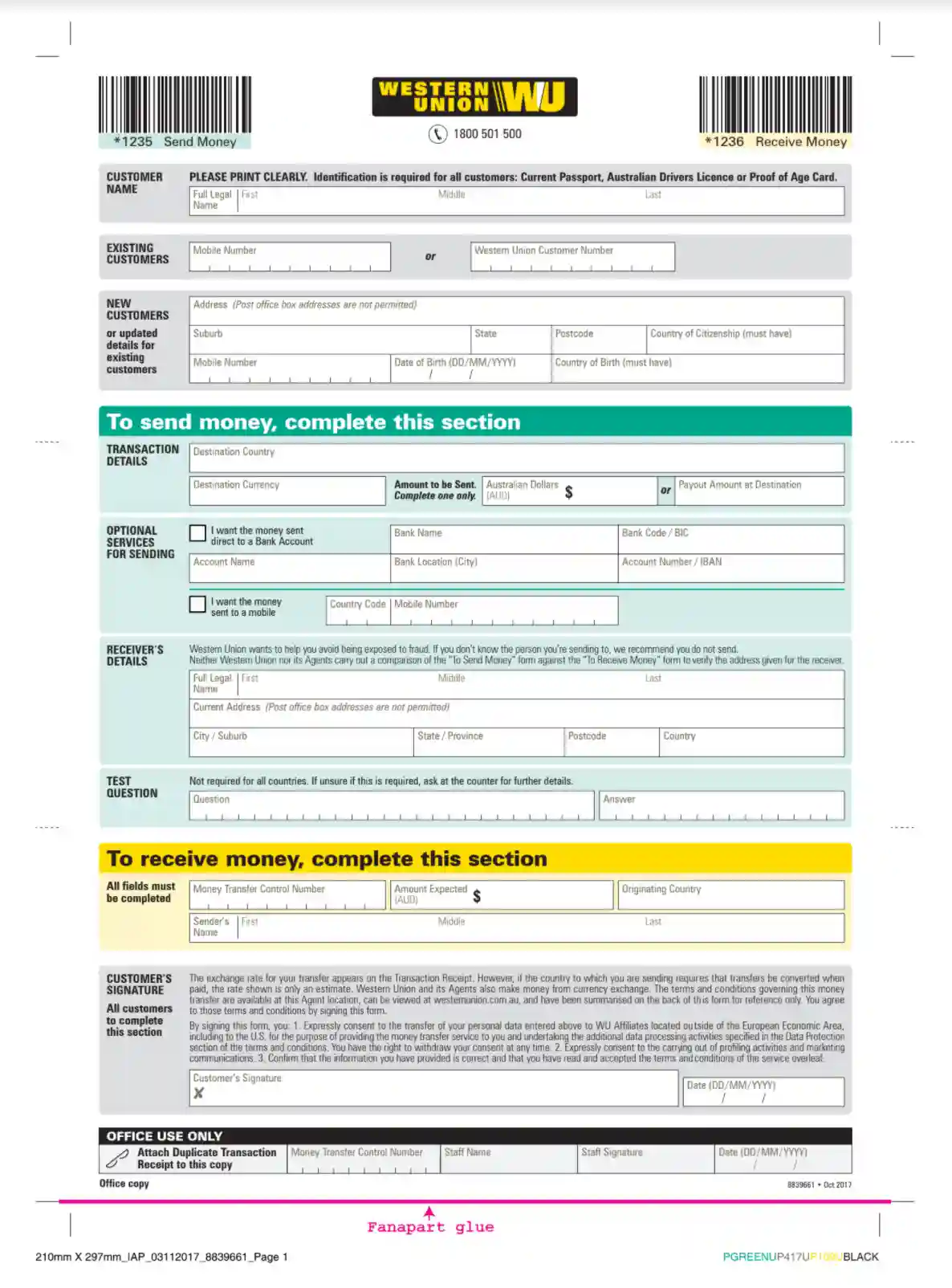
When initiating a transfer through Western Union, the platform is legally obligated to verify the identity of the sender to comply with Anti-Money Laundering (AML) and Know Your Customer (KYC) regulations. Regardless of whether you use the mobile app, the website, or visit an agent location, you must be prepared to provide verifiable credentials.
Personal Identification Requirements
For in-person transactions at an agent location, you must present a government-issued photo ID. Acceptable forms of identification typically include:
- A valid passport.
- A government-issued driver’s license.
- A national identity card (depending on the country of origin).
If you are using the online platform or mobile app, your identity is verified through digital onboarding processes. This often involves uploading a photo of your ID and, in some cases, taking a real-time “selfie” to match your identity against your documents. Ensure your documents are not expired and that the name on your ID matches the name on your bank account or credit card used for the transaction.
Funding Sources and Payment Details
You must choose a funding method, each of which requires different documentation:
- Bank Account: You will need your routing number (or SWIFT/BIC code for international transfers) and your account number.
- Credit/Debit Cards: You must have the full card number, expiration date, CVV/CVC code, and the billing address associated with the card.
- Cash: If paying at an agent location, you must have the physical currency ready. Be aware that some locations have cash limits, and you may be required to provide proof of source of funds for exceptionally large transfers.
Information Required for the Recipient
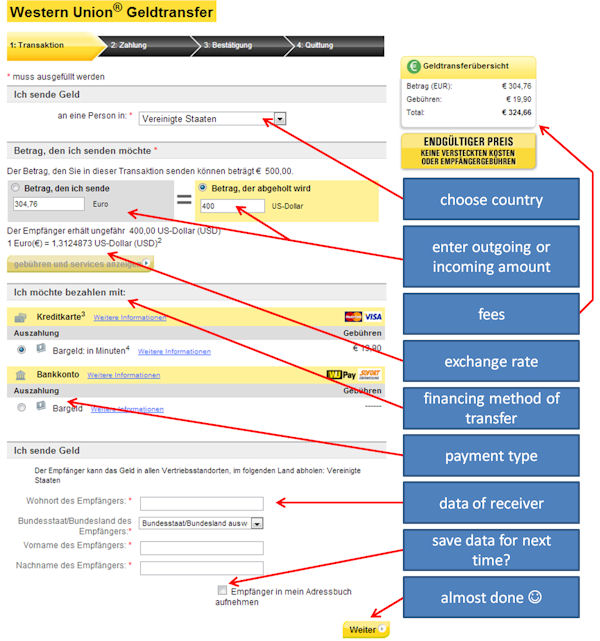
The information you need regarding the recipient depends entirely on the “payout method”—how the receiver intends to collect the funds. It is critical that you verify these details with the recipient before hitting the “send” button, as incorrect details can lead to funds being stuck in transit or returned, often incurring fees.
Payout to a Bank Account
If you are sending funds directly into a recipient’s bank account, the requirements are more stringent than cash-to-cash transfers. You will need:
- Full Legal Name: This must match the name on the recipient’s bank account exactly. Even a minor misspelling can result in a rejected transaction by the receiving bank.
- Bank Name and Address: While not always required for smaller transfers, having the full branch details is often necessary for larger international wires.
- IBAN or Account Number: Depending on the country, you will need the International Bank Account Number (IBAN) for European countries or the standard bank account number for other regions.
- SWIFT/BIC Code: This is an eight-to-eleven-character code that identifies the specific bank globally. If you do not have this, the transfer may fail.
Payout for Cash Pickup
Cash pickup is a popular option for those who do not have easy access to a bank account. For this method, you need:
- Full Legal Name: The recipient must provide an ID at the agent location that matches the name you entered exactly. If their ID says “Johnathan” and you enter “John,” the agent will likely refuse the payout.
- Location/Country: You need to specify the country (and sometimes the city) where the pickup will occur.
- Mobile Phone Number: Including the recipient’s phone number allows Western Union to send them an automated notification or SMS update when the money is ready for pickup.
Mobile Wallet Transfers
In many developing economies, mobile money wallets (such as M-Pesa or similar services) have replaced traditional banking. To send to a mobile wallet:
- Account Identifier: This is typically the recipient’s mobile phone number registered with their mobile money provider.
- Correct Provider: You must ensure you are selecting the correct mobile wallet operator from the list provided by Western Union.
Protecting Your Transaction and Personal Data
Security should be your primary concern when dealing with global remittances. Because Western Union transfers are effectively “cash-equivalent,” they are frequent targets for fraud. Understanding how to handle your transaction information safely is just as important as knowing what information to provide.
The Importance of the MTCN
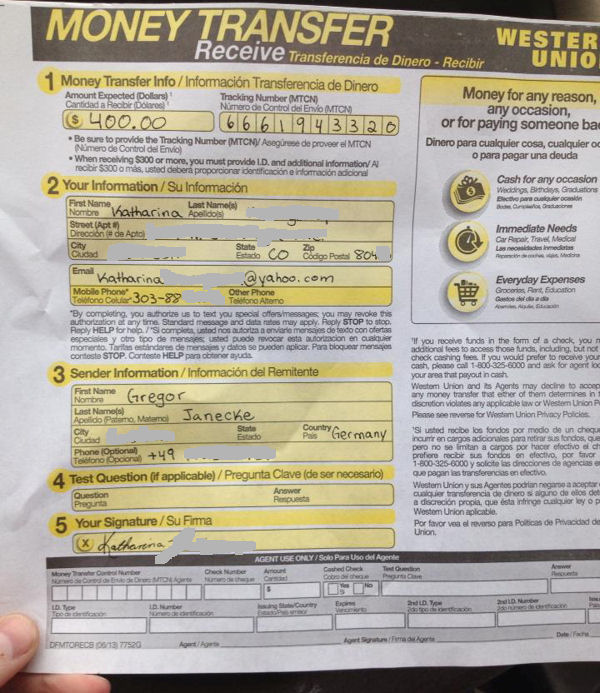
Once your transaction is processed, you will receive a Money Transfer Control Number (MTCN). This is a unique tracking code assigned to your transfer.
- Share only with the recipient: Never share your MTCN with anyone other than the person you are sending money to.
- Use it for tracking: The MTCN allows both you and the recipient to check the status of the transfer on the Western Union website or app.
- Verification: If you suspect an issue, the MTCN is the primary piece of data customer support will ask for to locate your transaction.
Identifying Potential Fraud
You should never send money to someone you do not know personally. Scammers often use pressure tactics, claiming an emergency, an inheritance, or a “too good to be true” business opportunity. If a stranger asks you to send money to cover “taxes,” “registration fees,” or “shipping costs,” these are major red flags.
Western Union provides the infrastructure to move money, but they cannot retrieve funds once they have been paid out to a recipient. By keeping your transfer details private and ensuring you are sending funds only to trusted individuals, you significantly mitigate the risk of financial loss.
Maintaining Records
Always save your transaction receipt or the confirmation screen from the digital platform. This record contains the date, the amount, the fees paid, the exchange rate used, and the MTCN. If there is a dispute regarding the transfer—or if the recipient claims they did not receive the funds—this documentation is your primary evidence for requesting an investigation or a refund.
By preparing your identification, verifying your recipient’s banking or identity details, and maintaining strict control over your transaction numbers, you can ensure that your experience with Western Union is efficient and secure. Precision is the best defense against delays; double-check every name, number, and code before confirming the final transaction.
aViewFromTheCave is a participant in the Amazon Services LLC Associates Program, an affiliate advertising program designed to provide a means for sites to earn advertising fees by advertising and linking to Amazon.com. Amazon, the Amazon logo, AmazonSupply, and the AmazonSupply logo are trademarks of Amazon.com, Inc. or its affiliates. As an Amazon Associate we earn affiliate commissions from qualifying purchases.