
Advertising revenue represents the monetary income generated by businesses or individuals through the display, promotion, or endorsement of products, services, or brands to an audience. It is a cornerstone of many modern business models, especially within media, digital platforms, and content creation, serving as a primary means to monetize content, services, or user engagement. Understanding advertising revenue is crucial for assessing the financial health and sustainability of numerous enterprises, from tech giants and social media platforms to individual content creators and small businesses.
The Fundamentals of Advertising Revenue
At its core, advertising revenue is a payment received for providing access to an audience. Advertisers pay to reach specific demographics, interests, or large user bases, hoping to convert these exposures into sales, leads, or brand awareness. For the entity receiving payment, this income stream directly supports operations, content creation, infrastructure, and innovation.
Defining Advertising Revenue
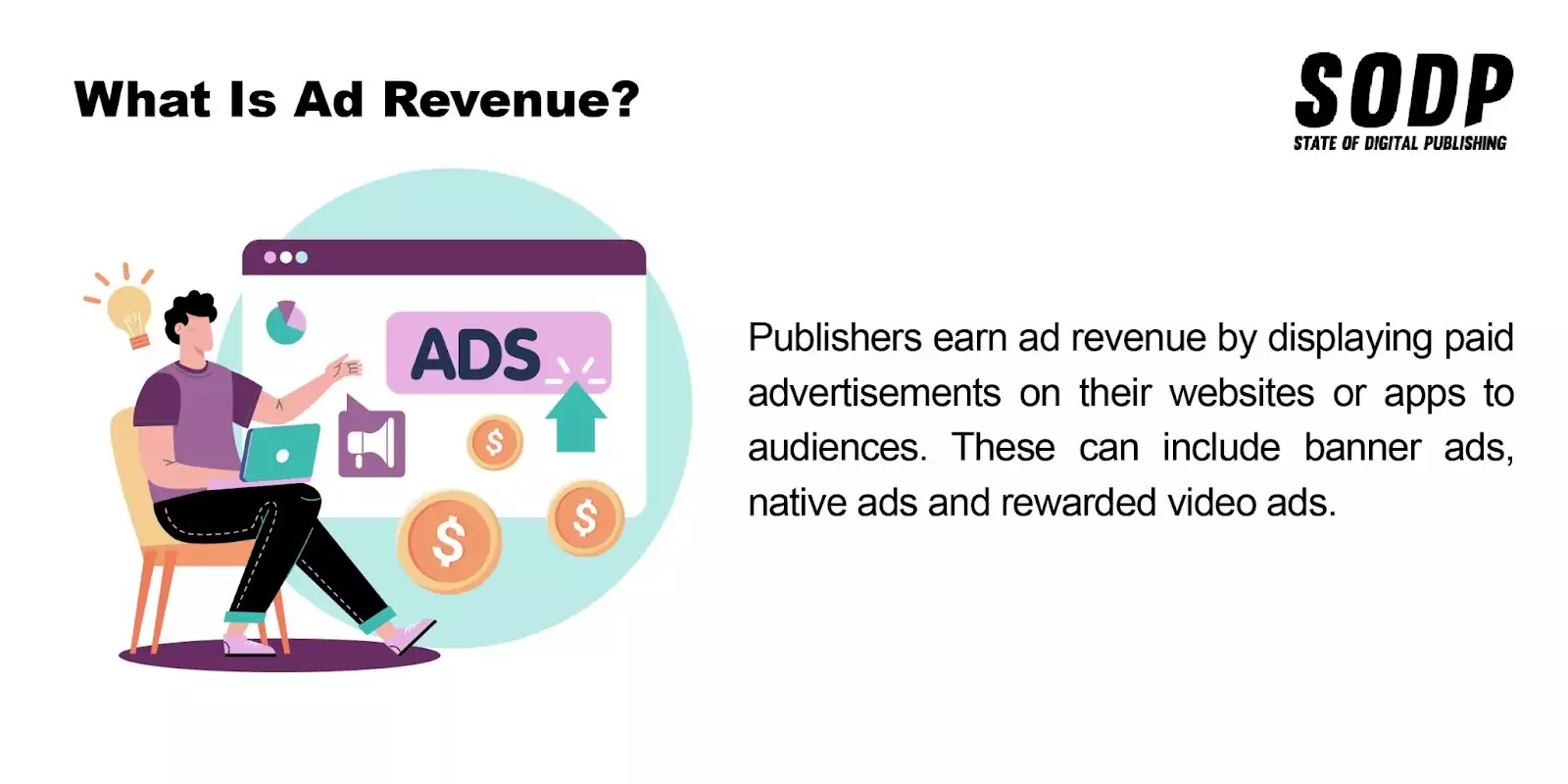
Advertising revenue refers specifically to the income derived from selling advertising space, time, or exposure. This can manifest in various forms:
- Direct Sales: Selling ad slots or sponsorships directly to advertisers.
- Programmatic Advertising: Automated buying and selling of ad inventory using real-time bidding.
- Affiliate Marketing: Earning a commission for driving sales or leads to another business.
- Sponsored Content: Receiving payment to create or publish content that promotes a brand or product.
- Subscription-Based Models with Ads: Platforms offering a free or lower-cost tier supported by ads, alongside a premium ad-free option.
The common thread is the exchange of audience attention for financial compensation, making it a critical component of business finance for countless organizations.
Why Advertising is a Key Revenue Driver
For many businesses, particularly those operating in the digital sphere, advertising revenue is not just supplementary income but the very lifeblood of their operations. Platforms that offer free services to users, such as social media networks, search engines, and news websites, often rely almost entirely on advertising to fund their extensive infrastructure, development costs, and employee salaries. Content creators, from YouTube vloggers to podcasters, also leverage advertising to turn their creative endeavors into sustainable businesses. The scalability of digital advertising allows businesses to monetize vast global audiences, making it an incredibly powerful and efficient revenue driver.
Common Models for Generating Advertising Revenue
The landscape of advertising revenue generation is diverse, with various models dictating how and when money changes hands. Each model has its own advantages, disadvantages, and suitability for different types of content and audiences.
Pay-Per-Click (PPC) and Cost-Per-Mille (CPM)
These are two foundational models in digital advertising:
- Pay-Per-Click (PPC): Advertisers pay the publisher or platform each time a user clicks on an ad. This model directly ties payment to user engagement, making it popular for performance-driven campaigns focused on website visits or conversions. Google Ads and social media ad platforms extensively use PPC.
- Cost-Per-Mille (CPM) or Cost-Per-Thousand (CPT): “Mille” is Latin for thousand. Advertisers pay for every thousand impressions (views) an ad receives. CPM is often used for brand awareness campaigns where the goal is broad exposure rather than immediate action. Publishers find CPM predictable for monetizing high-traffic content.
Affiliate Marketing and Sponsored Content
These models involve a closer integration between the advertiser’s message and the publisher’s content:
- Affiliate Marketing: A commission-based model where publishers (affiliates) earn a fee for driving sales, leads, or specific actions to a merchant’s website. This often involves unique tracking links embedded in content, and payment is contingent on a measurable outcome (e.g., a purchase, a sign-up). It’s a popular online income stream for bloggers, reviewers, and influencers.
- Sponsored Content: This involves a brand paying a publisher or content creator to produce content that integrates or features their product or service. This can range from sponsored articles and videos to dedicated social media posts. The payment is typically a flat fee agreed upon beforehand, providing a direct and often lucrative revenue stream for creators with engaged audiences.
Display, Video, and Native Advertising
These describe the format and placement of the ads:
- Display Advertising: Refers to visual ads (banners, images, animations) placed on websites, apps, and platforms. This is one of the oldest forms of digital advertising and is often sold via CPM or PPC.
- Video Advertising: Ads shown before, during, or after video content (pre-roll, mid-roll, post-roll). Platforms like YouTube heavily rely on video ad revenue. Payment models can vary, often including CPM for views or engagement-based metrics.
- Native Advertising: Ads designed to blend seamlessly with the surrounding content’s form and function. They don’t look like traditional ads and aim to be less disruptive, often appearing as “recommended articles” or “sponsored stories.” While harder to distinguish, their native appearance can lead to higher engagement and, consequently, higher revenue for publishers.
Subscription with Ads vs. Ad-Free Tiers
A growing number of platforms are adopting hybrid revenue models, offering users choices that impact ad revenue:
- Free (Ad-Supported) Tier: Users access content or services at no monetary cost, in exchange for viewing advertisements. This broadens the audience reach and thus the potential ad inventory.
- Premium (Ad-Free) Tier: Users pay a subscription fee to remove advertisements and often gain access to additional features or content. The subscription revenue compensates for the lost ad impressions. This strategy aims to maximize overall income by catering to different user preferences regarding cost and experience.
Calculating and Optimizing Advertising Revenue
Effectively managing and growing advertising revenue requires careful calculation, diligent tracking, and strategic optimization. Businesses need to understand key financial metrics and leverage analytics to make informed decisions.
Key Performance Indicators (KPIs)
To measure the financial success of advertising efforts, several KPIs are critical:
- Ad Impressions: The total number of times an ad is displayed. Directly impacts CPM revenue.
- Click-Through Rate (CTR): The percentage of users who click on an ad after seeing it. Crucial for PPC revenue.
- Conversion Rate: The percentage of clicks that result in a desired action (e.g., purchase, sign-up). Important for affiliate marketing and performance-based campaigns.
- Revenue Per Mille (RPM) or Revenue Per Thousand Impressions (RPT): The estimated earnings for every 1,000 impressions received. This metric helps publishers understand the efficiency of their ad inventory.
- Effective Cost Per Mille (eCPM): A unified metric that normalizes various ad revenue models (PPC, CPC, etc.) into a CPM equivalent, allowing for comparison across different ad formats and campaigns.
- Average Revenue Per User (ARPU): The total revenue divided by the number of active users. Provides insight into the value derived from each user.
Revenue Attribution and Analytics
Understanding which advertising efforts contribute to specific revenue outcomes is challenging but essential. Attribution models help assign credit to various touchpoints in a customer’s journey. Tools like Google Analytics, specific ad platform dashboards, and internal CRM systems provide the data necessary for this analysis. By accurately attributing revenue, businesses can identify the most profitable ad channels, formats, and campaigns, enabling better allocation of resources and improved return on ad investment.
Strategies for Maximizing Ad Income
Optimizing advertising revenue involves several key strategies:
- Audience Segmentation: Targeting specific user groups with relevant ads increases engagement and conversion rates, leading to higher CPM and PPC values.
- Ad Placement Optimization: Strategically positioning ads where they are most visible and least intrusive to the user experience can improve CTR and viewability.
- Ad Format Diversification: Utilizing a mix of display, video, native, and other formats can appeal to different advertisers and audience preferences, maximizing inventory monetization.
- Yield Management: Employing techniques to sell ad inventory at the highest possible price, often through programmatic platforms that facilitate real-time bidding wars among advertisers.
- Content Quality: High-quality, engaging content attracts and retains a larger, more desirable audience, making the ad inventory more valuable to advertisers.
- A/B Testing: Continuously testing different ad creatives, placements, and models to identify what performs best for a specific audience.
The Evolving Landscape of Advertising Revenue
The advertising revenue model is not static; it constantly adapts to technological advancements, regulatory changes, and shifts in consumer behavior. Staying abreast of these developments is critical for long-term financial stability.
Impact of Data Privacy and Regulations
Global data privacy regulations like GDPR (Europe) and CCPA (California) have significantly impacted how businesses collect, use, and monetize user data. These regulations necessitate greater transparency and user consent, affecting targeted advertising capabilities. Reduced access to detailed user data can make personalized advertising more challenging, potentially impacting the effectiveness and therefore the revenue generated from highly targeted campaigns. Businesses must invest in privacy-compliant data practices and explore new methods of audience targeting that respect user privacy.
The Rise of Programmatic Advertising
Programmatic advertising, the automated buying and selling of ad inventory in real-time, has revolutionized the industry. It enhances efficiency, targeting precision, and real-time optimization, driving higher yields for publishers and better ROI for advertisers. This shift means that ad revenue generation is increasingly reliant on sophisticated algorithms and data analytics rather than manual sales processes, leading to more dynamic and competitive pricing for ad placements.
New Frontiers in Monetization
Emerging technologies and platforms continually open new avenues for advertising revenue. The metaverse, with its immersive virtual environments, presents opportunities for virtual product placement, sponsored experiences, and in-world advertising. The creator economy empowers individual creators to directly monetize their content and audience through a blend of direct brand partnerships, platform ad revenue shares, and fan subscriptions, often bypassing traditional media gatekeepers. Podcasts, newsletters, and streaming platforms are also rapidly evolving their ad monetization strategies, showcasing a continuous innovation in how audience attention is translated into financial gain.
Challenges and Risks Associated with Ad Revenue
While highly lucrative, relying on advertising revenue comes with inherent challenges and risks that businesses must actively manage to ensure financial stability.
Ad Blocking and User Experience
The proliferation of ad blockers presents a direct threat to display and video ad revenue. Users often employ these tools to improve their browsing experience, reduce data usage, and avoid intrusive ads. This trend forces publishers to seek alternative monetization strategies, improve ad quality, or implement anti-ad blocking measures. Balancing advertising needs with a positive user experience is crucial; overly aggressive ad placements can drive users to install blockers or abandon a site altogether, directly impacting revenue streams.
Market Saturation and Competition
The digital advertising market is highly competitive, with countless businesses vying for advertiser budgets. This saturation can drive down ad rates (CPM, CPC), making it harder for individual publishers or smaller platforms to compete effectively. Furthermore, the dominance of major platforms (e.g., Google, Meta) in the ad tech ecosystem means they capture a significant share of ad spend, potentially leaving less for independent publishers. Strategies to differentiate content, build highly engaged niche audiences, and offer unique ad inventory are essential to thrive in this environment.
Dependence on Third-Party Platforms
Many businesses, particularly content creators and small publishers, rely heavily on third-party platforms (e.g., YouTube, Facebook, Google AdSense) for their ad revenue. This dependence introduces significant financial risk. Changes in platform algorithms, monetization policies, ad rates, or even unexpected account suspensions can drastically impact income without warning. Diversifying revenue streams beyond a single platform or ad network is a critical financial strategy to mitigate this risk, ensuring a more resilient business model.
aViewFromTheCave is a participant in the Amazon Services LLC Associates Program, an affiliate advertising program designed to provide a means for sites to earn advertising fees by advertising and linking to Amazon.com. Amazon, the Amazon logo, AmazonSupply, and the AmazonSupply logo are trademarks of Amazon.com, Inc. or its affiliates. As an Amazon Associate we earn affiliate commissions from qualifying purchases.