
In an era where healthcare costs continue their relentless ascent, securing affordable health insurance has become a paramount financial concern for millions. For many individuals and families, the prospect of managing monthly premiums alongside daily expenses can be daunting, if not impossible. Recognizing this critical challenge, the Affordable Care Act (ACA) introduced a mechanism designed to alleviate this burden and expand access to health coverage: the Premium Tax Credit (PTC). Among its most impactful provisions is the Advanced Premium Tax Credit (APTC), a crucial financial tool that provides upfront assistance to make health insurance premiums more manageable.
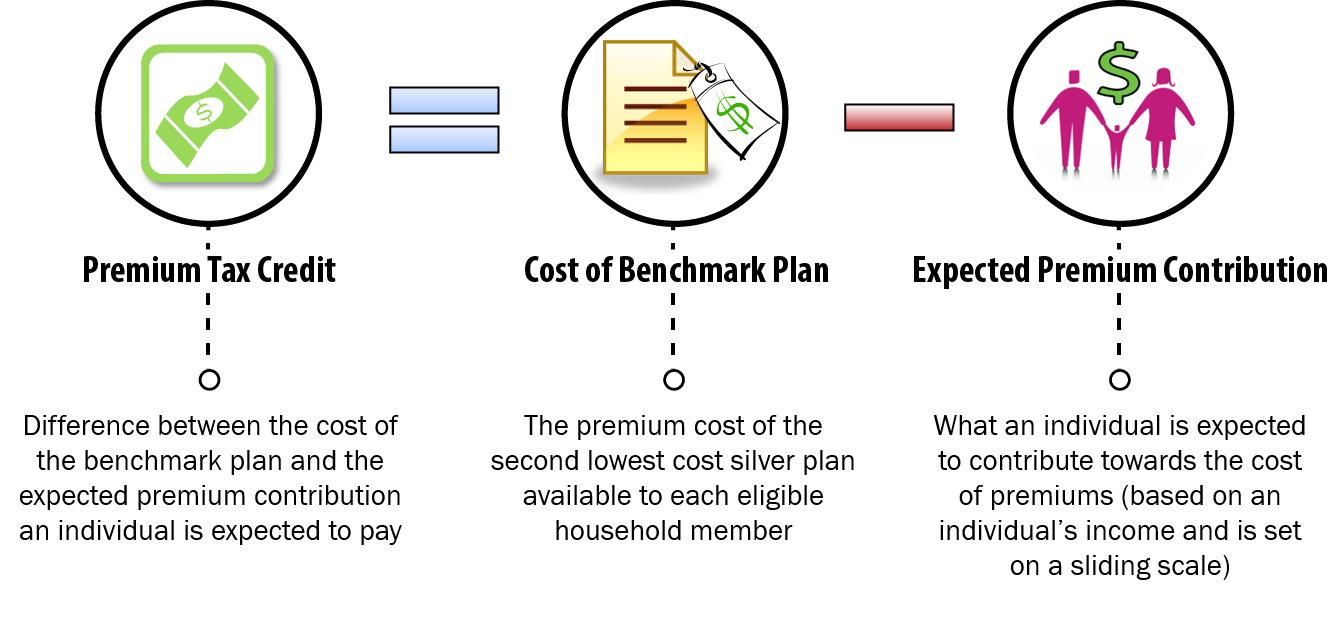
The Advanced Premium Tax Credit is more than just a government subsidy; it’s a vital component of personal financial planning for those navigating the complexities of the health insurance marketplace. It empowers eligible individuals and families to obtain health coverage that might otherwise be out of reach, bridging the gap between healthcare necessity and financial reality. This article aims to demystify the APTC, exploring its core concept, eligibility criteria, calculation methods, and strategic considerations for maximizing its benefits while avoiding common pitfalls. Understanding the APTC is not merely about claiming a credit; it’s about optimizing your financial health and ensuring access to essential medical care without jeopardizing your overall economic well-being.
Understanding the Core Concept of APTC
To fully grasp the significance of the Advanced Premium Tax Credit, it’s essential to first understand its foundational component, the Premium Tax Credit, and then differentiate how the “advanced” aspect transforms its utility. Both are powerful financial tools, but their delivery mechanisms cater to different immediate needs.
What is a Premium Tax Credit (PTC)?
The Premium Tax Credit (PTC) is a refundable tax credit established under the Affordable Care Act to help eligible individuals and families afford health insurance coverage purchased through the Health Insurance Marketplace (also known as the exchange). In essence, it’s a financial subsidy provided by the government to reduce the burden of monthly health insurance premiums.
Here’s how the core PTC works:
-
Eligibility: It’s available to those who enroll in a qualified health plan through a state or federal Health Insurance Marketplace and meet specific income and other criteria.
-
Purpose: The credit is designed to limit the amount a household has to pay for health insurance premiums to a certain percentage of their income, making coverage more affordable.
-
Refundable Nature: A key characteristic of the PTC is its “refundable” status. This means that if the amount of the credit is greater than your tax liability, you can receive the difference as a refund. This distinguishes it from non-refundable credits, which can only reduce your tax liability to zero.
Without the PTC, many individuals and families would face prohibitively high monthly premiums, forcing them to either forgo insurance or incur significant financial strain. The credit acts as a financial cushion, making essential health coverage a realistic option.
How “Advanced” Works: Upfront Assistance
While the PTC is a valuable benefit, receiving it as a lump sum at the end of the tax year might not address the immediate financial challenge of monthly premium payments. This is where the “Advanced” Premium Tax Credit (APTC) comes into play.
The APTC is simply the Premium Tax Credit paid in advance directly to your health insurance company. Instead of you paying the full premium each month and then waiting to claim the credit when you file your annual tax return, the APTC is applied immediately, reducing your out-of-pocket monthly premium costs.
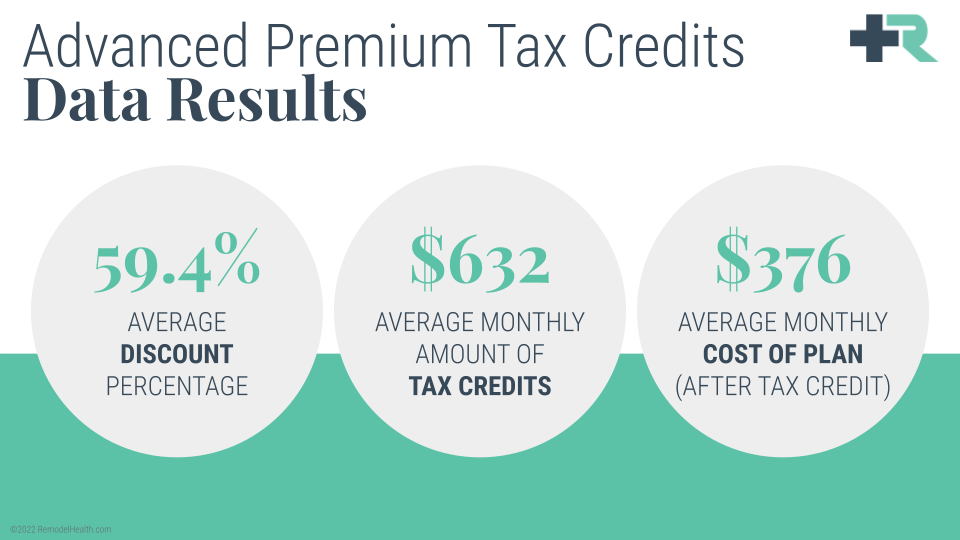
Consider this scenario: if your monthly health insurance premium is $500, and you are eligible for an APTC of $300, you would only pay $200 to your insurance company each month. The remaining $300 is paid directly to the insurer by the government on your behalf. This immediate reduction in monthly expenses provides significant financial relief, making it easier for households to budget for health insurance and maintain continuous coverage. The “advanced” component shifts the benefit from an annual tax-time adjustment to an ongoing, month-to-month financial support system, directly addressing the liquidity needs of those struggling with premium costs.
Eligibility and Qualification Criteria
Understanding the specific requirements for the Advanced Premium Tax Credit is crucial, as eligibility is not universal. Several factors, primarily centered around income, household composition, and existing health coverage options, dictate whether an individual or family qualifies for this valuable financial assistance.
Income Requirements
The most significant determinant for APTC eligibility is your household’s income relative to the Federal Poverty Level (FPL).
-
FPL Thresholds: To qualify, your Modified Adjusted Gross Income (MAGI) must generally fall between 100% and 400% of the FPL for your household size. For individuals residing in states that have expanded Medicaid, the lower income threshold for APTC typically starts above 138% of the FPL, as those below this level would generally qualify for Medicaid.
-
Modified Adjusted Gross Income (MAGI): It’s important to understand what MAGI entails. For most people, MAGI is simply your Adjusted Gross Income (AGI) as calculated for tax purposes, plus any tax-exempt interest, tax-exempt foreign earned income, and non-taxable Social Security benefits. It’s not your gross income, but a specific calculation that often excludes certain deductions. Accurate estimation of your MAGI for the upcoming year is paramount, as this figure directly impacts your APTC amount.
-
Annual Adjustments: The Federal Poverty Levels are updated annually, meaning the income thresholds for APTC eligibility can change from year to year. It’s important to consult the most current FPL guidelines when applying or re-enrolling.
Marketplace Enrollment
A fundamental requirement for receiving APTC is that you must enroll in a health insurance plan through a state or federal Health Insurance Marketplace (e.g., HealthCare.gov or your state’s specific exchange).
-
Exclusivity: You cannot receive APTC if you purchase health insurance directly from an insurance company outside of the Marketplace, through an agent who doesn’t use the Marketplace, or through other avenues. The Marketplace is the exclusive gateway for APTC eligibility.
-
Qualified Health Plan: The plan you choose must be a “qualified health plan” offered through the Marketplace. These plans meet specific ACA standards regarding essential health benefits.
Other Key Conditions
Beyond income and Marketplace enrollment, several other conditions must be met:
-
No Affordable Employer Coverage: You generally will not qualify for APTC if you have access to affordable health coverage through an employer-sponsored plan that meets minimum value standards. An employer plan is considered “affordable” if the employee’s share of the annual premium for self-only coverage is no more than a certain percentage (adjusted annually, e.g., 8.39% for 2024) of their household income. The “family glitch” is a notable exception here, where employer coverage might be affordable for the employee but excessively expensive for their family, potentially excluding the family from APTC even if they desperately need it.
-
No Eligibility for Government Programs: You cannot be eligible for other government-sponsored health coverage programs such as Medicaid, Medicare, or the Children’s Health Insurance Program (CHIP).
-
Tax Filing Status: If married, you must file a joint tax return to be eligible for APTC, with very limited exceptions (e.g., victims of domestic violence or spousal abandonment).
-
Not a Dependent: You cannot be claimed as a dependent on someone else’s tax return.
-
Citizenship/Lawful Presence: You must be a U.S. citizen or lawfully present immigrant.
Meeting all these criteria is essential for an individual or family to successfully apply for and receive the Advanced Premium Tax Credit, ensuring they can benefit from reduced monthly health insurance premiums.
Calculating and Receiving Your APTC
The calculation of your Advanced Premium Tax Credit is a nuanced process, influenced by a combination of personal financial data and regional health insurance costs. Once determined, the method of receiving this credit—applied directly to your premiums—is designed for maximum immediate benefit. However, the system also incorporates a crucial reconciliation step at tax time to ensure fairness and accuracy.
Factors Influencing Your Credit Amount
The exact amount of APTC you receive is not arbitrary; it’s meticulously calculated based on several key variables:
-
Household Income (MAGI) Relative to FPL: This is the primary driver. The lower your income relative to the FPL (within the eligibility range), the larger your APTC generally will be. The ACA sets a sliding scale, capping the percentage of income you’re expected to contribute towards your benchmark plan premium.
-
Household Size: The number of people in your tax household (yourself, your spouse, and dependents) directly impacts your FPL threshold and thus your eligibility and credit amount. Larger households generally have higher FPLs and may qualify for larger credits at similar income levels.
-
Cost of the Benchmark Plan: The APTC is tied to the cost of the “second-lowest-cost Silver plan” available in your specific rating area through the Marketplace. This plan, known as the “benchmark plan,” is used as the reference point, even if you choose a different metal level plan (Bronze, Gold, Platinum, or even a different Silver plan). The credit amount is calculated to help you afford this benchmark plan, ensuring that the portion of the premium you pay does not exceed the income-based cap.
-
Age and Geographic Location: Insurance premiums typically increase with age, and costs can vary significantly by state, county, and even zip code. These factors are inherently baked into the cost of the benchmark plan in your area, thus indirectly affecting the size of your APTC.
The Application Process
Applying for and receiving your APTC is integrated into the Marketplace enrollment process:
-
Marketplace Application: You begin by completing an application on HealthCare.gov or your state’s Health Insurance Marketplace website.
-
Provide Accurate Information: During the application, you’ll provide detailed information about your household, including estimated income for the upcoming year, household size, and any other health coverage options.
-
Eligibility Determination: Based on the information you provide, the Marketplace will determine if you are eligible for APTC and estimate the amount you can receive. This estimate relies heavily on your projected income, so accuracy is paramount.
-
Applying the Credit: Once your eligibility is confirmed, you’ll have the option to apply all, some, or none of your estimated APTC directly to your monthly premiums. Most people choose to apply the full amount to reduce their immediate out-of-pocket costs. The Marketplace then sends your portion of the premium payment to the insurance company each month.
Reconciling Your APTC at Tax Time
This is a critical step that many individuals overlook, leading to potential financial surprises. Because the APTC is based on estimated income for the upcoming year, a reconciliation process is necessary when you file your federal income tax return.
-
Form 1095-A: Each year, the Marketplace will send you Form 1095-A, “Health Insurance Marketplace Statement.” This document details the premiums paid for your health plan, the amount of APTC applied, and other essential information.
-
Form 8962: You must use the information from Form 1095-A to complete Form 8962, “Premium Tax Credit (PTC),” with your federal tax return. On this form, you’ll compare the APTC you received throughout the year (based on your estimated income) with the actual PTC you were eligible for (based on your actual year-end MAGI).
-
Potential Adjustments:
-
Recapture: If your actual income was higher than your estimated income, you likely received more APTC than you were entitled to. In this case, you may have to pay back some or all of the excess APTC. The amount you have to pay back is often capped, depending on your income level.
-
Additional Credit: Conversely, if your actual income was lower than your estimated income, you may have been eligible for a larger PTC than you received. In this scenario, you would get the difference as an additional tax credit, either reducing your tax liability or increasing your refund.
-
The reconciliation process underscores the importance of accurately estimating income and promptly reporting any significant life changes to the Marketplace. This proactive approach can help prevent unwelcome tax bills or ensure you receive the full benefit you are entitled to.
Benefits and Potential Pitfalls of APTC
The Advanced Premium Tax Credit serves as a critical financial bridge for millions, opening doors to essential healthcare services. However, like any complex financial mechanism, it comes with its own set of advantages and potential challenges that users must navigate carefully.
Advantages of Advanced Premium Tax Credit
The benefits of the APTC extend beyond mere cost reduction, impacting both individual financial stability and public health:
-
Immediate Financial Relief: Perhaps the most significant advantage is the immediate reduction in monthly health insurance premiums. By receiving the credit upfront, individuals and families don’t have to bear the full cost of premiums each month, making budgeting easier and preventing financial strain that could lead to skipping coverage.
-
Access to Affordable Health Insurance: For many, the APTC transforms the theoretical availability of health insurance into an affordable reality. Without this subsidy, the cost of Marketplace plans would be prohibitive for low and moderate-income households, potentially leading to a lack of coverage and deferred medical care.
-
Promotes Preventive Care and Reduces Financial Barriers: By making insurance more affordable, APTC encourages individuals to enroll in coverage and utilize preventive services. Early detection and management of health conditions through regular check-ups and screenings can lead to better health outcomes and prevent more costly medical emergencies down the line, benefiting both individuals and the broader healthcare system.
-
Flexibility in Choosing Plans: While the APTC calculation is based on a benchmark Silver plan, recipients can apply their credit to any metal-tier plan (Bronze, Silver, Gold, Platinum) offered through the Marketplace. This flexibility allows individuals to choose a plan that best fits their medical needs and financial preferences (e.g., a Bronze plan with lower premiums and higher deductibles, or a Gold plan with higher premiums and lower out-of-pocket costs).
Common Challenges and Considerations
Despite its numerous advantages, individuals utilizing the APTC must be aware of potential pitfalls, primarily related to income accuracy and reporting:
-
Income Fluctuations: The Biggest Pitfall: The most common challenge arises from changes in income throughout the year. The APTC is based on an estimate of your annual income. If your actual income ends up being significantly higher than your estimate, you may have to repay some or all of the excess APTC you received during tax reconciliation. This “recapture” can be an unexpected and unwelcome financial burden. Conversely, if your income is lower than estimated, you may have under-received APTC, meaning you missed out on upfront savings and would receive a larger refund at tax time, which might have been more beneficial to your monthly budget.
-
Importance of Reporting Life Changes: Failure to promptly report significant life changes to the Marketplace can lead to major discrepancies during tax reconciliation. Events like marriage, divorce, birth or adoption of a child, a change in job status (starting, leaving, or changing hours), or changes in eligibility for other health coverage (e.g., employer-sponsored plan) can all impact your household size and MAGI, thereby affecting your APTC eligibility and amount. Neglecting to update the Marketplace can result in either owing a substantial amount or missing out on a larger credit.
-
The “Family Glitch”: While less common, the “family glitch” is a notable issue. It occurs when an employer offers an “affordable” health plan only for the employee (meaning the employee’s premium share meets the affordability standard), but the cost to add family members is prohibitively expensive. Under current rules, if the employee’s individual coverage is considered affordable, the entire family may be deemed ineligible for APTC in the Marketplace, even if they cannot afford the employer’s family plan. This creates a coverage gap for many families. While policy discussions continue, this remains a significant hurdle for some households.
-
Understanding Plan Tiers and Out-of-Pocket Costs: While APTC lowers premiums, it doesn’t necessarily reduce deductibles, co-pays, or other out-of-pocket costs unless you also qualify for Cost-Sharing Reductions (CSRs), which are available only with Silver plans at certain income levels. Some individuals might opt for a low-premium Bronze plan with APTC but then face high deductibles, potentially impacting their ability to access care if they don’t have sufficient savings.
Navigating the APTC requires diligence and a clear understanding of its mechanics. Proactive management of your income estimates and timely reporting of life changes are essential to maximize the benefits and avoid potential financial complications.
Strategic Tips for Maximizing Your APTC
Effectively utilizing the Advanced Premium Tax Credit requires more than just initial enrollment; it demands proactive financial planning and engagement throughout the year. By taking a strategic approach, individuals and families can optimize their APTC benefits, ensure they receive the correct amount of assistance, and avoid unexpected financial liabilities at tax time.
Accurately Estimate Your Income
The cornerstone of maximizing your APTC is providing the most accurate possible estimate of your Modified Adjusted Gross Income (MAGI) for the upcoming year. This is arguably the single most critical factor:
-
Comprehensive Income Projection: Don’t just consider your primary job income. Factor in all potential sources of taxable income, such as unemployment benefits, Social Security benefits, freelance income, investment income, and any expected bonuses. Also, consider any deductions that might lower your MAGI.
-
Conservative Estimation: If your income fluctuates, or you anticipate a potential raise or new job, it’s often wise to err on the side of caution and slightly overestimate your income. This approach helps reduce the risk of owing money back at tax time due to receiving too much APTC. If you slightly overestimate, you might receive a smaller APTC upfront but could get a larger tax refund later, which is often preferable to a tax bill.
-
Utilize Marketplace Tools: The Health Insurance Marketplace often provides calculators and tools to help you estimate your income. Use these resources, and don’t hesitate to consult with an enrollment assister for personalized guidance.
Proactive Reporting of Life Changes
Life is unpredictable, and changes to your income or household composition can occur at any time. Timely reporting of these changes to the Marketplace is crucial for maintaining an accurate APTC:
-
What to Report: Any significant event that could impact your MAGI or household size should be reported. This includes:
-
Changes in employment (starting a new job, losing a job, significant change in hours or pay).
-
Changes in household size (marriage, divorce, birth or adoption of a child, a dependent moving out).
-
Changes in eligibility for other health coverage (e.g., becoming eligible for an employer-sponsored plan, Medicare, or Medicaid).
-
Changes in residence that might affect plan availability or costs.
-
-
Why It’s Crucial: Reporting changes allows the Marketplace to adjust your APTC amount mid-year. This prevents either an overpayment (leading to recapture at tax time) or an underpayment (meaning you pay more in premiums than necessary). Regular updates ensure your monthly premium subsidy remains aligned with your current financial situation, promoting financial stability.
Leverage Financial Tools and Professional Advice
Navigating the intricacies of APTC can be complex, especially with fluctuating incomes or unique household situations. Don’t hesitate to seek out resources and expert guidance:
-
Marketplace Calculators: Use the online tools provided by your state or federal Marketplace to model different income scenarios and see how they impact your APTC and plan options.
-
Certified Enrollment Assisters: These professionals are trained to help individuals understand their options, apply for coverage, and estimate their APTC. Their services are typically free.
-
Tax Professionals: Consulting with a tax accountant or financial advisor can be invaluable, especially if you have complex income streams, deductions, or anticipate significant changes. They can help you understand the interplay between your MAGI, tax deductions, and how these affect your APTC reconciliation, providing strategies to minimize tax surprises.
-
Understand Your Plan’s Total Costs: While APTC reduces premiums, remember to consider deductibles, co-pays, and out-of-pocket maximums. For those with incomes between 100% and 250% of the FPL, “Cost-Sharing Reductions” (CSRs) may be available, but only if you choose a Silver plan. CSRs reduce your out-of-pocket costs, making Silver plans particularly valuable for this income bracket.
By being diligent in estimating income, proactive in reporting changes, and leveraging available expertise, you can confidently manage your APTC, ensuring stable access to affordable healthcare while maintaining sound financial footing.

Conclusion
The Advanced Premium Tax Credit (APTC) stands as a cornerstone of financial assistance within the health insurance landscape, designed to make essential coverage accessible and affordable for millions of Americans. It functions as a vital financial tool, providing immediate relief from monthly premium burdens and serving as a crucial bridge between healthcare needs and economic realities for individuals and families navigating the complexities of the Health Insurance Marketplace.
Understanding the APTC is not merely an exercise in deciphering tax code; it’s an imperative for sound personal financial management. From its foundational role in capping premium contributions to the nuanced process of eligibility determination based on income and household size, every aspect of the APTC is geared towards mitigating the financial stress associated with healthcare costs. The “advanced” nature of this credit means assistance is felt immediately, fostering financial stability rather than deferred relief.
However, the power of the APTC comes with the significant responsibility of accurate reporting and proactive engagement. The crucial reconciliation process at tax time underscores the importance of correctly estimating income and promptly notifying the Marketplace of any life changes. Failing to do so can lead to unexpected tax liabilities or, conversely, a missed opportunity for greater financial assistance.
Ultimately, the Advanced Premium Tax Credit is more than just a subsidy; it is an empowerment tool that allows individuals and families to prioritize their health without sacrificing their financial well-being. By diligently managing income estimates, actively reporting life changes, and leveraging the available resources and professional guidance, individuals can strategically maximize their APTC benefits. This proactive approach ensures not only access to necessary health coverage but also contributes to a more secure and predictable financial future, allowing greater peace of mind in managing one of life’s most critical expenses.
aViewFromTheCave is a participant in the Amazon Services LLC Associates Program, an affiliate advertising program designed to provide a means for sites to earn advertising fees by advertising and linking to Amazon.com. Amazon, the Amazon logo, AmazonSupply, and the AmazonSupply logo are trademarks of Amazon.com, Inc. or its affiliates. As an Amazon Associate we earn affiliate commissions from qualifying purchases.