
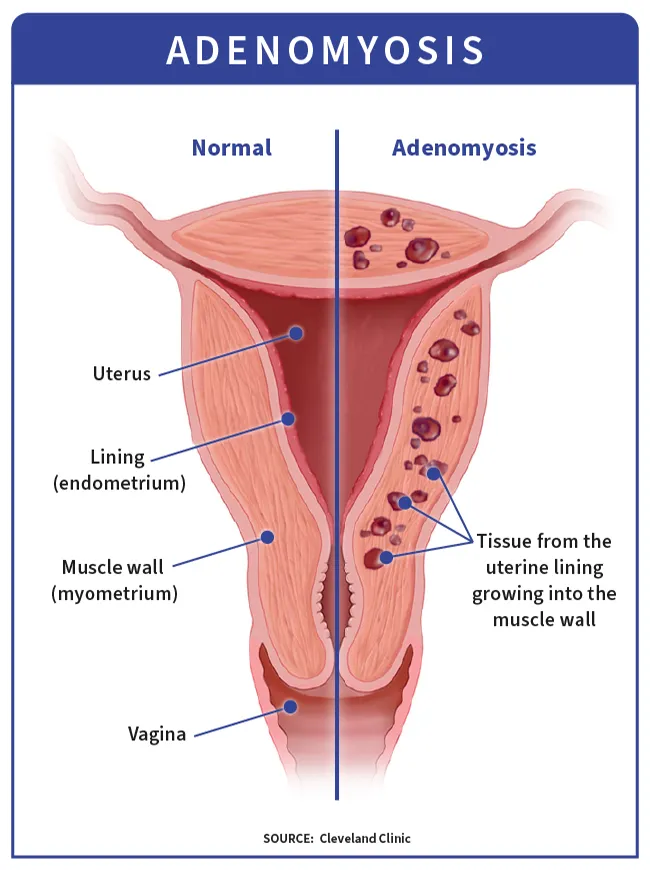
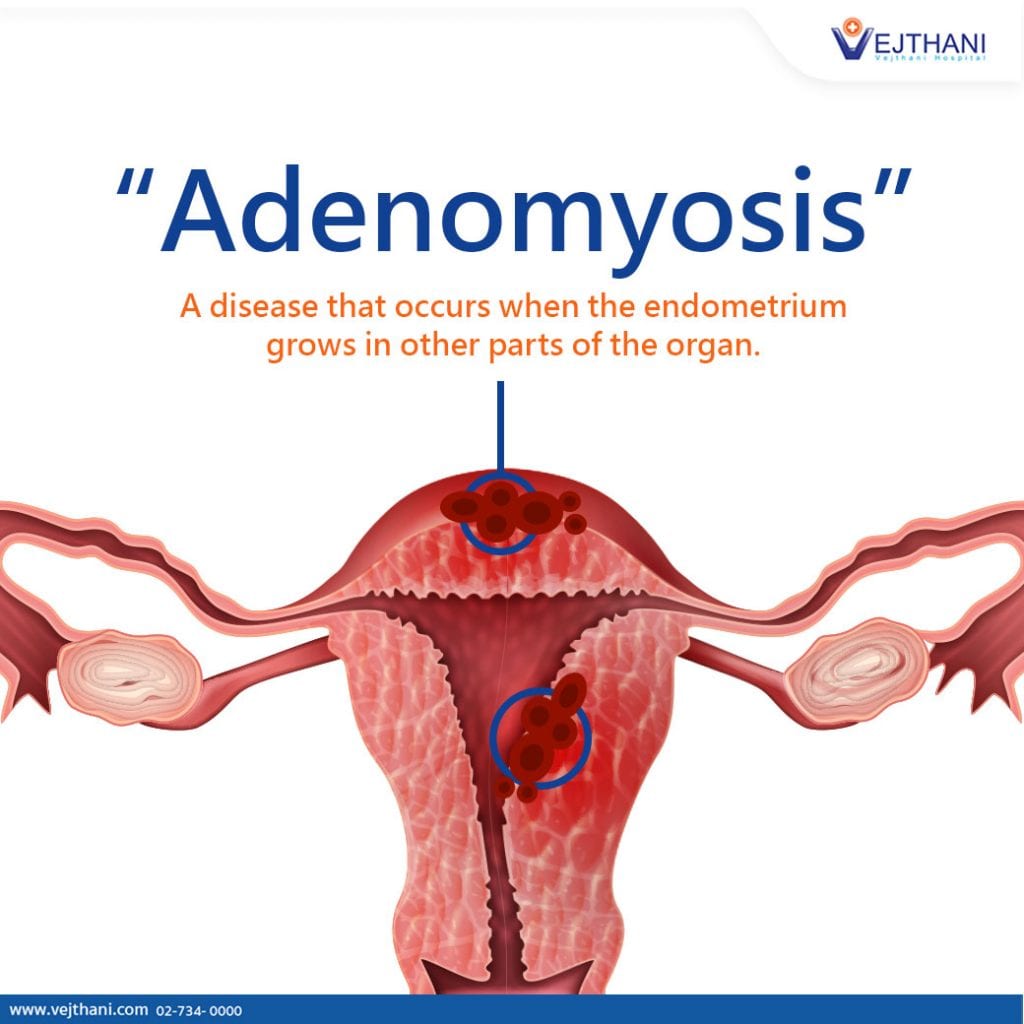
The intersection of medical science and advanced technology has birthed a new era of “FemTech,” a sector dedicated to utilizing software, diagnostics, and hardware to address health conditions that disproportionately or exclusively affect women. One of the most significant beneficiaries of this technological surge is the management of adenomyosis—a condition where the lining of the uterus (endometrium) breaks through the muscle wall of the uterus (myometrium). While traditionally a difficult condition to diagnose and treat without invasive surgery, the integration of Artificial Intelligence (AI), high-resolution imaging software, and robotic-assisted surgical tools is fundamentally changing the patient journey.
1. The Digital Transformation of Gynecological Diagnosis
For decades, adenomyosis was often dubbed the “silent twin” of endometriosis, frequently misdiagnosed or overlooked due to the limitations of traditional imaging. However, the digital transformation of radiology has turned the tide, allowing for non-invasive, high-precision identification of the condition.
AI-Enhanced Imaging and MRI Analysis
The gold standard for non-invasive diagnosis of adenomyosis has long been Magnetic Resonance Imaging (MRI). However, the interpretation of these images is highly dependent on the radiologist’s expertise. Today, the integration of Machine Learning (ML) algorithms into MRI software is enhancing diagnostic accuracy. These AI tools are trained on thousands of data points to identify the “junctional zone” thickening—a key marker of adenomyosis—with a degree of sensitivity that often surpasses the human eye. By automating the measurement of uterine wall thickness and identifying subtle textural changes in the myometrium, AI reduces human error and accelerates the time to diagnosis.
Breakthroughs in Ultrasound Software and 3D Rendering
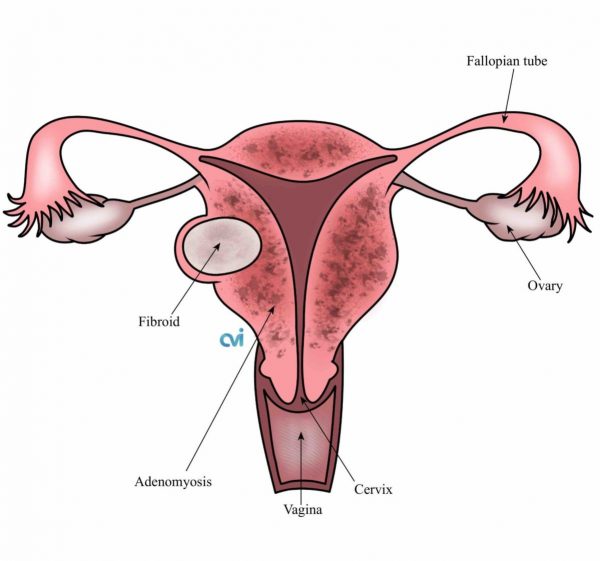
Transvaginal Ultrasound (TVUS) remains the most accessible diagnostic tool. Recent updates in ultrasound technology, specifically 3D and 4D rendering software, allow technicians to visualize the uterus in multiple planes. Advanced “Elastography” software—a tech-driven technique that measures the stiffness of tissues—is now being used to differentiate between uterine fibroids and adenomyosis. Since adenomyotic tissue is typically softer than fibroids, this software provides a digital “map” of tissue density, allowing clinicians to make a more confident diagnosis without the need for a biopsy.
2. Minimally Invasive MedTech: The Surgical and Therapeutic Revolution
Once diagnosed, the “tech stack” available for treating adenomyosis has expanded far beyond traditional hysterectomy. Modern MedTech focuses on organ-sparing interventions that prioritize recovery time and patient quality of life.
Robotic-Assisted Surgery and Precision Instruments
For patients requiring surgical intervention, robotic platforms like the Da Vinci Surgical System have redefined the parameters of what is possible. These systems provide surgeons with a 3D high-definition view of the surgical site and “EndoWrist” instruments that possess a range of motion far greater than the human hand. In the context of adenomyosis, this technology allows for the precise excision of adenomyotic lesions (adenomyomectomy) while preserving the integrity of the uterine wall. The software integrated into these robots provides real-time haptic feedback and tremor filtration, ensuring that the most delicate tissues are handled with extreme precision.
High-Intensity Focused Ultrasound (HIFU)
Perhaps the most “high-tech” advancement in adenomyosis treatment is High-Intensity Focused Ultrasound (HIFU). This is a completely non-invasive, outpatient procedure that uses ultrasound beams to heat and destroy (ablate) the diseased tissue within the uterus. The entire process is guided by real-time MRI or ultrasound imaging. The software controlling the HIFU transducers allows for pinpoint accuracy, ensuring that the thermal energy is delivered only to the adenomyotic areas, sparing the healthy surrounding muscle. This tech-driven approach eliminates the need for incisions, reduces the risk of infection, and allows for a rapid return to daily activities.
3. FemTech and the Data-Driven Patient Experience
The management of a chronic condition like adenomyosis does not end at the doctor’s office. The rise of FemTech has empowered patients to take control of their health through data-driven software and mobile ecosystems.
Symptom Tracking Apps and Predictive Analytics
The modern patient uses sophisticated health-tracking apps to monitor pain levels, menstrual cycles, and medication efficacy. However, the next generation of these apps is moving beyond simple logging. By utilizing predictive analytics, these platforms can correlate external factors—such as diet, exercise, and sleep—with adenomyosis symptom flares. For researchers, the anonymized Big Data harvested from these apps provides invaluable insights into the progression of the disease, potentially leading to earlier intervention strategies for future generations.
Telemedicine and Remote Monitoring Platforms
The logistical burden of chronic illness is being mitigated by specialized telemedicine platforms. These digital portals allow patients to share their high-resolution imaging files and diagnostic reports with global specialists in seconds. For a condition as specialized as adenomyosis, the ability to consult with a top-tier surgeon via a secure, HIPAA-compliant video link is a game-changer. Furthermore, post-operative recovery is now being monitored through remote patient monitoring (RPM) tools, where wearable tech transmits vital signs and pain scores directly to the clinical team’s dashboard, ensuring a tech-enabled safety net for the patient.
4. The Future of Adenomyosis Research: Wearables and Bio-Sensing
As we look toward the horizon, the marriage of biotechnology and wearable hardware promises even more profound changes for those living with uterine conditions.
Smart Wearables for Chronic Pain Management
Chronic pelvic pain is the most debilitating symptom of adenomyosis. Emerging wearable tech is moving away from chemical pain management toward digital solutions. TENS (Transcutaneous Electrical Nerve Stimulation) devices have been shrunk down into sleek, wearable “patches” controlled via smartphone apps. These devices use electrical pulses to block pain signals from reaching the brain. Newer iterations are exploring “bio-sensing” patches that can detect physiological markers of inflammation or stress, automatically adjusting the intensity of the nerve stimulation to provide proactive relief before the pain becomes acute.
Precision Medicine and Genomic Data
The future of adenomyosis tech lies in the realm of precision medicine. By integrating genomic sequencing data with electronic health records (EHR), tech companies are working to identify the genetic markers that predispose certain individuals to adenomyosis. This “Digital Health Identity” will eventually allow for personalized treatment protocols. Instead of a one-size-fits-all approach, software algorithms will analyze a patient’s genetic profile to determine which hormonal therapies or surgical interventions will yield the highest success rate with the fewest side effects.
Conclusion: The Synergy of Tech and Tenderness
The evolution of adenomyosis management from a “mystery ailment” to a treatable condition is a testament to the power of technological innovation. By moving away from invasive “guesswork” and toward a data-rich, software-guided approach, the medical community is finally providing patients with the clarity and relief they deserve.
From the AI algorithms that spot the first signs of tissue changes to the robotic arms that perform delicate uterine-sparing surgeries, technology is the backbone of modern gynecological care. As FemTech continues to attract significant investment and talent, we can expect the digital tools surrounding adenomyosis to become even more intuitive, accessible, and effective. For the millions of women affected by this condition, the message is clear: the future of your health is being written in code, powered by silicon, and delivered with unprecedented precision.
aViewFromTheCave is a participant in the Amazon Services LLC Associates Program, an affiliate advertising program designed to provide a means for sites to earn advertising fees by advertising and linking to Amazon.com. Amazon, the Amazon logo, AmazonSupply, and the AmazonSupply logo are trademarks of Amazon.com, Inc. or its affiliates. As an Amazon Associate we earn affiliate commissions from qualifying purchases.