
In the competitive landscape of modern commerce, language is more than just a tool for description; it is a vehicle for movement. When we ask “what is action verbs” in the context of brand strategy and marketing, we are not looking for a simple grammatical definition. Instead, we are exploring the engine of persuasive communication. Action verbs—words that express physical or mental activity—are the catalysts that transform a passive observer into an engaged consumer. They are the difference between a brand that simply exists and a brand that leads.

For brand strategists, copywriters, and corporate leaders, mastering the use of action verbs is essential for crafting a compelling narrative. Whether it is a tagline that resonates globally or a call-to-action (CTA) that drives digital conversions, the choice of verb dictates the energy, direction, and ultimate success of the brand message.
Defining Action Verbs in the Context of Brand Strategy
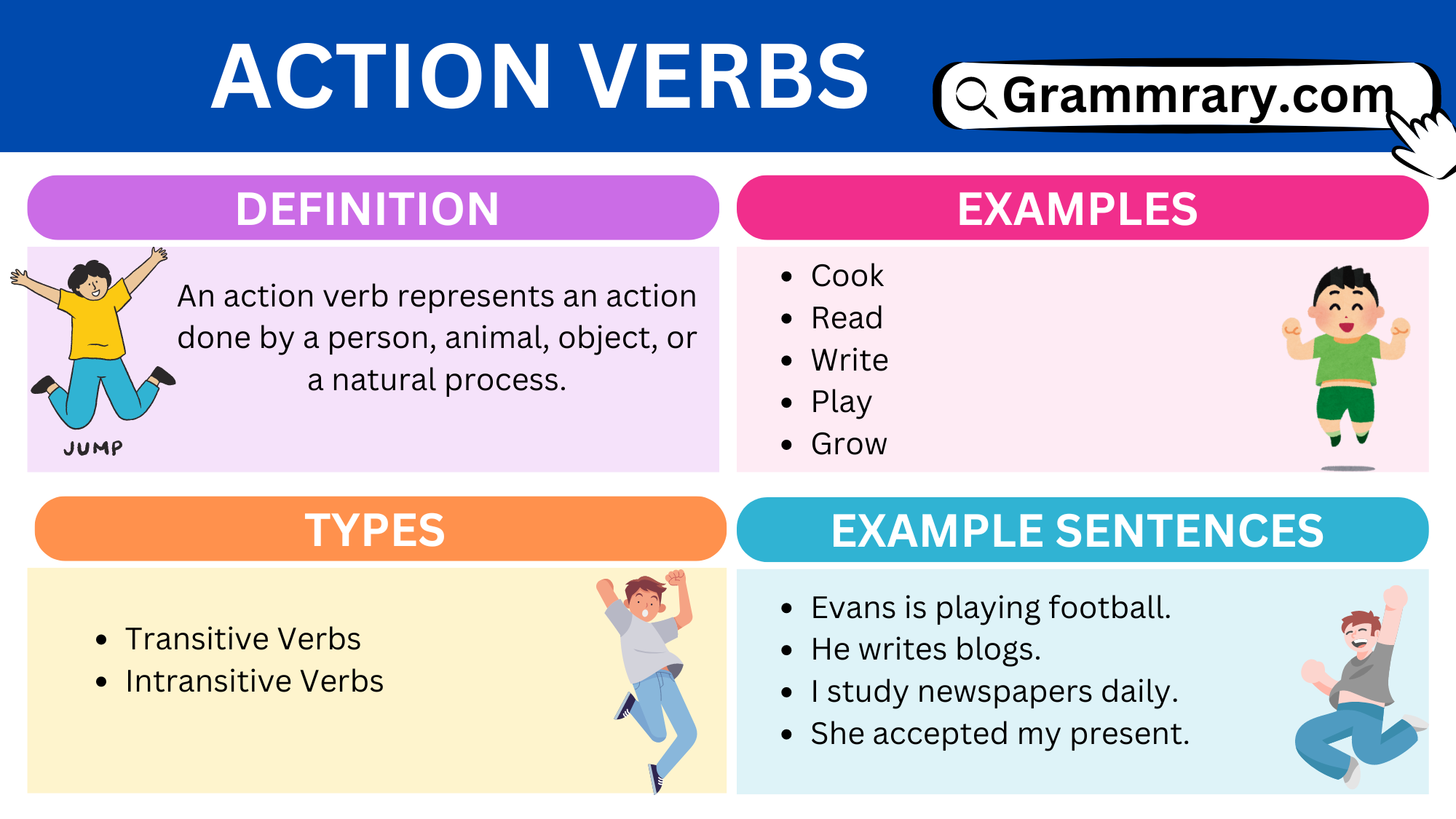
At its most basic level, an action verb describes what a subject is doing. However, in the realm of brand strategy, these words serve a much higher purpose: they define the relationship between the company and the customer. While nouns provide the “what” and adjectives provide the “flavor,” verbs provide the “momentum.”
Beyond Grammar: The Psychology of Movement
Psychologically, action verbs trigger a different response in the human brain than passive language. When a brand uses a verb like “Explore,” “Build,” or “Transform,” it invites the audience to envision themselves in a state of activity. This is known as embodied cognition—the idea that our thoughts are deeply influenced by our physical experiences. By using strong action verbs, brands can simulate an experience in the mind of the consumer before a purchase even occurs.
In branding, the “Action Verb” is the bridge between a problem and a solution. If a brand says it “is an innovator” (using a linking verb), it is making a static claim. If a brand says it “innovates” (using an action verb), it is demonstrating a continuous process that promises future value.
Distinguishing Active Voice from Passive Corporate Speak
Many corporate identities suffer from “passive-voice bloat.” This occurs when brands use “to be” verbs (is, am, are, was, were) or bury their actions in noun-heavy phrases. For example, “A commitment to excellence is maintained by our team” is far less impactful than “Our team delivers excellence.”
Active voice, powered by robust action verbs, creates accountability and clarity. It tells the consumer exactly who is doing what. In brand strategy, this clarity builds trust. A brand that uses direct action verbs appears more confident, decisive, and reliable.
Enhancing Brand Voice and Personality Through Verbs
A brand’s personality is often revealed through its choice of verbs. If a brand aims to be seen as an adventurous disruptor, its vocabulary will look very different from a brand that positions itself as a stable, heritage-based protector. The verbs are the brushstrokes that paint the brand’s character.
Creating Urgency in Marketing Campaigns
In high-stakes marketing, the right verb can create a sense of immediate necessity. Action verbs like “Seize,” “Join,” “Ignite,” or “Unlock” do more than just inform; they command. This is particularly vital in digital marketing, where attention spans are measured in milliseconds.
Consider the difference between “Information is available here” and “Unlock your potential.” The latter uses an action verb to create a sense of value and discovery. By choosing verbs that imply a gain for the user, brands can move customers through the sales funnel with greater velocity.
Case Study: How Global Leaders Master Verb Choice
Look at the world’s most successful brands, and you will find a masterclass in action-verb selection.
- Nike: The iconic “Just Do It” is perhaps the most famous use of an action verb in history. “Do” is a simple, universal verb that places the power entirely in the hands of the consumer.
- Apple: For years, their “Think Different” campaign utilized a verb to challenge the status quo. It wasn’t about being different; it was about the act of thinking differently.
- Disney: They don’t just “show” movies; they “create” magic and “inspire” imagination.
These brands understand that their identity is not a static logo but a series of actions they perform for and with their customers.
Driving Conversions: Action Verbs in Digital Marketing and CTAs
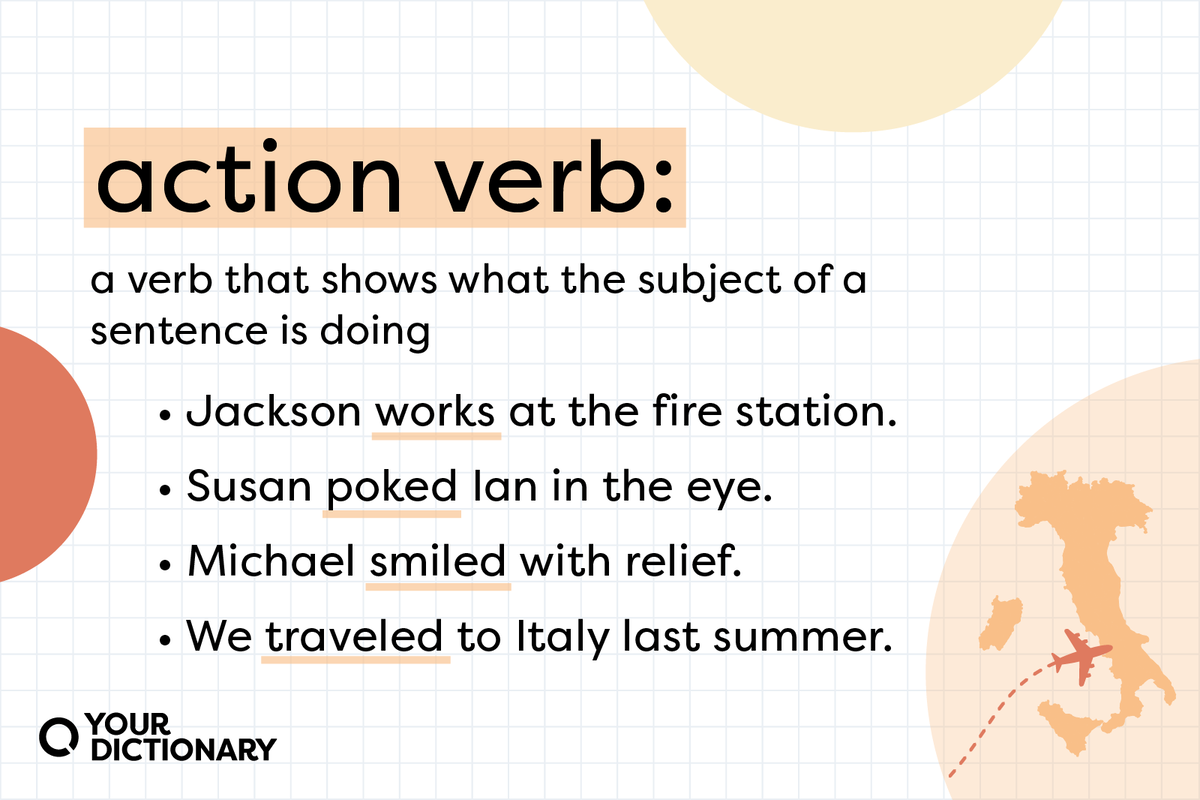
The most practical application of action verbs in the modern brand landscape is within the Call to Action (CTA). In the digital space, every click is a conversion, and every conversion starts with a verb.
The Anatomy of a High-Converting Call to Action
A weak CTA often uses generic or passive language, such as “Click Here” or “Submit.” While these are technically action verbs, they are functional rather than motivational. They describe the mechanical task (clicking) rather than the beneficial outcome.
High-converting brands replace functional verbs with “value-based” action verbs. Instead of “Sign Up,” they use “Start Your Journey.” Instead of “Download,” they use “Get Your Guide.” By aligning the action verb with the customer’s desire, the brand reduces friction and increases the likelihood of engagement.
Optimizing User Experience with Functional Language
Action verbs also play a crucial role in User Experience (UX) design. On a website or app, the labels on buttons and navigation menus guide the user. Clear, punchy verbs like “Save,” “Share,” “Edit,” and “Connect” provide a roadmap for the user. When a brand uses consistent, action-oriented language across its digital touchpoints, it creates a seamless and intuitive experience that reinforces the brand’s reliability.
Building Personal Authority: Action Verbs for Personal Branding
Action verbs are not reserved for multi-billion-dollar corporations. In the era of the “creator economy” and professional networking, personal branding is more important than ever. Whether on a LinkedIn profile, a personal portfolio, or an executive resume, action verbs are the key to articulating one’s value proposition.
Transforming Your Value Proposition
When individuals describe their career history, they often fall into the trap of listing responsibilities rather than achievements. “Responsible for social media management” is a passive description of a role. “Spearheaded a social media strategy that increased engagement by 40%” uses a powerful action verb (spearheaded) to demonstrate leadership and results.
Using high-impact verbs like “Orchestrated,” “Navigated,” “Cultivated,” and “Exceeded” allows professionals to claim ownership of their successes. It shifts the focus from what was “assigned” to what was “accomplished.”
Crafting Narrative-Driven Executive Summaries
A personal brand is essentially a story. Action verbs allow you to be the protagonist of that story. Instead of saying you “have experience in” a field, you can say you “champion” specific causes or “pioneer” new methodologies. This linguistic shift changes how peers and recruiters perceive your level of influence and proactivity.
Best Practices for Implementing Action Verbs in Corporate Identity
To truly integrate action verbs into a brand strategy, one must go beyond a few clever headlines. It requires a systemic approach to language that permeates every level of corporate communication, from internal memos to external advertising.
Avoiding the Pitfalls of Marketing Jargon
While action verbs are powerful, they can become diluted when they turn into overused “buzzwords.” Verbs like “Leverage,” “Synergize,” and “Optimize” have been used so frequently in corporate environments that they often lose their impact and can even alienate an audience.
The most effective brands choose specific, vivid verbs over generic ones. Instead of “leveraging our resources,” a brand might “marshal its expertise.” Instead of “optimizing the process,” it might “streamline the workflow.” Specificity breeds authenticity.
Harmonizing Verbs Across Multi-Channel Strategy
Consistency is the cornerstone of brand trust. If a brand uses aggressive, high-energy verbs in its social media advertisements but switches to cold, passive language in its customer service emails, the brand identity feels fractured.
A comprehensive brand style guide should include a section on “Verbs We Use” and “Verbs We Avoid.” This ensures that whether a customer is reading a tweet, a white paper, or a product manual, the “voice in their head” remains consistent. This linguistic cohesion reinforces the brand’s core values and makes the brand more memorable in a crowded marketplace.
In conclusion, when we answer the question “what is action verbs” through the lens of brand strategy, we find that they are the most vital tools in a communicator’s arsenal. They are the words that move people, the words that define character, and the words that drive growth. By choosing verbs with intention, brands can transform their identity from a passive name on a screen into an active force in the lives of their customers.
aViewFromTheCave is a participant in the Amazon Services LLC Associates Program, an affiliate advertising program designed to provide a means for sites to earn advertising fees by advertising and linking to Amazon.com. Amazon, the Amazon logo, AmazonSupply, and the AmazonSupply logo are trademarks of Amazon.com, Inc. or its affiliates. As an Amazon Associate we earn affiliate commissions from qualifying purchases.