
In the rapidly evolving landscape of financial technology, the ways in which we move money have become increasingly invisible yet significantly more complex. For business owners, financial controllers, and savvy consumers, understanding the underlying mechanisms of these transactions is not just a matter of technical curiosity—it is a strategic necessity. Among the various methods of electronic fund transfers, the ACH debit stands as a cornerstone of the American financial system.
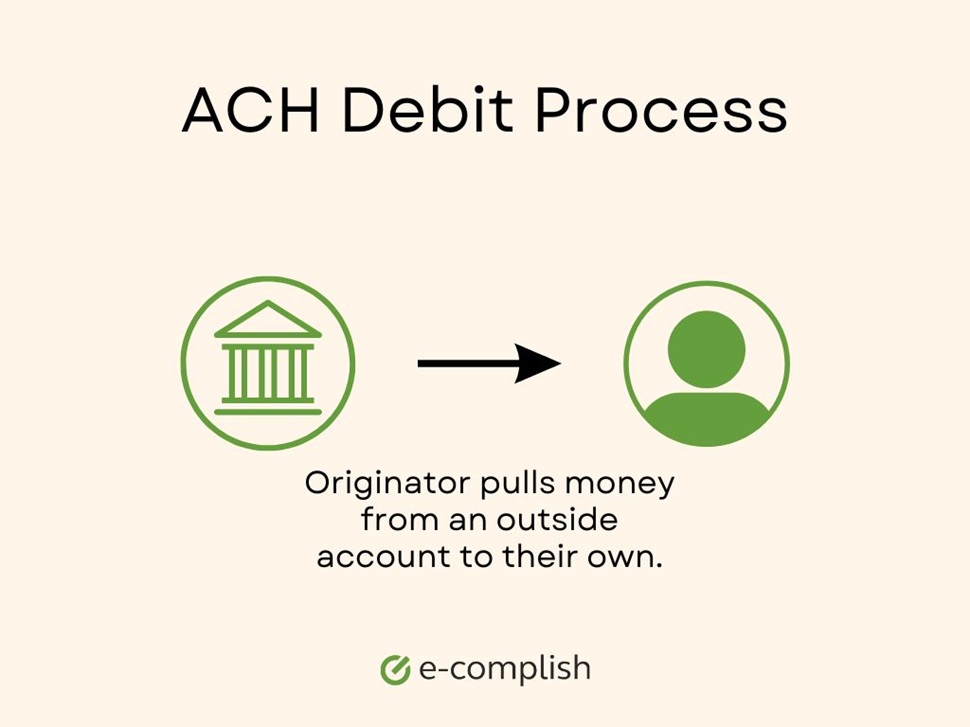
An ACH (Automated Clearing House) debit is a type of electronic payment where a recipient “pulls” funds directly from a sender’s bank account. Unlike a “push” payment, such as a wire transfer or a standard bill pay through a banking portal, the ACH debit is initiated by the person or entity receiving the money, provided they have been granted explicit authorization by the account holder. This guide explores the financial intricacies, strategic advantages, and operational considerations of ACH debits within the context of modern business finance.
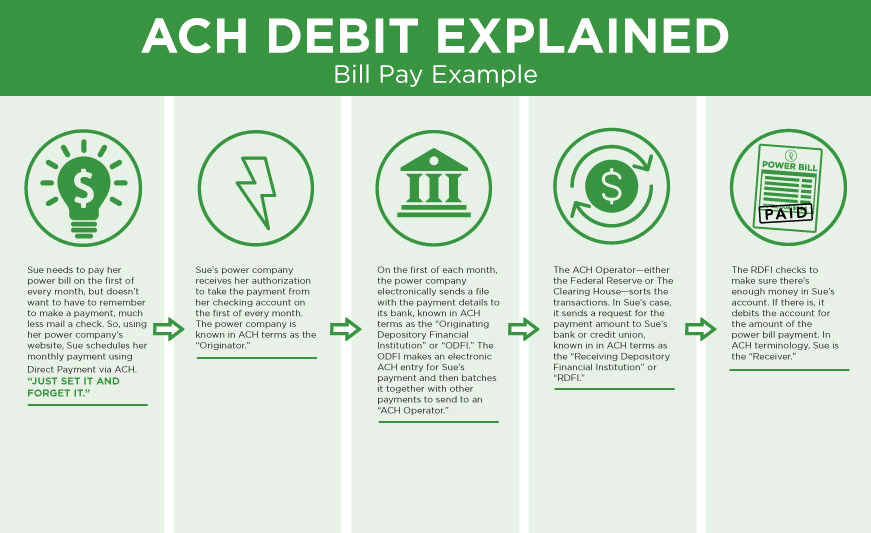
The Mechanics of ACH Debit Transactions
To understand the financial utility of an ACH debit, one must first understand the network that facilitates it. The Automated Clearing House is a centralized electronic network used by financial institutions in the United States to facilitate the exchange of batches of electronic transactions. Regulated by NACHA (the National ACH Association), this system handles trillions of dollars annually, ranging from payroll deposits to consumer bill payments.
The Pull Mechanism Explained
The defining characteristic of an ACH debit is the “pull” mechanism. In a typical scenario—such as a monthly subscription for a SaaS product or a recurring utility bill—the customer provides the merchant with their bank routing and account numbers. By signing an authorization form, the customer empowers the merchant to initiate a request to withdraw a specific amount of money on a specific date. This eliminates the need for the customer to manually send a check or initiate a transfer every month, streamlining the cash flow for the service provider.
ACH Debit vs. ACH Credit
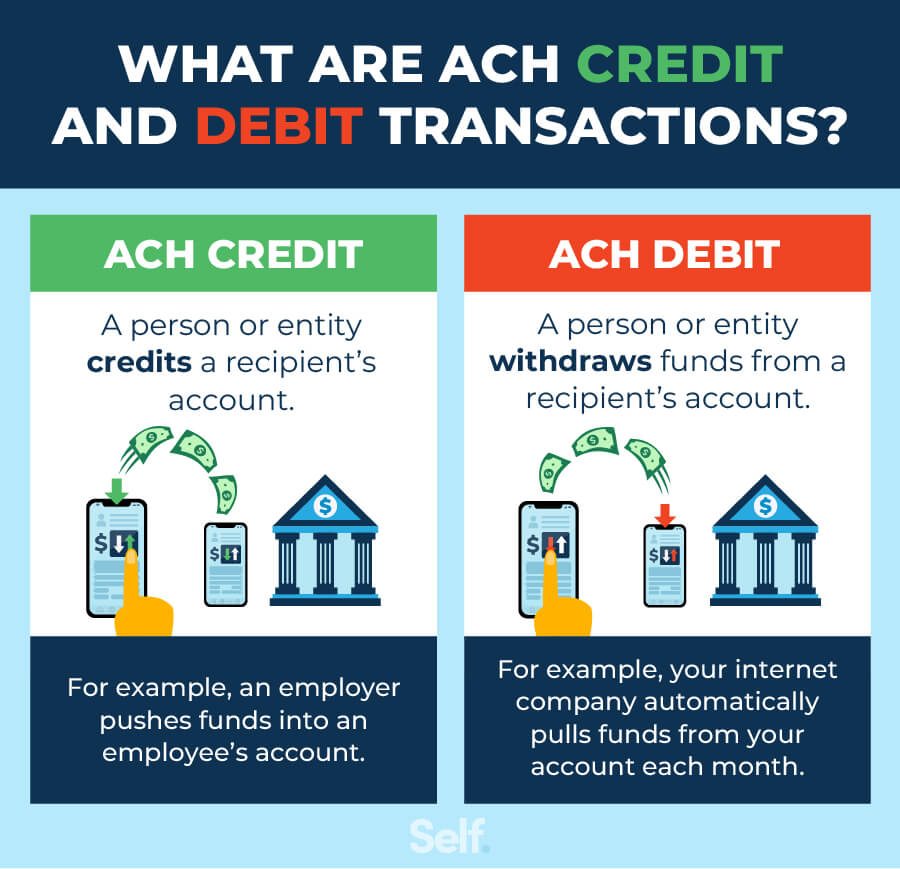
It is essential to distinguish between ACH debits and ACH credits. In an ACH credit transaction, the sender “pushes” the money to the recipient (e.g., an employer depositing a salary into an employee’s account). In an ACH debit, the recipient “pulls” the money from the sender’s account (e.g., a mortgage company collecting a monthly payment). From a business finance perspective, debits are the preferred tool for accounts receivable, while credits are the standard for accounts payable.
Settlement Times and the Clearing Process
Traditionally, ACH transactions were processed in batches and could take two to three business days to settle. However, the financial industry has moved toward “Same-Day ACH.” This allows for faster liquidity, which is crucial for businesses managing tight margins or urgent vendor payments. Understanding these windows—Standard, Next-Day, and Same-Day—is vital for accurate cash flow forecasting.
The Financial Advantages of Implementing ACH Debits
For any business, the cost of accepting payments is a significant line item on the profit and loss statement. While credit cards offer convenience, they come with high interchange fees that can eat into margins. ACH debits offer a financially superior alternative for many business models.
Significant Cost Savings
Credit card processing fees typically range from 1.5% to 3.5% per transaction. For a business processing $100,000 a month, those fees can amount to $3,500. Conversely, ACH debits are usually processed at a flat rate, often ranging from $0.20 to $1.50 per transaction, or a very low percentage (often less than 1%). For high-ticket items or high-volume recurring billing, the savings associated with ACH debits are transformative.
Predictability and Cash Flow Management
Cash flow is the lifeblood of any enterprise. When a business relies on customers to manually pay invoices, the timing of incoming revenue becomes unpredictable. By utilizing ACH debits, a company can automate its accounts receivable. Knowing exactly when funds will be pulled and settled allows financial officers to plan capital expenditures, payroll, and investments with much greater precision.
Reduction in Involuntary Churn
In the world of subscription services and recurring billing, “involuntary churn” refers to customers who lose access to a service because their payment method failed. Credit cards expire, get lost, or are cancelled due to fraud, leading to a failure rate of roughly 5% to 10% for recurring transactions. Bank accounts, however, rarely change. By linking directly to a customer’s checking account via ACH debit, businesses can significantly reduce payment failures and extend the lifetime value (LTV) of their customers.
Strategic Integration for Business Growth
Beyond simple cost savings, ACH debits serve as a strategic tool for scaling a business. They allow for the creation of seamless user experiences and the stabilization of revenue streams that are attractive to investors and lenders.
Optimizing B2B Relationships
In Business-to-Business (B2B) transactions, where invoice amounts are often high, paying by credit card is frequently discouraged or prohibited due to the exorbitant fees. Historically, this led to a reliance on paper checks, which are slow, prone to mail fraud, and require manual reconciliation. Transitioning B2B clients to ACH debits digitizes the relationship, ensures on-time payment, and provides an electronic audit trail that simplifies end-of-year accounting.
Enhancing Consumer Trust and Convenience
From a consumer’s perspective, ACH debits offer a “set it and forget it” convenience. When a brand offers ACH as a payment option, it signals a level of institutional stability. It is particularly effective for high-trust services like insurance premiums, gym memberships, and rent payments. Providing this option caters to a demographic that prefers not to carry credit card debt but values the automation of their personal finances.
Financial Tool Integration
Modern financial software and ERP (Enterprise Resource Planning) systems now offer native ACH integration. This means that when an ACH debit is successfully processed, the software can automatically update the ledger, mark the invoice as paid, and reconcile the bank statement. This reduction in manual administrative labor allows finance teams to focus on higher-level strategic analysis rather than data entry.
Security, Compliance, and Risk Management
While ACH debits are highly efficient, they are not without risks. Because they involve direct access to bank accounts, they are subject to strict regulatory oversight and require robust security protocols.
The Role of NACHA and Compliance
All ACH transactions must comply with the rules set forth by NACHA. These rules are designed to protect both the consumer and the financial institution. Businesses must ensure they have proper authorization (either a physical signature, a recorded voice authorization, or a digital “click-to-accept” agreement) before initiating a debit. Failure to comply can result in significant fines and the revocation of the ability to process ACH payments.
Managing Return Codes and Fraud
Unlike credit cards, where a transaction is authorized in real-time, an ACH debit can be returned several days after it is initiated. Common “return codes” include R01 (Insufficient Funds) and R08 (Payment Stopped). Businesses must have a strategy for handling these returns, such as automated re-tries or immediate customer notification. Additionally, to prevent fraud, businesses should use “micro-deposits” or instant account verification tools (like Plaid) to ensure the account is valid and belongs to the authorized user.
Data Security and Tokenization
Storing sensitive bank account information poses a security risk. To mitigate this, many businesses use third-party payment processors that “tokenize” the data. Instead of storing the actual account and routing numbers on their own servers, the business stores a secure token. This ensures that even in the event of a data breach, the sensitive financial information remains encrypted and inaccessible to bad actors.
Choosing the Right ACH Payment Partner
To successfully implement ACH debits, a business must choose a payment processor that aligns with its financial goals. Not all processors are created equal, and the choice can impact both the bottom line and the customer experience.
Evaluating Fee Structures
When vetting a processor, look closely at the fee schedule. Some charge a flat monthly fee plus a small per-transaction fee, while others charge a small percentage. For small transactions, a percentage might be better; for large transactions, a flat fee is almost always superior. Beware of “hidden” fees such as batch header fees, return fees, and high-risk surcharges.
Integration and API Capabilities
In the digital age, your payment processor should integrate seamlessly with your existing tech stack. Whether you use QuickBooks, Xero, or a custom-built platform, the ability to trigger ACH debits via API (Application Programming Interface) is essential for automation. A professional-grade processor will provide robust documentation and developer support to ensure a smooth setup.
Customer Support and Dispute Resolution
While ACH disputes (known as “unauthorized debits”) are rarer than credit card chargebacks, they do happen. A quality payment partner will provide a clear interface for managing disputes and offer support when navigating the complexities of the NACHA appeal process.
Conclusion: The Financial Future is Automated
The ACH debit is more than just a way to move money; it is a vital instrument in the toolkit of any modern business. By reducing transaction costs, stabilizing cash flow, and minimizing the administrative burden of manual payments, it provides a foundation for sustainable growth. As the financial world continues to move toward greater digitization, the businesses that master these electronic tools will be the ones that thrive in an increasingly competitive marketplace. Whether you are a small startup looking to save on fees or a large corporation seeking to optimize global accounts receivable, the ACH debit remains one of the most powerful and efficient financial tools at your disposal.
aViewFromTheCave is a participant in the Amazon Services LLC Associates Program, an affiliate advertising program designed to provide a means for sites to earn advertising fees by advertising and linking to Amazon.com. Amazon, the Amazon logo, AmazonSupply, and the AmazonSupply logo are trademarks of Amazon.com, Inc. or its affiliates. As an Amazon Associate we earn affiliate commissions from qualifying purchases.