
In the intricate world of healthcare, understanding various medical procedures is crucial, not just from a clinical standpoint, but often from a financial one. While the immediate concern surrounding “what is a fasciotomy?” revolves around the medical emergency it addresses, an equally pressing, though often overlooked, dimension for patients and their families is the profound financial impact. This article will define a fasciotomy within the broader context of healthcare costs, insurance navigation, and personal financial planning, offering an insightful look into the economic realities tied to this critical surgical intervention.
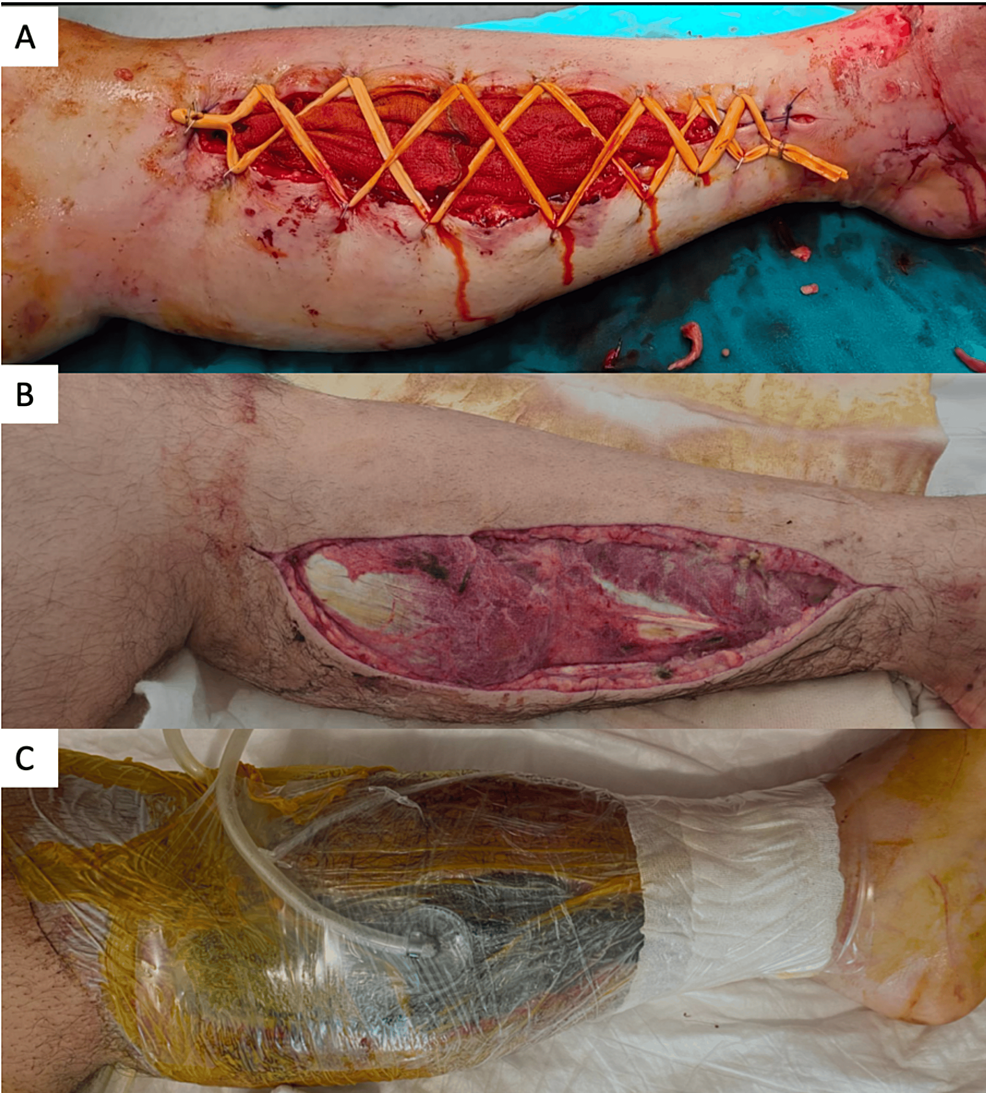
A fasciotomy is a surgical procedure primarily performed to relieve pressure and swelling in a muscle compartment, most commonly in the limbs, due to a condition called compartment syndrome. This condition occurs when swelling or bleeding within an enclosed muscle compartment causes increased pressure, compromising blood flow to the muscles and nerves. If left untreated, it can lead to permanent muscle damage, nerve damage, or even limb loss. The fasciotomy involves making an incision through the fascia – the strong connective tissue surrounding muscles – to open the compartment and alleviate the pressure. While medically vital, its emergency nature and the specialized care required position it as a significant financial event for individuals and healthcare systems alike.

The Financial Landscape of Emergency Medical Procedures
Emergency medical procedures like a fasciotomy often plunge individuals into a complex financial landscape without warning. Unlike planned surgeries, where patients might have months to prepare and understand costs, an emergency procedure demands immediate action, often leaving financial considerations as a secondary, yet rapidly escalating, concern.
Understanding Unanticipated Healthcare Costs
The sudden onset of a medical emergency leading to a fasciotomy means there’s little to no time for comparison shopping or pre-authorization processes that might reduce out-of-pocket expenses for elective procedures. Patients are typically treated at the nearest available facility, which may or may not be in their insurance network. This immediate, urgent need bypasses many of the cost-containment strategies individuals might otherwise employ, setting the stage for potentially high and unexpected medical bills. Understanding these unanticipated costs involves recognizing that the full spectrum of care—from ambulance transport and emergency room services to the operating room, post-operative recovery, and rehabilitation—all contribute to a cumulative financial burden.
The Spectrum of Surgical Expenses
The cost of any surgical procedure is not a single, fixed number; rather, it’s a mosaic of various services and supplies. For a fasciotomy, this spectrum includes charges for the surgeon’s fee, anesthesiologist’s fee, hospital facility fees (covering operating room time, recovery room, and hospital stay), diagnostic tests (like imaging or blood work), medications, and potentially blood transfusions. Each component represents a distinct charge that contributes to the final bill, often itemized in ways that are difficult for the average consumer to decipher. Furthermore, the severity of the compartment syndrome, the number of compartments involved, and any complications that arise can significantly extend hospital stays and necessitate additional procedures, further inflating the overall expense.
Deconstructing the Cost of a Fasciotomy
To truly grasp the financial implications, it’s essential to break down the primary cost drivers associated with a fasciotomy. These components can vary wildly based on numerous factors, making cost estimation a challenging endeavor.
Direct Medical Charges: Surgeon, Anesthesia, Hospital Stay
The largest portions of a fasciotomy bill typically stem from the direct medical services rendered. The surgeon’s fee covers their expertise and time in performing the complex procedure. This fee can vary based on the surgeon’s experience, specialization, and geographic location. The anesthesiologist’s fee accounts for the administration and monitoring of anesthesia during surgery, which is crucial for patient comfort and safety. Like surgical fees, these can differ based on the type of anesthesia used, the duration of the procedure, and the practitioner’s rates. Finally, hospital facility fees encompass the use of the operating room, all necessary equipment and supplies (e.g., surgical tools, dressings, medications administered during surgery), and the cost of the inpatient stay, including nursing care, meals, and general hospital overhead. For emergency procedures, these fees are often higher due to the immediate resource allocation required.
Pre- and Post-Operative Financial Considerations
Beyond the direct surgical costs, a fasciotomy entails significant pre- and post-operative expenses. Pre-operative costs include emergency room visits, diagnostic imaging (X-rays, MRI, ultrasound), and initial consultations. Post-operative care is equally critical and can be financially substantial. This includes follow-up appointments, wound care, pain management medications, and potentially further surgical procedures if complications arise or if the wound requires staged closure. Physical therapy or occupational therapy might be necessary for weeks or months to regain full function of the affected limb, adding rehabilitation costs that are often billed separately.
Geographic and Facility-Based Cost Variances
The price of a fasciotomy is not uniform across all locations or healthcare facilities. Costs can vary significantly depending on the region (e.g., urban versus rural, different states or even different cities within a state), the type of hospital (e.g., academic medical center versus community hospital, for-profit versus non-profit), and its specific pricing structure. Hospitals with higher reputations or advanced technological capabilities may charge more. These variances highlight the often-opaque nature of healthcare pricing, making it difficult for patients to predict or compare costs, especially in emergency situations where choice is limited.

Navigating Insurance and Healthcare Coverage
For most individuals, health insurance acts as a critical buffer against the exorbitant costs of emergency medical procedures. However, navigating its complexities after a fasciotomy can be a daunting financial exercise.
The Role of Health Insurance in Emergency Surgery
Health insurance is designed to cover a significant portion of medical expenses, but the extent of coverage for an emergency fasciotomy depends on the specific plan, its network, and the policy’s terms. Most plans will cover emergency services, but the out-of-pocket costs can still be substantial. It’s imperative for patients or their advocates to understand what their specific policy covers, especially regarding emergency room visits, specialist consultations, and surgical procedures. Documenting all communication with the insurance provider and the hospital’s billing department is crucial.
Deductibles, Co-pays, and Out-of-Pocket Maximums
Even with insurance, patients are typically responsible for several out-of-pocket expenses. The deductible is the amount an individual must pay before their insurance begins to cover costs. For an emergency surgery like a fasciotomy, it’s common for patients to meet or even exceed their annual deductible. Co-pays are fixed amounts paid for certain services, like doctor’s visits or prescriptions, though less relevant for the bulk of a major surgery. Co-insurance is a percentage of the cost of a medical service that the patient pays after meeting the deductible. For instance, an 80/20 co-insurance plan means the insurer pays 80% and the patient pays 20%. The out-of-pocket maximum is the most an individual will have to pay in a policy year for covered services. While it provides a ceiling, reaching this maximum can still mean thousands of dollars in personal expense. Understanding these terms is vital to anticipate potential financial liabilities.
Understanding In-Network vs. Out-of-Network Implications
A major financial pitfall in emergency situations is receiving care from out-of-network providers or facilities. While the emergency room itself might be in-network, the surgeon, anesthesiologist, or other specialists involved in the fasciotomy may not be. This can lead to significantly higher bills, as out-of-network providers often charge more, and insurance plans may cover a smaller percentage, or none at all, of these costs. Patients can be left with “balance billing,” where the out-of-network provider bills them for the difference between their charge and what the insurance company paid.
The Challenge of Surprise Billing
Surprise billing, often linked to out-of-network care in emergencies, occurs when patients unknowingly receive care from a provider or facility outside their insurance network. Even if transported to an in-network hospital, emergency situations rarely allow for checking the network status of every clinician involved. Legislation, such as the No Surprises Act in the United States, has been implemented to protect consumers from these unexpected bills. Patients should familiarize themselves with these protections and understand their rights to dispute such charges.
Long-Term Financial Implications and Recovery
The financial repercussions of a fasciotomy often extend far beyond the initial hospital bill, impacting an individual’s long-term financial stability and earning potential.
Lost Income and Productivity During Recovery
A fasciotomy, especially when performed on a working limb, necessitates a period of recovery that can range from weeks to several months. During this time, many individuals are unable to work, leading to significant lost income. For self-employed individuals or those without robust short-term disability insurance, this can be financially devastating. The inability to perform daily tasks also translates into a loss of productivity, which can have ripple effects on household finances and responsibilities. Financial planning must account for this potential loss of income, recognizing it as a direct cost of recovery.
Rehabilitation Costs and Ongoing Care
Regaining full function after a fasciotomy often requires extensive rehabilitation, including physical and occupational therapy sessions. These sessions, typically ongoing for an extended period, incur their own set of costs, including co-pays, co-insurance, and potential transportation expenses to and from appointments. In some cases, chronic pain management or follow-up surgeries may be required, adding to the ongoing financial burden. The cumulative cost of rehabilitation can rival or even exceed the initial surgical expenses, emphasizing the need for a comprehensive financial outlook on recovery.
Strategies for Financial Preparedness and Mitigation
While emergencies are inherently unpredictable, proactive financial planning can significantly mitigate the impact of an unforeseen medical event like a fasciotomy. Building a robust emergency fund specifically for medical expenses, reviewing insurance policies annually to understand coverage limits and out-of-pocket maximums, and exploring options like Health Savings Accounts (HSAs) or Flexible Spending Accounts (FSAs) are crucial steps. HSAs, in particular, offer a triple tax advantage (tax-deductible contributions, tax-free growth, tax-free withdrawals for qualified medical expenses) that can be highly beneficial for medical savings. After an event, diligently reviewing medical bills for errors, understanding Explanation of Benefits (EOBs) from insurance, and negotiating with hospitals for payment plans or reduced costs can also help manage the financial aftermath.
In conclusion, “what is a fasciotomy?” extends beyond a purely medical definition to encompass a complex array of financial considerations. From the immediate costs of emergency care to the long-term expenses of rehabilitation and lost income, this critical procedure underscores the vital importance of financial literacy, robust insurance coverage, and proactive planning in navigating the unpredictable terrain of healthcare. Understanding these financial dimensions empowers patients and their families to better advocate for themselves and manage the economic challenges that often accompany life-saving medical interventions.
aViewFromTheCave is a participant in the Amazon Services LLC Associates Program, an affiliate advertising program designed to provide a means for sites to earn advertising fees by advertising and linking to Amazon.com. Amazon, the Amazon logo, AmazonSupply, and the AmazonSupply logo are trademarks of Amazon.com, Inc. or its affiliates. As an Amazon Associate we earn affiliate commissions from qualifying purchases.