
In the intricate world of finance, few concepts are as fundamental yet often misunderstood as “accruing.” Far from being a mere accounting technicality, understanding what it means for something to accrue is paramount for individuals managing personal finances, entrepreneurs running businesses, and investors making informed decisions. At its core, “accruing” refers to the process of accumulating or growing over time, often in a systematic and predictable manner, even if the actual cash transaction hasn’t occurred yet. It’s about recognizing economic events when they happen, rather than solely when cash changes hands.
This principle underpins the true financial health of any entity, providing a more accurate and comprehensive picture of assets, liabilities, income, and expenses. Whether it’s the interest building up on your savings account, the vacation days you’re earning at work, or the expenses a business incurs before paying its bills, accrual accounting aims to match revenues with the expenses incurred to generate them in the correct reporting period. This article will delve into the profound significance of accrual, exploring its core principles, applications in personal and business finance, and how a solid grasp of this concept can empower better financial management and strategic decision-making.
The Core Concept of Accrual in Finance
The concept of accrual is a cornerstone of modern financial reporting, particularly under the Generally Accepted Accounting Principles (GAAP) and International Financial Reporting Standards (IFRS). It moves beyond the simplistic “cash-in, cash-out” view of financial transactions to provide a more realistic and timely representation of an entity’s economic performance and position.
Accrual Basis Accounting vs. Cash Basis
To truly appreciate accrual, it’s essential to contrast it with its counterpart: cash basis accounting.
Cash Basis Accounting recognizes revenues when cash is received and expenses when cash is paid. It’s straightforward and often used by small businesses or individuals for its simplicity. However, it can distort the true financial picture by failing to match incomes with the costs incurred to generate them within the same period. For instance, a business might perform a service in December but not get paid until January. Under cash basis, the revenue would be recorded in January, even though the work was done in December.
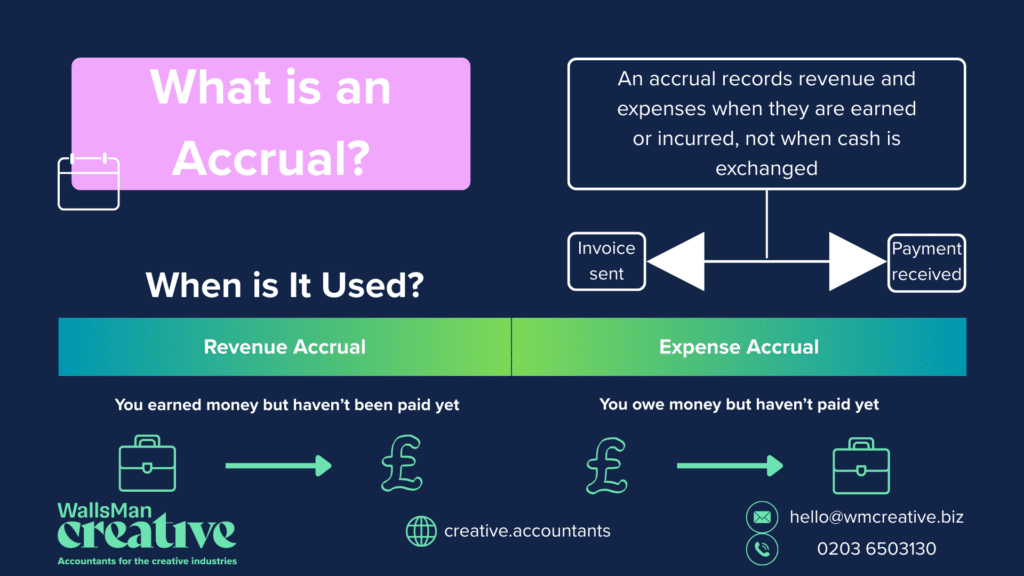
Accrual Basis Accounting, conversely, recognizes revenues when they are earned (regardless of when cash is received) and expenses when they are incurred (regardless of when cash is paid). This method provides a more accurate reflection of an organization’s profitability during a specific period. Taking the previous example, under accrual basis, the revenue for the service performed in December would be recognized in December, even if the cash payment is delayed. Similarly, if a business receives a utility bill in December for services used that month but doesn’t pay it until January, the expense is recorded in December. This systematic approach leads to the creation of “accruals” (unpaid expenses that have been incurred) and “deferrals” (cash received for services or goods not yet delivered, or cash paid for expenses not yet incurred).
Why Accrual Matters for Financial Reporting
The adoption of accrual basis accounting is critical for producing financial statements that are useful, reliable, and comparable. It ensures that:
-
Revenue Recognition Principle: Revenue is recognized when it is earned, not just when cash is received. This means the goods or services have been delivered or performed, and there’s a reasonable expectation of payment.
-
Matching Principle: Expenses are matched with the revenues they helped generate in the same accounting period. This principle is vital for determining true profitability. If a company sells a product in January, the cost of manufacturing that product should also be recognized in January, even if the raw materials were paid for in December.
-
Completeness and Accuracy: Accrual accounting captures all economic activities affecting a company during a period, providing a more comprehensive view than cash-based reporting, which can be easily manipulated by timing cash flows.
-
Comparability: By standardizing how revenues and expenses are recognized, accrual accounting makes it possible for investors and analysts to compare the financial performance of different companies over time and across industries.
Without accrual accounting, financial reports could paint a misleading picture, making it difficult for stakeholders to assess a company’s real financial health, make investment decisions, or comply with regulatory requirements.
Common Applications of Accrual in Personal Finance
While often discussed in the context of business accounting, the principle of accrual permeates various aspects of personal finance, shaping how individuals manage their money, plan for the future, and understand their financial position.
Accrued Interest: The Power of Compounding
Perhaps the most common and impactful application of accrual in personal finance is accrued interest. This refers to the interest that has been earned on an investment, savings account, or loan but has not yet been paid out or charged.
-
Savings Accounts and Investments: When you deposit money into a savings account, CD, or certain investment vehicles, interest begins to accrue daily, weekly, or monthly, even if it’s only credited to your account quarterly or annually. This “interest on interest” is the essence of compounding. Understanding how interest accrues allows individuals to appreciate the long-term growth potential of their savings and investments. The longer the money stays invested, and the more frequently interest accrues and compounds, the greater the returns.
-
Loans and Credit Cards: Conversely, interest also accrues on debts, such as mortgages, car loans, and credit card balances. Every day that a balance remains unpaid, interest can accrue on that amount, increasing the total debt. This is why credit card interest, often compounding daily, can be so crippling. Recognizing the daily accrual of interest on debt encourages prompt payments and strategic debt reduction.
Accrued Benefits: Vacation Time, Sick Leave, and Retirement
Many employment benefits accrue over time, representing a valuable asset to employees:
-
Vacation and Sick Leave: Employees typically earn (accrue) a certain number of vacation and sick days based on hours worked or tenure. These days represent an accrued liability for the employer, as they are obligated to pay for them (either by allowing time off or, in some cases, cashing them out upon termination). For the employee, these accrued days are a valuable benefit, representing paid time off or a potential future payout.
-
Retirement Benefits: Contributions to retirement accounts (like 401(k)s or IRAs) accrue investment returns over decades. Similarly, pension benefits often accrue based on years of service and salary, representing a future income stream. Understanding the accrual rates and vesting schedules for these benefits is crucial for long-term financial planning and career decisions.
Accrued Expenses: Planning for Future Costs
Individuals also encounter accrued expenses, albeit often informally. These are expenses incurred but not yet paid:
-
Utility Bills: You use electricity, water, or internet services throughout the month, incurring an expense, even though the bill doesn’t arrive until the following month. This is an accrued expense.
-
Annual Subscriptions/Insurance: If you pay for an annual gym membership or insurance policy in advance, you’ve incurred the expense for the full year, but the benefit accrues monthly. Conversely, if a service is provided monthly, but you pay annually, the monthly portion is an accrued expense.
-
Taxes: Income tax or property tax accrues over time, even if payments are made quarterly or annually. Recognizing this steady accrual helps individuals budget and avoid financial shocks.
By acknowledging these personal accruals, individuals can create more accurate budgets, manage cash flow effectively, and make informed decisions about saving, spending, and debt.

Accruals in Business Finance and Investing
For businesses and investors, understanding accrual is not just beneficial; it is essential for accurate financial reporting, robust analysis, and strategic decision-making. It forms the backbone of how companies present their financial health and performance to stakeholders.
Accrued Revenue and Expenses: A True Picture of Profitability
In business finance, the primary purpose of accrual accounting is to provide a true and fair view of a company’s financial performance.
-
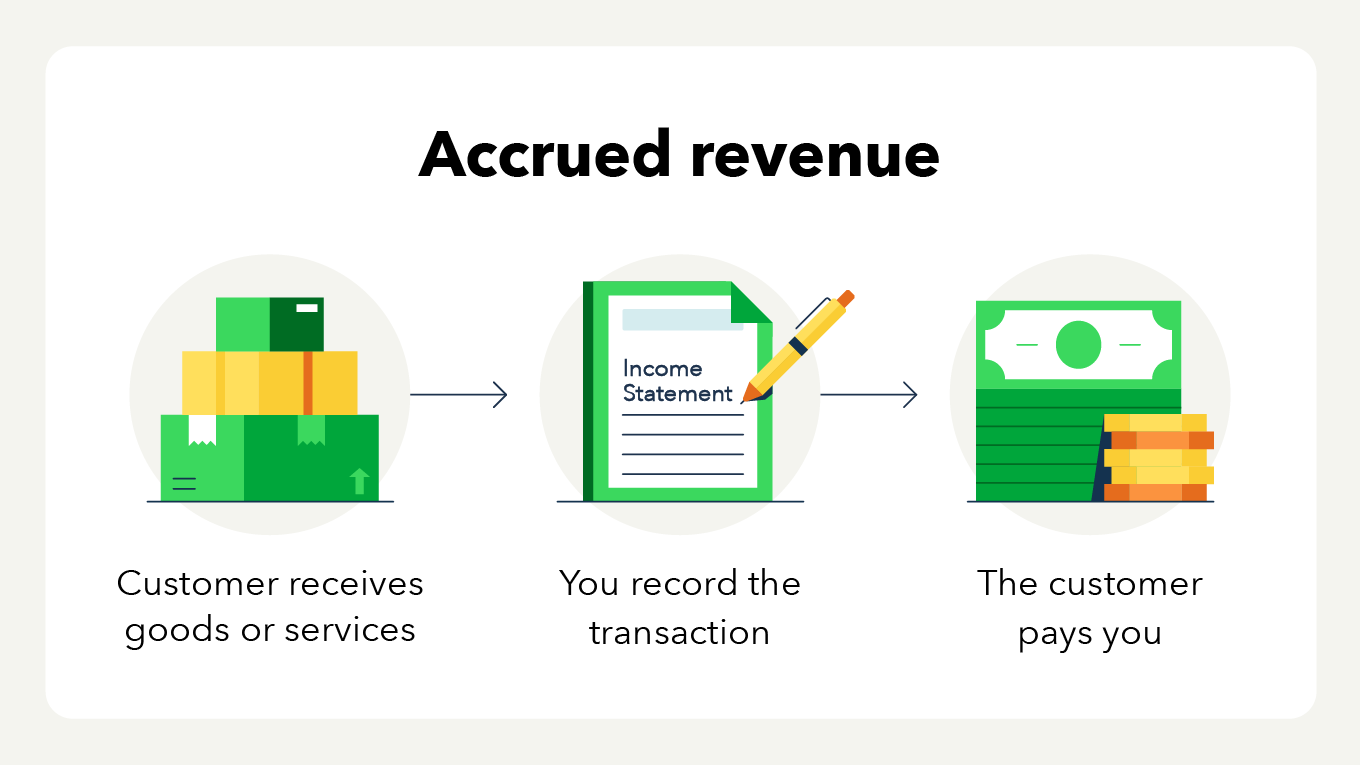
Accrued Revenue (Unbilled Revenue): This refers to revenue that a company has earned by delivering goods or services, but for which it has not yet sent an invoice or received payment. For example, a consulting firm might complete a project for a client at the end of December but not issue the invoice until early January. Under accrual accounting, this revenue is recognized in December, ensuring that the income is matched to the period in which the work was performed.
-
Accrued Expenses: These are expenses that a company has incurred but has not yet paid. Common examples include salaries and wages earned by employees but not yet paid, utility services used but not yet billed, interest expense on loans that hasn’t been paid, or professional fees for services rendered but not yet invoiced. Recognizing these expenses in the period they are incurred, rather than when cash is disbursed, is critical for accurately calculating profits and losses. Without accruing expenses, a company could appear more profitable than it truly is.
These accruals directly impact a company’s income statement and balance sheet. Accrued revenues increase assets (as accounts receivable) and revenues, while accrued expenses increase liabilities and expenses. Together, they ensure that the “matching principle” is upheld, leading to a more reliable measure of net income.
Accruals and Valuation: Understanding a Company’s Health
For analysts and investors, understanding a company’s accruals is vital for assessing its financial health and intrinsic value.
-
Working Capital Analysis: Accruals directly affect a company’s working capital – the difference between current assets and current liabilities. A high level of accrued expenses (current liabilities) could indicate cash flow challenges if not managed properly. Conversely, a growing level of accrued revenue (current assets) might signal strong future cash inflows.
-
Quality of Earnings: Accruals can sometimes be subjective and involve management estimates (e.g., estimating warranty costs). Analyzing the trend and composition of accruals can offer insights into the “quality of earnings.” Companies with unusually large or fluctuating accruals might warrant closer scrutiny, as they could be using accrual accounting to smooth earnings or present a more favorable (though potentially misleading) financial picture.
-
Cash Flow vs. Accrual Profit: A company can show strong profits on an accrual basis (e.g., lots of accrued revenue) but still struggle with cash flow if customers are slow to pay. Conversely, a company might have negative accrual profits but strong cash flow due to non-cash expenses like depreciation or effective working capital management. Investors often look at both cash flow statements and income statements to get a complete picture, recognizing the different insights each provides.
The Role of Accruals in Investment Decisions
Astute investors often dig deeper than the headline profit figures, scrutinizing the accruals within a company’s financial statements.
-
Forecasting Future Performance: By understanding a company’s accrued revenues and expenses, investors can better forecast future cash flows and earnings. For instance, a significant increase in unbilled revenue might suggest strong future cash receipts, while a sharp rise in accrued liabilities could signal upcoming cash outflows.
-
Identifying Red Flags: Excessive or unusual accruals can sometimes be a red flag. For example, consistently high levels of accrued expenses relative to cash expenses might suggest that a company is delaying payments or has underestimated liabilities. Similarly, a significant disparity between accrual-based profit and cash from operations could indicate aggressive revenue recognition policies or challenges in converting sales into cash.
-
Comparative Analysis: When comparing companies within an industry, analyzing their accrual patterns can provide insights into their operational efficiency, revenue recognition policies, and overall financial conservatism or aggressiveness.
In essence, a deep understanding of accrual accounting allows investors to move beyond superficial numbers and gain a more nuanced and accurate perception of a company’s true economic performance and underlying financial strength.
Managing and Optimizing Your Accruals
Effectively managing accruals, whether personal or business-related, is a critical component of robust financial planning and decision-making. It’s about leveraging the benefits of accrual concepts while mitigating potential risks.
Leveraging Accrued Interest for Wealth Growth
For personal finance, the most potent aspect of accrual is compounded interest.
-
Early and Consistent Saving: The earlier you start saving and investing, the more time your money has to accrue interest and benefit from compounding. Even small, consistent contributions can grow significantly over decades.
-
High-Yield Accounts: Seek out savings accounts, Certificates of Deposit (CDs), or investment vehicles that offer competitive interest rates. The higher the rate at which interest accrues, the faster your wealth grows.
-
Reinvesting Earnings: To maximize the power of compounding, always reinvest any interest or dividends earned. This ensures that your principal balance grows, leading to even more significant interest accrual in subsequent periods.
-
Understanding Payment Frequencies: Be aware of how frequently interest is calculated and compounded (e.g., daily, monthly, annually). More frequent compounding periods generally lead to greater overall returns.
Conversely, for debt, minimizing accrued interest is key. Pay down high-interest debts as quickly as possible, as daily accrual can quickly inflate your total repayment amount.
Strategic Management of Accrued Liabilities
Both individuals and businesses must strategically manage accrued liabilities to maintain financial stability.
-
For Individuals:
-
Budgeting for Future Bills: Anticipate and budget for accrued expenses like utility bills, property taxes, or annual insurance premiums. Setting aside money regularly for these future payments prevents cash flow shocks.
-
Maximizing Accrued Benefits: Understand and utilize your accrued vacation and sick leave. These are valuable benefits that can provide paid time off or, in some cases, a cash payout. For retirement benefits, be aware of vesting schedules and contribution matching to maximize your long-term accruals.
-
-
For Businesses:
-
Accurate Estimation: Businesses must accurately estimate accrued expenses (e.g., bonuses, warranties, legal fees) to ensure financial statements are reliable. Underestimating these can lead to future financial surprises.
-
Cash Flow Planning: While accrual accounting provides an accurate view of profitability, businesses must always monitor their cash flow. Accrued expenses, even if unpaid, represent future cash outflows. Managing payment terms with suppliers and customers can optimize this.
-
Debt Management: Accrued interest on loans is a liability. Strategic debt repayment plans, interest rate negotiations, and refinancing can minimize the impact of accruing interest expense.
-
Software and Systems: Utilize accounting software that automates the recognition and tracking of accruals, reducing manual errors and improving efficiency.
-
Financial Tools and Practices for Tracking Accruals
Leveraging technology and sound financial practices can significantly enhance the management of accruals.
-
Personal Finance Apps: Many budgeting and personal finance apps can help track recurring expenses and income, making it easier to anticipate future cash flows and understand how interest and benefits accrue.
-
Accounting Software: For businesses, robust accounting software (e.g., QuickBooks, Xero, SAP) is indispensable. These systems automatically record accruals, generate financial statements, and provide insights into financial performance.
-
Regular Financial Reviews: Periodically review your personal financial statements (or business financial reports) to understand your accrued assets and liabilities. This helps in identifying trends, making adjustments, and ensuring financial goals are on track.
-
Professional Advice: For complex personal financial situations or business operations, consulting with financial advisors, accountants, or tax professionals can provide expert guidance on optimizing accrual management.
By actively managing and optimizing accruals, individuals and businesses can gain a clearer understanding of their financial position, make more informed decisions, and build a more secure and prosperous financial future.
In conclusion, “what is accruing” is far more than an academic accounting term; it is a vital concept that influences nearly every aspect of financial life. From the compound growth of your savings to the precise measurement of a company’s profitability, accrual principles ensure that financial reality is captured accurately and completely. A deep appreciation for how things accrue empowers individuals to make smarter personal finance decisions, helps businesses present a true picture of their economic performance, and enables investors to discern the genuine health and future potential of their ventures. Mastering the understanding and management of accruals is, therefore, a fundamental step towards achieving financial clarity and success.
aViewFromTheCave is a participant in the Amazon Services LLC Associates Program, an affiliate advertising program designed to provide a means for sites to earn advertising fees by advertising and linking to Amazon.com. Amazon, the Amazon logo, AmazonSupply, and the AmazonSupply logo are trademarks of Amazon.com, Inc. or its affiliates. As an Amazon Associate we earn affiliate commissions from qualifying purchases.