
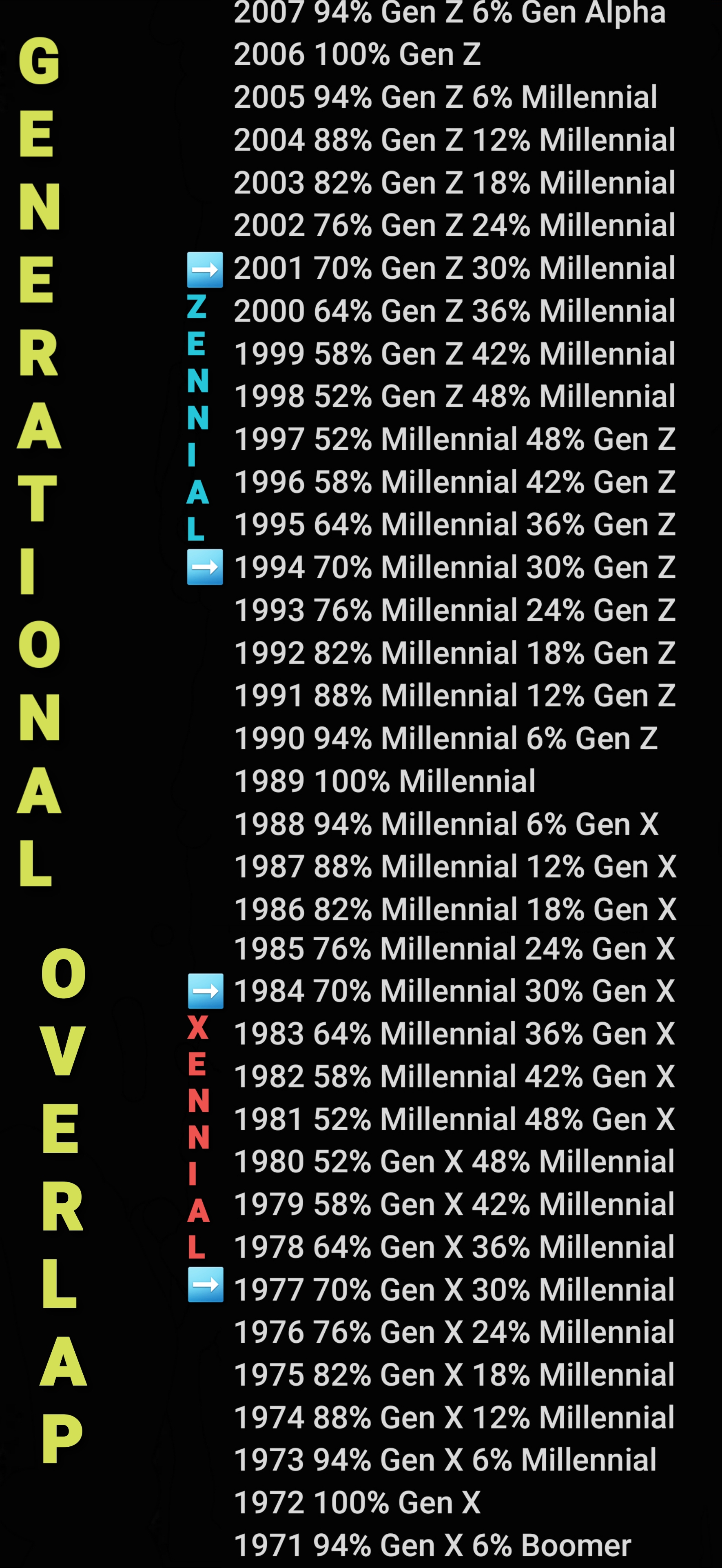
In the world of market segmentation, broad demographic labels like “Millennial” and “Gen Z” often fail to capture the nuance of those living on the fringe. Enter the “Zennial”—a micro-generation born roughly between 1992 and 1998. Also known as “Cuspers,” this group represents a critical bridge between the idealistic, digital-pioneer Millennials and the pragmatic, digital-native Gen Z. For brand strategists and marketing professionals, understanding the Zennial isn’t just about identifying a birth year; it is about unlocking a unique psychological profile that dictates the future of consumer engagement.
The Zennial demographic is small but mighty, possessing a unique blend of “analog” childhood memories and “digital” adulthood fluency. They are the last group to remember a world before smartphones were ubiquitous, yet they are among the most proficient early adopters of emerging platforms. For brands, this duality presents both a challenge and an unprecedented opportunity to build loyalty through authenticity and strategic positioning.

Defining the Zennial: The “Cusp” Generation at the Heart of Modern Branding
The term “Zennial” is more than just a catchy portmanteau; it describes a cohort that feels technologically and culturally alienated from both the avocado-toast stereotypes of older Millennials and the TikTok-centric world of younger Gen Zers. To market to them effectively, brands must first understand the specific environmental factors that shaped their identity.
The Birth of a Micro-Generation
Zennials were born into a period of rapid transition. While older Millennials (Gen Y) grew up in the economic boom of the 1990s and Gen Z (the iGeneration) grew up entirely in a post-9/11, social-media-first world, Zennials experienced the shift in real-time. From a branding perspective, this means they possess a “hybrid” consciousness. They value the stability and institutional trust often associated with Millennials, but they share the skepticism and social consciousness of Gen Z. Identifying this cohort allows a brand to move away from “one-size-fits-all” campaigns and toward high-precision targeting.
Bridging the Analog-Digital Divide
One of the defining characteristics of a Zennial is their relationship with technology. Unlike Gen Z, who may have never seen a VHS tape or used dial-up internet, Zennials remember the transition. They spent their early childhood playing outside and their teenage years on MySpace and early Facebook. This “bridging” experience means they are incredibly savvy consumers of digital media. They can spot an “inauthentic” brand partnership from a mile away because they witnessed the birth of influencer culture. For a brand, this means that flashy tech gimmicks won’t work on Zennials; they demand functional, seamless digital experiences that respect their time and intelligence.
Consumer Psychology: Why Zennials Demand a Different Marketing Playbook
Zennials are currently in a pivotal life stage. Most are in their mid-to-late 20s or early 30s, entering their peak earning years, making major purchases like homes or cars, and starting families. Their consumer psychology is distinct because it balances Millennial optimism with Gen Z realism.
Authenticity Over Aesthetic Perfection
For years, Millennial branding was defined by “the Instagram aesthetic”—perfectly curated, pastel-colored, and highly polished. Zennials, however, were the first to rebel against this. They lean toward the Gen Z preference for “unfiltered” content but still appreciate high-quality production. A successful brand strategy for Zennials involves “curated authenticity.” They want to see the “behind-the-scenes” of a company, but they also want the website to load instantly and the product to work perfectly. They value transparency in sourcing and honesty in advertising, often favoring brands that admit their flaws over those that claim to be perfect.
Values-Driven Consumption
Zennials are hyper-aware of the socio-political climate. They grew up during the Great Recession and entered the workforce during a period of intense global volatility. Consequently, their brand loyalty is often tied to a company’s ethics. This isn’t just about “greenwashing” or posting a black square on social media; Zennials look for deep-rooted corporate social responsibility. They research a brand’s labor practices, its environmental footprint, and its political contributions. For a brand to win a Zennial’s wallet, it must first win their respect by aligning with their values on sustainability, diversity, and social equity.
Strategic Engagement: How Brands Can Win the Zennial Market

Engaging a Zennial requires a sophisticated omnichannel approach. You cannot reach them through traditional television ads, nor can you rely solely on the latest viral trend. They inhabit a middle ground where quality meets convenience.
The Power of Nostalgia Marketing with a Twist
Nostalgia is a potent tool for Zennials, but it must be used precisely. Because they remember the late 90s and early 2000s, they respond well to “Y2K” aesthetics, but they want them modernized. This is “Newstalgia”—the blending of familiar retro elements with modern tech and ethics. Brands like Polaroid or various heritage fashion labels have successfully pivoted by leaning into their history while updating their digital interfaces and sustainability profiles. For a Zennial, nostalgia offers a sense of comfort in a chaotic world, making it a powerful hook for brand storytelling.
Omnichannel Consistency
Zennials are the ultimate researchers. A typical Zennial customer journey might start on a desktop, move to a mobile social media app, involve reading third-party reviews, and culminate in an in-store purchase. Brands must ensure that their identity is consistent across all these touchpoints. If a brand’s voice is playful on Twitter but clinical and cold on its e-commerce site, the Zennial will sense a disconnect. They value a seamless transition between the digital and physical worlds. Brand strategy for this group must focus on “phygital” experiences—ensuring that the convenience of online shopping is matched by the sensory experience of physical branding.
Case Studies: Brands Successfully Navigating the Zennial Shift
Several brands have mastered the art of appealing to the Zennial without alienating their older or younger neighbors. These companies understand that Zennials aren’t looking for a “vibe”—they are looking for a solution that aligns with their identity.
The Rise of “Slow” and Ethical Fashion
While Gen Z is often associated with the rise of ultra-fast fashion (like Shein), Zennials are leading the charge back toward “slow fashion.” Brands like Everlane, Reformation, and Patagonia have become Zennial favorites. These brands focus on “radical transparency,” showing the cost of labor and materials. By positioning themselves as the antithesis of disposable culture, these brands appeal to the Zennial’s desire for quality (Millennial trait) and ethical accountability (Gen Z trait). Their brand identity is built on the idea of “buying less but buying better,” a message that resonates deeply with a generation concerned about the future of the planet.
Reimagining Financial Services for the Modern Professional
Fintech companies like Robinhood, Chime, and Monzo have successfully captured the Zennial market by disrupting the stuffy, traditional image of banking. Zennials watched their parents struggle with traditional financial institutions during the 2008 crash, leading to a deep-seated distrust of “Big Banks.” These fintech brands use clean, minimalist design, transparent fee structures, and mobile-first interfaces. They speak to Zennials in a professional yet accessible tone, removing the jargon that often alienates younger consumers. By treating financial management as a lifestyle choice rather than a chore, these brands have built massive equity with the Zennial cohort.
The Future of Brand Identity in a Zennial-Led Market
As we look toward the next decade, the Zennial influence will only grow. They are becoming the decision-makers in both their households and their workplaces. A brand that ignores the Zennial today is ignoring the primary economic driver of tomorrow.
Moving Beyond Demographic Labels
The most successful future brands will be those that stop viewing demographics as static age brackets and start viewing them as “mindsets.” The Zennial mindset is one of critical thinking, tech-fluency, and ethical standards. To future-proof a brand, companies must adopt a “Zennial-first” design philosophy: prioritize the user experience, be uncompromising on brand values, and communicate with a voice that is both knowledgeable and relatable.
Long-term Loyalty in an Era of Choice
In an era where consumers have infinite choices at their fingertips, loyalty is harder to earn and easier to lose. Zennials are not “brand loyal” in the traditional sense; they are “value loyal.” They will stay with a brand as long as it continues to provide a superior product and remains a good corporate citizen. The future of brand strategy lies in community-building—moving away from transactional relationships and toward a model where the consumer feels like a stakeholder in the brand’s mission. For the Zennial, a brand isn’t just something they buy; it’s an extension of who they are.
By understanding the “Zennial” as a bridge between two worlds, brands can create strategies that are not only effective for this micro-generation but are also more resilient, ethical, and resonant in the modern marketplace. The Zennial is the blueprint for the modern consumer: informed, intentional, and influential.
aViewFromTheCave is a participant in the Amazon Services LLC Associates Program, an affiliate advertising program designed to provide a means for sites to earn advertising fees by advertising and linking to Amazon.com. Amazon, the Amazon logo, AmazonSupply, and the AmazonSupply logo are trademarks of Amazon.com, Inc. or its affiliates. As an Amazon Associate we earn affiliate commissions from qualifying purchases.