
The term “yuppy,” an acronym for “Young Urban Professional,” emerged in the early 1980s, swiftly embedding itself into the cultural lexicon to describe a distinct socio-economic demographic. Far from being merely a descriptor of age or location, “yuppy” became synonymous with a specific financial ethos, driven by ambition, consumerism, and a particular approach to wealth accumulation and display. While the term itself carries historical baggage and has at times been used pejoratively, understanding the yuppy archetype offers profound insights into economic shifts, evolving career aspirations, and changing patterns of personal finance and investment over the past few decades. This exploration delves exclusively into the financial dimensions of what defines a yuppy, examining their income generation, spending habits, investment strategies, and broader economic impact. The yuppy story is fundamentally a financial one, reflecting periods of economic prosperity, rising costs of living in urban centers, and the relentless pursuit of financial success and stability. From the booming 80s to the tech-driven 21st century, the core financial characteristics of the “young urban professional” have continued to shape economic trends and personal financial strategies.

The Genesis of the “Young Urban Professional”
The advent of the “yuppy” was not merely a linguistic happenstance; it was a direct reflection of significant economic and social transformations occurring predominantly in the United States and other Western nations during the late 20th century. The moniker encapsulated a rapidly growing segment of the population whose financial behaviors and aspirations began to exert a noticeable influence on the economy.
Historical Context and Economic Boom
The 1980s, often dubbed the “Decade of Greed” or a period of robust economic expansion, provided fertile ground for the yuppy phenomenon. This era was characterized by deregulation, particularly in the financial sector, leading to a surge in lucrative opportunities in banking, law, advertising, and other professional services. The dot-com bubble of the late 90s and subsequent tech booms further fueled this trend, creating new avenues for high-earning careers. Young individuals graduating from top universities flocked to urban centers, drawn by the promise of high salaries and rapid career progression. This burgeoning class of professionals, armed with specialized degrees and an aggressive work ethic, quickly became the engine of a new consumer culture defined by aspiration and acquisition. They were the beneficiaries of an economic climate that rewarded ambition, often at the expense of traditional work-life balance, prioritizing financial advancement above all else. This historical context is crucial, as it set the stage for the yuppy’s distinctive financial footprint, laying the groundwork for a consumer-driven economy heavily influenced by their spending power and investment decisions.
Demographic Profile and Core Characteristics
At its core, the yuppy demographic can be broken down by a few key descriptors, all of which have financial implications. “Young” typically referred to individuals in their 20s and 30s, a stage of life often associated with early career development and significant earning potential. “Urban” pointed to their concentration in major metropolitan areas—cities like New York, London, San Francisco, and Tokyo—where high-paying professional jobs were concentrated, but also where the cost of living was significantly higher. “Professional” underscored their careers in fields requiring advanced education and offering substantial financial remuneration, such as law, medicine, finance, consulting, and later, technology. These individuals were often college-educated, highly ambitious, and driven by a strong desire for upward mobility. Financially, this translated into high disposable incomes, a propensity for conspicuous consumption, and a keen interest in wealth accumulation. Their financial characteristics were not just about earning high salaries but also about a strategic approach to managing and growing their money, often reflecting a pragmatic and results-oriented mindset honed in their professional careers. This profile continues to evolve but maintains its fundamental financial underpinnings in today’s knowledge economy.
The Socio-Economic Landscape that Nurtured the Yuppy
The rise of the yuppy was intrinsically linked to a shifting socio-economic landscape. The move towards a service-based economy, away from traditional manufacturing, created an explosion of roles in finance, consulting, marketing, and information technology. Urban centers, once in decline, experienced revitalization, driven by investments in new infrastructure, cultural institutions, and attractive housing developments catering to this affluent demographic. This urban renewal, often termed gentrification, was directly influenced by the influx of young professionals willing to pay a premium for city living and amenities. The availability of luxury goods, gourmet dining experiences, and high-end services proliferated to meet the demands of this group. Furthermore, technological advancements facilitated globalized markets and instantaneous information, empowering these professionals to excel and earn at unprecedented levels. This confluence of economic shifts, urban development, and technological progress created an environment where the yuppy could thrive financially, simultaneously shaping the economic landscape and being shaped by it.
Financial Drivers and Aspirations
At the heart of the yuppy identity lies a powerful set of financial drivers and aspirations that dictate their career choices, spending habits, and overall lifestyle. This demographic is characterized by a relentless pursuit of financial success, often viewed as both an end in itself and a means to achieving a desired quality of life.
Income Generation and Career Trajectories
A defining feature of yuppies is their commitment to high-income generation. This begins with strategic educational choices, often involving prestigious universities and advanced degrees, which serve as direct conduits to lucrative careers. They gravitate towards professions known for their high earning potential and clear paths for advancement, such as investment banking, corporate law, specialized medicine, management consulting, and senior roles in tech and software development. These careers typically demand long hours, intense competition, and a high level of performance, but in return, offer substantial salaries, bonuses, and equity options. The yuppy’s career trajectory is often marked by rapid progression, a willingness to take on demanding roles, and a constant drive to climb the corporate ladder or innovate within their respective fields. Their ambition is directly tied to financial accumulation, aiming not just for comfortable living but for significant wealth building over their working lives. This focus on maximizing income is the cornerstone of their financial strategy.
Consumerism and Lifestyle Spending
Yuppies are often associated with conspicuous consumption, using their disposable income to acquire goods and services that signify status, success, and a refined lifestyle. This isn’t merely about buying things; it’s about investing in a particular aesthetic and experience. High-end designer clothing, luxury automobiles, gourmet dining, craft beverages, and international travel are common expenditures. Beyond material possessions, yuppies invest heavily in experiences—exclusive club memberships, cultural events, and wellness trends—that enhance their social standing and provide personal gratification. The decision to spend is often carefully considered, reflecting an appreciation for quality, brand reputation, and the perceived value of an item or experience. This consumer behavior not only drives demand in luxury markets but also influences broader economic trends, as industries adapt to cater to the preferences of this affluent segment. However, this spending, while a hallmark, often necessitates a high level of income to sustain, creating a cyclical relationship between earning and expenditure.
Debt Management and Financial Challenges
Despite their high incomes, yuppies are not immune to financial challenges, particularly concerning debt. The pursuit of education often results in significant student loan debt, which can be substantial even with high salaries. Moreover, maintaining an affluent urban lifestyle comes with a high cost of living, including expensive housing, transportation, and daily expenses. This can sometimes lead to reliance on credit cards or other forms of consumer debt, especially when balancing immediate gratification with long-term financial goals. A critical aspect of a yuppy’s financial journey involves strategically managing this debt. This might include aggressive repayment strategies for high-interest loans, leveraging income for significant down payments on real estate, and carefully budgeting to avoid overextension. The challenge for many yuppies lies in reconciling their ambitious spending habits with prudent financial management, aiming to mitigate debt while simultaneously building wealth and maintaining their desired lifestyle. Effective debt management is therefore a crucial element of their overall financial health.
Investment Strategies and Wealth Building
Beyond income generation and consumer spending, a defining characteristic of the yuppy is their proactive approach to investment and wealth building. They view their high incomes not just as means for consumption, but as capital to be strategically deployed for future financial security and growth.
Real Estate and Urban Living
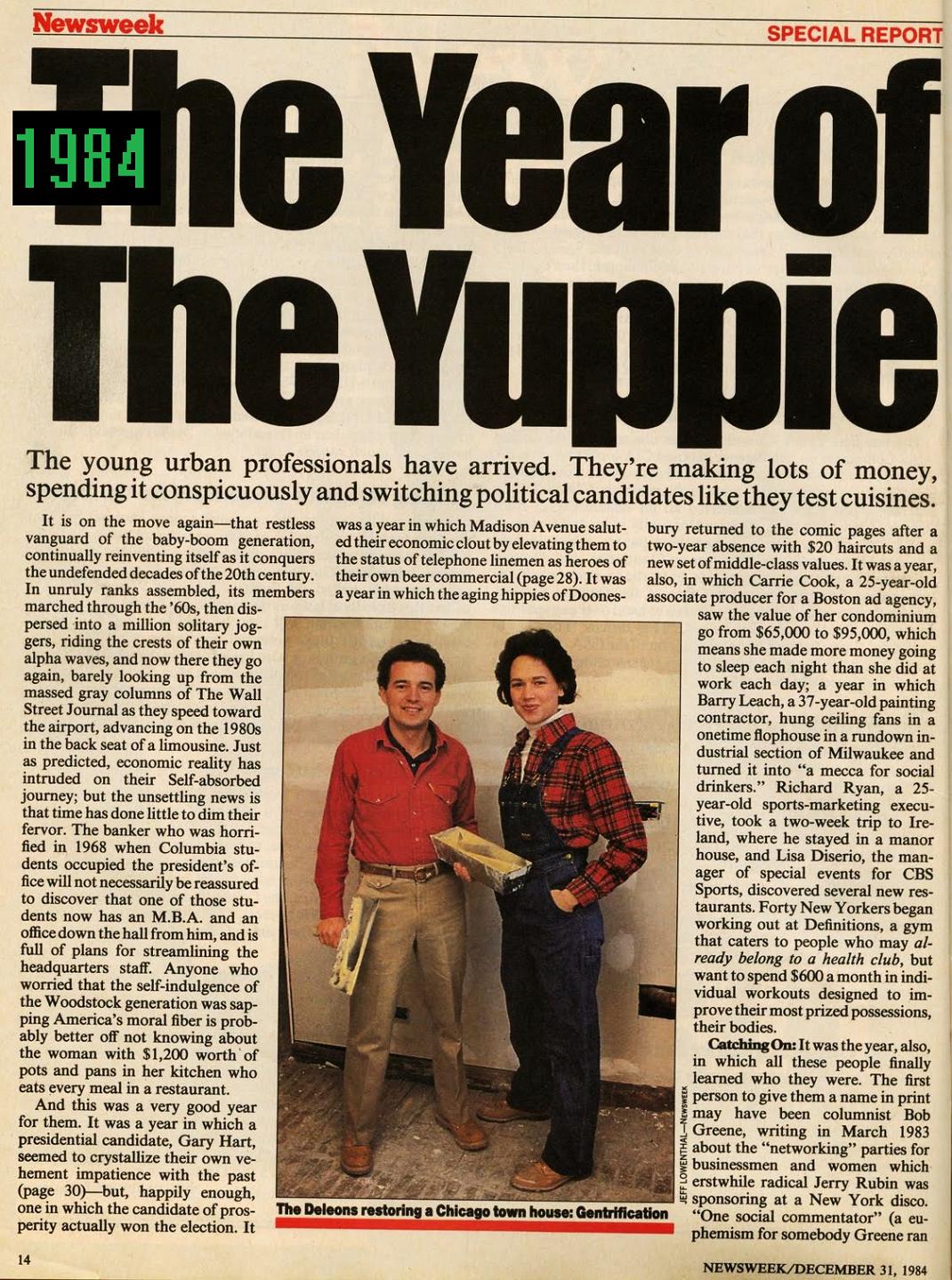
Real estate plays a significant role in the yuppy’s investment portfolio. Given their urban concentration, purchasing property in desirable metropolitan areas is often seen as both a lifestyle choice and a shrewd investment. Owning a condominium, townhouse, or single-family home in a sought-after neighborhood provides a sense of stability, a base for their professional and social lives, and a tangible asset. They are often pioneers in gentrifying neighborhoods, willing to invest in areas with potential for significant appreciation. Real estate investments are not limited to primary residences; many yuppies also explore rental properties or participate in real estate investment trusts (REITs) to diversify their portfolios and generate passive income. The high cost of urban living means that real estate decisions are often among their most substantial financial commitments, requiring careful planning, significant capital, and an understanding of market dynamics. This focus on real estate reflects a long-term perspective on wealth accumulation, leveraging property as a cornerstone of their financial strategy.
Portfolio Diversification and Market Engagement
Yuppies are typically well-versed in personal finance and actively engage with the financial markets. They understand the importance of portfolio diversification to mitigate risk and maximize returns. This often involves investing in a mix of assets, including stocks, bonds, mutual funds, and exchange-traded funds (ETFs). They are often early adopters of new investment vehicles and platforms, staying informed about market trends and economic indicators. Many seek advice from financial planners or leverage online brokerage platforms to manage their investments. There’s a strong emphasis on growth-oriented investments, often favoring equities in sectors they understand well (e.g., technology, healthcare, finance). The goal is not just to save, but to make their money work for them, leveraging compound interest and market gains to accelerate wealth accumulation. Their professional acumen often translates into a disciplined and analytical approach to investing, reflecting a desire to optimize financial outcomes through informed decisions.
Retirement Planning and Long-Term Financial Security
Despite their focus on current success and lifestyle, yuppies are also acutely aware of the need for long-term financial security, including robust retirement planning. They typically maximize contributions to employer-sponsored retirement plans like 401(k)s and utilize individual retirement accounts (IRAs) to take advantage of tax benefits and compound growth. Beyond traditional retirement accounts, many actively invest in taxable brokerage accounts to build additional wealth that can be accessed before traditional retirement age or used for other long-term goals. There’s often a pragmatic understanding that while current income is high, market fluctuations and life events necessitate a strong financial buffer for the future. This long-term perspective is central to their financial planning, ensuring that their current success translates into enduring financial independence. They are not just living for today; they are strategically building a financial legacy, understanding that early and consistent investment is key to achieving their retirement goals.
Evolving Financial Behaviors and the Modern Professional
While the core tenets of the yuppy archetype—ambition, urban living, and financial drive—remain relevant, the landscape of personal finance and economic opportunity has evolved considerably. The modern professional, while sharing many characteristics with their 1980s predecessors, navigates a different economic terrain, leading to adapted financial behaviors.
The Digital Economy and New Income Streams
The rise of the digital economy has fundamentally reshaped how modern professionals generate income. Beyond traditional corporate careers, many yuppies now engage in side hustles, consulting gigs, or entrepreneurial ventures facilitated by technology. Platforms for freelance work, e-commerce, and content creation offer avenues for diversifying income streams, often leveraging specialized skills developed in their primary careers. This can range from launching an online business, investing in digital assets, or participating in the gig economy to supplement their main income or explore new passions. The flexibility and scalability offered by the digital economy appeal to the yuppy’s drive for efficiency and wealth maximization. This shift reflects a desire for greater financial resilience and a recognition that relying solely on a single income source, no matter how high, might not be sufficient in a rapidly changing economic climate. The modern yuppy often exemplifies a multi-faceted approach to income generation.
Conscious Consumerism and Ethical Investing
A noticeable evolution in the modern yuppy’s financial behavior is a move towards more conscious consumerism and ethical investing. While still appreciating quality and luxury, there’s a growing awareness of the social and environmental impact of their purchasing and investment decisions. This translates into a preference for brands with strong ethical supply chains, sustainable practices, and transparent corporate governance. In the investment sphere, Environmental, Social, and Governance (ESG) investing has gained significant traction. Modern yuppies are increasingly allocating capital to companies that align with their values, seeking both financial returns and positive societal impact. This isn’t merely altruism; it’s a strategic recognition that sustainable and ethical businesses often represent stronger long-term investments. This nuanced approach signals a departure from the purely materialistic image of the traditional yuppy, indicating a more integrated view of wealth that considers both personal gain and broader responsibility.
Financial Independence, Retire Early (FIRE) Movement and Alternative Paths
A significant subset of modern professionals, particularly those with high earning potential, are increasingly drawn to the Financial Independence, Retire Early (FIRE) movement. This philosophy emphasizes aggressive saving and investing to achieve financial independence at a much younger age than traditional retirement. For many yuppies, the FIRE movement offers an alternative path to the relentless corporate ladder, providing a framework to gain control over their time and pursue passions outside of work. They employ meticulous budgeting, optimize investments for growth, and often live below their means despite high incomes, all with the goal of accumulating sufficient assets to cover their living expenses without needing to work. This contrasts with the earlier yuppy emphasis on continuous career progression and spending. The FIRE movement, adopted by many contemporary high-earners, highlights a changing relationship with work, wealth, and life balance, illustrating a shift towards valuing time and autonomy as much as, if not more than, pure material accumulation.
The Yuppy Legacy and Economic Impact
The influence of the yuppy demographic extends far beyond individual financial profiles; it has left an indelible mark on urban economies, consumer markets, and broader socio-economic discussions. Understanding their collective financial footprint reveals how a concentrated group of high-earners can profoundly shape economic landscapes.
Influence on Urban Economies and Housing Markets
The yuppy demographic has been a primary driver of urban revitalization and, consequently, gentrification. Their demand for high-quality housing in central locations, coupled with their ability to pay premium prices, has led to significant investment in urban infrastructure, residential developments, and commercial amenities. This influx of capital and professional talent has often transformed struggling city districts into vibrant, economically dynamic neighborhoods. However, this has also led to skyrocketing property values and rental costs, making these areas unaffordable for long-standing residents and lower-income individuals. The economic impact is two-fold: while contributing to job creation, increased tax revenues, and a thriving local economy, it also exacerbates issues of housing inequality and displacement. The yuppy’s financial decisions in real estate, therefore, have a direct and often controversial impact on the social fabric and economic accessibility of urban environments.
Contribution to Consumer Spending and Economic Cycles
Yuppies have historically played a crucial role in driving consumer spending, especially in high-end and luxury markets. Their disposable income and willingness to spend on quality goods, services, and experiences fuel entire industries, from fashion and automotive to hospitality and technology. During periods of economic growth, the strong consumer confidence and spending power of this demographic can accelerate economic expansion, creating demand that stimulates production and employment. Conversely, during economic downturns, a contraction in yuppy spending can have a significant ripple effect across these sectors. Their spending patterns are often seen as leading indicators of broader economic health, reflecting the sentiment of an affluent segment that has a substantial impact on national and global consumer markets. Their consistent demand for premium products and innovative services has forced businesses to adapt and cater to their evolving preferences, demonstrating their significant leverage in shaping market trends.

Socio-Economic Perceptions and Class Dynamics
The yuppy phenomenon has also profoundly influenced socio-economic perceptions and class dynamics. On one hand, the yuppy embodies the aspirational ideal of meritocracy and upward mobility, representing the potential rewards of education, hard work, and ambition. Their success can serve as a benchmark for others striving for financial achievement. On the other hand, the term has often been used pejoratively, symbolizing excessive materialism, self-absorption, and a perceived disregard for broader social welfare. This duality has fueled discussions about wealth disparity, class divisions, and the ethics of hyper-consumerism. The yuppy’s financial success has often been juxtaposed against the struggles of other economic groups, bringing into sharp focus the widening gaps in income and opportunity. Their economic impact, therefore, is not just quantitative, but also qualitative, shaping public discourse about wealth, privilege, and the structure of modern society.
In conclusion, the yuppy is a concept deeply rooted in financial identity. From their high-earning professions and distinctive spending habits to their proactive investment strategies and evolving approaches to wealth building, every facet of the yuppy experience is intrinsically linked to money. Their influence on urban landscapes, consumer markets, and broader economic narratives underscores the significant financial power concentrated within this demographic. While the term may have cultural nuances, its core definition remains a testament to a particular financial mindset that has shaped and continues to shape our economic world.
aViewFromTheCave is a participant in the Amazon Services LLC Associates Program, an affiliate advertising program designed to provide a means for sites to earn advertising fees by advertising and linking to Amazon.com. Amazon, the Amazon logo, AmazonSupply, and the AmazonSupply logo are trademarks of Amazon.com, Inc. or its affiliates. As an Amazon Associate we earn affiliate commissions from qualifying purchases.