
The anticipation of a tax refund can be a significant annual event for many Americans. After diligently preparing your tax return, often with the convenience of platforms like TurboTax, the most common question that follows is: “When will I get my money?” While TurboTax streamlines the filing process, it’s crucial to understand that the platform simply acts as a conduit to the Internal Revenue Service (IRS). The actual timeline for your refund’s arrival is determined by a complex interplay of IRS processing procedures, the specifics of your tax return, and how you choose to receive your funds.

This article delves into the intricacies of the tax refund timeline, helping you set realistic expectations and understand the factors that accelerate or delay the deposit of your much-awaited refund. We’ll explore the IRS’s role, the critical elements that influence processing times, the most reliable ways to track your refund’s status, and common pitfalls that can lead to frustrating delays. By demystifying this process, you can approach tax season with greater clarity and less anxiety about your financial future.
Understanding the Refund Process: From Filing to Funds
The journey of your tax refund begins the moment you click “submit” on your TurboTax return and extends until the money lands in your bank account or mailbox. While TurboTax ensures your information is formatted correctly and transmitted securely to the IRS, the subsequent steps are entirely within the purview of the federal tax agency.
The IRS’s Role in Refund Issuance
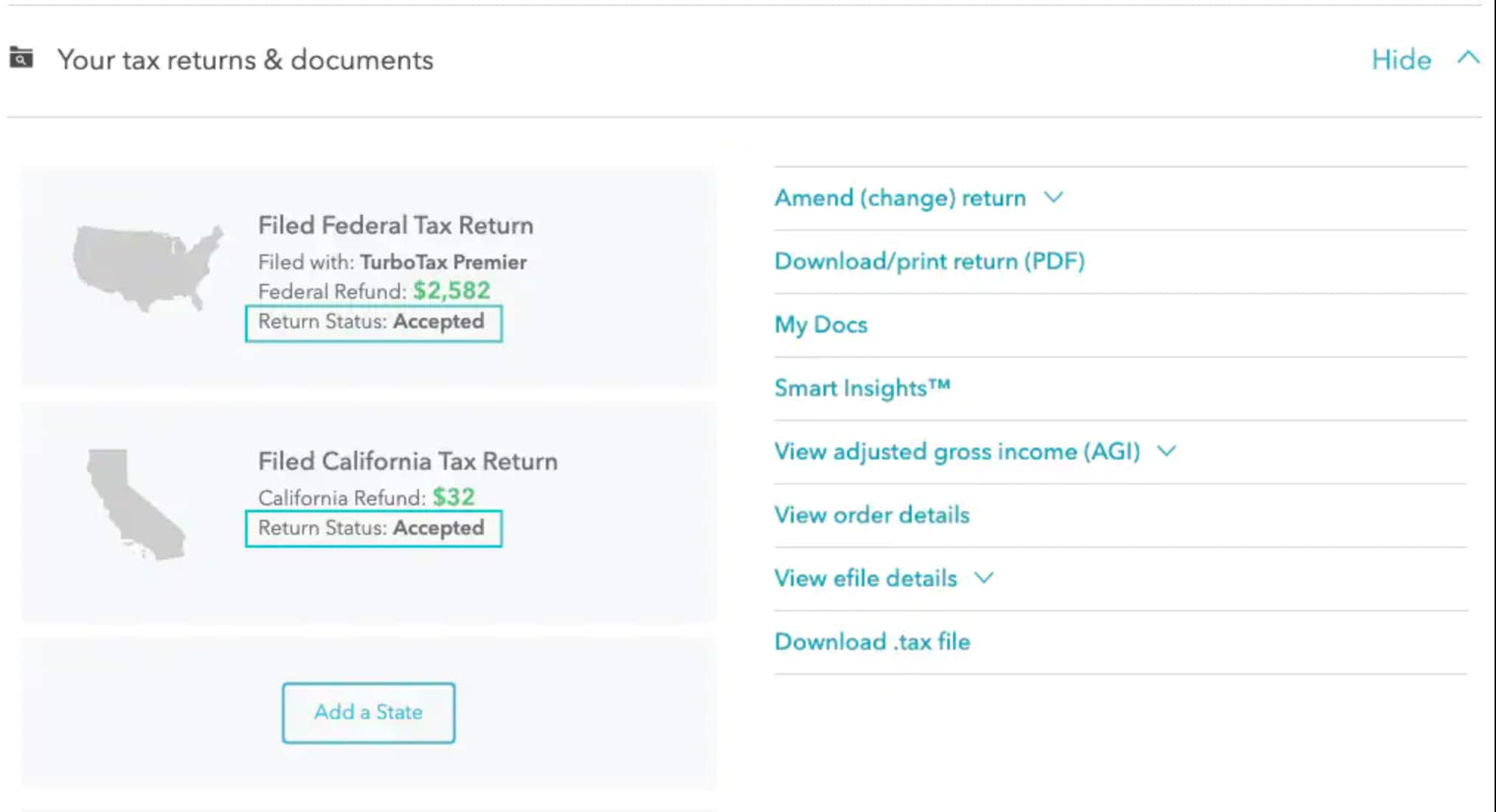
Once TurboTax electronically transmits your return, the IRS takes over. Their systems conduct a series of checks, verifying your identity, the accuracy of your reported income and deductions, and cross-referencing information with third-party reports like W-2s and 1099s. For the vast majority of e-filed returns, the IRS issues refunds within 21 calendar days. This 21-day window is a general guideline, not an absolute guarantee, as various factors can extend this period. It’s essential to remember that even if TurboTax shows your return has been “accepted,” this only means the IRS has successfully received it, not that it has been fully processed or that your refund is approved.
E-file vs. Paper File
The method you choose to file your return significantly impacts your refund timeline. Electronic filing (e-file), which TurboTax primarily facilitates, is by far the fastest and most efficient method. E-filed returns typically move through the IRS’s automated systems with greater speed and fewer errors. Paper-filed returns, on the other hand, require manual processing, which can take six to eight weeks, or even longer, from the date the IRS receives them. Furthermore, paper returns are more prone to human error during transcription, potentially leading to additional delays if clarification is needed.
Direct Deposit vs. Paper Check
Once your refund is approved, the method you selected for its delivery plays a crucial role in how quickly you receive it. Direct deposit is universally recommended as the quickest and most secure option. Funds are electronically transferred directly into your designated bank account, often appearing within a few business days after the IRS issues the refund. Opting for a paper check, while still an option, adds several days or even weeks to the timeline, as the check must be printed, mailed, and then physically deposited or cashed by you. There’s also the added risk of postal delays or the check getting lost in transit.
Factors That Influence Your Refund Timeline
While the IRS aims for a 21-day turnaround for most e-filed returns, several elements can either accelerate or, more commonly, delay your refund. Understanding these factors can help you manage your expectations and take proactive steps for a smoother experience.
Accuracy and Completeness of Your Return
This is arguably the most critical factor. Any errors, omissions, or inconsistencies on your tax return can trigger a manual review by the IRS, which will inevitably slow down your refund. Common mistakes include incorrect Social Security numbers, misspelled names, miscalculated credits or deductions, or failing to report all sources of income. Even a single digit error in a routing number for direct deposit can cause a significant delay, as the IRS will then have to mail a paper check. TurboTax helps minimize these errors through its guided process, but a thorough review on your part is always advisable.
Specific Tax Credits and Deductions (EITC/ACTC)
Certain refundable tax credits, specifically the Earned Income Tax Credit (EITC) and the Additional Child Tax Credit (ACTC), are subject to special IRS processing rules. By law, the IRS cannot issue refunds that include these credits before mid-February. This measure is in place to help prevent fraud and allow the IRS more time to verify income and eligibility. Even if you file early in January, if your return includes EITC or ACTC, you won’t see your refund until after this specific date. This delay impacts millions of taxpayers annually.
Identity Verification and Fraud Prevention
The IRS is vigilant about preventing tax-related identity theft and fraud. If their systems detect anything unusual on your return, such as an unfamiliar address, a claim for unusually large credits, or a return filed from an unfamiliar location, your refund may be held for further scrutiny. You might receive a letter from the IRS requesting identity verification or additional documentation. Responding promptly to these requests is crucial to avoid prolonged delays.
Taxpayer Identification Number (TIN) Issues
Ensuring that all Social Security Numbers (SSNs) or Individual Taxpayer Identification Numbers (ITINs) for yourself, your spouse, and any dependents are correct and valid is paramount. A mismatch or an expired ITIN can bring your refund processing to a complete halt until the issue is resolved.
Filing Date
While accuracy is more important than speed, filing early in the tax season (assuming accuracy) can sometimes lead to a quicker refund simply because the IRS’s systems are less overloaded. However, as mentioned, this doesn’t bypass the mid-February hold for EITC/ACTC filers. Filing very late in the season, close to the April deadline, might mean your return joins a massive influx, potentially extending processing times due to sheer volume.
IRS System Workload
Like any large organization, the IRS experiences periods of high workload, particularly during the peak tax season from late January through April. During these times, even straightforward returns might take slightly longer than the 21-day target simply due to the sheer volume of returns being processed. Unexpected system glitches or updates can also temporarily affect processing speeds.
Tracking Your Refund: Essential Tools and Tips
Waiting for your refund can be nerve-wracking, but fortunately, there are reliable tools to help you monitor its status. Knowing where to look and what information to have ready can alleviate anxiety and provide clarity.

The “Where’s My Refund?” Tool
The official IRS “Where’s My Refund?” tool is your most authoritative source for tracking your federal tax refund. It’s updated once every 24 hours, usually overnight, so there’s no need to check multiple times a day. To use it, you’ll need three pieces of information from your return:
- Your Social Security Number or ITIN.
- Your Filing Status (Single, Married Filing Jointly, etc.).
- Your Exact Refund Amount (to the dollar).
The tool will show you one of three statuses:
- Return Received: The IRS has your tax return and is processing it.
- Refund Approved: The IRS has processed your return and confirmed your refund amount. It will also provide the date your refund is expected to be sent.
- Refund Sent: Your refund has been dispatched via direct deposit or paper check.
If there are any issues, the tool might direct you to contact the IRS or provide a reason for the delay.
TurboTax Refund Tracker
While TurboTax does offer its own refund tracker, it’s important to understand its limitations. The TurboTax tracker primarily confirms that your return was successfully transmitted to and accepted by the IRS. It can also estimate the refund timeline based on general IRS guidelines. However, it does not have real-time access to the IRS’s internal processing systems. Therefore, for the most accurate and up-to-date information on the status of your refund, the IRS’s “Where’s My Refund?” tool is always the definitive source. Use the TurboTax tracker to confirm submission, and the IRS tool to track the money.
State Refund Trackers
Remember that state tax refunds are entirely separate from federal refunds. If you live in a state with income tax, you’ll need to check your state’s revenue department website for a dedicated “Where’s My State Refund?” tool. Each state has its own processing times and tracking systems, so don’t assume your state refund will arrive simultaneously with your federal one.
When to Contact the IRS (and When Not To)
It’s generally advised not to contact the IRS about your refund until:
- It has been at least 21 days since you e-filed your return.
- It has been six weeks or more since you mailed a paper return.
- The “Where’s My Refund?” tool directs you to contact them.
Calling before these timeframes is unlikely to provide new information, as your return will still be within the standard processing queue, and it contributes to overloaded phone lines for those with genuine, overdue issues. When you do call, have a copy of your tax return handy.
Common Reasons for Delays and How to Address Them
Despite your best efforts to file an accurate return, unforeseen circumstances can sometimes lead to delays. Being aware of these common issues and knowing how to respond can prevent further frustration.
IRS Review and Manual Processing
Sometimes, a return is flagged for a more in-depth review, even if no obvious errors are present. This could be due to random audits, specific criteria met by your return (e.g., claiming certain business deductions for the first time), or simply a need for additional verification. When a return is pulled for manual processing, it will naturally take longer than the automated 21-day window. The IRS typically sends a letter if your return is under review.
Responding to IRS Notices
If the IRS needs more information or suspects an issue with your return, they will almost always send a letter by mail. It’s absolutely critical to open and respond to any correspondence from the IRS promptly. Ignoring these notices will prolong the delay and could even lead to your refund being denied or adjusted without your input. The letter will usually specify what information is needed and how to provide it.
Amending Your Return
Discovering an error after you’ve filed your original return necessitates filing an amended return using Form 1040-X. While it’s important to correct mistakes, filing an amended return significantly extends the refund timeline. The IRS states that it can take up to 16 weeks or more to process an amended return, and sometimes longer. You cannot track an amended return’s status using the “Where’s My Refund?” tool; instead, you’ll need to use the separate “Where’s My Amended Return?” tool.
Unpaid Debts (Refund Offset)
If you owe money to a federal or state agency, your tax refund can be “offset” to cover those debts. Common reasons for offsets include:
- Past-due federal or state income tax.
- Past-due child support.
- Defaulted student loans.
- Other federal agency non-tax debts.
If your refund is offset, you will receive a notice from the Bureau of the Fiscal Service (BFS) explaining the original refund amount, the offset amount, the agency receiving the payment, and the remaining refund (if any). This process doesn’t delay the processing of your return but reduces or eliminates your expected refund.
Strategies for a Smoother and Faster Refund Experience
While some factors are beyond your control, there are proactive steps you can take to maximize your chances of a swift and hassle-free tax refund.
File Electronically and Choose Direct Deposit
These two actions are the most impactful for speeding up your refund. E-filing with TurboTax ensures your return is sent to the IRS quickly and accurately, minimizing manual processing. Direct deposit bypasses postal delays and gets the money into your account as soon as the IRS releases it.
Double-Check All Information
Before submitting your return, carefully review every piece of information, especially names, Social Security numbers, bank account and routing numbers, income figures, and deduction amounts. Even a small typo can trigger a delay. TurboTax offers review features to help with this, but a personal manual check is invaluable.
Understand Refund Holds
If you claim the EITC or ACTC, mentally prepare for the mid-February hold. Knowing this in advance can prevent unnecessary worry when your refund doesn’t arrive in late January.
Keep Good Records
Maintain thorough records of all your tax documents (W-2s, 1099s, receipts for deductions, etc.) for at least three years. This makes preparing an accurate return easier and provides immediate backup if the IRS has questions or requests further documentation.
File Early (But Accurately)
While not a guarantee, filing early in the tax season generally means your return hits the IRS systems before the peak rush, potentially leading to faster processing. However, always prioritize accuracy over speed. Don’t rush to file if you’re missing documents or still calculating deductions.
In conclusion, while TurboTax simplifies the complex task of preparing and submitting your tax return, the question of “how long does my TurboTax refund take” ultimately rests with the IRS. By understanding their processing procedures, recognizing the factors that influence the timeline, utilizing the official tracking tools, and adopting best practices for accuracy, you can approach tax season with confidence and manage your financial expectations effectively. Patience, diligence, and a bit of knowledge are your best allies in securing your tax refund efficiently.
aViewFromTheCave is a participant in the Amazon Services LLC Associates Program, an affiliate advertising program designed to provide a means for sites to earn advertising fees by advertising and linking to Amazon.com. Amazon, the Amazon logo, AmazonSupply, and the AmazonSupply logo are trademarks of Amazon.com, Inc. or its affiliates. As an Amazon Associate we earn affiliate commissions from qualifying purchases.