
In an era saturated with digital audio streaming and countless entertainment options, the concept of satellite radio might seem like a relic to some, or a novel innovation to others. Yet, XM Radio, initially launched as a standalone service, fundamentally altered the landscape of audio broadcasting, offering an unparalleled selection of content with a national reach. More than just a “radio,” XM Radio represented a significant technological leap, establishing a subscription-based model for premium audio content delivered from space.
At its core, XM Radio is a satellite radio service that transmits digital audio programming to subscribers across a wide geographical area. Unlike traditional terrestrial (AM/FM) radio, which relies on local broadcast towers and is limited by signal range and local licensing, XM Radio utilizes a network of geostationary satellites to beam signals directly to compatible receivers. This technological difference translates into a vastly different user experience, characterized by consistent signal quality, an extensive array of channels, and often, commercial-free listening. While the original XM Satellite Radio company merged with its competitor Sirius Satellite Radio in 2008 to form SiriusXM, the fundamental technology and innovative spirit that defined XM Radio continue to underpin the integrated service today. Understanding XM Radio is to delve into the fascinating intersection of satellite communication, digital signal processing, and consumer electronics that collectively redefined how we access audio entertainment on the go and in our homes.
Understanding Satellite Radio: A Revolutionary Concept
The advent of satellite radio was not merely an incremental improvement over existing radio technology; it was a paradigm shift. It addressed inherent limitations of traditional broadcasting and opened up new possibilities for content delivery, ushering in an era of diverse, high-quality audio available virtually anywhere.
The Genesis of Satellite Broadcasting
The idea of satellite radio emerged from a confluence of technological advancements and a clear market need. Traditional AM/FM radio, while ubiquitous, suffered from significant drawbacks: limited frequency spectrum, geographical signal decay, interference, and repetitive local programming interspersed with frequent commercials. As telecommunications technology progressed through the latter half of the 20th century, particularly in satellite communication, the notion of beaming audio directly from space to individual receivers became increasingly viable. The vision was to create a truly national radio service, one that could offer a vast library of programming genres, deliver crystal-clear digital audio, and provide a consistent signal from coast to coast, unburdened by local market constraints. This vision materialized into the licensing of two primary satellite radio providers in the United States by the FCC: XM Satellite Radio and Sirius Satellite Radio, both launching their services in the early 2000s.
How Satellite Radio Works
The operational mechanics of satellite radio, particularly XM’s original system, involve a sophisticated network of space-based and ground-based infrastructure. The process begins at an uplink facility, where various audio programs (music, talk, news, sports, etc.) are aggregated, encoded, and compressed into a digital format. This digital stream is then uplinked to geostationary satellites orbiting approximately 22,300 miles above the Earth’s equator. Geostationary satellites are crucial because they maintain a fixed position relative to the Earth’s surface, ensuring a stable signal path.
From space, these satellites broadcast the digital audio signals back down to Earth. Subscribers utilize specialized satellite radio receivers, which are equipped with antennas designed to capture these faint signals. Upon reception, the receiver demodulates and decodes the digital signal, converting it back into high-fidelity audio that can be played through speakers. To enhance signal reliability, especially in urban areas where tall buildings can obstruct satellite signals, XM Radio also employed a network of terrestrial repeaters. These ground-based transmitters receive the satellite signal and rebroadcast it locally, filling in potential signal gaps and ensuring seamless coverage in challenging environments. The entire service operates on a subscription model, where users pay a recurring fee to access the programming, a model enabled by unique receiver IDs and encryption technology.
Key Differentiators from Traditional Radio
The fundamental technological architecture of XM Radio created several distinct advantages over traditional AM/FM broadcasting, profoundly impacting the user experience:
-
National Reach: The most significant differentiator is the ability to maintain a consistent signal across vast geographical distances. A user could drive from New York to California without ever losing their favorite station or having to manually retune, something impossible with local AM/FM.
-
Commercial-Free Options: A major draw for many subscribers was the availability of numerous commercial-free music channels, offering an uninterrupted listening experience not typically found on free terrestrial radio.
-
Content Variety and Niche Programming: With hundreds of channels available (especially post-merger), satellite radio could offer an unparalleled diversity of content, catering to highly specific musical tastes, niche talk show topics, and live event coverage that traditional radio often couldn’t support due to limited bandwidth and local appeal.
-
Sound Quality: By transmitting digital signals, XM Radio could deliver higher fidelity audio compared to analog AM and often FM broadcasts, providing a cleaner, richer sound, especially for music.
The Evolution and Technology Behind XM Radio
The journey of XM Radio from concept to a ubiquitous service involved continuous technological refinement and a strategic consolidation that reshaped the industry.
Early Days of XM Satellite Radio
XM Satellite Radio officially launched its service in September 2001, initially targeting consumers in Dallas-Fort Worth and San Diego, before rolling out nationwide later that year. The initial offering boasted 100 channels, comprising a mix of commercial-free music, news, sports, talk, and children’s programming. The early success of XM was heavily dependent on the availability and affordability of its dedicated receivers. Partnerships with major automotive manufacturers like General Motors and Honda were critical, leading to the factory installation of XM radios in millions of new vehicles, dramatically accelerating subscriber growth and establishing car audio as a primary use case. Standalone receivers for home and portable use were also introduced, expanding the service’s reach beyond the automotive environment.
Receiver Technology and Features
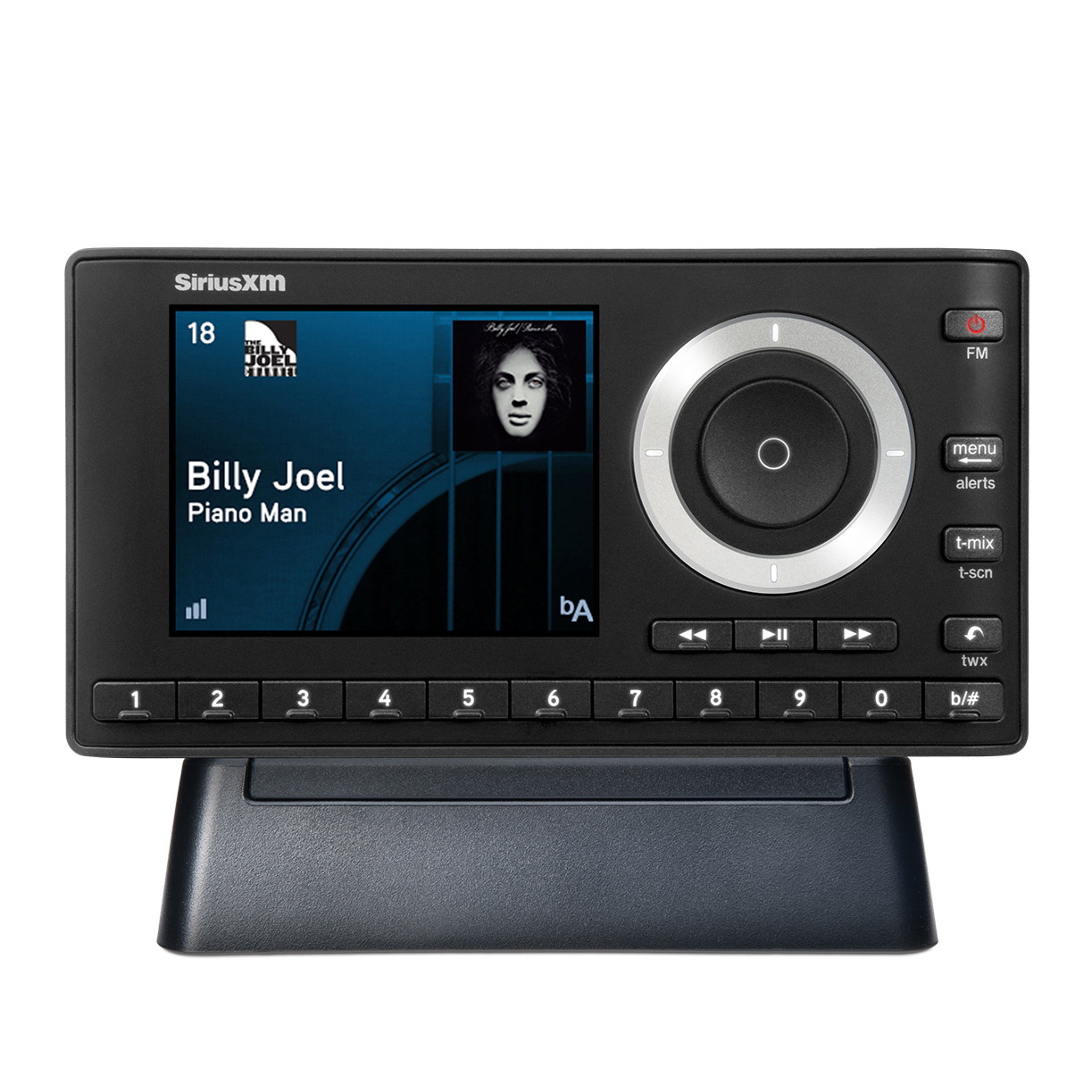
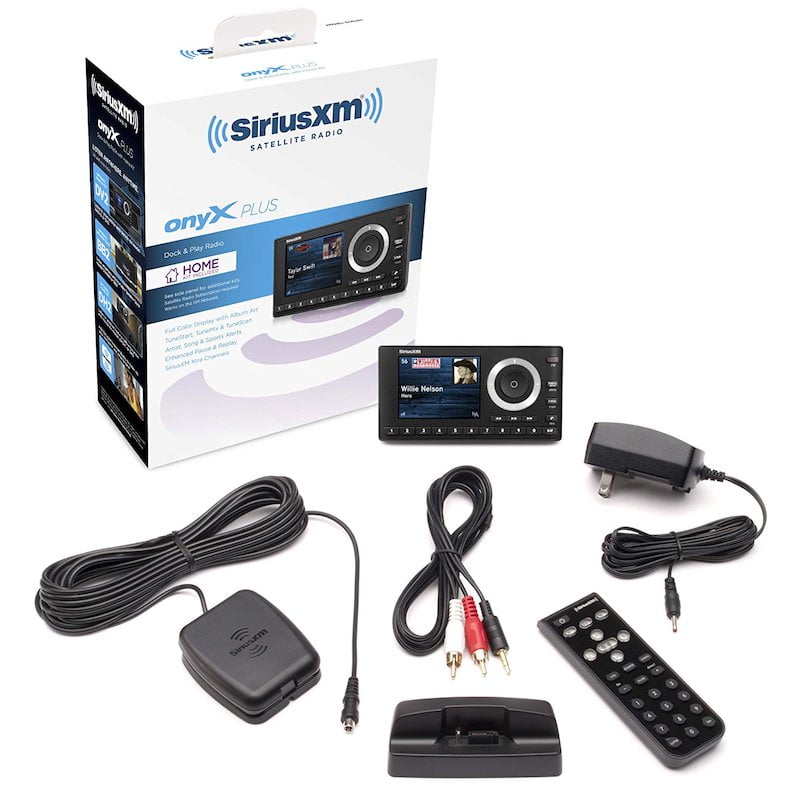
XM Radio receivers, whether integrated into a car’s dashboard or designed as standalone units, represent a crucial piece of the technological puzzle. These devices are purpose-built to receive and process the unique satellite signals. Key technical features and design considerations included:
-
Antenna Design: Specialized antennas, often small and low-profile, are required to effectively capture the satellite signals. Car antennas are typically magnetic and mounted externally, while home units might have more robust indoor/outdoor options.
-
Digital Signal Processing (DSP): Inside the receiver, advanced DSP chips are responsible for demodulating the incoming satellite signals, error correction, and decoding the compressed audio data.
-
User Interface: Early receivers featured simple LCD displays and button-based navigation for channel surfing and accessing program information. As technology evolved, displays became more sophisticated, offering album art, more detailed program guides, and even touch interfaces.
-
Recording Capabilities: Some advanced receivers, particularly portable units, incorporated DVR-like functionality, allowing users to pause, rewind, and record live satellite radio broadcasts for later listening, a feature reminiscent of digital video recorders for television.
-
Connectivity: Receivers typically offered various audio outputs (e.g., RCA, 3.5mm jack, FM modulator) to connect to car stereos, home audio systems, or headphones.
The Merger with Sirius and SiriusXM
In 2008, after a protracted regulatory review, XM Satellite Radio Holdings Inc. and Sirius Satellite Radio Inc. completed their merger, creating Sirius XM Radio Inc. This consolidation was a pivotal moment, effectively creating a monopoly in the satellite radio market but also leading to significant technological and content integration. The merger allowed for the combined entity to leverage the best aspects of both technologies and content libraries. While the underlying satellite constellations and transmission technologies of XM and Sirius were distinct, the combined company embarked on a long-term strategy to unify receiver technology and deliver a seamless experience under the SiriusXM brand. This involved cross-licensing of content, optimizing ground repeater networks, and eventually offering a consolidated programming lineup to all subscribers, regardless of whether their receiver was originally branded XM or Sirius.
Digital Audio Compression and Transmission
A critical element enabling XM Radio’s extensive channel lineup and high audio quality was its efficient use of digital audio compression. Broadcasting audio over satellite is bandwidth-intensive, so highly efficient codecs were essential. XM initially utilized a proprietary codec based on the MPEG-4 standard, which allowed them to deliver multiple high-quality audio streams within their allocated satellite bandwidth. This digital transmission also allowed for the simultaneous broadcast of metadata—such as artist names, song titles, channel logos, and program descriptions—which enhanced the user experience by providing rich contextual information directly on the receiver’s display. The robustness of digital transmission also provided better resistance to interference and signal degradation compared to analog methods.
Content, Features, and User Experience
Beyond the underlying technology, the practical application of XM Radio translated into a rich, immersive, and highly flexible audio experience for subscribers.
A Universe of Programming
One of XM Radio’s most compelling attributes was its expansive content library. From its inception, XM aimed to offer something for everyone, a stark contrast to the often narrow and repetitive programming of local radio. This “universe” of programming included:
-
Music Genres: An unparalleled selection spanning rock, pop, country, classical, jazz, blues, R&B, hip-hop, electronic, world music, and more, often with multiple channels dedicated to sub-genres or specific eras, largely commercial-free.
-
Talk and Entertainment: A diverse range of talk shows covering politics, lifestyle, comedy, and general entertainment, featuring exclusive personalities and original programming.
-
News: Dedicated channels providing breaking news, in-depth analysis, and international headlines from various perspectives.
-
Sports: Extensive live play-by-play coverage of professional and college sports leagues (NFL, MLB, NBA, NHL, NASCAR, NCAA), dedicated sports talk channels, and fantasy sports programming.
-
Children’s Programming: Channels specifically designed for kids and families, offering stories, music, and educational content.
-
Exclusive Content: XM (and later SiriusXM) heavily invested in exclusive content, securing rights to specific artists, sports leagues, and personalities, creating unique value propositions not available elsewhere.
Commercial-Free Listening and Enhanced Audio
The promise of commercial-free music channels was a significant draw for many subscribers, providing an uninterrupted listening flow that was a refreshing change from traditional radio’s often-heavy commercial loads. Furthermore, the digital nature of the broadcast allowed for consistently higher audio fidelity than most terrestrial radio stations, particularly when comparing to AM or even lower-bitrate FM streams. While streaming services have since caught up or surpassed in audio quality, at the time, XM offered a superior listening experience for many.
Beyond the Airwaves: Streaming and On-Demand
As the digital landscape evolved, SiriusXM recognized the need to extend its service beyond dedicated hardware. This led to the development of robust streaming capabilities. Subscribers can now access the full SiriusXM lineup (including many XM legacy channels) via:
-
Mobile Apps: Available on smartphones and tablets, allowing subscribers to stream content over cellular data or Wi-Fi, essentially taking the satellite radio experience anywhere internet is available.
-
Internet Streaming: Access through web browsers on computers, providing another avenue for home and office listening.
-
Connected Car Platforms: Integration into modern vehicle infotainment systems, allowing for seamless switching between satellite and IP-based streaming, often enhanced with features like voice control and personalized recommendations.
-
On-Demand Content: Many talk shows, interviews, and special performances are made available on-demand, allowing subscribers to listen to content at their convenience, further bridging the gap with modern streaming services.
Customization and Personalization
While not as deeply personalized as some AI-driven music streaming services, XM Radio offered various features for customization:
-
Favorite Channels: Users could save their preferred channels for quick access.
-
Alerts: Some receivers and the streaming app allowed users to set alerts for their favorite artists, sports teams, or shows, notifying them when specific content was playing.
-
Smart Content Recommendations: Over time, the SiriusXM platform has integrated more sophisticated recommendation engines to suggest new channels and content based on listening habits.
Advantages and Considerations for Subscribers
Choosing a subscription-based satellite radio service like XM (now SiriusXM) involves weighing its unique benefits against its costs and specific operational characteristics.
Uninterrupted National Coverage
The most compelling advantage of XM Radio for many users remains its unparalleled national coverage. For frequent travelers, truck drivers, or anyone embarking on long road trips, the ability to maintain a consistent signal and listen to the same programming across state lines, through deserts, and over mountains is invaluable. This seamless transition without needing to retune or search for new local stations provides a truly uninterrupted audio entertainment experience that no other broadcasting technology can reliably match.
Diverse, Niche, and Exclusive Content
The vast array of channels and the commitment to niche programming mean that subscribers can often find content tailored precisely to their interests, regardless of how specialized. From specific sub-genres of music that rarely get airtime on terrestrial radio to deep-dive talk shows on niche topics, XM Radio cultivated a rich ecosystem of unique content. The exclusivity deals with major sports leagues, top-tier artists, and celebrity personalities further solidify its position as a go-to source for content that simply isn’t available anywhere else.
Subscription Model: Cost vs. Value
The primary consideration for any potential subscriber is the subscription fee. Unlike free over-the-air radio, XM Radio operates on a recurring payment model. While this ensures the quality and commercial-free nature of much of its content, it requires users to assess the perceived value against the monthly or annual cost. The cost can vary based on the selected package (e.g., music-only, all-access, streaming-only) and promotional offers. For those who heavily utilize the service, particularly for long commutes or specific exclusive content, the value proposition can be high, offsetting the cost of multiple streaming services. However, for casual listeners, the cost might be a deterrent compared to free alternatives or cheaper streaming options.
Signal Reliability and Environmental Factors
While satellite radio boasts national coverage, it is not entirely immune to environmental factors. Satellite signals require a clear line of sight to the satellites. This means that dense urban canyons, long tunnels, multi-story parking garages, and extremely heavy foliage can temporarily block or degrade the signal. While the terrestrial repeater network mitigates many of these issues in urban areas, momentary signal dropouts can still occur. Additionally, while severe weather can theoretically affect satellite signals (similar to satellite TV), modern systems are quite robust, and brief, minor interruptions are more common than prolonged outages. Users need to understand these minor limitations when relying on satellite radio in challenging environments.
The Future of Satellite Radio in a Streaming World
In an increasingly connected world dominated by internet streaming, XM Radio’s legacy, now embodied by SiriusXM, faces continuous evolution to remain relevant and competitive.
Adapting to Digital Transformation
SiriusXM has made significant strides in adapting to the digital transformation. Beyond its core satellite service, the company has heavily invested in its streaming platforms, ensuring that its content is accessible via mobile apps, smart speakers (like Amazon Echo and Google Home), and modern connected car infotainment systems. This strategy acknowledges that consumers expect ubiquitous access to their entertainment across all their devices, regardless of the underlying transmission technology. Integration with voice assistants and seamless user experiences are key areas of ongoing development.
Coexistence with Internet Streaming Services
Rather than viewing internet streaming services as direct replacements, SiriusXM often positions itself as a complementary offering. While services like Spotify and Apple Music excel in on-demand music libraries and personalized playlists, SiriusXM maintains its unique value proposition through:
-
Curated Live Channels: The human curation of music and talk channels provides a “lean-back” listening experience distinct from endless algorithmic playlists.
-
Exclusive Live Events and Sports: Its unparalleled access to live sports play-by-play, exclusive interviews, and special live performances creates content differentiators.
-
National News and Talk Radio: A robust lineup of news and talk programming, often live and unedited, offers a different experience than on-demand podcasts or news apps.
-
Reliability for Road Warriors: The core satellite service remains unmatched for consistent, nationwide coverage where cellular data might be spotty or expensive.

Innovation in Receiver and Platform Design
Innovation continues in both the hardware and software aspects of SiriusXM. Next-generation automotive head units are integrating more deeply with vehicle systems, offering richer displays, improved search capabilities, and hybrid streaming options that seamlessly switch between satellite and internet protocols based on signal availability. Software updates to mobile apps and streaming platforms continuously introduce new features, improved personalization algorithms, and enhanced user interfaces. The company also explores new technologies like 5G and other broadcast methods to ensure its long-term viability and ability to deliver premium audio entertainment.
In conclusion, XM Radio, initially a standalone venture, represented a pioneering leap in audio broadcasting technology. By leveraging satellite communications, it broke free from the geographical limitations of traditional radio, offering an unprecedented array of content with consistent national coverage and high-fidelity digital audio. While its identity has evolved through its merger with Sirius, the fundamental technological innovation and the core value proposition — premium, diverse, and often commercial-free audio content accessible virtually anywhere — continue to define SiriusXM today. In an increasingly fragmented media landscape, XM Radio’s legacy serves as a testament to the power of technological ingenuity in meeting consumer demand for expansive and reliable entertainment options.
aViewFromTheCave is a participant in the Amazon Services LLC Associates Program, an affiliate advertising program designed to provide a means for sites to earn advertising fees by advertising and linking to Amazon.com. Amazon, the Amazon logo, AmazonSupply, and the AmazonSupply logo are trademarks of Amazon.com, Inc. or its affiliates. As an Amazon Associate we earn affiliate commissions from qualifying purchases.