
The global financial landscape is a perpetually shifting tapestry, influenced by an intricate web of economic indicators, technological advancements, geopolitical events, and investor sentiment. Understanding “how markets are moving now” requires a holistic view, delving beyond daily fluctuations to uncover the underlying currents shaping long-term trends and immediate opportunities or risks. From the synchronized efforts of central banks to tame inflation to the disruptive force of artificial intelligence, every element plays a critical role in painting the current market picture.
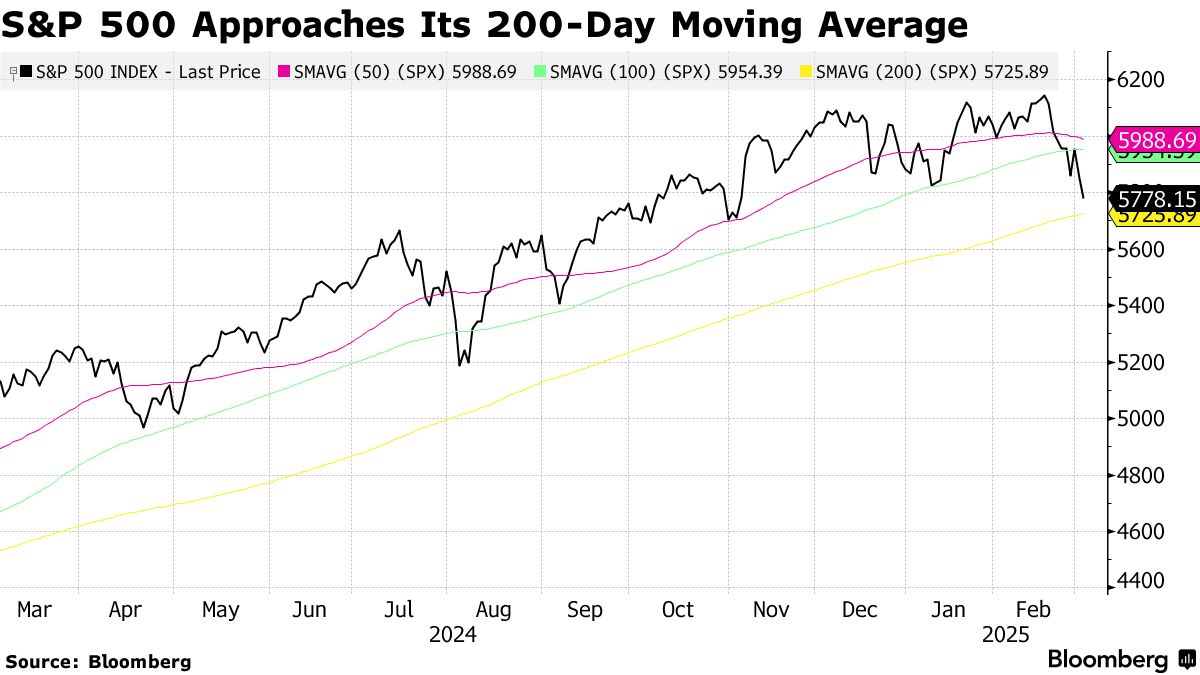
At present, markets are characterized by a delicate balance between persistent inflationary concerns, robust labor markets, and the cautious optimism surrounding technological innovation. Investors are grappling with higher interest rates, which have redefined traditional valuation models, while simultaneously seeking growth in an environment still navigating post-pandemic complexities and geopolitical realignments. This period demands a nuanced perspective, moving past simplistic narratives to appreciate the intricate interplay of forces driving capital flows and asset prices across the globe.
The Macroeconomic Currents Steering Global Markets
The fundamental drivers of market movements are invariably rooted in the macroeconomic environment. Currently, a confluence of factors is dictating the pace and direction of economies worldwide, creating both headwinds and tailwinds for various asset classes. Understanding these broad strokes is essential for any investor seeking to make informed decisions.
Inflationary Pressures and Central Bank Responses
For the past few years, inflation has been the dominant theme, prompting aggressive monetary tightening cycles by central banks globally. What began as supply-side shocks and pent-up demand post-lockdowns has evolved into more persistent price pressures, often attributed to resilient consumer spending and tight labor markets. Central banks, particularly the U.S. Federal Reserve, the European Central Bank, and the Bank of England, have raised interest rates significantly, attempting to cool demand and bring inflation back to their target levels.
The impact of these rate hikes is multifaceted. On one hand, higher interest rates increase the cost of borrowing, which can dampen corporate investment and consumer spending, thereby slowing economic growth. On the other hand, they can make fixed-income assets more attractive and provide a stronger currency. Markets are intensely scrutinizing every central bank statement and economic data release, trying to predict the “peak” of interest rates and the eventual pivot to easing, which would signal a shift in the economic cycle. The current phase is characterized by a “higher for longer” narrative regarding interest rates, keeping a lid on speculative assets and favoring companies with strong balance sheets and consistent cash flow. The battle against inflation is far from over, and its trajectory remains a pivotal determinant of market direction.
Labor Market Dynamics and Consumer Sentiment
The resilience of global labor markets has been a remarkable feature of the post-pandemic recovery. Despite significant monetary tightening, unemployment rates in many developed economies remain historically low, and wage growth, while moderating in some areas, continues to outpace pre-pandemic levels. A strong labor market is a double-edged sword for financial markets: it supports robust consumer spending, which is a significant component of GDP, but it can also fuel inflationary pressures, complicating central bank efforts.
Consumer sentiment, intrinsically linked to employment and wage growth, is another critical barometer. While inflation has eroded purchasing power, a stable job market provides a sense of security, encouraging spending on goods and services. However, rising interest rates on mortgages, car loans, and credit cards are beginning to bite, potentially leading to a softening in consumer demand going forward. Markets are keenly watching for any signs of cracks in the labor market, such as rising unemployment claims or significant job losses, which could signal an impending economic slowdown or recession, thereby prompting a different response from monetary authorities.
GDP Growth Trajectories Across Regions
Economic growth remains uneven across different regions, creating opportunities and challenges for global investors. The U.S. economy has shown surprising resilience, defying numerous predictions of recession, driven by strong consumer spending and innovation. Europe, however, has faced more significant headwinds, including the energy crisis, ongoing geopolitical instability, and persistent inflation, leading to more subdued growth or even technical recessions in some member states.
Asia, particularly China, presents a complex picture. While China’s reopening initially spurred optimism, structural issues in its property sector and slower-than-expected consumer recovery have cast a shadow. Other emerging markets offer a mixed bag, with some benefiting from commodity price stability and others struggling with external debt and local inflation. This divergence in GDP growth trajectories means that investors are increasingly adopting a regional-specific approach, identifying pockets of strength and vulnerability rather than assuming a uniform global economic trend. The interplay of these varying growth rates significantly influences currency markets and the attractiveness of regional equity and bond markets.
Divergent Performance Across Key Asset Classes
The broad macroeconomic trends translate into distinct patterns of performance across various asset classes. What thrives in one environment might struggle in another, leading to a complex mosaic of investment opportunities and risks. A closer look at equities, fixed income, commodities, and cryptocurrencies reveals a market in constant flux.
Equity Market Resilience and Sectoral Shifts
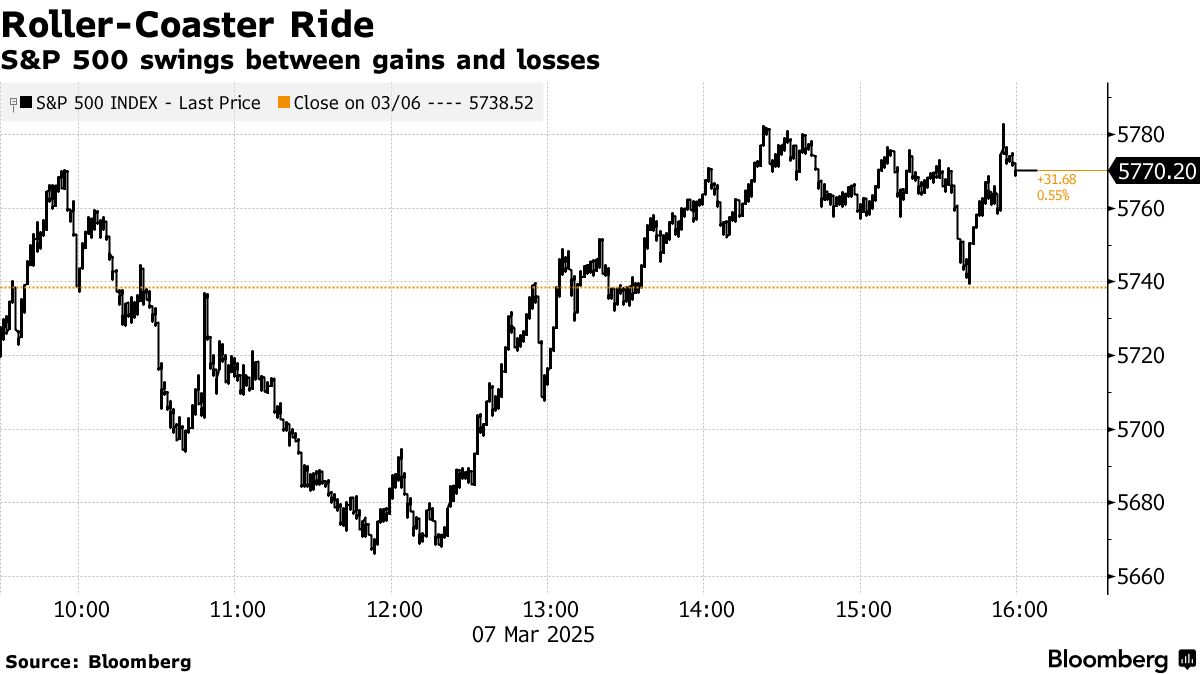
Global equity markets have shown remarkable resilience, often shrugging off concerns about higher interest rates and geopolitical tensions. This resilience, however, has not been uniform. Much of the positive performance has been concentrated in a handful of mega-cap technology and growth stocks, particularly those benefiting from themes like artificial intelligence. This phenomenon, often referred to as “market breadth,” indicates that while headline indices may look strong, a significant portion of the market might be underperforming.
Sectoral shifts are also pronounced. Technology and healthcare sectors, driven by innovation and demographic trends, continue to attract significant capital. Energy and materials sectors have seen fluctuating fortunes, reacting to global supply dynamics and demand forecasts. Financials are benefiting from higher net interest margins but face potential headwinds from increased loan defaults if economic conditions worsen. Investors are increasingly looking beyond simple market capitalization, focusing on companies with strong balance sheets, sustainable competitive advantages, and the ability to generate free cash flow in a higher-rate environment. Value investing has gained renewed attention as investors seek out fundamentally sound companies that may have been overlooked during the growth stock frenzy.
The Evolving Landscape of Fixed Income
Fixed income markets have undergone a profound transformation. After years of ultra-low interest rates, bonds are once again offering attractive yields, making them a viable alternative to equities for income-seeking investors. However, the rapid increase in interest rates has also led to significant capital losses for existing bondholders, especially those with longer durations.
The current environment favors shorter-duration bonds and investment-grade corporate bonds, which offer better yields with relatively lower interest rate risk. High-yield (junk) bonds present a more complex picture, as their attractiveness hinges on the robustness of the economy and the ability of issuing companies to service their debt. Government bonds, traditionally seen as safe havens, have seen their role redefined, as their prices move inversely to interest rates. As central banks near the end of their tightening cycles, the focus for bond investors is shifting to the potential for future rate cuts and the duration strategy that will best capture those movements. The bond market, often a forward indicator of economic health, is signaling caution, with inverted yield curves in many developed economies hinting at potential future slowdowns.
Commodities Under Scrutiny: Energy and Precious Metals
Commodity markets remain highly sensitive to global supply-demand dynamics and geopolitical events. Energy prices, particularly oil and natural gas, have experienced significant volatility due to geopolitical conflicts, OPEC+ production decisions, and the pace of global economic growth. While concerns about supply disruptions have kept prices elevated at times, fears of a global recession could temper demand, leading to downward pressure. The transition to renewable energy sources also introduces a long-term structural shift, impacting traditional fossil fuel investments.
Precious metals, notably gold, traditionally serve as a safe-haven asset during times of economic uncertainty and geopolitical instability. Gold has performed well amidst inflation concerns and banking sector jitters, but its upward momentum is often capped by rising real interest rates, which increase the opportunity cost of holding a non-yielding asset. Industrial metals, like copper, are closely tied to global manufacturing and construction activity, making them a bellwether for industrial demand. The outlook for commodities is a continuous balancing act between supply constraints, demand forecasts, and the ever-present shadow of global events.
Cryptocurrency Volatility and Institutional Adoption
The cryptocurrency market continues to mature but remains characterized by extreme volatility. After a significant downturn, there have been signs of stabilization and renewed interest, particularly in Bitcoin and Ethereum. A key development is the increasing institutional adoption and regulatory scrutiny. The approval of spot Bitcoin ETFs in certain jurisdictions has opened new avenues for mainstream investors, potentially bringing greater liquidity and stability to the asset class.
However, the regulatory landscape remains fragmented and uncertain across different countries, posing challenges for widespread adoption. While the speculative element of cryptocurrencies persists, a growing focus is on the underlying blockchain technology and its potential applications beyond digital currencies, such as decentralized finance (DeFi), NFTs, and enterprise solutions. Investors are increasingly differentiating between speculative digital assets and foundational blockchain infrastructure, recognizing the long-term disruptive potential of the latter. The market is moving towards a more bifurcated view, distinguishing between robust projects with real-world utility and purely speculative ventures.
Technological Disruption and the Future of Finance
Technology is not merely an external factor impacting markets; it is increasingly becoming an integral part of the market’s internal machinery and its future direction. Within the “Money” sphere, technological disruption is reshaping how investments are made, analyzed, and managed, driving efficiency, accessibility, and new product creation.
Artificial Intelligence in Trading and Analytics
Artificial intelligence (AI) is rapidly transforming financial markets, moving beyond hype to practical application. In trading, AI algorithms are employed for high-frequency trading, algorithmic execution, and sophisticated arbitrage strategies, often executing trades at speeds and volumes impossible for human traders. AI-driven systems can analyze vast datasets, including news sentiment, social media trends, and macroeconomic indicators, to identify patterns and predict market movements with greater accuracy than traditional statistical models.
Beyond trading, AI is revolutionizing financial analytics. It’s used for risk management, detecting anomalies and potential fraud, and stress-testing portfolios against various market scenarios. For fundamental analysis, AI can process company reports, earnings calls, and industry data to provide deeper insights into a company’s health and competitive position. The adoption of AI is still in its early stages, but its potential to democratize sophisticated financial tools and enhance decision-making across the board is immense, ultimately leading to more efficient, albeit potentially more complex, markets.
Blockchain’s Role Beyond Digital Currencies
While often associated solely with cryptocurrencies, blockchain technology has a far broader potential impact on finance. Its core attributes – decentralization, immutability, and transparency – offer compelling solutions for existing financial pain points. Beyond facilitating digital transactions, blockchain is being explored for streamlining cross-border payments, reducing settlement times in securities trading, and enhancing the security and traceability of financial records.
For instance, supply chain finance can benefit from blockchain by creating transparent and verifiable records of goods and payments, improving efficiency and reducing fraud. Real estate and private equity are exploring tokenization, where ownership of illiquid assets is divided into digital tokens, potentially increasing liquidity and accessibility for a wider range of investors. While widespread institutional adoption faces regulatory hurdles and scalability challenges, the underlying technology is steadily gaining traction as a foundational infrastructure for the future of financial services, promising to redefine how assets are owned, transferred, and managed.
The Rise of Robo-Advisors and Personalized Investing
Technological advancements have also democratized financial advice and investment management. Robo-advisors, powered by algorithms and AI, offer automated, low-cost portfolio management services. These platforms typically assess an investor’s risk tolerance, financial goals, and time horizon, then construct and rebalance diversified portfolios using ETFs and other low-cost instruments.
This rise of personalized, technology-driven investing has made sophisticated financial planning accessible to a broader demographic, particularly younger investors and those with smaller portfolios who might not meet the minimums for traditional financial advisors. Beyond basic portfolio construction, these platforms are evolving to offer more comprehensive financial planning tools, including goal-based investing, tax-loss harvesting, and integration with broader financial wellness applications. This trend signifies a shift towards more individualized and data-driven investment strategies, empowering investors with greater control and lower costs, thereby reshaping the competitive landscape for traditional financial institutions.
Geopolitical Tensions and Regulatory Headwinds
Global financial markets are inherently intertwined with geopolitical realities and regulatory frameworks. Recent years have underscored how international relations and domestic policies can dramatically alter market sentiment, asset flows, and the very structure of financial operations.
Impact of International Conflicts on Supply Chains and Trade
International conflicts, such as the war in Ukraine, have had profound and far-reaching effects on global markets. They disrupt critical supply chains, particularly for energy, food, and strategic minerals, leading to inflationary pressures and commodity price volatility. Sanctions imposed in response to these conflicts reconfigure trade routes and impact corporate earnings, forcing companies to re-evaluate their international operations and supply chain resilience.
Beyond immediate economic impacts, geopolitical tensions elevate market uncertainty, prompting investors to seek safe-haven assets and leading to risk-off sentiment. They can also exacerbate existing vulnerabilities in the global financial system, such as sovereign debt levels or energy dependencies. The ongoing re-evaluation of global trade alliances and the potential for economic fragmentation (“decoupling”) are structural shifts that will continue to influence capital allocation decisions for years to come, forcing investors to consider geopolitical risk as a primary factor in their investment thesis.
Shifting Regulatory Frameworks for Digital Assets
The rapid growth of digital assets and blockchain technology has outpaced existing regulatory frameworks, leading to a patchwork of rules across jurisdictions. Regulators globally are grappling with how to classify, oversee, and safeguard investors in this nascent asset class. Some countries are adopting progressive approaches, establishing clear licensing regimes for crypto exchanges and stablecoin issuers, while others are taking a more cautious or even restrictive stance.
The lack of harmonized global regulation creates challenges for institutional adoption and cross-border innovation. Key areas of focus include consumer protection, anti-money laundering (AML) compliance, market integrity, and systemic risk. Clarity on issues such as stablecoin backing, the definition of securities vs. commodities for digital tokens, and the tax implications of crypto transactions will be crucial for the industry’s sustainable growth. As these frameworks evolve, they will significantly impact the operational costs, accessibility, and overall risk profile of investing in digital assets, shaping the future trajectory of this innovative financial frontier.
Election Cycles and Policy Uncertainty
Domestic politics, particularly major election cycles, introduce a layer of uncertainty that can ripple through financial markets. Changes in government often bring shifts in fiscal policy (taxation, spending), regulatory approaches (environmental, industry-specific), and international trade postures. These policy shifts can directly impact corporate profitability, investment incentives, and consumer confidence.
For example, an election outcome that favors higher corporate taxes might lead to downward revisions in earnings forecasts, affecting equity valuations. A shift towards protectionist trade policies could disrupt global supply chains and harm export-oriented industries. Conversely, policies promoting infrastructure spending or technological innovation could provide a boost to specific sectors. While markets generally dislike uncertainty, they also react swiftly to perceived clarity, whether positive or negative. Investors must remain vigilant, analyzing potential policy changes and their implications for different sectors and asset classes, and incorporating this political risk into their strategic planning.
Strategies for Navigating a Dynamic Market Environment
In an era defined by rapid change and persistent uncertainty, traditional investment axioms remain critical, but adapting to new paradigms is equally important. Navigating “how markets are moving now” requires a proactive and informed approach, prioritizing resilience and long-term vision.
The Importance of Diversification and Risk Management
In a volatile and unpredictable market, diversification remains the cornerstone of a sound investment strategy. Spreading investments across different asset classes (equities, bonds, real estate, commodities, alternative assets), geographic regions, and sectors helps to mitigate the impact of adverse performance in any single area. A well-diversified portfolio is designed to smooth out returns over time, reducing overall risk exposure.
Complementing diversification is robust risk management. This involves understanding your personal risk tolerance, setting clear investment goals, and regularly reviewing your portfolio’s asset allocation. Techniques such as stop-loss orders, hedging strategies (for more sophisticated investors), and maintaining an adequate cash reserve can help protect capital during market downturns. In today’s environment, where market leadership can rotate quickly, being overly concentrated in a single sector or asset theme carries amplified risks. Emphasizing a strategic asset allocation that aligns with your financial objectives and risk capacity is paramount.
Embracing Long-Term Value Investing Principles
While short-term market movements often capture headlines, a focus on long-term value investing principles can provide a steady compass. This approach emphasizes investing in fundamentally strong companies with sustainable competitive advantages, solid balance sheets, and consistent earnings power, often at a reasonable price relative to their intrinsic value. Such companies tend to be more resilient during economic downturns and are better positioned for sustained growth over extended periods.
In a market prone to speculative bubbles and rapid shifts in sentiment, adhering to value principles helps investors avoid emotional decision-making driven by fads. It encourages thorough due diligence, focusing on a company’s business model, management quality, and industry position rather than fleeting market narratives. While immediate gratification may be elusive, a long-term value orientation typically leads to superior risk-adjusted returns by allowing the power of compounding to work its magic and by capitalizing on market inefficiencies that eventually correct themselves.
Adapting to New Investment Paradigms
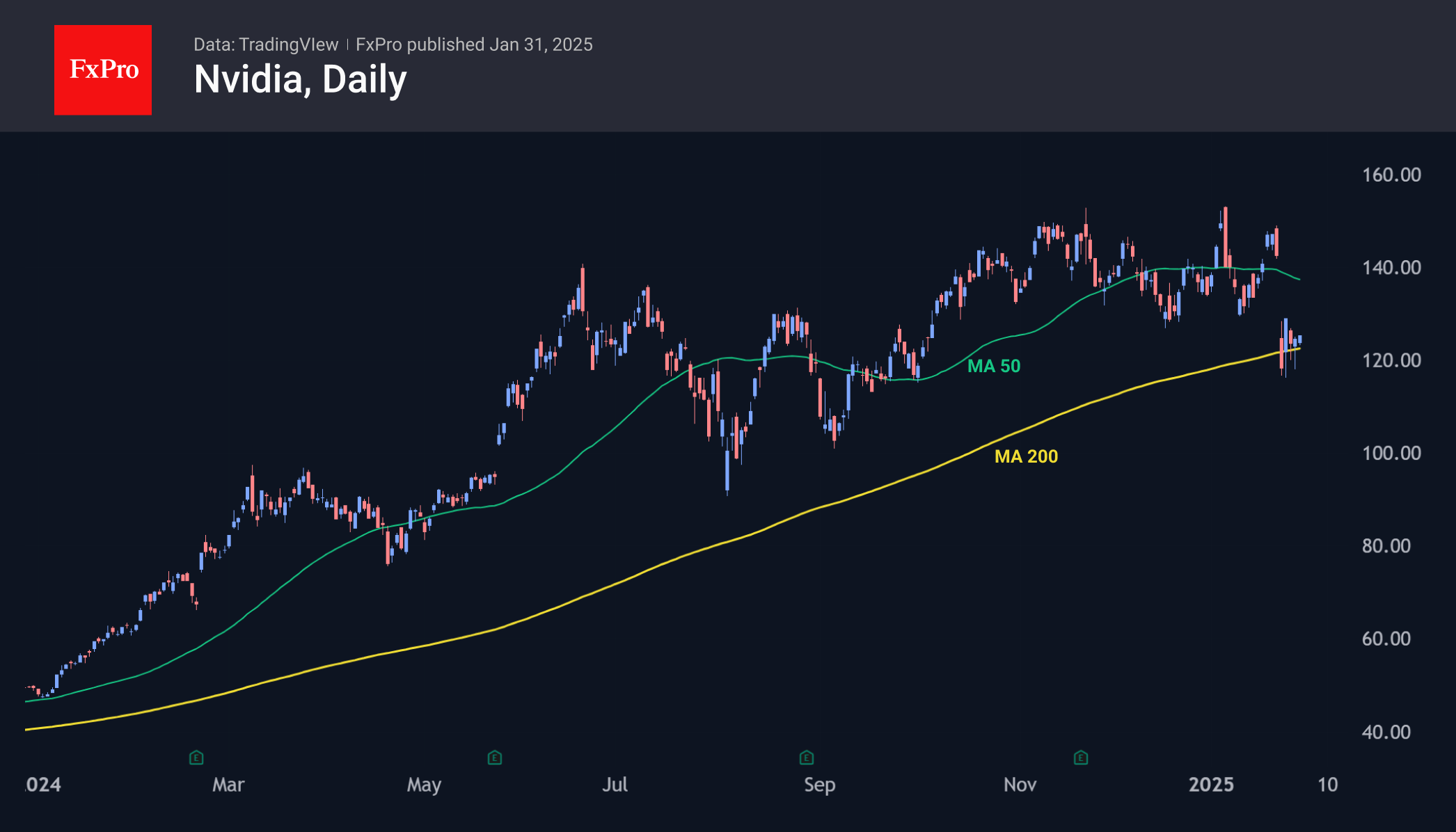
The current market environment is not merely a cyclical phenomenon; it represents a shift towards new paradigms that require adaptation. This includes recognizing the impact of sustained higher interest rates on valuations, understanding the growing importance of AI and blockchain as foundational technologies, and integrating environmental, social, and governance (ESG) factors into investment analysis. ESG considerations are increasingly influencing corporate performance and investor preferences, moving from niche to mainstream.
Adapting also means being open to alternative investment strategies that may thrive in a different economic climate, such as private equity, venture capital (for accredited investors), or infrastructure funds, which can offer diversification benefits and exposure to long-term growth trends. It also entails recognizing the evolving role of currencies and the potential for continued volatility in foreign exchange markets. The successful investor in “how markets are moving now” is not just reactive but proactive, continuously learning, re-evaluating assumptions, and adjusting strategies to align with the evolving landscape, positioning their portfolios not just for today’s movements but for tomorrow’s opportunities.
aViewFromTheCave is a participant in the Amazon Services LLC Associates Program, an affiliate advertising program designed to provide a means for sites to earn advertising fees by advertising and linking to Amazon.com. Amazon, the Amazon logo, AmazonSupply, and the AmazonSupply logo are trademarks of Amazon.com, Inc. or its affiliates. As an Amazon Associate we earn affiliate commissions from qualifying purchases.